REVIEW · KYOTO PREFECTURE
Kyoto: Hike and Hot Springs in Kurama
Book on GetYourGuide →Operated by Kyoto Fun · Bookable on GetYourGuide
Kurama changes the pace fast. One minute you’re in Kyoto, the next you’re riding into the mountains for a cedar-forest hike to Kurama Temple. I like how the walk mixes spiritual stops with real nature—shrines, legend-filled viewpoints, and that quieter north-Kyoto feeling.
I also like the reset button at the end: an optional hot spring in Kurama village that lets sore legs cool down with mountain views. The one drawback to plan for is the climb. You’ll be using steps and a moderate mountain route, so comfortable shoes and a decent fitness level matter.
In This Review
- Key Highlights You’ll Actually Feel
- Kyoto’s Quiet North: Why Kurama and Kibune Feel Different
- Getting There: Demachiyanangi to the Mountains in a Single Flow
- The Hike Up: Kibune Shrine, Cedar Steps, and Legend-Filled Stops
- Kibune shrine: a relationship-focused moment
- The ascent: realistic climbing, not a stroll
- Kurama Temple at the Top: Power-Spot Views and Up-Close Temple Time
- Temple details: time inside and small surprises
- The guide factor: stories that stick
- Kurama Village After the Descent: Lunch, Stroll Time, and Onsen Choices
- Hot Spring in Kurama: Why the Onsen Ending Feels Worth It
- Price and Value: What $80 Buys You (and What It Doesn’t)
- Who Should Book This (and Who Should Skip It)
- Should You Book Kyoto: Hike and Hot Springs in Kurama?
- FAQ
- How long is the Kyoto: Hike and Hot Springs in Kurama tour?
- Where do I meet the tour?
- What is included in the price?
- Is lunch included?
- Are the hot springs included?
- What language are the tours guided in?
- How difficult is the hike?
- What should I bring?
- Who should not book this tour?
Key Highlights You’ll Actually Feel
- A mountain train ride that puts you into the hills quickly
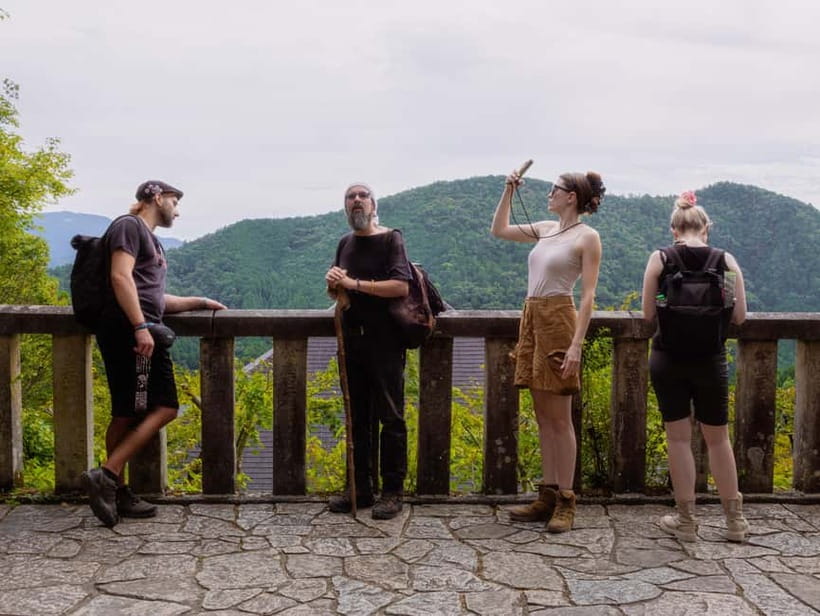
- Ancient cedar forest hiking with lots of small scenic pauses
- Kurama Temple on the mountaintop, treated as a local power spot
- Kibune shrine stop with a relationship-focused prayer
- Time in the charming Kurama village after the descent
- Optional onsen with outdoor views as the perfect cooldown
Kyoto’s Quiet North: Why Kurama and Kibune Feel Different
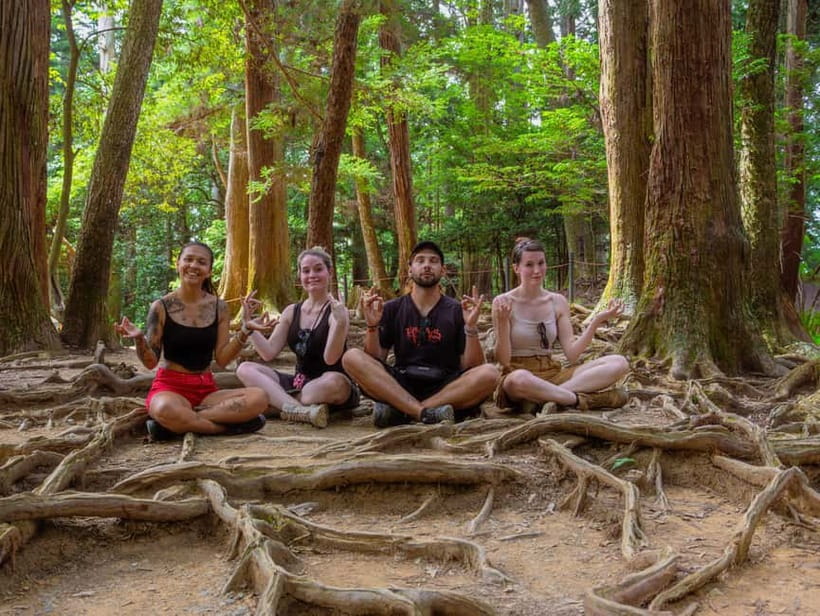
If Kyoto City is busy, Kurama and Kibune are the antidote. This is one of those outings where the scenery does the heavy lifting: steep steps, towering cedars, and river-valley views that feel far from traffic.
You also get a spiritual thread running through the hike. You’re not just walking for photos. You’re stopping at shrines, offering prayers (including one focused on good relationships), and listening as the guide connects what you see to local stories. It makes the day feel more meaningful without turning it into a lecture marathon.
And because it’s only about half a day, you get the payoff without losing your entire afternoon to logistics. That balance is a big part of the value here.
You can also read our reviews of more tours and experiences in Kyoto Prefecture.

Getting There: Demachiyanangi to the Mountains in a Single Flow
The day starts at Demachiyanagi Station, exit 7, right in front of the Eizan railway. That matters because it’s your anchor point. Once you’re there, the tour handles the main transit so you’re not stuck figuring out trains while also thinking about an uphill hike.
You’ll take a pleasant train ride out of Kyoto and toward a rustic mountain-area setting. The train legs are part of the experience, not just a transfer. They help “stage” your day: you leave the city, pass through mountain scenery, and arrive already in walking mode.
Total tour time is around 4 hours, and it works best if you treat the morning or early afternoon as your main block. Come with time to linger a bit after the descent, because Kurama village is part of why this feels like an escape.
The Hike Up: Kibune Shrine, Cedar Steps, and Legend-Filled Stops
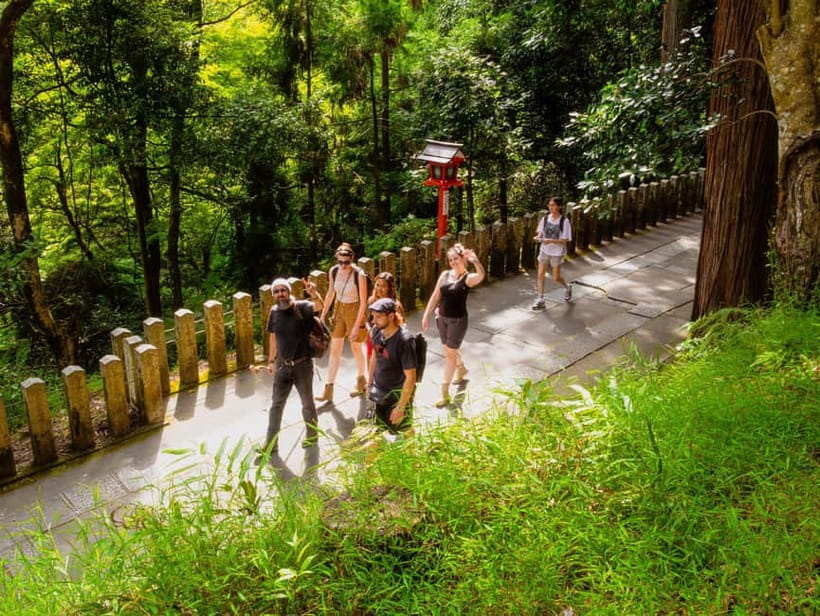
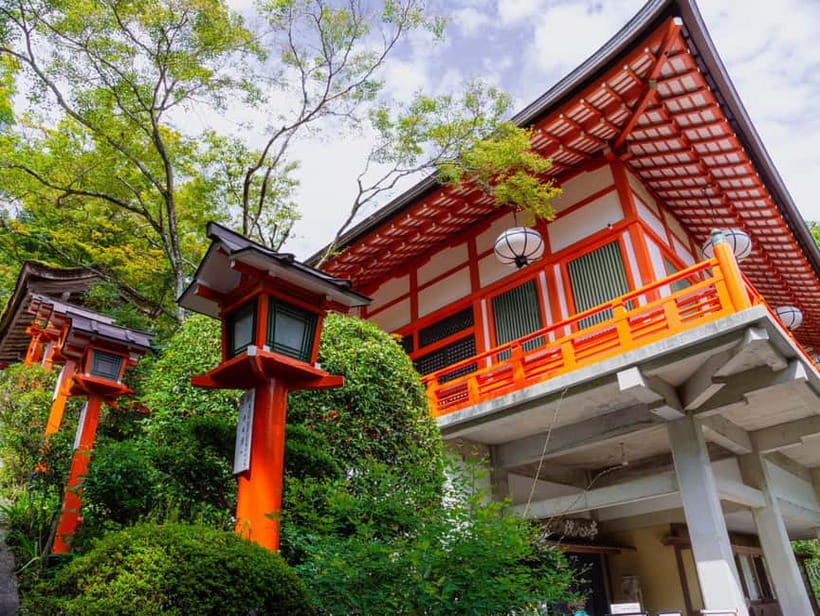
The hiking route is built around a simple rhythm: shrine start, scenic ascent, repeated pauses, then the mountaintop. You’ll begin at a sacred shrine, then follow a trail that winds upward through a forest that feels properly old.
Kibune shrine: a relationship-focused moment
One of the most memorable parts is the Kibune shrine stop. You’ll have time to make a prayer—specifically for good relationships. It’s a small action, but it sets the tone. Instead of treating the hike like a workout, you’re treating it like a reset.
This is also where a good guide earns their fee. Guides often explain what the shrine visit means in local practice, so you’re not just copying gestures. You learn why the stop is there, and that makes it feel personal.
The ascent: realistic climbing, not a stroll
The climb is described as moderate, with the top reachable in about 30–40 minutes once you’re actively ascending. That’s helpful for pacing. You can set expectations: you’re looking at sustained steps, not endless steepness, and your guide will plan breaks along the way.
Bring water and wear shoes with grip. Long pants are strongly recommended to reduce bug bites—especially if you’re hiking around cedars where insects can be part of the deal.
From the hiking itself, I like how the stops keep the experience from feeling rushed. You’re not just powering uphill. You’re taking in views, trail features, and small details that you’d likely miss on your own.
And yes, nature can make a cameo. On winter days, people have reported light snow on a sunny route, plus wildlife like deer along the way. Even in nicer weather, the hills can feel cooler and fresher than Kyoto’s streets.


Kurama Temple at the Top: Power-Spot Views and Up-Close Temple Time
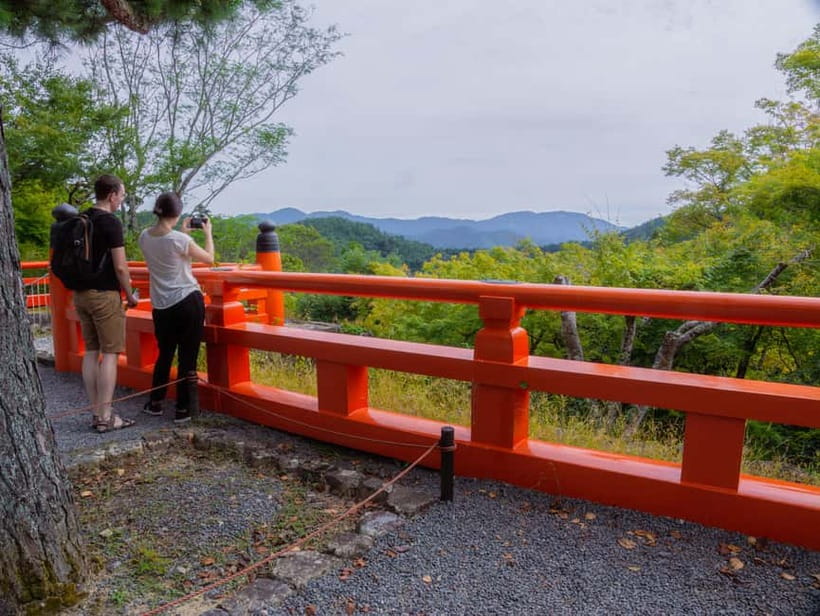
When you reach the mountaintop, you visit Kurama Temple. Locals consider it a power spot, which is the kind of phrase that sounds vague until you’re standing in that setting. The air changes. The view opens into the valley. It feels like the walk has a destination, not just a reward.
From the top, you get amazing views downward. It’s the kind of scenery that makes you stop thinking about how far you’ve climbed and start paying attention to the valley layout and the way the forest wraps the hills.
Temple details: time inside and small surprises
Your guide also controls what you’ll notice inside the temple complex. In past tours, guides have shared deeper access and history, with people mentioning time spent exploring areas like the crypt and maze-like spaces underneath the temple.
There can be maintenance too. One visitor noted scaffolding around the temple during their visit, though they still got to go inside and ring a large bell above the hill area. The practical takeaway: even if the view of the main façade is limited on a given day, the tour still focuses on meaningful temple time rather than only exterior photos.
The guide factor: stories that stick
This is where the best guide reviews shine. People have praised guides such as Philippe, Kevin, and Salome for local history and legend context. The common thread is simple: they’re not just reciting facts. They tie what you’re seeing to Japanese culture and temple meaning.
If your group ends up small, you may get extra flexibility. One tour even got described as customized time at Kurama, with the guide adjusting pacing and what you focus on while staying within the route.
That flexibility isn’t guaranteed, but the tour format clearly supports it—especially since you can book private or small groups.
Kurama Village After the Descent: Lunch, Stroll Time, and Onsen Choices
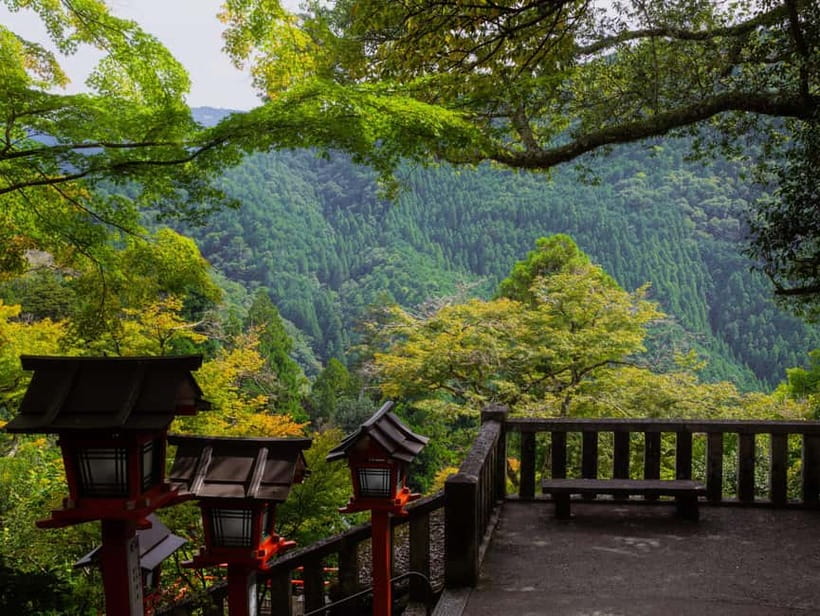
After the temple visit, you’ll descend by the steps back toward Kurama village. This part matters because it changes your mood. You go from focused climbing to “walk, look, choose.”
Once in the village, you’ll have options:
- get a late lunch
- stroll through the area
- or head straight for the hot springs
The tour concludes in Kurama village with guidance on what to do next. That means you’re not stuck wondering how to make your own plan after the hike.
The included time is enough to enjoy village atmosphere, but it’s not so long that you’ll feel trapped in a schedule. If you want a simple finish, you can keep it low-key with food and a soak. If you want more, you’ll be able to time your train back to Kyoto from there.
Hot Spring in Kurama: Why the Onsen Ending Feels Worth It
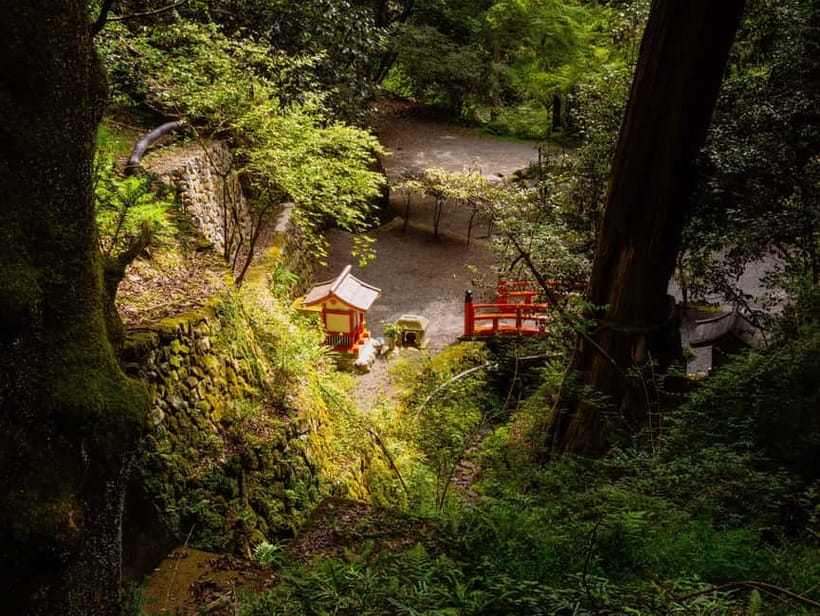
The hot spring stop isn’t included in the base price, but it’s offered as a major option. Kurama’s onsen is known for outdoor bath viewing, and that’s exactly the kind of payoff that makes the hike feel “complete.”
Here’s why this ending works so well for you:
- You’ve used your legs for steps. Your body wants recovery right away.
- Being outside in mountain air makes the soak feel restorative, not just relaxing.
- The village setting makes it easy to keep your day simple after the hike.
You may also be offered a discounted ticket for the bath. Even if you decide to skip it, the fact that it’s there as an easy add-on is a big reason many people rate this tour so highly.
Practical note: since the hot spring fee isn’t included, budget a little extra so you’re not making the onsen decision under stress.
Price and Value: What $80 Buys You (and What It Doesn’t)
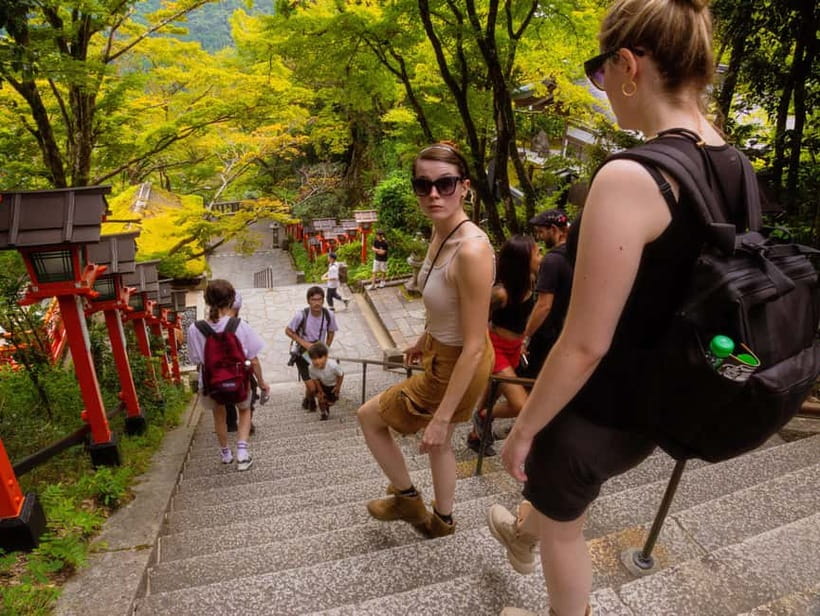
At $80 per person for about 4 hours, the value is mostly about what’s handled for you.
What you get included:
- guide fee
- temple admission
- transportation (main tour transit)
What’s not included:
- transportation back to the meeting point
- lunch
- hot springs fee
So the logic is this: you’re paying for real guidance plus the key access costs and transit legs that connect Kyoto to the mountains. You’re not paying for lunch or the onsen. That’s fair. Both of those are personal choices anyway—some people want a quick meal, others want time in the village, and some are all-in on the bath.
I’d call this good value if you care about the guided context. If you just want to hike independently and don’t care about shrine meaning, you’d probably spend less DIY. But if you want the day to feel coherent—shrines, temple, story—this price makes more sense.
Also, small-group or private options can add value if you want pacing that matches your fitness and interests.
Who Should Book This (and Who Should Skip It)
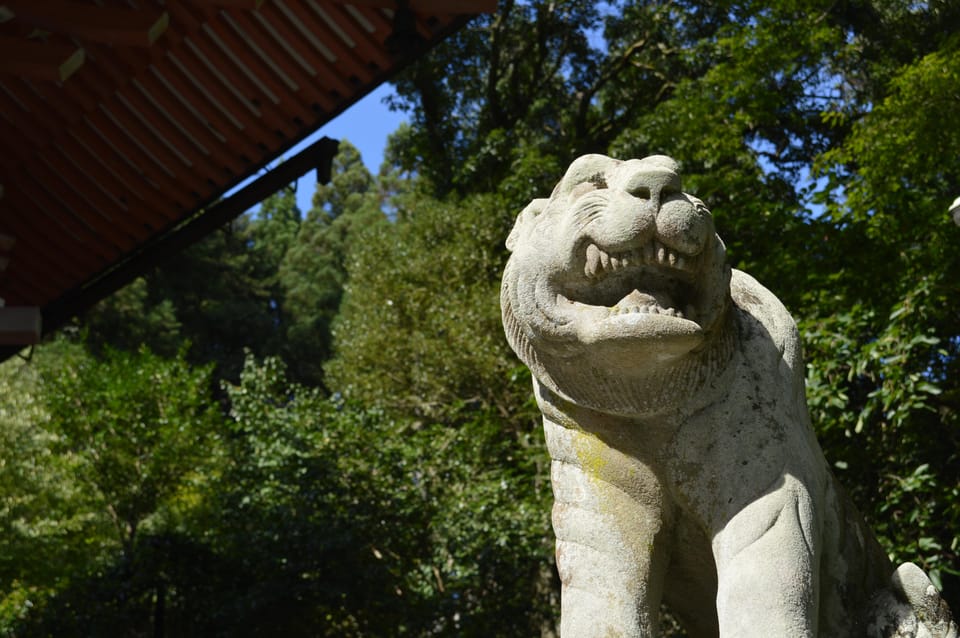
This is best for you if:
- you can handle steps and a moderate uphill hike
- you want nature plus temple/shrine context
- you like guided storytelling and local history
- you want an onsen option at the end
It’s not suitable for:
- children under 11
- wheelchair users
- people with mobility impairments
- people without hiking experience
So if you’re an active walker with steady stamina, you’ll likely enjoy it. If you’re more casual and want a flat route, this may feel too demanding for a half-day.
The tour also recommends long pants for bug bites. That’s not just about comfort. It helps you keep hiking without getting interrupted by itching or swarms.
Should You Book Kyoto: Hike and Hot Springs in Kurama?
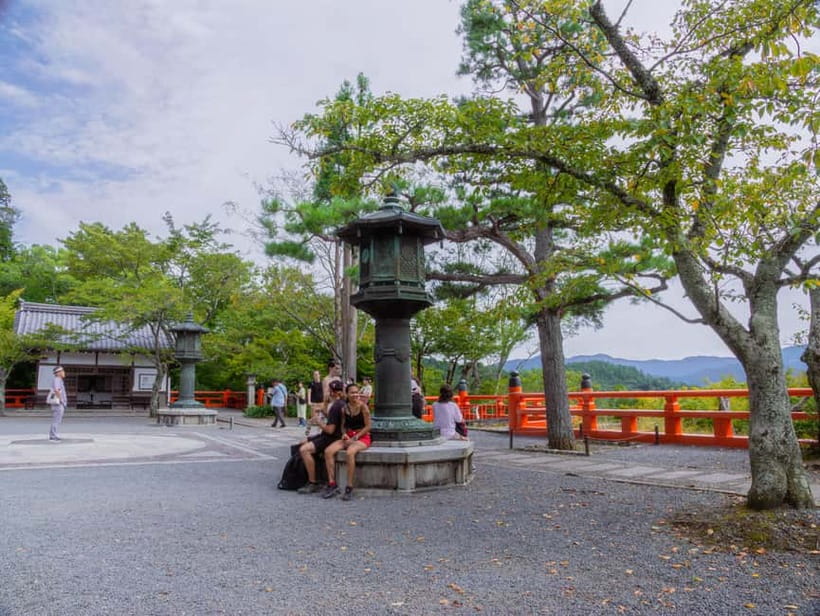
Yes, if you want a half-day escape that’s genuinely away from the usual Kyoto crowds. The mix is strong: mountain train ride, cedar-forest climb, shrine prayer for good relationships, and a mountaintop temple visit with valley views. Add the onsen option and you’ve got a satisfying ending that feels earned.
I’d especially recommend it if you enjoy spiritual sites but also want them explained in a practical, human way. The guide quality is a repeated theme, with names like Philippe, Kevin, Chris, Salome, and Eric coming up for knowledge, patience, and turning a hike into a story-driven day.
Just be honest with yourself about the steps. If you’re not comfortable with moderate climbing, pick a gentler Kyoto plan. For the right fitness level, this is one of those rare outings where you leave feeling both calmer and more alive.
FAQ
How long is the Kyoto: Hike and Hot Springs in Kurama tour?
The tour lasts about 4 hours.
Where do I meet the tour?
Meet at Demachiyanangi Station exit 7, in front of the Eizan railway.
What is included in the price?
Included are the guide fee, temple admission, and transportation.
Is lunch included?
No. Lunch is not included.
Are the hot springs included?
The hot springs fee is not included. You can add the onsen option after the hike.
What language are the tours guided in?
The live guide is available in English and French.
How difficult is the hike?
It’s a moderate hike. Climbing the steps to the top requires a decent fitness level, and the peak can be reached in about 30–40 minutes.
What should I bring?
Bring comfortable shoes and water. Long pants are recommended to help avoid bug bites.
Who should not book this tour?
It is not suitable for children under 11, wheelchair users, people with mobility impairments, or people without hiking experience.