REVIEW · KYOTO
Kyoto & Nara Private Tour from Osaka Kyoto Hotel Pick-up
Book on Viator →Operated by Japan with Christine · Bookable on Viator
One-day Kyoto and Nara, with transport handled. This private outing is interesting because it’s built as a single smooth day using hotel pickup plus a private air-conditioned van, and you’ll also have admission fees included for the two big ticket temples. The only real drawback is the pace: you’re hopping between famous sites for an 8 to 10 hour day, so you’ll want to go in knowing you can’t slow down everywhere.
I like how the plan hits the major icons in smart order, with breathing room at each stop. You’re not stuck joining other groups, lining up for vans, or losing time to complicated navigation in unfamiliar neighborhoods. Still, this format means your guide can make or break the vibe—if you want lots of stories during the ride, you’ll do best telling them what you care about early.
In This Review
- Quick Hits Before You Go
- The One-Day Plan That Actually Works in Kyoto
- Price and What You’re Really Paying For
- Hotel Pickup, Private Van, and a Day That Starts Tired—But Not Confused
- Stop 1: Todai-ji Temple and the Daibutsu Moment
- Stop 2: Nara Park Deer Time (and How to Enjoy It)
- Stop 3: Kinkaku-ji Golden Pavilion and Why It’s More Than Pretty
- Stop 4: Arashiyama Kimono Forest at Arashiyama Station
- Stop 5: Arashiyama Bamboo Grove, Forest Walk, and Crowd Reality
- Stop 6: Fushimi Inari-taisha and Those Torii Gate Walks
- What Your Guide Adds (and Why Some Days Feel Better Than Others)
- Lunch Time and a Small Tip About Payment
- Weather Rules and Why They Matter Here
- Should You Book This Kyoto & Nara Private Tour?
- FAQ
- FAQ
- How long is the Kyoto & Nara private tour from Osaka?
- Does the tour include hotel pickup from Osaka or Kyoto?
- Which entrance fees are included?
- Is there an English-speaking guide?
- What transport is provided during the day?
- What happens if the weather is bad?
Quick Hits Before You Go
- Private pickup and drop-off from Osaka or Kyoto hotels so you start the day already in motion
- Tickets included for Todai-ji and Kinkaku-ji, cutting down on pay-at-the-door hassle
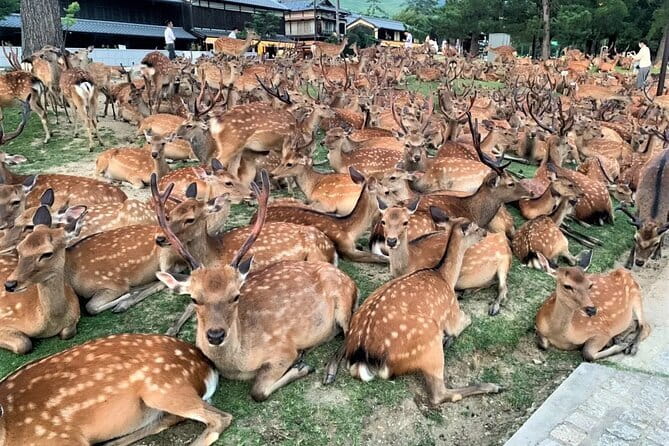
- Nara Park deer time built in, with time to feed them and take photos
- Arashiyama stops that mix modern color and classic bamboo
- A torii-gate walk at Fushimi Inari-taisha to end the day with one of Kyoto’s signature sights
- English-guided commentary designed to add meaning to what you’re seeing
The One-Day Plan That Actually Works in Kyoto
Kyoto and Nara can easily eat a full trip if you’re figuring out trains, transfers, and crowds on the fly. This tour’s core value is that it treats both cities like one coordinated route. You get an all-in travel day that covers big temples, a famous deer park, and two of Kyoto’s most photographed areas.
For you, that means you’ll spend less time making decisions and more time looking up at architecture, watching deer, and wandering forest paths. It also means the day feels like a guided “greatest hits” tour without feeling like you’re rushing through a checklist at standing-still speed.
You can also read our reviews of more private tours in Kyoto

Price and What You’re Really Paying For
At $266.85 per person for a private day from Osaka into Kyoto and Nara, the price isn’t meant to be “cheap.” It’s meant to be practical: private transportation, time saved, and at least part of the entry cost included.
Here’s what’s covered in a concrete way:
- Entrance fees included for Todai-ji Temple (800 yen) and Kinkaku-ji Temple (500 yen)
- Air-conditioned vehicle, plus parking fees and fuel surcharge
- Travel time accounted for—getting to and from Osaka and covering the Kyoto-to-Nara-to-Osaka loop
- An English tour guide
- A mobile ticket approach
What’s not covered:
- Gratuities/tipping
- Small extras that often come up naturally, like snacks or deer crackers
So the real question isn’t just the number. It’s whether you want to buy back your time and sanity. If you’d otherwise spend hours coordinating transit and queuing, this is easier to justify.
Hotel Pickup, Private Van, and a Day That Starts Tired—But Not Confused
Pickup matters in a place like this. If you have a hotel in Osaka (or Kyoto), starting with a driver who knows where you’re going saves you the awkward early-morning planning.
This tour includes an air-conditioned vehicle, and it’s private, meaning you won’t be squeezed in with strangers or dragged along at someone else’s pace. A few guide notes from real past days also suggest small comforts sometimes show up—like water, snacks, and even umbrellas if weather turns. Don’t count on every extra, but it’s a good sign that the day isn’t just about driving.
One practical tip: the day is long. If you have mobility limits, pack a small day kit—water bottle, sun protection, and shoes that handle temple steps and uneven ground.
Stop 1: Todai-ji Temple and the Daibutsu Moment
Todai-ji in Nara is the kind of stop that lands in your memory fast. You’re going to Todai-ji for a reason: the Daibutsuden Hall contains the world-famous giant bronze Buddha statue. This isn’t a quick photo wall moment—it’s a heavy, awe-on-contact experience.
You’ll have about one hour here, including admission. That’s enough time to:
- Take in the scale of the main hall
- Let the guide explain what you’re looking at (Buddhist symbolism and the temple’s long background)
- Walk at a comfortable tempo without feeling trapped by constant movement
Drawback to know: one hour goes fast when you’re standing under huge structures and trying to see details. If you’re the type who loves close-up carvings and side halls, you’ll want to lean on your guide to prioritize what matters most.
Stop 2: Nara Park Deer Time (and How to Enjoy It)
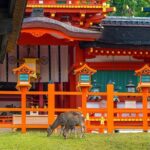
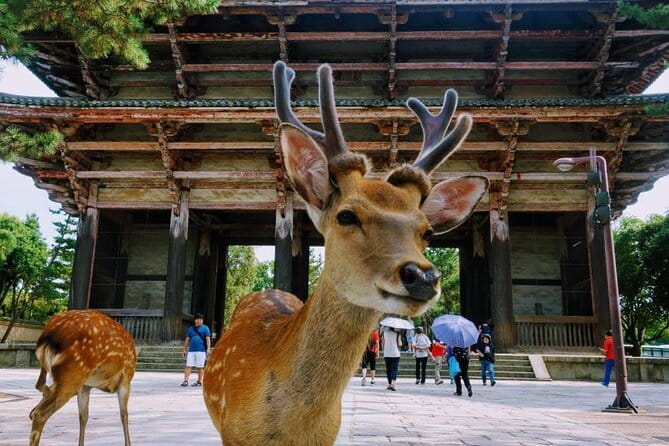
Nara Park is famous for one thing: deer. The vibe here is unusually friendly compared to many animal encounters, and you’ll get about 20 minutes to spend with them.
You can buy deer crackers to feed them. The deer are considered sacred messengers, and they tend to act tame around humans. That makes this one of those rare travel moments where the interaction is part of the experience—not just scenery.
Two practical considerations:
- The deer can be bold. Keep your snacks sealed until you’re ready to feed them.
- This is short time, so don’t waste it standing back. Walk in, feed once, take photos, and move.
If you’re traveling with kids, this is the stop that usually earns the biggest “I can’t believe this is real” reactions.

Stop 3: Kinkaku-ji Golden Pavilion and Why It’s More Than Pretty
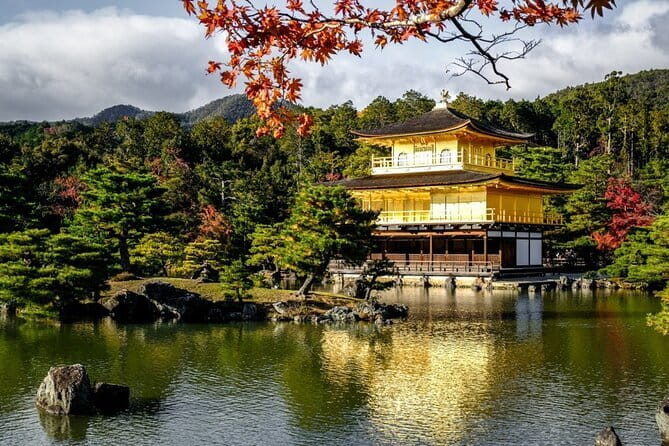
Kinkaku-ji, the Golden Pavilion, is Kyoto’s most instantly recognizable temple. The main attraction is the golden structure reflecting in the pond, surrounded by garden views designed for slow looking.
You’ll get about one hour and admission is included (500 yen). In that time, your guide should help you notice how the temple and garden layout work together—how vantage points shift and how the colors and textures change depending on where you stand.
What can feel “overhyped” in other cities often lands better here because the building is paired with a garden setting. You’re not just viewing a single monument. You’re experiencing it as a composed scene.
A drawback: if it’s crowded, you may feel like you’re watching through other people’s heads. Private touring helps, but it still can’t rewrite physics. Go with realistic expectations, and use your guide to find the best angles quickly.
Stop 4: Arashiyama Kimono Forest at Arashiyama Station
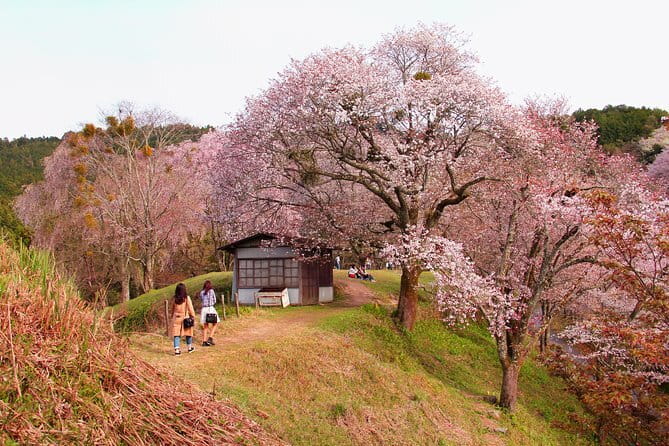
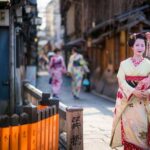
Right after Kinkaku-ji, the route turns toward Arashiyama. The first Arashiyama stop is the Arashiyama Kimono Forest, a colorful installation made of cylindrical pillars with kimono patterns.
You’ll have about 20 minutes here. This is short on purpose. It’s a fun change of pace: a modern pop-art-style art moment mixed with traditional references, located at Arashiyama Station. It’s great for photos, quick wandering, and getting your bearings before you head into the bamboo area.
If you hate rushed “stop-and-snap” moments, this one can either be a relief or a letdown. For many people, it’s a perfect breather—something lighter after temples.
Stop 5: Arashiyama Bamboo Grove, Forest Walk, and Crowd Reality
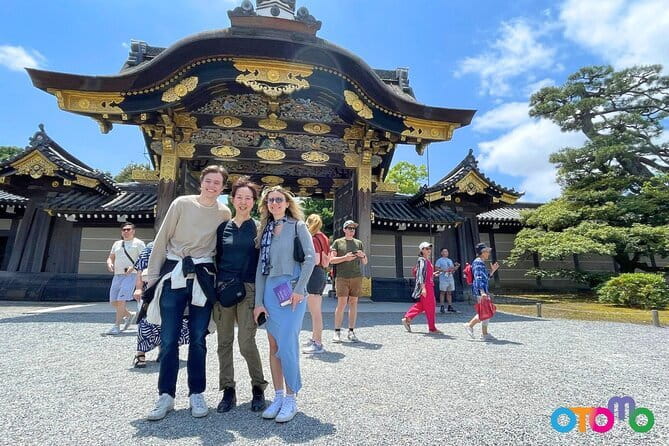
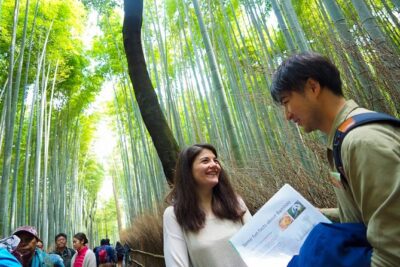
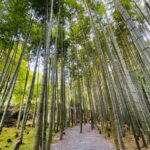
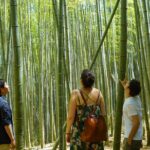
Then comes the main Arashiyama draw: the bamboo grove. You’ll spend about two hours here, which is the right length if you want to actually walk rather than just pass through.
Expect tall bamboo stalks, narrow pathways, and that slightly unreal feeling when the forest seems to stretch upward. The guide’s job is usually to help you find the calmer lanes and keep you moving without making it feel like a race.
The only real consideration is crowd flow. Arashiyama can be packed, especially during peak seasons. A private guide helps because you’re not locked into a group route, but the area still has limits. Wear shoes you’re comfortable walking in for two hours.
Stop 6: Fushimi Inari-taisha and Those Torii Gate Walks
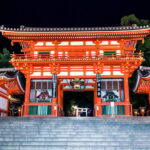
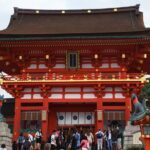
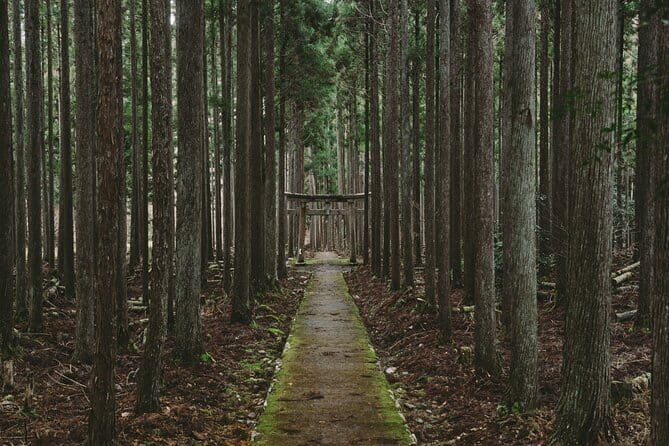
To end the day, you’ll go to Fushimi Inari-taisha Shrine, Kyoto’s torii-gate maze. It’s famous for thousands of vermilion gates forming trails through wooded areas. The shrine honors Inari, associated with rice and prosperity, and it traces back to 711 AD.
You’ll have about one hour here. That’s usually enough to:
- Walk a meaningful portion of the torii paths
- Pause for photos without feeling trapped
- Let the guide explain the shrine layout and why the gates matter
What to consider: the “best” experience depends on your energy. Some people want the full path; others are happy with a lower section and the views through the gates. With a private tour, your guide can help you choose what fits your stamina.
What Your Guide Adds (and Why Some Days Feel Better Than Others)
This tour’s biggest variable is also its biggest benefit: your guide. The plan is set, but the energy isn’t. Many English-speaking guides for this route are known for clear explanations and a warm, friendly style. Some guides you might encounter include Ben (also noted as Yujiro) and Christine, and others such as Caroline have led groups too.
From past day experiences, the strongest guidance looks like:
- Planning the route with peak timing in mind
- Explaining temple and shrine customs so it feels less like sightseeing and more like understanding
- Helping you get great photos without wasting time
Now the balanced part: not every guide-centered day hits the same for everyone. If you want lots of storytelling during the long drives, make that clear at the start. And if you have strict interests—architecture vs. history vs. photo stops—bring them up early so the day matches your taste.
Lunch Time and a Small Tip About Payment
The itinerary structure leaves room for a meal, and several past groups have mentioned an authentic ramen lunch suggestion. A useful practical note that’s worth copying: ask your guide about payment before you sit down. Some popular lunch spots may be cash only, so you don’t want to discover that at the register.
If you’re picky about timing, bring it up early too. This day is long, and you’ll enjoy the temples more if hunger isn’t turning you into a grumpy panda.
Weather Rules and Why They Matter Here
This tour needs good weather. That’s not just “because Japan is moody.” You’ll walk through shrines, temple grounds, and forest paths. If it rains hard, the experience becomes more slippery and less comfortable, especially at Arashiyama.
If poor weather cancels the tour, the operator offers a different date or a full refund (so you’re not stuck taking a bad-weather version of the day).
Should You Book This Kyoto & Nara Private Tour?
Book it if you want a stress-free, private day that hits Kyoto and Nara highlights without forcing you to learn transit routes mid-trip. It’s a strong fit if:
- You’re short on time and want the major stops in one go
- You value hotel pickup and don’t want to wrestle with multiple transfers
- You like guided context, not just photos
- You’d rather pay for convenience than spend your day planning logistics
Skip it (or consider a different style) if you hate packed schedules or if you’re the type who needs hours at one site instead of moving through several. Also, if you’re very particular about the style of narration, you’ll want to set that expectation at pickup so you’re getting the experience you personally want.
FAQ
FAQ
How long is the Kyoto & Nara private tour from Osaka?
It runs about 8 to 10 hours.
Does the tour include hotel pickup from Osaka or Kyoto?
Yes. Pickup is offered from Osaka or Kyoto hotels, and the tour also includes the drive back.
Which entrance fees are included?
Admission fees are included for Todai-ji Temple (800 yen) and Kinkaku-ji Temple (500 yen). Other stops listed are admission-free.
Is there an English-speaking guide?
Yes, the tour includes an English tour guide.
What transport is provided during the day?
You travel in an air-conditioned private vehicle, and parking fees and fuel surcharge are included.
What happens if the weather is bad?
The tour requires good weather. If it’s canceled due to poor weather, you’ll be offered a different date or a full refund.