REVIEW · KYOTO
Kyoto: Kiyomizu-dera, Fushimi Inari & Gion Geisha District
Book on GetYourGuide →Operated by Kyoto Guide · Bookable on GetYourGuide
Kyoto can feel endless, but this one moves with purpose. You’ll tackle Fushimi Inari and Kiyomizu-dera in one half-day, then finish in Gion with clear, practical context about geisha and maiko. The icing on top is the guide’s style: English or Spanish explanations with iPad visuals, plus lots of photo help from Kyoto City Certified Tourist Guide Roberto.
Two things I especially like: you get meaning, not just sightseeing, and Roberto’s photo-taking makes the walking parts easier to enjoy. The tour also includes a classic old-street stroll through Ninen-zaka and Sannenzaka so you’re not rushing from temple to temple.
One consideration: this is a walking and transit-focused route, so it may not be a good match if you have back problems, mobility limits, visual impairments, or lower fitness. Also, Kiyomizudera has an entrance fee you’ll need cash for, and transportation costs aren’t included.
In This Review
- Key things to know before you go
- Four stops that cover Kyoto fast, without feeling chaotic
- Meeting at 7-Eleven JR Kyoto Station: finding Roberto is easy
- Fushimi Inari Taisha: walking the torii route like it has chapters
- Kiyomizudera and the power spots for love, longevity, and study
- Ninen-zaka and Sannenzaka: Kyoto’s old streets, with time to slow down
- Gion district: geisha and maiko facts without the confusion
- Price and value: is $90 per person worth it?
- Logistics, comfort, and what to bring (so your feet don’t file complaints)
- Should you book this Kyoto half-day tour?
- FAQ
- How long is the tour?
- What is the price?
- Where do we meet?
- What’s included in the price?
- What is not included?
- Do we use public transportation?
- What language is the tour offered in?
- Is this tour private?
- Is there any entrance fee we must pay ourselves?
- Is it accessible for wheelchair users or limited mobility?
Key things to know before you go
- A certified Kyoto City guide who explains the why behind the sights
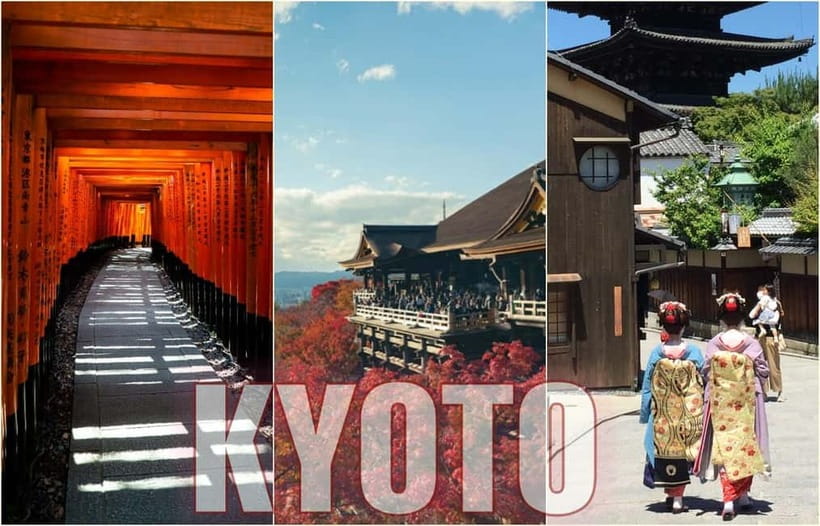
- Fushimi Inari’s torii path as a real Shinto storyline, not just photos
- Kiyomizudera power spots linked to love, longevity, and academic success
- Old-capital lanes in Ninen-zaka and Sannenzaka for atmosphere and easy photo stops
- Gion walking plus clear, non-mysterious facts about geisha and maiko
- Photo support: Roberto can take as many pictures as you want
Four stops that cover Kyoto fast, without feeling chaotic
This is a tight 4-hour half-day that hits three major Kyoto “musts” plus two classic walking stretches, ending in Gion. The pacing is built around short guided time at the top sites, then lighter walking through the streets so you can actually take the place in.
The route also makes sense for first-timers. You start at Kyoto Station, move quickly to Fushimi Inari Taisha, then head to Kiyomizudera—a logical swap because you’ll be walking and climbing in short, manageable blocks rather than trying to do everything in one giant hike.
And the finish in Gion is smart. Instead of dropping you in the middle of nowhere, you end right where it’s easy to grab a city bus or taxi back to your hotel.
You can also read our reviews of more tours and experiences in Kyoto.



Meeting at 7-Eleven JR Kyoto Station: finding Roberto is easy
Your meeting point is straightforward: in front of the door of 7-Eleven Heart-In at JR Kyoto Station, Building 1F, using the Kyoto Tower side exit. Roberto will hold an iPad and a red card that says RBRT—so you’re not scanning faces like a spy movie.
Starting from Kyoto Station is convenient for timing. It also helps if you want to do this before or after another activity nearby, since you’re already in the transport hub.
If you’re the type who likes to show up prepared (I am), plan for the reality of Japan transit: you’ll use public transportation (city bus and train) during the tour, and transportation fees aren’t included.
Fushimi Inari Taisha: walking the torii route like it has chapters
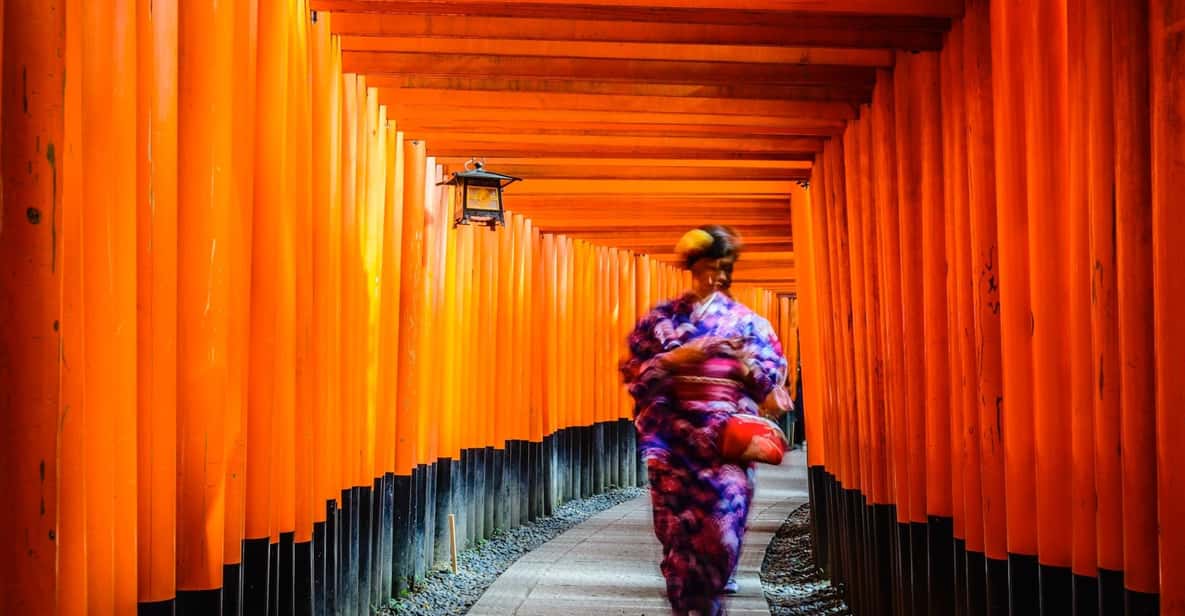
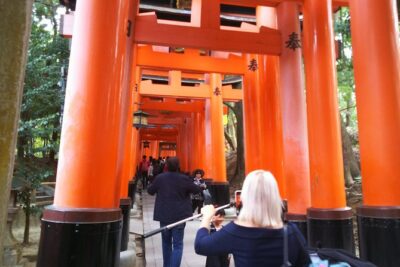
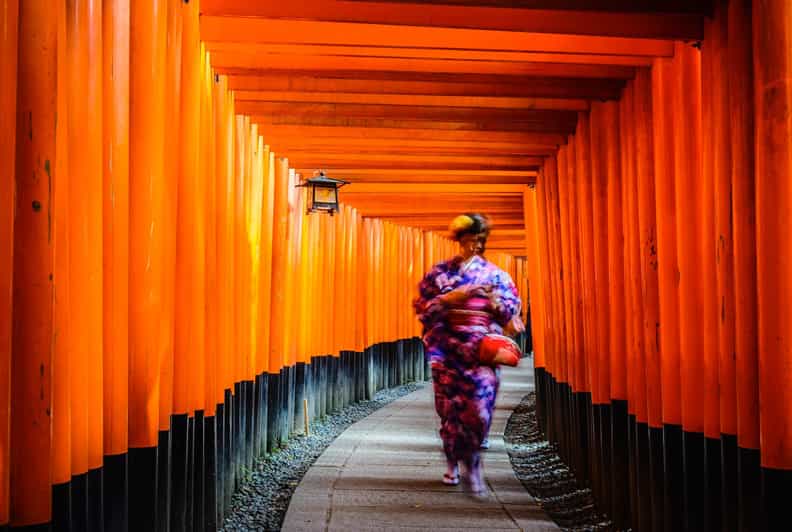
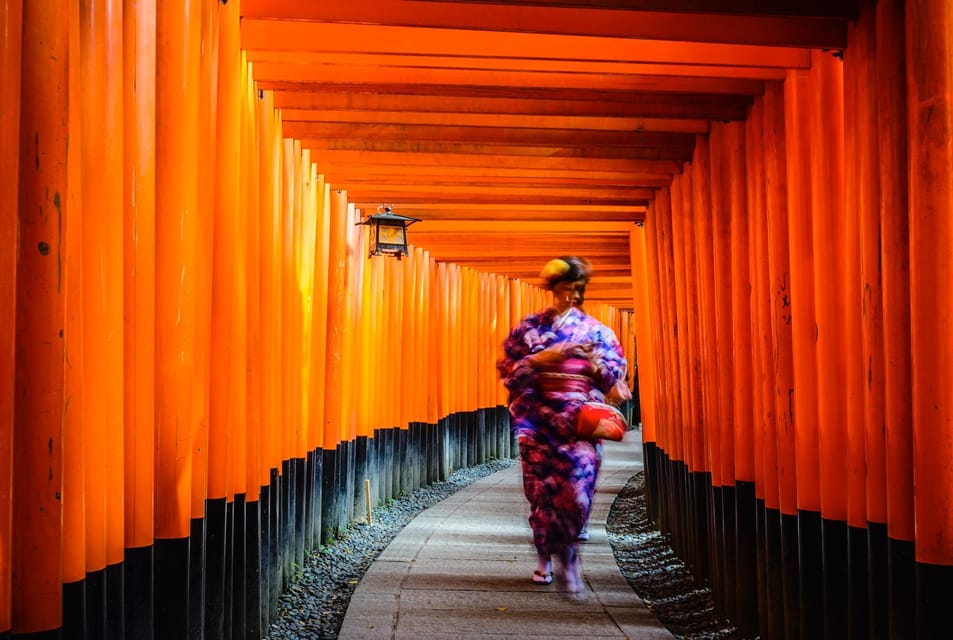
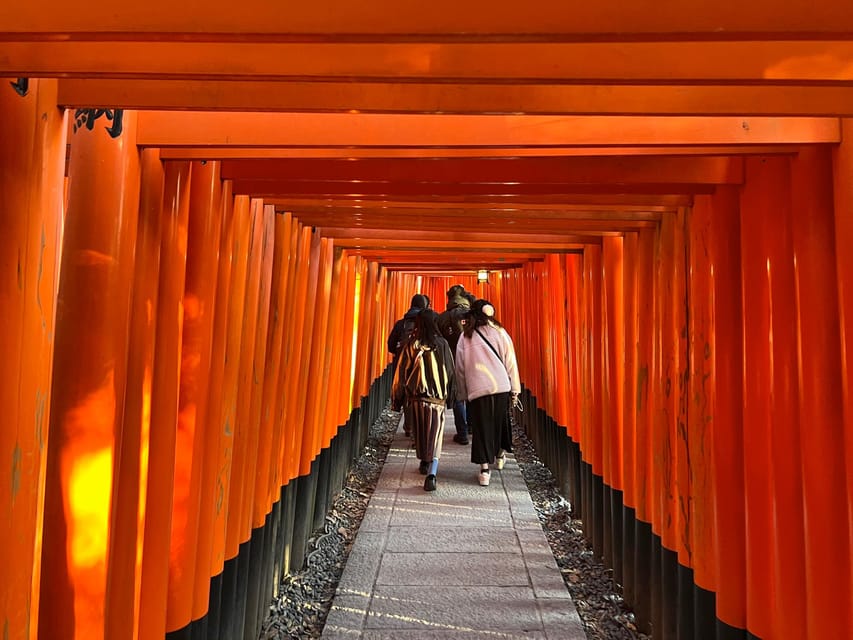
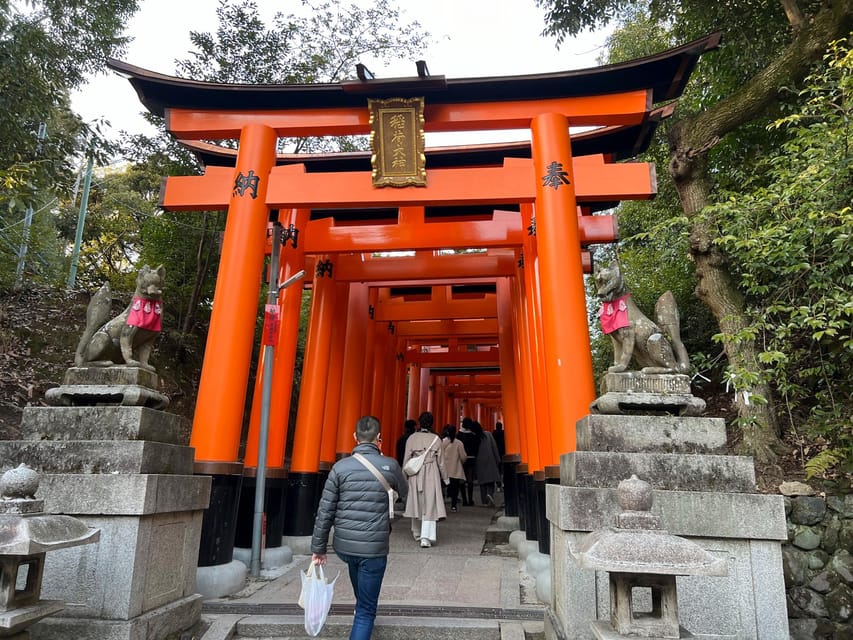
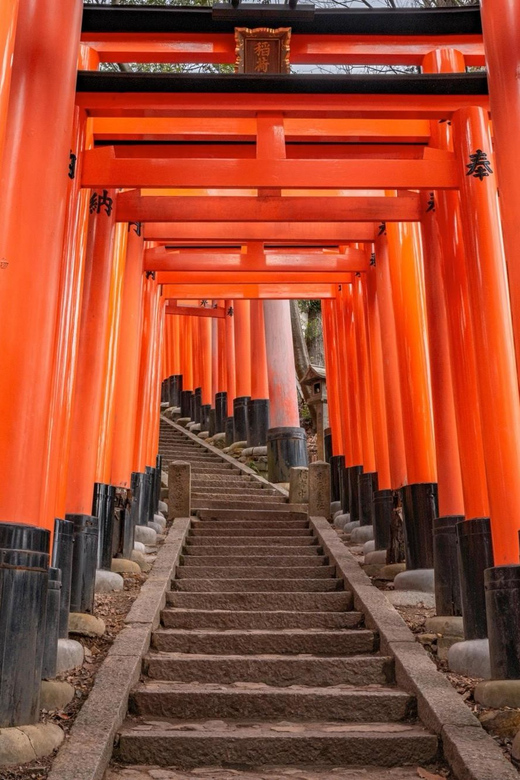
You’ll visit Fushimi Inari Taisha for about 75 minutes, which is just enough time to experience the famous torii tunnel without feeling like you’re sprinting. The big draw here is the trail of 1,000 vermilion torii gates—a path you can read as a living Shinto landscape.
This tour focuses on more than the postcard view. You’ll learn about the shrine’s ancient origins and Shinto connections, which makes the route feel less random. The torii gates stop being “pretty structures” and start feeling like a tradition you’re walking through.
Practical note: the torii route is a long, gradual walk with lots of photo angles. Wear comfortable shoes and expect you’ll want to pause often—there’s no sense rushing if you’re going for both views and understanding.
The transit to the next stop is about 30 minutes by public transport, so you’re not stuck waiting around.
Kiyomizudera and the power spots for love, longevity, and study
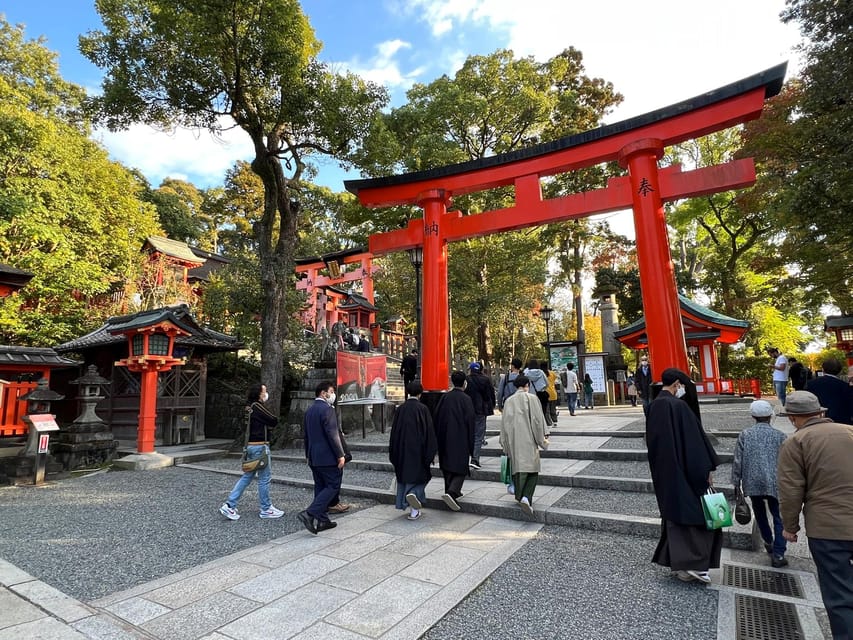
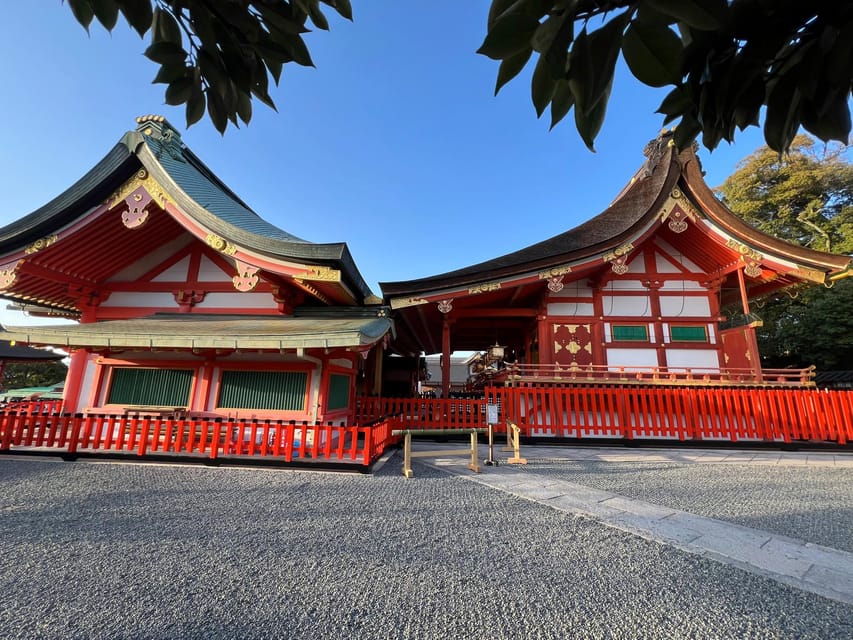
Next up is Kiyomizudera, with around 80 minutes on site. This is one of Kyoto’s most recognizable temples, and what makes this portion extra worthwhile is the guided focus on the temple’s power spots—areas people visit in connection with blessings for love, longevity, and academic success.
If you’ve ever wondered why visitors behave differently at certain corners of a temple complex, this is where the “why” clicks. You’ll get context for how these spots fit into the broader spiritual atmosphere, so you’re not just following a route—you’re understanding the intention behind it.
Two budget notes matter here. First, the Kiyomizudera entrance fee is 500 yen (about US$3.10) and is not included. Second, while your guide’s entrance fees and transportation aren’t something you cover, your own site access still needs to be paid.
Also bring cash. Not everything in Japan is card-friendly, and the tour specifically suggests having cash on hand.
Ninen-zaka and Sannenzaka: Kyoto’s old streets, with time to slow down
After Kiyomizudera, the tour shifts gears to walking: Sannenzaka (about 10 minutes) and Ninen-zaka (about 10 minutes). These are traditional lanes with older-style buildings and the vibe of Kyoto’s past capital days.
What I like about this part is how it balances the intensity of temple sightseeing. Instead of another “major site checklist,” you get atmosphere: merchants’ streets, wooden architecture, and plenty of natural photo stops.
You’ll also appreciate the timing. The walking segments aren’t long enough to drain your energy, which helps if you’re doing this as a first Kyoto activity and you still want to enjoy dinner plans later.
From there, it’s about 12 minutes on foot toward Gion.



Gion district: geisha and maiko facts without the confusion
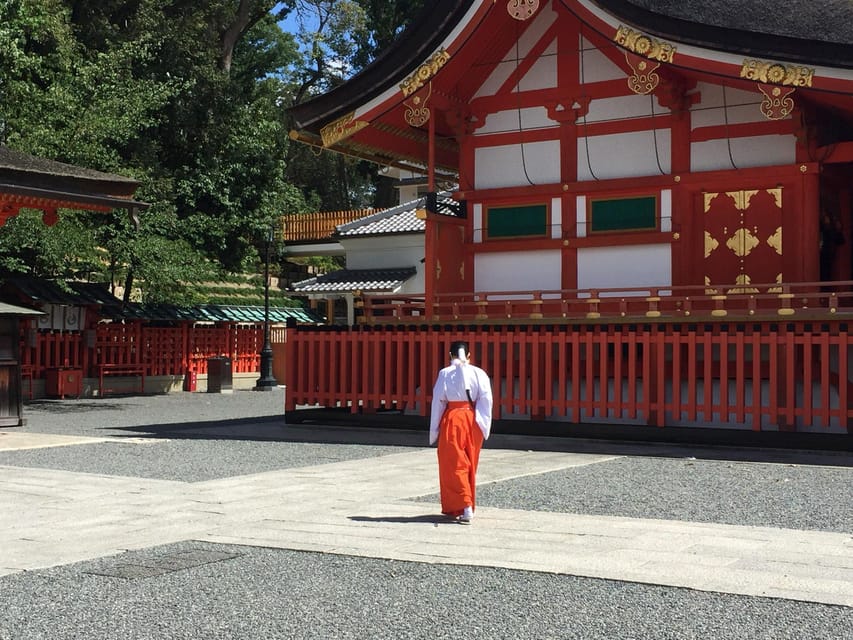
You finish in Gion after a 15-minute walking portion through the geisha district area. Gion is Kyoto’s best-known geisha neighborhood, and you’ll pass along the kind of streets where machiya (traditional merchant houses) create that instantly recognizable look.
This tour doesn’t just point at buildings. You’ll learn the facts about geishas and maiko, so you understand what you’re seeing when you notice teahouses (ochaya) and the different roles people discuss around this culture.
That context matters, because Gion can feel like a blur if you don’t know what’s real versus what’s assumed. With a guide explaining terms and traditions, you’ll walk away with a calmer, more accurate mental map.
After the tour ends, you’re in a practical location. You can take a city bus or taxi back to your hotel without backtracking.
Price and value: is $90 per person worth it?
At $90 per person for a 4-hour private group tour, this pricing works best when you care about two things: understanding and efficiency. You’re paying for a Kyoto City Certified Tourist Guide, plus the added structure of guided time inside the major sites.
Here’s what you’re getting for the money:
- A guide’s expertise and explanation (in English or Spanish)
- iPad visuals to help you follow along
- Photo help: Roberto can take as many pictures as you want
- No need to cover the guide’s own entrance or transportation costs
And here’s what you should budget separately:
- Kiyomizudera entrance fee (500 yen)
- Transportation fees
- Food and drinks (not included)
In other words, the value isn’t only about hitting famous places. It’s about spending your limited hours with someone who can point out what to notice and explain why it matters. For a first Kyoto visit, that can save you from doing “temple tourism” blindly.
Logistics, comfort, and what to bring (so your feet don’t file complaints)
This tour uses public transit and includes multiple walking segments. The basic requirements are simple: comfortable shoes, water, comfortable clothes, and cash for the entrance fee.
You’ll also want to be mindful of what you’re carrying. The tour says no luggage or large bags and no smoking.
Fitness and access are the biggest practical limitations. It’s not suitable for back problems, mobility impairments, wheelchair users, visually impaired people, people over 75, or people with low level of fitness. If any of those apply to you, it’s worth thinking twice before booking—there’s a lot of walking and transit involved.
Should you book this Kyoto half-day tour?
Book it if you want a smart first pass through Kyoto’s top sights with meaningful explanations, not just screenshots. This route is ideal if you like structure—Fushimi Inari first, then Kiyomizudera with those blessing “power spots,” followed by old-street walking and a finish in Gion where geisha and maiko topics finally make sense.
Skip it (or consider a gentler option) if you need low walking time, mobility accommodations, or you prefer to move at your own pace without transit schedules. Also plan your budget: the Kiyomizudera entrance fee and transportation costs sit outside the tour price.
If you’re going to spend 4 hours in Kyoto, this one gives you a lot of return per step—especially thanks to Roberto’s clear teaching style and the extra effort with photos.
FAQ
How long is the tour?
The tour lasts about 4 hours.
What is the price?
The price is $90 per person.
Where do we meet?
Meet in front of the door of 7-Eleven Heart-In at JR Kyoto Station, Building 1F on the Kyoto Tower side exit. Roberto will be holding an iPad and a red card that says RBRT.
What’s included in the price?
Included are a Kyoto City Certified Tourist Guide, explanation with images on an iPad, and photo support (Roberto can take as many pictures as you wish).
What is not included?
Food and drinks, transportation fees, and the entrance fee to Kiyomizudera (500 yen, approx. US$3.10) are not included.
Do we use public transportation?
Yes. The tour uses public transportation (city bus, train).
What language is the tour offered in?
The live guide offers English and Spanish.
Is this tour private?
Yes, it’s a private group.
Is there any entrance fee we must pay ourselves?
Yes. Kiyomizudera entrance fee is 500 yen (approx. US$3.10), and it’s not included.
Is it accessible for wheelchair users or limited mobility?
No. It’s listed as not suitable for wheelchair users and people with mobility impairments (and also not suitable for people with back problems, visual impairments, people over 75, or low fitness).