REVIEW · KYOTO
Kyoto: Fushimi Inari, Kinkakuji, Bamboo Grove 1 Day Bus Tour
Book on GetYourGuide →Operated by Japan Panoramic Tours · Bookable on GetYourGuide
Torii gates and temples in one long day. What I like most is the one-day circuit that strings together major World Heritage sights, and the English-speaking guide who keeps the history understandable as you move from stop to stop. You still get the big Kyoto magic—especially when you finally walk the red torii tunnel at Fushimi Inari.
The trade-off is pace: you’ll cover a lot of ground, including stair climbs and hills, and the timing is tight enough that you can’t treat each stop like an all-day wandering session.
In This Review
- Key highlights worth getting excited about
- The 9-hour Kyoto plan: why this route works
- From Tully’s Coffee to Kyoto Station: start-to-finish logistics that reduce stress
- Kiyomizudera: the terrace view you’ll feel in your calves
- Sanjusangen-do: 35 columns and 1,001 Kannon statues in one long hall
- Arashiyama lunch break and Togetsukyo Bridge views
- Sagano Bamboo Forest: the walk that makes the day feel mystical
- Tenryuji and Kinkakuji: gardens and gold in one direction
- Nijo Castle: a pass-by that still adds context
- Fushimi Inari Taisha: how to enjoy the torii tunnel without rushing
- Guides that make the difference: Den, At-Chan, Sakura, and more
- Price and value: is $122 worth it for a first Kyoto day?
- Who should book this Kyoto day bus tour (and who shouldn’t)
- Should you book it?
- FAQ
- Where do I meet for the Kyoto tour?
- How long is the tour?
- Which main stops are included?
- Is lunch included?
- Are entry tickets included?
- What languages are available with the audio headsets?
- Is this tour wheelchair accessible?
Key highlights worth getting excited about
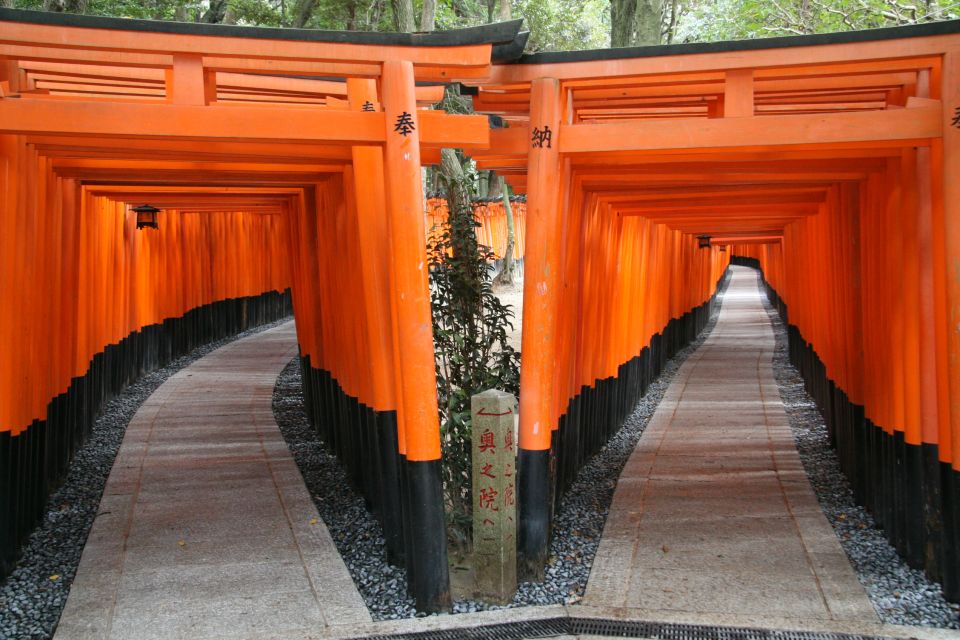
- Fushimi Inari’s torii tunnel at the end of the day, after you’ve already seen Kyoto’s other heavy hitters
- Three World Heritage entries plus other icons in one tight schedule, so you don’t waste precious Kyoto days
- Live English guide with headset audio (Spanish, French, Italian, German, Portuguese, Ukrainian) to catch details you might miss
- Arashiyama + Sagano Bamboo Forest timed for a real walk under the bamboo stalks, not just a quick photo
- Golden Temple stop (Kinkakuji) with the ticket handled, so you spend time looking instead of line-managing
The 9-hour Kyoto plan: why this route works
If you only have a short window in Kyoto, this tour is built for that reality. The stops are grouped across the city’s key historic zones, with long travel segments handled by air-conditioned coach, plus tickets provided for several major sites. It’s not a slow “pick one neighborhood” kind of day.
I also like that the tour is designed around big landmarks that people remember: Kiyomizudera for the dramatic view, Sanjusangen-do for the long hall and the thousand-plus statues, Arashiyama for the scenic bridge break, Tenryuji for the garden, Kinkakuji for the gold look, and Fushimi Inari for the torii maze.
And the guide element matters here. Names like Den, At-Chan, and Sakura show up again and again in the accounts you’ll read—people praise how they explain, keep the group moving on time, and help you get photos when you’re solo.
You can also read our reviews of more tours and experiences in Kyoto
From Tully’s Coffee to Kyoto Station: start-to-finish logistics that reduce stress
The meeting point is easy to spot: in front of Tully’s Coffee Kyoto Avanti Store. Check-in is at 7:50 AM, departure at 8:00 AM, and the day ends back at Kyoto Station.
That matters more than you’d think. A morning start gets you into the city’s busiest zone early, and returning at the station keeps you from having to figure out late-day transit right after a long walk. You’re also riding in a comfortable coach with free Wi‑Fi, regular ventilation, and an antibacterial coating on the bus.
One practical tip: wear the shoes you’d use for a full-day hike. Even though you’re on a coach most of the time, temple days in Kyoto add up fast—stairs, steps, and slopes are part of the deal.
Kiyomizudera: the terrace view you’ll feel in your calves
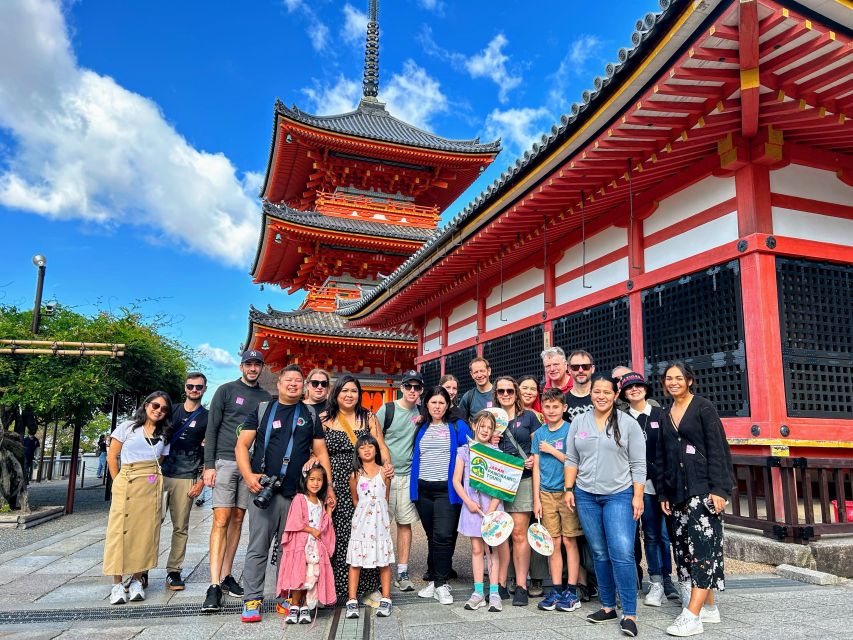
Your first true temple stop is Kiyomizudera. You get about an hour, which is enough time to see the main areas without feeling like you’re sprinting through the whole site. This is one of Kyoto’s classic World Heritage moments, and it’s the kind of place where the view does half the explaining.
The highlight here is the temple’s famous terrace setting. You’ll be able to take in panoramic sights of Kyoto below from the viewpoint areas, then reconnect with what you just learned from your guide about the temple’s long timeline and importance.
If there’s a drawback, it’s crowd flow. Even with a guide keeping the group moving, this is a high-traffic attraction. Go in with a simple plan: find your main viewpoint spots, then linger where you enjoy the sightlines.
Sanjusangen-do: 35 columns and 1,001 Kannon statues in one long hall
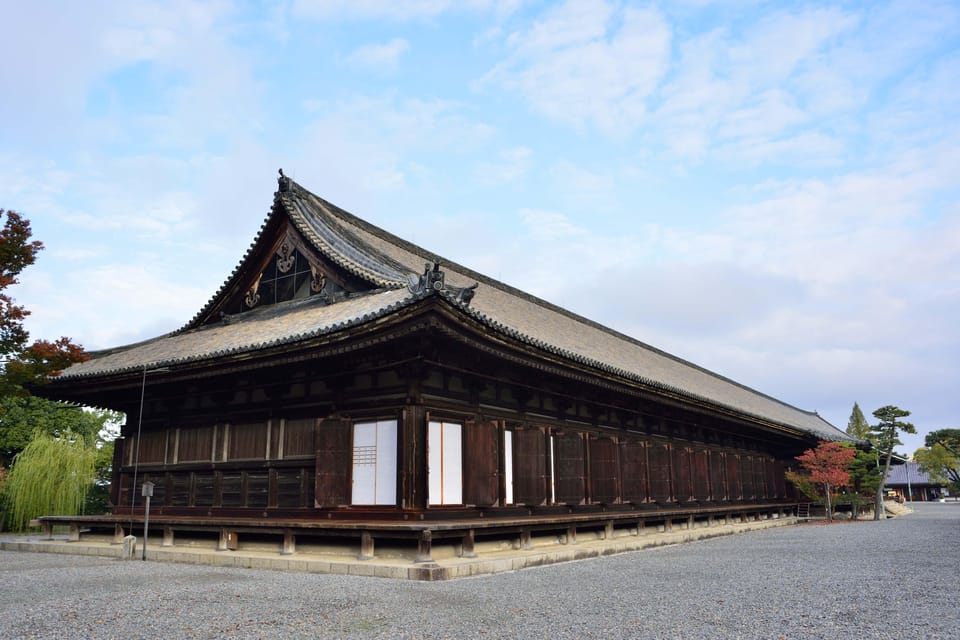
Next up is Sanjusangen-do, also known by the name Rengo-In. You’ll get around 40 minutes, which is the right length for a site that feels best when you slow down inside the hall.
Here’s what makes it memorable: it’s called the temple of 33 spaces (Sanjusan), but the official hall design includes 35 columns dividing the space into 33 parts. Then there’s the star attraction—1,001 Kannon statues, which is the kind of detail that sounds like a number until you’re actually standing in front of the repeating forms.
This stop is a great example of why guided pacing helps. Your guide can help you understand what you’re seeing so the time feels meaningful, not just “look at another temple.”
Arashiyama lunch break and Togetsukyo Bridge views
After Sanjusangen-do, the day moves into the Arashiyama area. This is where the tour gives you a more human rhythm: you get lunch time (about 50 minutes), plus time in the Arashiyama zone before the bamboo walk.
Lunch is a Japanese buffet with seasonal ingredients if you select the lunch option. I like that it’s not a tiny boxed meal; you get choices and can refuel for the walking ahead. The tour notes that there are vegetarian dishes, but it also flags that there are no Muslim-friendly, allergy-friendly, lactose-free, gluten-free meal options. If you have serious dietary restrictions, the safer move is the option without lunch, so you can bring your own food or buy something during your Arashiyama free time.
Arashiyama’s big visual cue is Togetsukyo Bridge, where you can usually take in the area around the river and the classic Kyoto postcard angle. This is also a useful moment to reset—grab water, check your legs, and decide which photos you care about most before the bamboo stop.
Sagano Bamboo Forest: the walk that makes the day feel mystical
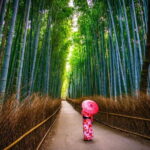
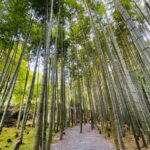
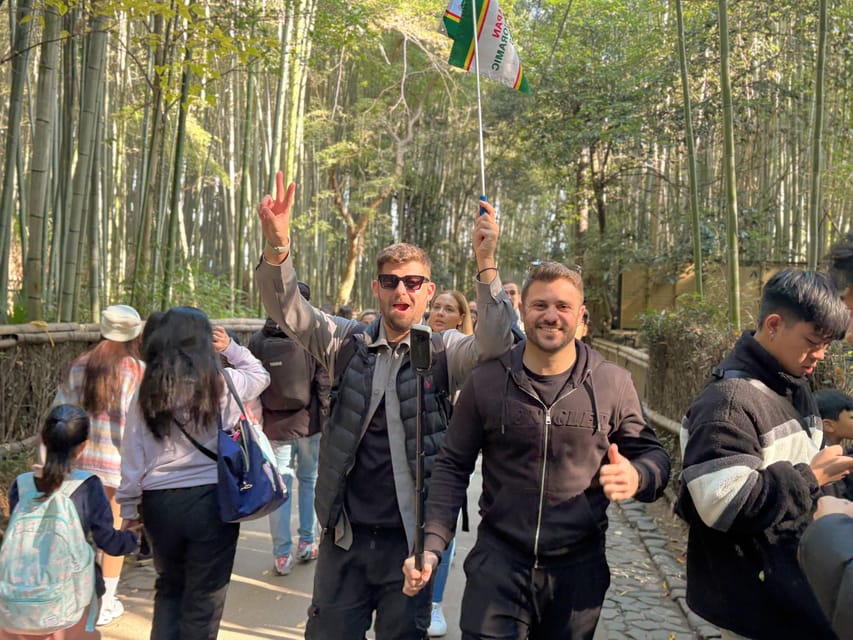
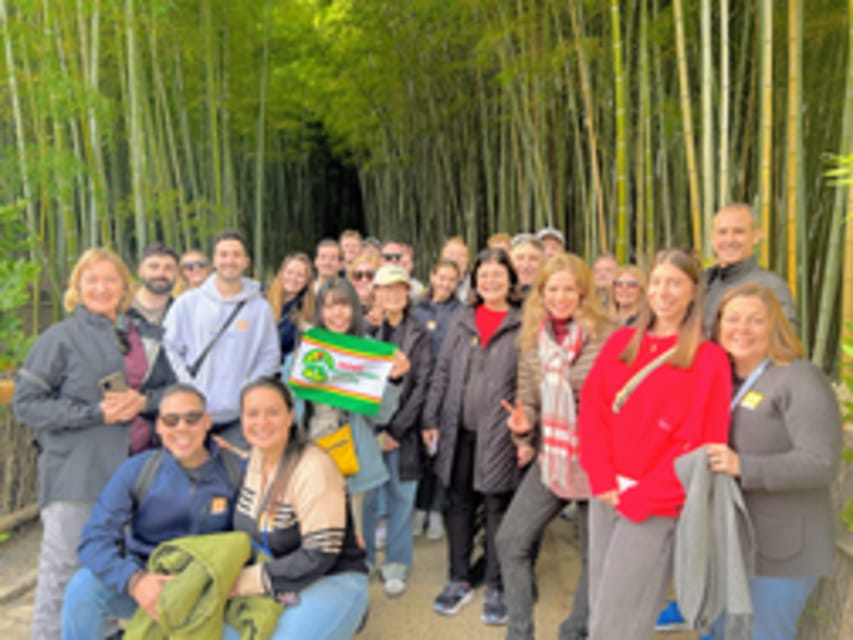
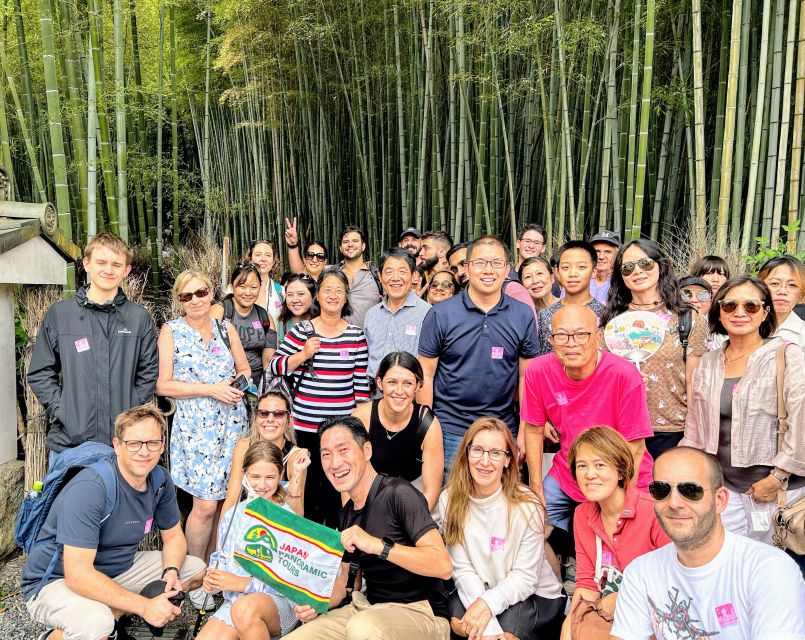
Right after lunch, the tour turns toward Sagano Bamboo Forest. You’ll have a photo stop and a walk (about 20 minutes) through the bamboo groves.
This is one of the places where a short time can still feel special. The walking paths cut through the bamboo and create that tunnel effect, especially when there’s a light wind and the stalks sway. Even if you don’t get perfect “movie weather,” the grove’s rhythm is the point.
A practical note: 20 minutes is not enough for long wandering. If you love slow, quiet nature time, you’ll want to return on your own later. But as part of a one-day highlights tour, this stop gives you the signature look without wiping out your whole afternoon.
Tenryuji and Kinkakuji: gardens and gold in one direction
Once you finish the bamboo walk, the tour heads to Tenryu-ji Temple. You’ll get about 30 minutes, and the key draw is its garden design that’s meant to be appreciated across seasons. This is another site registered as a World Heritage location, and the garden layout is the kind of thing your guide can help you read—what to notice, where to stand, and why certain views matter.
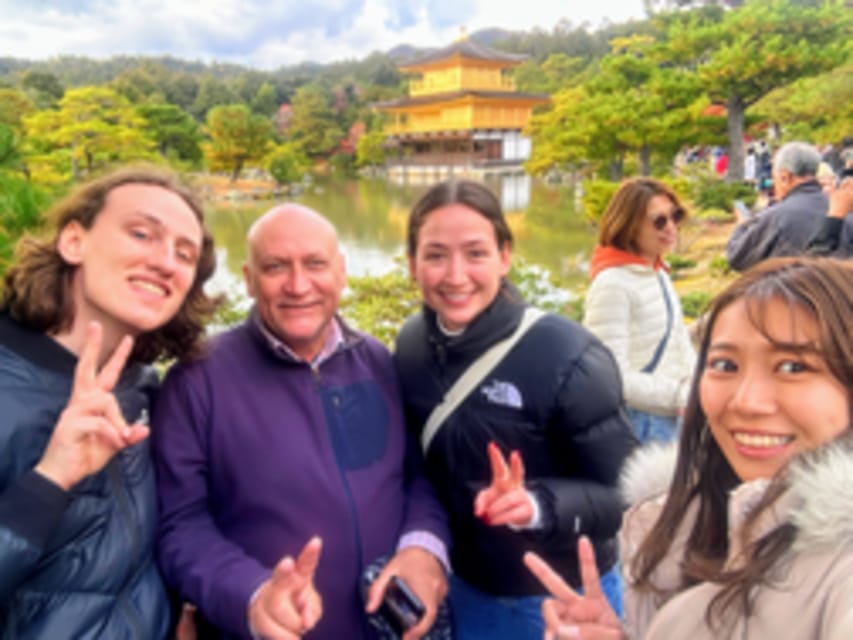
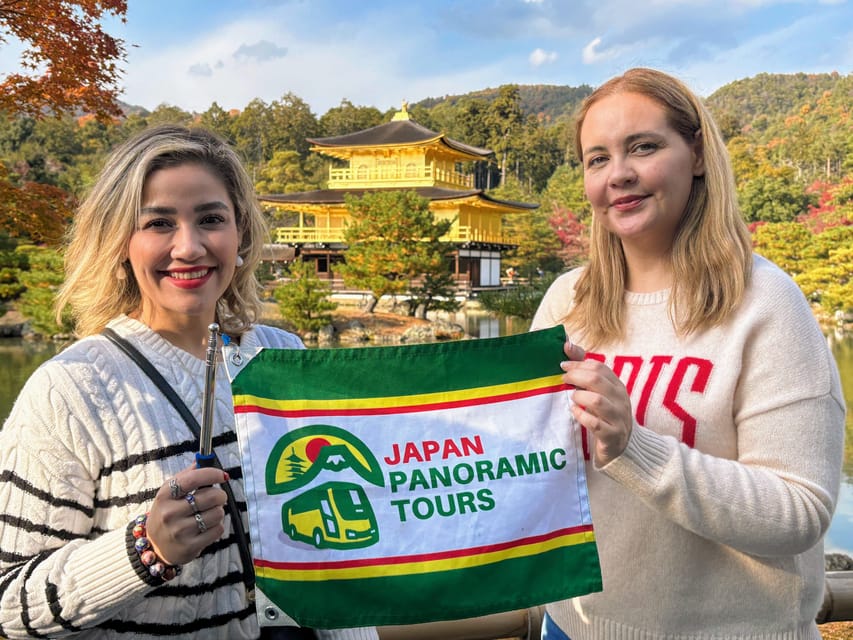
Then comes Kinkaku-ji (Rokuon-ji), the Golden Temple. You’ll spend about 40 minutes here, and this is the stop where the day’s “big Kyoto symbols” all come together. The golden pavilion look is iconic for a reason: it’s visually loud in the best way, and the surrounding temple grounds help it feel intentional rather than random.
Because this is a ticketed stop in the tour package, you can focus on the viewing. Just remember: Kinkaku-ji is not a quick glance-and-go place if you want photos that look like more than a snapshot.
Nijo Castle: a pass-by that still adds context
Between Kinkaku-ji and Fushimi Inari, the coach passes by Nijo Castle. You’re not meant to tour it on this schedule, but seeing it from the road gives you a sense of scale and adds another layer to the “this is all connected” feeling of Kyoto’s historic areas.
It also helps explain why the tour is able to hit so much in one day. You get a taste without taking time away from the sites that the tour includes as full stops.
Fushimi Inari Taisha: how to enjoy the torii tunnel without rushing
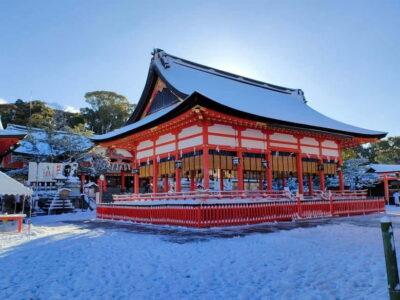
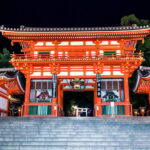
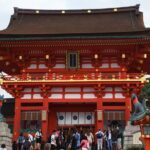
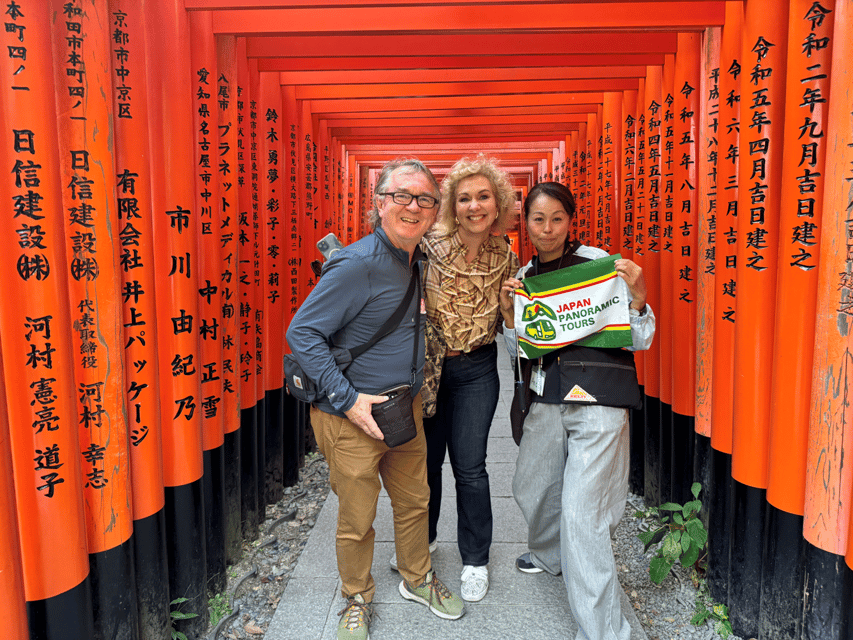
The grand finale is Fushimi Inari Taisha Shrine, with a visit of about one hour. This is the moment people talk about because it’s unique: thousands of red torii gates, forming tunnels as you walk deeper into the shrine paths.
Timing is built in here. It’s late enough in the day that you’ve already seen the major temples, so the torii tunnel feels like a different kind of Kyoto—not just another building to photograph. It also gives you a chance to compare how you feel after a full day of walking. Some people are ready to keep climbing; others prefer staying closer to the early torii lines.
A simple strategy: pick a point you want to reach, then turn back when you hit it. That way you don’t feel torn between wanting more gates and wanting to keep the day pleasant.
Also, bring patience. Fushimi Inari draws crowds, and that one-hour window is designed for a good experience, not a marathon climb.
Guides that make the difference: Den, At-Chan, Sakura, and more
I’m putting the guide front and center because this tour is packed. When the guide is strong, the day feels organized instead of chaotic. Multiple guide names show up in the experiences people share: Den is praised for energy, humor, and clear explanations; At-Chan gets called out for warmth and helping solo travelers with photos; Sakura earns credit for engaging storytelling and good group control; Nagomi, Mai, and Tommy are also repeatedly mentioned for keeping the pacing tight and the explanations easy to follow.
You’ll usually hear live commentary in English, plus you can use included audio headsets (Spanish, French, Italian, German, Portuguese, Ukrainian). That headset option is great if you want a repeat on something your guide said while you’re mid-walk.
If you’re the type who likes quick cultural grounding before you arrive at a sight, this format works well. If you want total freedom to wander at your own pace, you’ll need to treat this as a “see the highlights today” day, not an all-day slow soak.
Price and value: is $122 worth it for a first Kyoto day?
At $122 per person for about 9 hours, the value depends on what you’d otherwise do with your time. If you’re trying to cover World Heritage stops without building a private plan, the bundled structure saves effort. The tour includes live guide support, coach transportation with Wi‑Fi, and entry tickets for several major sites: Kiyomizudera, Sanjusangen-do, Tenryu-ji, and Kinkakuji.
You’re also paying for the “in-between” parts: getting from one historic area to the next without worrying about transit timing, then having someone hand you tickets and keep group movement steady. When you compare that to doing the whole route solo—especially with limited Kyoto days—this price starts to look less like a splurge and more like time insurance.
Lunch is optional, but it’s included only if you pick that option. Since dietary accommodations are limited (no lactose-free, gluten-free, and no Muslim-friendly or allergy-friendly meals stated), the lunch add-on can be a miss if your diet needs strict control.
My bottom line: this tour makes sense for first-time Kyoto visitors who want the headline temples and shrines without spending extra time planning.
Who should book this Kyoto day bus tour (and who shouldn’t)
This tour fits best if you:
- Want to hit Kyoto’s best-known sites in a single day
- Like learning context while you walk
- Prefer guided ticket handling over solo planning
- Are comfortable walking stairs and hills and keeping pace with a group
It may not be the best fit if you:
- Need a wheelchair-friendly or mobility-first itinerary (the tour notes it’s not suitable for wheelchair users or people with mobility impairments)
- Want long stays and slow wandering at each stop
- Have serious dietary restrictions that require specific meal types beyond what’s stated
If you’re traveling with kids (some families mention easy management for pre-teens), this kind of structured day can work well because the pace stays active and the guide provides constant explanation. But keep expectations realistic: it’s still a long day of moving.
Should you book it?
If your Kyoto schedule is tight, I’d book it. The combination of major landmarks, included tickets, coach comfort, and a guide who helps you understand what you’re looking at is hard to beat for a first pass through the city. Fushimi Inari alone is worth planning for, and this tour makes it happen without you stitching together five separate transit days.
Skip the lunch option if your diet is complicated, and pack the right shoes. If you do that, you’ll get the best version of this tour: a full-day snapshot that’s fun, efficient, and still feels like Kyoto.
FAQ
Where do I meet for the Kyoto tour?
You meet in front of Tully’s Coffee Kyoto Avanti Store. Check-in is at 7:50 AM and departure is at 8:00 AM.
How long is the tour?
The tour runs for about 510 minutes, which is roughly 9 hours.
Which main stops are included?
The tour includes visits to Kiyomizudera, Sanjusangen-do, Arashiyama, Sagano Bamboo Forest, Tenryuji Temple, Kinkaku-ji, and Fushimi Inari Taisha Shrine. Nijo Castle is passed by.
Is lunch included?
Lunch is included only if you select the lunch option. The lunch is a Japanese buffet, and the tour says there are vegetarian dishes, but no Muslim-friendly, allergy-friendly, lactose-free, gluten-free, or vegan-friendly meals are available.
Are entry tickets included?
Yes for Kiyomizudera Temple, Sanjusangen-do Temple, Tenryuji Temple, and Kinkakuji Temple.
What languages are available with the audio headsets?
Audio headsets are available in Spanish, French, Italian, German, Portuguese, and Ukrainian.
Is this tour wheelchair accessible?
No. The tour is not suitable for wheelchair users or people with mobility impairments.