REVIEW · KYOTO
Hike and explore the Kurama and Kibune ancient Paths
Book on Viator →Operated by Snow Monkey Resorts Tours (Machinovate Japan Ltd.) · Bookable on Viator
One quiet walk can change how you see Kyoto. The Kurama–Kibune ancient paths trade crowds for cedar forest air and temple-to-shrine atmosphere, starting at Kurama-dera and ending at Kifune Shrine. I love how the route mixes spirituality with real mountain hiking, and I also love the payoff at the end: that famous red lantern staircase and wish paper tied to water.
You’ll also appreciate the built-in support. This is a guided experience with an English-speaking guide, plus included transport from Kyoto Station area up into the hills, and admission where it applies. The one consideration is that the trail includes steep, uneven sections and stairs, and it can feel tricky in wet or hot weather, so bring steady shoes and be ready for a workout.
In This Review
- Key things to know before you go
- From Kyoto Tower Sando to Kurama Station: the start that saves time
- Kurama-dera Temple: where the hike begins with views and guardian statues
- The Kurama–Kibune forest path: the real work (and the best photos)
- Down into Kibune: swapping stairs for village calm
- Kifune Shrine and the red lantern staircase: water magic at the end
- Price, group size, and why $165.18 can actually make sense
- What to bring and how to pace yourself on uneven mountain ground
- Who this Kurama–Kibune hike fits best
- Should you book this Kurama and Kibune hike?
- FAQ
- What is the duration of the Kurama–Kibune hiking experience?
- Where does the tour start and what time?
- How long is the hiking and temple time at Kurama-dera?
- What kind of trail conditions should I expect?
- How many people are in the group?
- Is lunch included?
- Is there any refund if I cancel?
Key things to know before you go
- Kurama–Kibune link: This is a point-to-point walk that connects two mountain villages by ancient paths.
- Forest hiking with stairs: Cedar woods, steep steps, and uneven footing are part of the experience.
- Temple + shrine rhythm: You get Kurama-dera first, then forest hiking, then Kifune Shrine.
- Water-themed wish ritual: At Kifune, you can write wishes on water-activated omikuji.
- Small group: Maximum of 12 travelers, which usually means more time with your guide.
- Good value includes entry/transport: Entry fees and transportation are part of the tour price.
From Kyoto Tower Sando to Kurama Station: the start that saves time
Your day starts at 9:30 am at the Starbucks Coffee – Kyoto Tower Sando (the Kyoto Tower area). That meeting point is practical because it’s easy to find and fits well with a first-morning plan in central Kyoto.
From there, you’ll use public transit to get north: the Karasuma Subway Line to Kokusaikaikan Station, then a short walk (about 15–20 minutes) to Iwakura Station. After that comes the scenic piece: the Eizan Railway ride. It’s about 30 minutes, and it does what train rides in Japan are good at—slow you down and shift you out of city mode before you ever lace up hiking shoes.
I like this approach because it avoids the “take a bunch of separate trains and hope you pick the right one” feeling. You also keep your energy for the trail, instead of spending your morning figuring out station-to-station transfers.
You can also read our reviews of more hiking tours in Kyoto
Kurama-dera Temple: where the hike begins with views and guardian statues
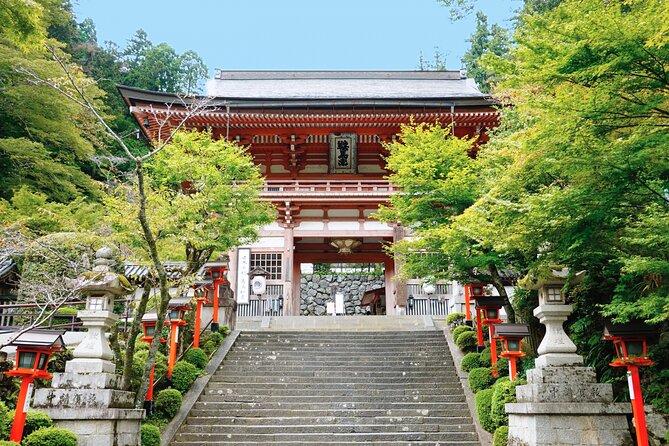
Stop one is at Kurama-dera, a historic temple on the slopes of Mount Kurama. You’ll spend about 2 hours here, which is a sweet amount of time: long enough to see the key areas without turning it into a rushed checklist.
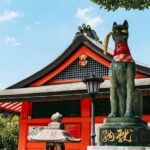
What makes Kurama-dera special is the combination of temple atmosphere and mountain perspective. The main hall area is known for panoramic views, so even if the weather is only fair, the setting feels like you’ve already climbed into a different world. You’ll also see guardian statues, which add that sense of protection and symbolism that temple sites in Japan often lean into.
Practical note: since your day begins with elevation already, your legs will start warming up sooner than you might expect. If you have stiff knees, take your time during the first stretch and don’t try to power through the stairs right away. A calm start makes the forest section much more enjoyable.
Also, since admission is included for this stop, you don’t need to stop and buy tickets on-site. It keeps the day flowing.
The Kurama–Kibune forest path: the real work (and the best photos)
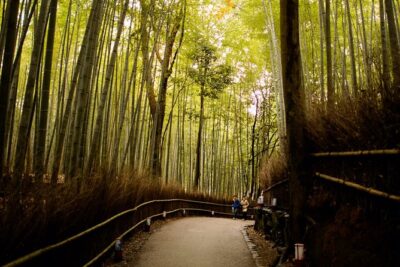
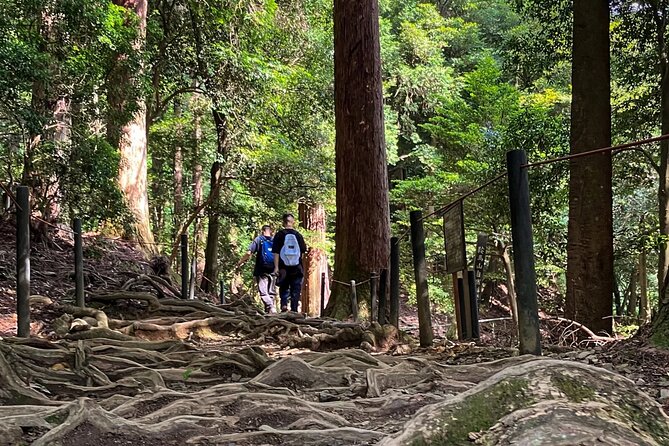
After Kurama-dera, you transition into the main hiking segment—dense cedar forests, hidden shrines, and lots of steep stairways. This section is where the Kurama–Kibune story becomes physical.
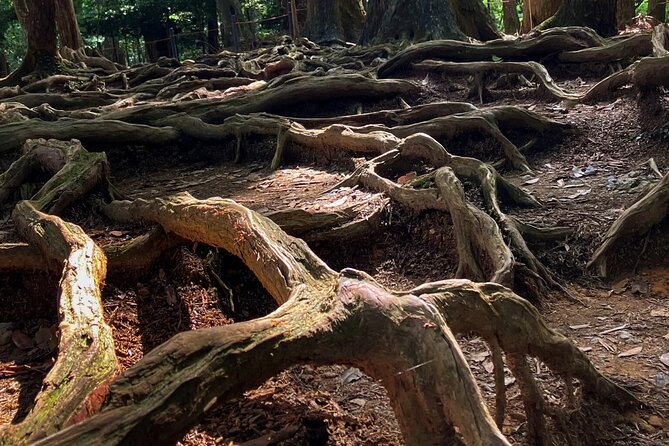
You’re walking on a rugged trail, and it can be uneven in parts. Navigation is not hard when you have a guide, but the ground can be. In wet weather, moss and damp stone can make footing feel less predictable. In hot weather, the stair climbing can feel longer than it looks on a map. That’s why having the guide’s pacing matters.
This is also where your guide earns their keep. A guide named Justin is specifically mentioned for sharing stories and insights beyond the usual tourist pattern, including details that help you notice sacred points along the way. Even if you’re not the type who reads every sign, your brain starts mapping the route because your guide explains what you’re seeing and why it matters.
From a “value for your time” perspective, this segment is the heart of the tour. You’re not just moving between two attractions—you’re experiencing how the old route likely felt for monks, villagers, and travelers who came through the mountains long before Kyoto’s modern pace took over.
Down into Kibune: swapping stairs for village calm
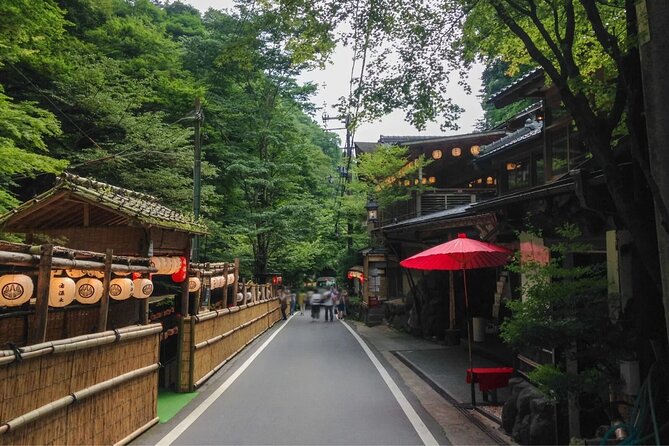
The hike then descends toward Kibune, turning the volume down after forest effort. The shift is noticeable: you go from steep stairs and cedar shade to a calmer village feel.
This part of the tour matters because it gives you a breather. It’s easy to forget how much energy you spent on elevation while you’re still in the thick of walking. By the time you reach Kibune, you’re ready to slow down and focus on the shrine experience rather than just surviving the climb.
If you’re planning your day around comfort, this is where you’ll feel the smartest “pace” choice your guide makes. Even when the trail is steep, the group stays together, and you don’t get stuck waiting for people who moved too fast earlier.
Kifune Shrine and the red lantern staircase: water magic at the end
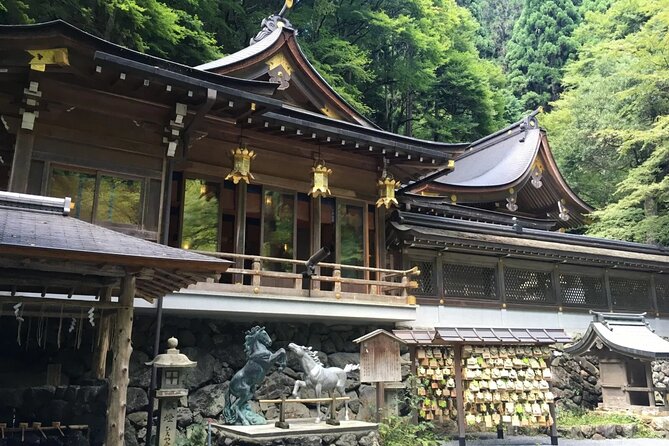
Stop two brings you to Kifune Shrine, dedicated to the goddess of water and rain. You’ll spend about 3 hours total for this portion, including the walk down into Kibune and time at the shrine.
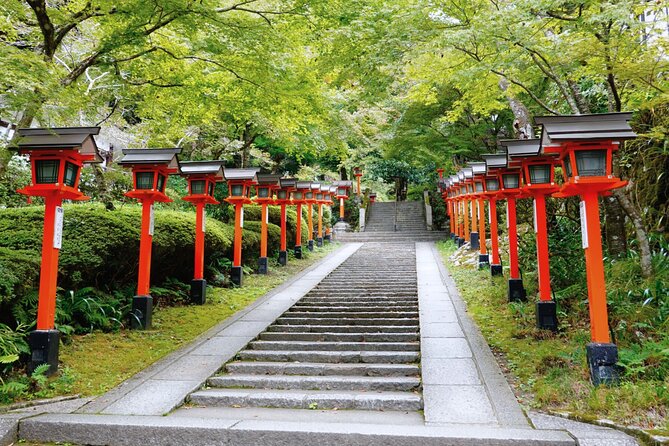
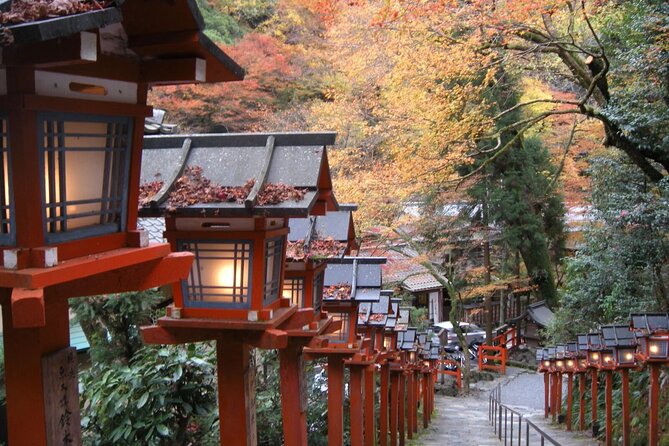
Kifune is famous for the iconic red lantern-lined staircase. If you like Kyoto photos that don’t scream “big tourist landmark,” this is the vibe: strong color, strong symbolism, and a setting that feels made for slow wandering. The staircase isn’t just pretty. It’s part of the way Kifune invites you into the theme of water and the prayers people bring with them.
One of the most memorable details is the chance to write wishes using water-activated omikuji. You’ll place your wish in a ritual designed around water, which makes the experience feel interactive instead of just observational. It’s also a great moment to settle your thoughts after the hike. Your body is moving less; your mind can catch up.
This stop is also listed as admission free in the tour schedule for this portion, which adds extra value. You’re paying mainly for the guided experience, the guided pacing, and the structured transport between all these points.





Price, group size, and why $165.18 can actually make sense
The tour price is $165.18 per person for about 5 hours 30 minutes on the mountain route. That number can look steep until you break it down into what’s included:
- English-speaking guide
- Transportation during the tour
- Entry fees at tour locations
- A small group (maximum of 12)
- Mobile ticket
For a hike day, guided routing is a real cost saver. You don’t have to solve how to get from Kyoto Station to the trailhead yourself, and you don’t have to figure out what you’re looking at once you’re out there. That’s especially helpful on an uneven route with stairs.
Also, this tour is typically booked about 43 days in advance on average. That’s not “panic,” but it’s a signal that the schedule fills, especially for visitors trying to pack in northern Kyoto experiences.
If you’re the kind of traveler who likes to do one big “main activity” per day without juggling logistics, this price is easier to justify.
What to bring and how to pace yourself on uneven mountain ground
The tour is rated for travelers with moderate physical fitness. That’s accurate in the sense that the trail has steep parts and stairs, not in the sense that you need to be a mountaineer.
Here’s how to set yourself up for a smoother day, based on what the route requires:
- Wear non-slip shoes. The terrain is uneven, and wet conditions can make it more challenging.
- Plan for some leg burn after Kurama-dera. The forest section includes steep stairways, so keep your first climb easy.
- Bring water and a light snack if you need one, because lunch isn’t included.
- If you’re traveling in extreme heat, slow your pace. Your guide will help keep the group steady, but you’ll still feel the climb.
A small-group hike also changes how you should think about pacing. With a maximum of 12 travelers, you’re less likely to be isolated on the trail, which helps you stay focused and safe without feeling like you’re part of a slow-moving crowd.
Who this Kurama–Kibune hike fits best
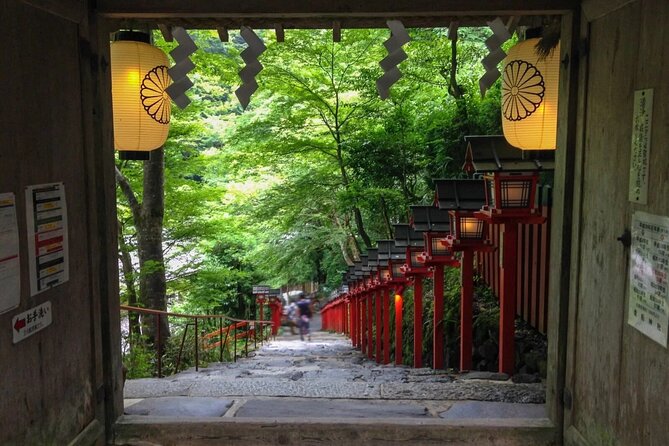
This is a great fit if you want Kyoto that feels calmer and older—less “photo stop,” more “walking through a story.”
You’ll likely enjoy it most if:
- You like temples and shrines, but you also want a day with movement.
- You don’t mind stairs and uneven ground, as long as you have a guide.
- You prefer a structured route that connects transportation and guided interpretation for you.
- You want a smaller-group experience rather than a big group bus day.
You might think twice if you have mobility limitations that make steep stairways difficult, since the trail is specifically described as steep and uneven in parts.
Should you book this Kurama and Kibune hike?
I’d book if your goal is authentic-feeling north Kyoto with a real hiking component and spiritual stops that aren’t just window dressing. The combination of Kurama-dera (views and guardian statues), a guided trek through cedar forests and steep stairs, and then Kifune Shrine with the lantern staircase and water-activated omikuji is a strong arc for one half-day.
Skip it (or choose a gentler plan) if stairs and uneven footing are a problem for you, especially in wet weather. Also, if you hate hiking unpredictability, remember that this is a mountain route, not a flat stroll.
If you’re flexible, bring good shoes, and you’ll get a day that feels like it belongs to the mountains of Kyoto—not just the grid of downtown.
FAQ
What is the duration of the Kurama–Kibune hiking experience?
The tour is approximately 5 hours 30 minutes.
Where does the tour start and what time?
The meeting point is Starbucks Coffee – Kyoto Tower Sando, and the start time is 9:30 am.
How long is the hiking and temple time at Kurama-dera?
You’ll spend about 2 hours at Kurama-dera.
What kind of trail conditions should I expect?
The route includes steep and uneven sections and stairways, and it can be tricky in wet or hot weather.
How many people are in the group?
This experience has a maximum of 12 travelers.
Is lunch included?
No. Lunch is not included.
Is there any refund if I cancel?
Yes. You can cancel for a full refund if you cancel up to 24 hours in advance of the experience’s start time.