REVIEW · KYOTO
Pure Silver Spoon Making Workshop in Kyoto
Book on Viator →Operated by OKUMURA · Bookable on Viator
A real silver spoon in Kyoto? That’s the hook. This hands-on workshop lets you craft a pure silver teaspoon-style spoon from start to finish, with guidance along the way. It’s also in a quieter corner near Shugakuin Imperial Villa, so you escape the hardest tourist crowds.
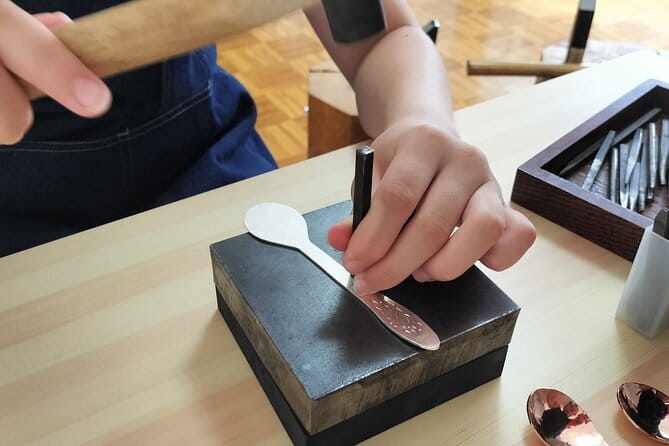
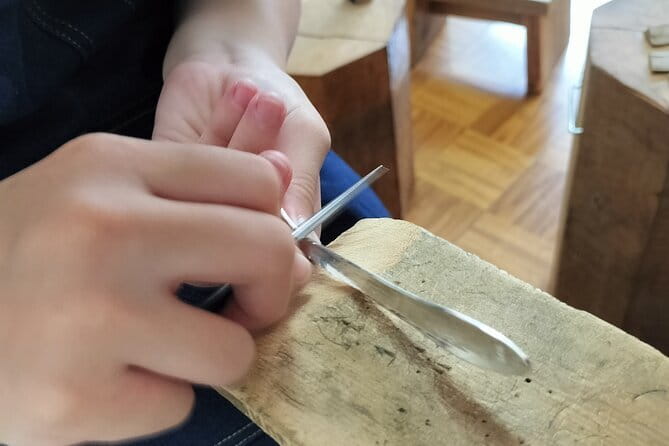
I like that the process is very practical. You stamp or chisel your pattern, hammer it into shape, then smooth and polish step by step. You can even polish the final surface yourself, so the spoon feels personal rather than like a finished souvenir.
One consideration: you’re paying for real silver craft time, so it’s not a cheap ticket. And it’s designed for a small spoon size (about 12cm long), so don’t plan to use it as a full-size table spoon.
In This Review
- Key things to know before you go
- Why this pure-silver spoon workshop feels so different in Kyoto
- Finding the studio near Shugakuin Imperial Villa
- The 2.5-hour flow: from pattern stamping to your final polish
- 1) Start and choose your pattern
- 2) Hammer it into spoon shape
- 3) Smooth the sides with file and burnisher
- 4) Machine polishing by the craftsman
- 5) Your turn: the final abrasive polish
- What you take home: a spoon plus proper presentation
- Price and value: what $141.22 buys you in Kyoto
- Private group energy and the language question
- Who should book this workshop (and who might not)
- Tips to get the best result from your spoon-making session
- Should you book the Pure Silver Spoon Making Workshop in Kyoto?
- FAQ
- Where is the workshop located?
- How long does the workshop take?
- What will I make?
- Is this a private experience?
- What is included in the price?
- What is the finished spoon size and recommended use?
- Do you provide English instructions?
- What is the cancellation policy?
Key things to know before you go
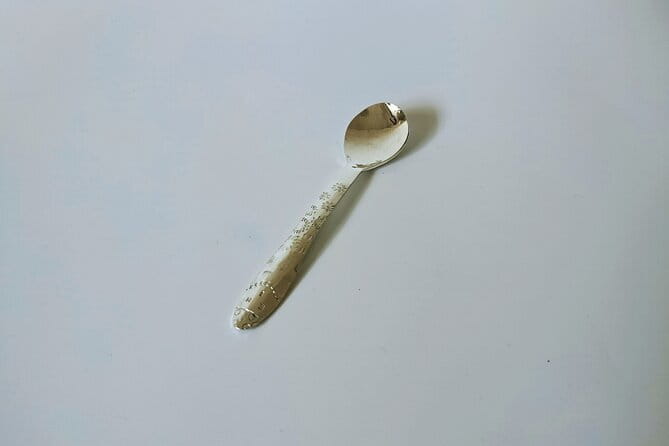
- Pure silver, not plated: you’re making the spoon from actual silver material.
- Pick your own pattern tools: you add your design using a chisel or stamp of your choice.
- Hammering and finishing are part of it: you shape, then file/burnish, then polish.
- Craftsman machine polishing for safety: a polishing machine handles part of the work before you do the final pass.
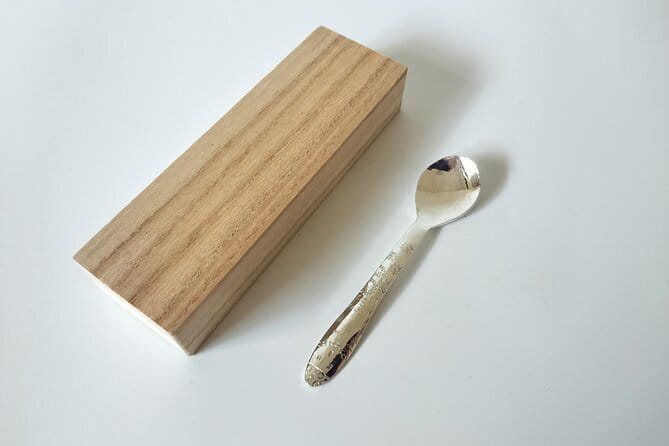
- Take-home presentation: your spoon comes in a paulownia box, plus a polishing cloth.
Why this pure-silver spoon workshop feels so different in Kyoto
Kyoto has crafts everywhere, but most are either “watch and leave” or “simple make-and-go.” This one is hands-on craft work using real silver, and that changes the whole mood. You’re not just decorating something. You’re forming metal into a usable object.
I also like the emotional thread behind it. Silver has long been treated like a protective charm in Japan, and there’s a tradition of giving a silver spoon to a baby for happiness. In this workshop, that symbolism becomes something concrete in your hands.
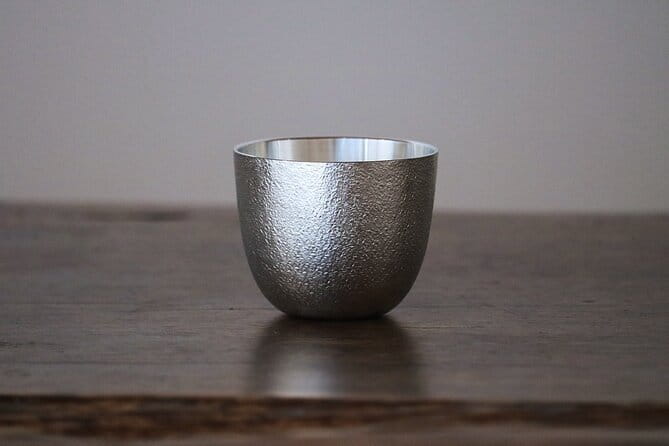
Your final spoon isn’t huge. It’s made for teaspoon use (and the approximate size is 12cm long and 2.7cm wide). So it’s a small, meaningful item—perfect for tea, small bites, or as a thoughtful desk keepsake.
You can also read our reviews of more tours and experiences in Kyoto

Finding the studio near Shugakuin Imperial Villa
The workshop starts at 1-15 Shūgakuin Yamanohanachō, Sakyo Ward, Kyoto. The location is about an 8-minute walk from Shugakuin Imperial Villa, which is great if you’re already planning a calmer day in that district.
It’s near public transportation, so you’re not stuck with a private car. Also, the experience ends back at the meeting point, so you’re not juggling awkward end-of-tour directions.
Practical tip: give yourself a little buffer for walking in Kyoto. Even when it’s a short hop, the streets can be quiet and a bit winding, especially around villa areas.
The 2.5-hour flow: from pattern stamping to your final polish
Think of this workshop as a guided metal-making sequence. You’ll move through shaping, refining, and polishing, with a craftsman assisting you throughout.
1) Start and choose your pattern
You’ll begin by adding your design to the spoon fabric already prepared for you. You do this using a chisel or stamp of your choice. Then comes the physical work—getting the metal into spoon form.
This matters more than it sounds. Your pattern choice affects how the spoon looks in different lighting once it’s polished, so it’s worth taking a minute to pick what you’ll actually like owning.
2) Hammer it into spoon shape
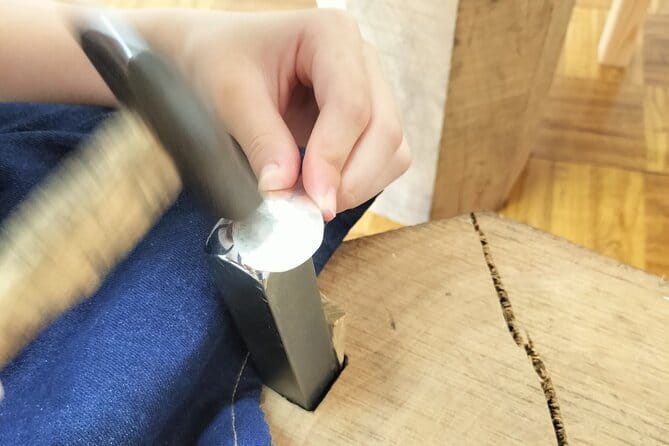
Next you hit the piece with a hammer to form the basic spoon shape. It’s the step that turns a flat piece of metal into something you can recognize instantly.
If you’re the kind of person who likes hands-on work, this is the payoff section. If you don’t enjoy force-and-finish tasks, it may feel like a lot at first—but the craftsman guidance is there to keep you moving.





3) Smooth the sides with file and burnisher
Once the shape is formed, you refine the edges. You’ll smooth the sides using a file and burnisher.
This stage is where metal craft goes from “made it” to “made it well.” A spoon’s edges and feel are what you’ll notice every time you hold it, so the finishing steps are the difference between a pretty object and a satisfying tool—even if it’s small.
4) Machine polishing by the craftsman
After shaping and smoothing, a craftsman will polish using a machine. The workshop description points out that the use of the machine is done with safety in mind.
Machine polishing is also a smart quality control step. It helps bring out even shine without asking you to manage complex polishing at the start.
5) Your turn: the final abrasive polish
Finally, you polish it yourself using an abrasive. This is the part you’ll feel proud of, because you control the last touch.
And because you do it at the end, any tiny decisions you make show up right away—how bright the silver looks, how smooth the surface feels.
What you take home: a spoon plus proper presentation
The workshop includes the materials and the setup needed for you to make the spoon. Included items are:
- Material
- Rental of tools
- paulownia box
- metal polishing cloth
That paulownia box is more than packaging. It makes your finished spoon gift-ready and helps protect it as a keepsake. For most people, that turns the workshop into something you can keep out on a shelf or give to someone without extra fuss.
Size note: the finished spoon is approximately 12cm long and 2.7cm wide. It’s recommended as a teaspoon, not a large dining spoon. If you’re hoping to replace your everyday cutlery, adjust expectations now and see it as a special-purpose spoon instead.
Price and value: what $141.22 buys you in Kyoto
At $141.22 per person, this isn’t a casual “try a craft” stop. But you are paying for several real-cost items at once: actual silver material, tool rental, hands-on guidance, and finishing/polishing steps. You also get a paulownia box and a polishing cloth.
In value terms, this works best if you want something you can’t easily fake. A silver spoon doesn’t behave like a normal souvenir. It’s an object with weight, detail, and real craftsmanship behind it.
Also, the experience is often booked about 30 days in advance on average, which is another quiet clue that people treat this as a must-do Kyoto activity, not an afterthought.
Private group energy and the language question
This is a private tour/activity, meaning only your group participates. Private doesn’t always mean “fancier,” but in workshops it usually means better pacing. You can ask questions without feeling rushed or competing with other people.
Language can be a big fear for Japan craft classes. The review info you provided makes it clear that English instructions were prepared and the hosts were patient. So if you don’t speak Japanese, you’re not walking into a mystery box.
One other nice detail from the reviews: the hosts welcomed people with tea and snacks. That may sound small, but it changes the tone. It turns the workshop into an afternoon you remember, not just a transaction.
Who should book this workshop (and who might not)
I think this is ideal for:
- People who enjoy hands-on crafts and want a real object at the end
- Anyone who likes thoughtful gifts with meaning (silver + paulownia box is a strong combo)
- Travelers who want a calmer Kyoto moment away from the loudest tourist flow
It may be less ideal if:
- You’re expecting a large spoon for everyday table use (this is teaspoon-sized)
- You hate practical tool work like hammering, filing, and polishing
- You’re trying to keep costs ultra-low—this is priced for real silver craft time
Tips to get the best result from your spoon-making session
A spoon workshop lives or dies on small choices. Here are a few ways to help it go smoothly without overcomplicating it.
First, take your pattern choice seriously. You’re selecting a chisel or stamp approach, and once the silver is polished, those marks stand out. If you love symmetry, pick a design that reads well even in close-up.
Second, plan to stay present during the finishing steps. The early hammering and shaping moves quickly. The later polishing is where your spoon becomes visually “yours.”
Third, wear clothing you’re comfortable getting a bit work-adjacent in. The activity involves metal and tool use. Even if you don’t expect mess, craft workshops are still crafts.
Finally, remember what you’re making: a teaspoon-sized spoon meant for special use. If you keep that in mind, you’ll judge the experience by the right standard.
Should you book the Pure Silver Spoon Making Workshop in Kyoto?
If you want a Kyoto craft that’s hands-on, meaningful, and produces something real you can keep, I’d say book it. The combination of pure silver, a structured making process, and a thoughtful presentation in a paulownia box makes it feel like more than a novelty.
I’d hesitate only if you need a bargain price or you’re hoping for a dinner-spoon size. Also, since it’s often booked in advance, don’t wait until the last minute if this is on your Kyoto list.
If you’re the type who enjoys making a small, beautiful object with your own pattern on it, this workshop hits the sweet spot.
FAQ
Where is the workshop located?
The workshop meeting point is 1-15 Shūgakuin Yamanohanachō, Sakyo Ward, Kyoto, 606-8025, Japan, and the activity ends back at the meeting point.
How long does the workshop take?
The experience duration is about 2 hours 30 minutes.
What will I make?
You’ll make a spoon from pure silver, with your chosen pattern added using a chisel or stamp.
Is this a private experience?
Yes. It’s a private tour/activity, and only your group will participate.
What is included in the price?
Included are material, tool rental, a paulownia box, and a metal polishing cloth.
What is the finished spoon size and recommended use?
The finished spoon is approximately 12cm long and 2.7cm wide. It’s recommended for use as teaspoons (and similar small-spoon uses).
Do you provide English instructions?
Yes. The review information indicates that English instructions are prepared, and the hosts were patient.
What is the cancellation policy?
You can cancel for a full refund if you cancel up to 24 hours in advance of the experience start time. If you cancel less than 24 hours before, the amount paid is not refunded.