REVIEW · KYOTO
Kyoto : Chopsticks Making Workshop in Gion with Engraving Option
Book on Viator →Operated by Traveling Kyoto · Bookable on Viator
A chopsticks workshop in Gion is surprisingly satisfying. You start with plain wood blanks and shape them with a traditional kanna hand plane, then finish with sanding and natural oil for chopsticks you can actually use. I also like the engraving option, which turns a simple craft into something personal. One thing to keep in mind: the wood choices are supposed to be specific, and in at least one case only one of the advertised options was available.
This is a beginner-friendly, hands-on session run with English support, so you’re not left guessing. The setting in Gion makes it easy to pair with a walk through the neighborhood after. The whole thing runs about an hour, and the group size is limited, so it doesn’t feel like you’re just being herded through.
Key Points to Know Before You Go
- Traditional kanna carving: You shape your chopsticks using a Japanese hand plane, not just pre-cut sticks.
- Pick your wood for look and feel: You choose from multiple Japanese wood options, with two included at no extra cost.
- Real finishing steps: Sanding and a natural oil coat make the final feel comfortable in your hands.
- Optional engraving: Add your name in Japanese or your native language for a souvenir that feels like yours.
- Small-group atmosphere: The experience caps at 32 people, and staff are there to help in English.
- A practical souvenir: You take home functional chopsticks, not just a decorative keepsake.
In This Review
- Gion Workshop Flow: From Blank Wood to Finished Chopsticks
- Choosing Japanese Wood: How to Pick the Right Look
- Using the Kanna Hand Plane: A Skill You Can Feel
- Sanding, Natural Oil, and the Finish That Makes Chopsticks Pleasant
- Optional Name Engraving: Turn a Souvenir Into Something Yours
- Price and Value: What $15.25 Gets You in Kyoto
- Timing, Group Size, and Getting the Most Out of the Hour
- Who Should Book This Workshop—and Who Might Skip It
- Quick Tips That Help You Enjoy the Session More
- Should You Book This Kyoto Chopsticks Workshop in Gion?
- FAQ
- How long does the chopsticks making workshop take?
- Where is the meeting point in Kyoto?
- Do I need prior woodworking experience?
- What tools and steps are involved in making the chopsticks?
- How does the wood selection work?
- Can I engrave my chopsticks?
- What’s the group size limit?
- Is free cancellation available?
- How do I get my ticket?
Gion Workshop Flow: From Blank Wood to Finished Chopsticks
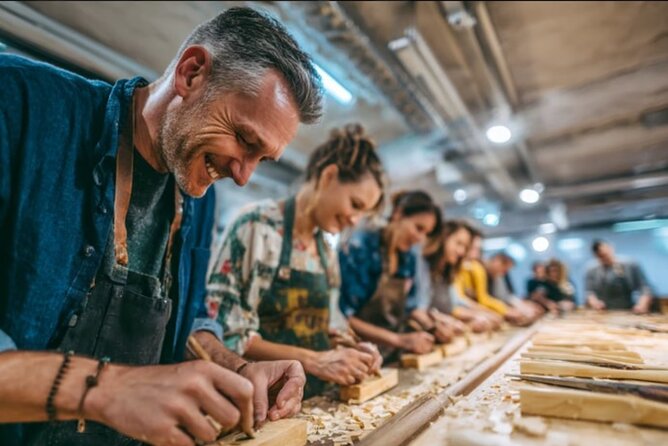
This Kyoto chopsticks making workshop is built around a simple, do-it-yourself sequence that moves at a calm pace. You meet at the Zen Chopsticks Making Workshop in Gion, then you’ll work at your own station for the full session. The workshop runs about one hour, and it ends back where you start, so you can plan the rest of your day without stress.
Here’s how the session typically unfolds. First, you select your wood. Then you carve each chopstick pair into shape using a hand plane, following the instructor’s guidance. After that comes the finishing work: sanding for smooth edges and surfaces, and then applying a natural oil coat to protect the wood and bring out its color and grain.
It’s not just craft-for-craft’s-sake. You’re learning the basic logic of making something usable in everyday life. That means attention to comfort matters—especially at the tips and edges where your fingers land. If you’ve ever tried cheap chopsticks that feel too rough or too slippery, you’ll understand why the sanding and oil step is a big deal.
Also, the workshop style is very hands-on. You’re not watching someone else do the work while you hold a camera. With English-speaking staff available, it’s designed for first-timers who want a real skill they can take home.
Choosing Japanese Wood: How to Pick the Right Look
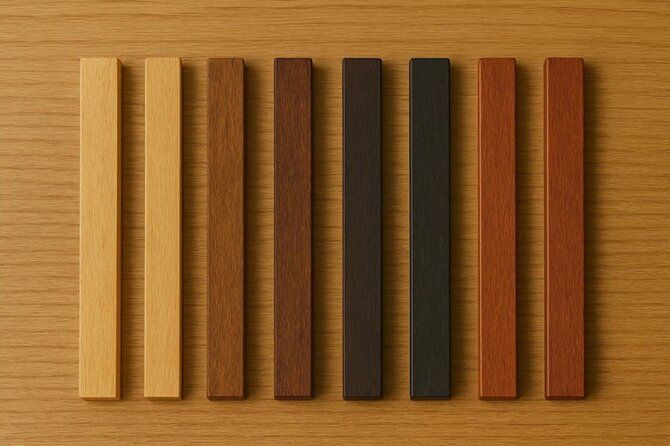
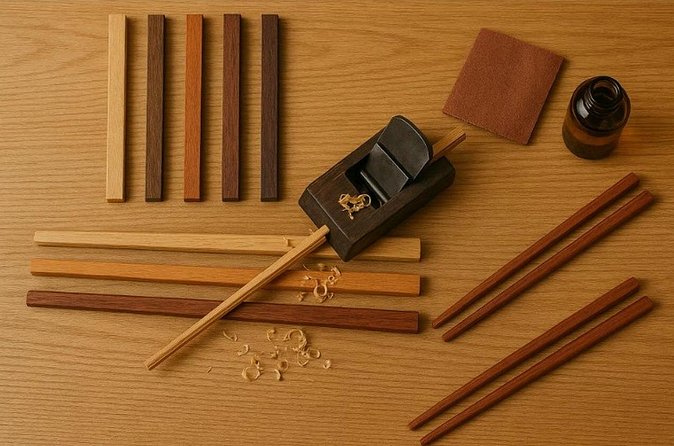
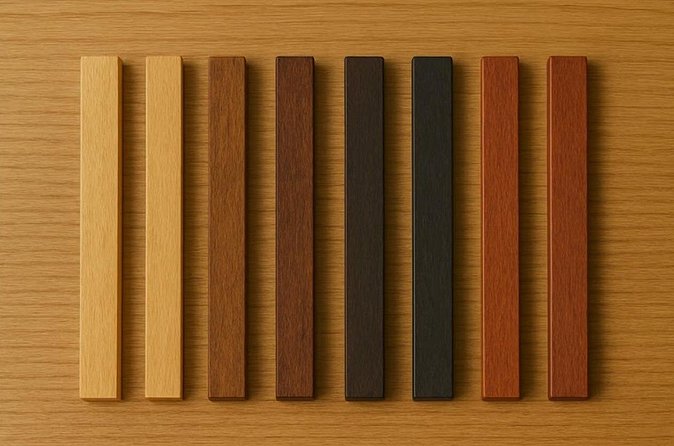
Wood choice is half the fun here, because Japanese woods can look very different once they’re planed, smoothed, and oiled. The workshop offers a selection of Japanese woods, and you can pick based on the tone you like—lighter, darker, or somewhere in between.
Two wood types are included at no extra cost. Premium woods are available as upgrades if you want something extra special. The practical value of this is that you can go budget-friendly while still ending up with chopsticks that don’t look generic. Even with the included options, you’re not just selecting a color chip; you’re choosing a material with its own natural character.
One consideration: in at least one experience, only one of the advertised wood options was available. That doesn’t mean this happens every time, but it’s worth knowing. If you have your heart set on a specific wood type, arrive with a flexible plan. Pick based on what’s on hand when you get there, and treat it like a fun surprise instead of a disappointment.
My advice for making the decision fast: think about where you’ll use these chopsticks later. Lighter woods can feel bright and clean, while darker woods often look more dramatic and traditional. If you’re using these mainly at home, either choice works. If you’re bringing them as a gift, matching the look to the recipient’s style can be a nice touch.
You can also read our reviews of more tours and experiences in Kyoto

Using the Kanna Hand Plane: A Skill You Can Feel
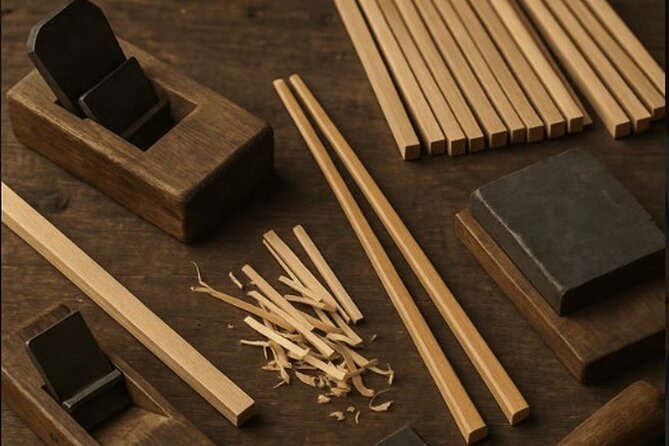
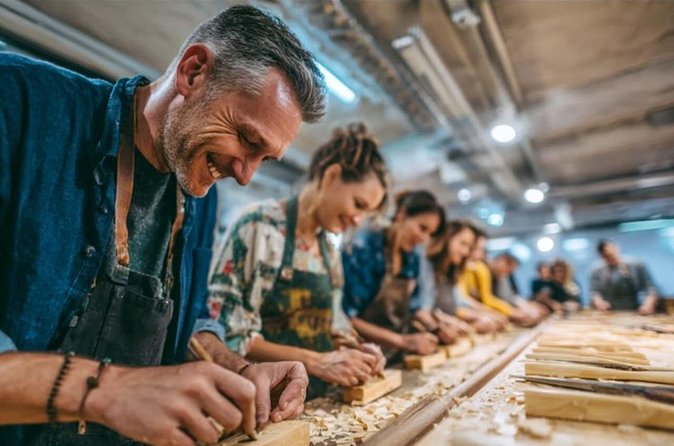
The signature moment is carving with a kanna hand plane. This is classic Japanese woodworking: controlled, tactile, and rhythm-based. You start with rough wooden blanks and shape them carefully into the chopstick form while the instructor explains what to do and why.
What you’ll notice right away is that the tool encourages a slow, careful approach. You feel the grain of the wood as you plane. That feedback matters because chopsticks aren’t just flat sticks. They need subtle shape changes so they sit comfortably in your hands and align properly as a pair.
The instructor guides you through the process from early shaping all the way to smoothing out the form. This is a good workshop if you’ve never done woodworking. It’s structured for beginners, with patient step-by-step direction, and support is available in English.
Safety-wise, you’re using a hand tool under instruction, so don’t treat it like a DIY experiment at home. But the fact that staff walk you through it makes it manageable. The goal isn’t to impress anyone with speed. It’s to get the surface and shape right—then move on to sanding.
A small detail that affects the whole outcome: the earlier shaping determines how much work you’ll do later. If you rush the planing stage, sanding may take longer (and you may end up less satisfied with how crisp the edges feel). If you take your time early, the finishing step feels easier and more satisfying.
Sanding, Natural Oil, and the Finish That Makes Chopsticks Pleasant
After carving, you move into finishing. Sandpaper smooths out surfaces and edges so your chopsticks feel comfortable rather than sharp or scratchy. This is one of the most important steps for real-world use. Chopsticks are held tightly with fingers, and roughness shows up fast.
Then comes the natural oil coat. This isn’t just cosmetic. Oil helps protect the wood and enhances its natural color and grain. That’s what turns plain carved wood into something that feels finished and warm in your hand.
When the oil is applied, the wood’s character becomes more visible. You’ll see the grain patterns better, and the overall tone looks more even and polished. It also helps the chopsticks feel less dry or flat.
If you’re the kind of person who notices small things—like how a kitchen tool feels—this part will click. A good chopstick should glide comfortably and feel steady, not awkward. Sanding and oil are what get you there.
Optional Name Engraving: Turn a Souvenir Into Something Yours
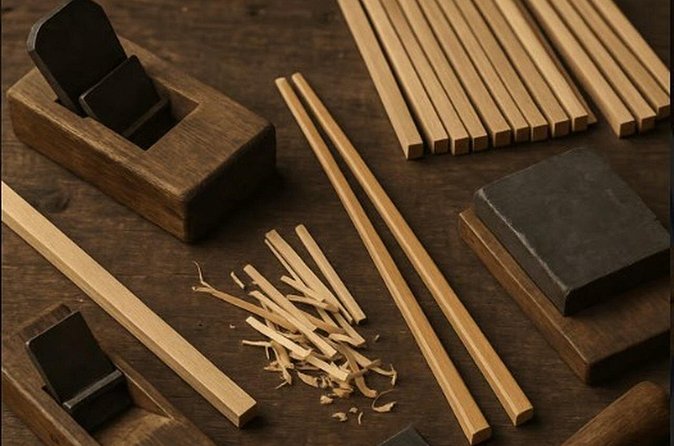
Want your chopsticks to feel less like a generic tourist craft and more like a personal keepsake? The workshop offers engraving as an optional add-on.
You can have your name engraved in Japanese or your native language. That matters because your chopsticks then feel like an object with identity, not just something you made. It’s also a nice gift strategy: you can engrave your own name for future use, or engrave a friend’s name so the pair feels instantly thoughtful.
One practical tip: plan what you want engraved ahead of time. You’ll want to decide on the exact spelling and character set you prefer. If you’re choosing Japanese characters, you’ll likely want to be clear about what you want. If you choose your native language, keep it simple and readable.
From a craft perspective, engraving adds another layer of craftsmanship without taking over the entire session. It’s still a workshop focused on making chopsticks, and engraving just personalizes the result.
Price and Value: What $15.25 Gets You in Kyoto
At $15.25 per person, this is one of the more budget-friendly ways to do hands-on Japanese craft in Kyoto. The value comes from the full process: you’re not paying for a pre-made souvenir or a quick demo. You actively shape the chopsticks, then finish them, then take them home as functional utensils.
You also get a wood selection experience. Two Japanese wood types are included at no extra cost, which is important for value because the look and feel of your chopsticks depend on the material. The optional premium woods let you upgrade if you want a more distinctive grain or color, without forcing everyone to pay more.
Another value point is staff support in English. For a first-timer, clearer instruction means fewer mistakes, smoother progress, and a better final product. It also helps you understand what you’re doing, even if you’re not “a tools person.”
Is there any reason the price might feel less perfect? The one downside to watch is wood availability. If your preferred wood isn’t available when you arrive, you may not get the exact visual result you hoped for. Still, you’ll end up with a real finished pair, and that’s what you’re paying for: a usable craft souvenir made by your own hands.

Timing, Group Size, and Getting the Most Out of the Hour
This activity runs about one hour and has a maximum group size of 32. That’s a meaningful detail. Smaller groups typically mean more time for staff to check in and help you when you’re learning a hand tool. In a short workshop, you want instruction that stays close to the action.
It’s also near public transportation, which matters in Kyoto. You’ll likely be walking a lot anyway, and being able to hop on and off transit without a long detour can save your legs for the rest of your day—temples, streets, or just wandering.
Because it’s one hour, don’t schedule it in the middle of a rushed transfer. Give yourself enough cushion to arrive calmly. You’ll do better, your carving will feel more controlled, and you’ll enjoy the process instead of feeling like you’re fighting the clock.
Also, since it’s in Gion, the timing can pair nicely with a morning or early afternoon plan. You get a structured activity in the middle of neighborhood sightseeing, and then you can wander afterward with a tangible reminder of your trip.
Who Should Book This Workshop—and Who Might Skip It
This is a great fit if you want a hands-on Kyoto activity that produces something you’ll use. I think it’s especially appealing if you like calm, focused work—planing, sanding, and finishing are naturally steady activities. It’s also good for families because the process is beginner-friendly and instruction is provided.
If you’re the type who hates learning anything with tools and would rather watch, you might find it less fun. This workshop is built for doing, not spectating.
If you have a strong preference for a particular wood type and you’d feel disappointed if it’s not available, keep your expectations flexible. The most likely outcome is that you’ll be guided toward another option that still looks great and finishes beautifully.
Finally, if you want a souvenir that isn’t just decorative, these chopsticks check that box. They’re small, practical, and personal—especially with engraving.
Quick Tips That Help You Enjoy the Session More
You don’t need prior experience, but a little strategy helps you enjoy the hour.
- Bring a clear idea of whether you want engraving, and decide what characters you want ahead of time.
- Choose your wood based on the look you want once it’s oiled, not just how it looks before finishing.
- Take your time during planing. Slower early work usually makes sanding feel easier later.
- Wear comfortable clothes for sitting at a station. You’ll be working with your hands and staying put for the session.
- If you care about specific wood types, be ready to adapt to what’s available that day.
Should You Book This Kyoto Chopsticks Workshop in Gion?
I’d book it if you want an authentic-feeling Kyoto experience that’s hands-on and actually useful. The combination of traditional carving with a hand plane, a real finishing process, and the option to engrave your name makes it great value for the price. It’s also well suited for first-timers because the instruction is designed to guide beginners step-by-step.
I would skip it only if you know you won’t enjoy working with tools at all, or if you’re very strict about getting one exact wood option regardless of availability. For most people, the reward is simple: you’ll take home chopsticks you made yourself, with a finish that looks and feels right.
FAQ
How long does the chopsticks making workshop take?
The workshop lasts about 1 hour (approx.).
Where is the meeting point in Kyoto?
You meet at 禅(ZEN) Chopsticks Making Workshop, Gion Kyoto, Yasaka Koji South, machi-71-13 Tamamizu, Higashiyama Ward, Kyoto, 605-0851, Japan.
Do I need prior woodworking experience?
No. It’s beginner-friendly and designed so you can join without any woodworking experience.
What tools and steps are involved in making the chopsticks?
You start with wooden blanks, shape them using a traditional hand plane (kanna), then smooth with sandpaper and apply a coat of natural oil.
How does the wood selection work?
You select from a selection of Japanese woods. Two wood types are included at no extra cost, and premium woods are available as optional upgrades.
Can I engrave my chopsticks?
Yes. Engraving is optional, and your name can be engraved in Japanese or your native language.
What’s the group size limit?
The experience has a maximum of 32 travelers.
Is free cancellation available?
Yes. You can cancel up to 24 hours in advance for a full refund.
How do I get my ticket?
You receive a mobile ticket. Confirmation is received at the time of booking.