REVIEW · KYOTO
Kyoto: Gion Food Tour 13 Dishes at 4 Eateries
Book on Viator →Operated by Traveling Kyoto · Bookable on Viator
Lantern alleys plus 13 dishes is a smart combo. This evening tour strings together Pontocho and Gion at sunset, then lands you at four small eateries for a Kyoto-focused lineup of seasonal bites, snacks, and sweets. I like that it’s not just food. You also get the stories about the neighborhood, including what makes these alleys and teahouse districts tick.
My other big plus is the pacing and variety. You’re walking, stopping, and learning in short bursts instead of doing one long classroom session. The one drawback to flag up front: there’s no vegan or gluten-free support, and the tour also isn’t suitable for celiac or FODMAP needs.
In This Review
- Quick hits before you go
- Why Pontocho and Gion at dusk work so well
- Price and what you’re really paying for
- Meeting point to finish line: a simple plan for your first night
- Stop 1: Pontocho lantern walk and geisha context
- Stop 2: Kyoto neighborhood eating with a culture lens
- Stop 3: Gion lantern streets and hidden-eats energy
- What you might eat: obanzai, yuba, snacks, sweets, and more
- Drinks and pacing: how the tour keeps you from exploding
- The guide matters: what to expect from a small-group night
- Who should book this Kyoto Gion food tour
- Should you book it, or keep searching?
- FAQ
- How long is the tour?
- How many dishes are included?
- Where does the tour start and end?
- Is there an English-speaking guide?
- Is a mobile ticket used?
- Is alcohol included?
- What dietary options are available?
- Is the tour suitable for people with mobility impairment?
- How big is the group?
- Do I need to tip?
Quick hits before you go
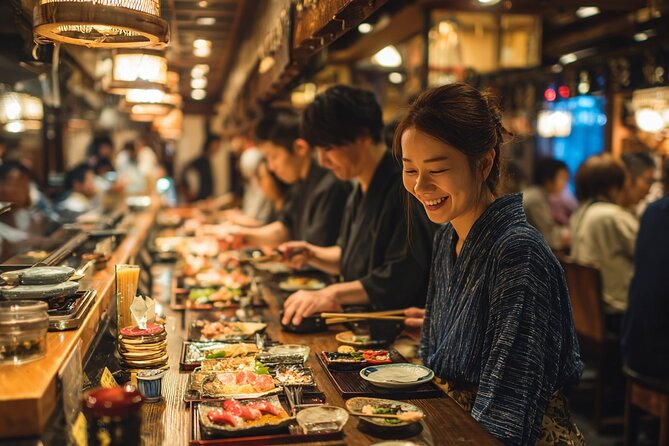
- 13 dishes across 4 eateries gives you a real sampling, not a few tiny tastes.
- Pontocho and Gion at night means lantern-lit lanes and that classic Kyoto atmosphere.
- Geisha and alley history on the walk helps you connect the food to place.
- Small group size (max 10) makes it feel friendly instead of a cattle line.
- One complimentary drink at two eateries is a nice extra without turning it into a party.
Why Pontocho and Gion at dusk work so well
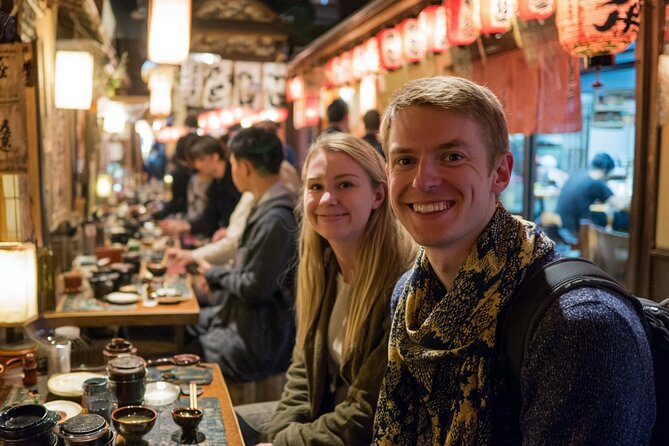
Kyoto’s night scenes can feel like stage sets, especially when lanterns start glowing along narrow lanes. Here, the tour leans into that exact feeling. You begin in the Pontocho area and move through Kyoto’s older streets as the light fades, which makes the history lessons easier to picture.
The value of doing this in the evening is simple: you’re not trying to read signs and maps while you’re hungry. The guide keeps you moving between food stops, while the neighborhood vibe does the heavy lifting. If you love walking at night and want a Kyoto evening that’s more than just wandering, this format hits the sweet spot.
One more practical point: the tour ends near Gion-Shijo Station. That matters because you can keep your evening going with less stress after you’re done eating.
You can also read our reviews of more food & drink experiences in Kyoto

Price and what you’re really paying for
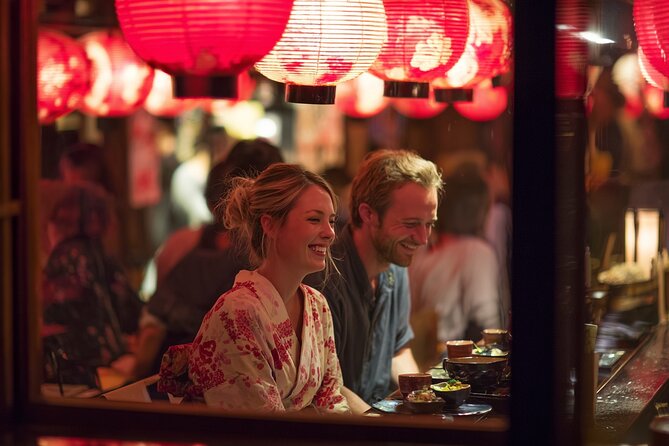
At $72.96 per person for about 3 hours, you’re paying for three things: access to multiple eateries, guided ordering (so you don’t play guessing games), and the storytelling that turns snacks into context.
A lot of food tours claim variety, but 13 dishes is a concrete number. Even if some dishes are small, that count matters when you compare it to tours that offer a few items plus a big plate. Also, you get English-speaking guidance and a mobile ticket, so you can show up and go straight into the evening without a lot of friction.
The “gotcha” for value is dietary limits. The tour explicitly says it cannot cater for vegan or gluten-free, and there is no gluten-free option. If you’re restricted, you may end up with fewer or no dishes that fit. For everyone else, the price feels fair for the meal density and the fact you’re covering multiple parts of Kyoto in one evening.
Meeting point to finish line: a simple plan for your first night
You start at Starbucks Coffee – Kyoto Sanjo-ohashi Bridge in the Nakagyo Ward area, and you end at Gion-Shijo Station in Higashiyama Ward. It’s a sensible setup: Starbucks is easy to find, and finishing at Gion-Shijo lets you transition into shopping, dessert, or a late dinner nearby.
The group is capped at 10 travelers, which usually means you’ll get more human interaction with the guide and fewer waiting gaps between stops. The tour also notes it’s near public transportation, so you shouldn’t need a taxi just to start.
If you’re doing this as your first Kyoto evening, it’s especially useful. You’ll come away with a mental map of where Pontocho and Gion lanes sit relative to each other, and you’ll understand why people romanticize these areas after dark.
Stop 1: Pontocho lantern walk and geisha context
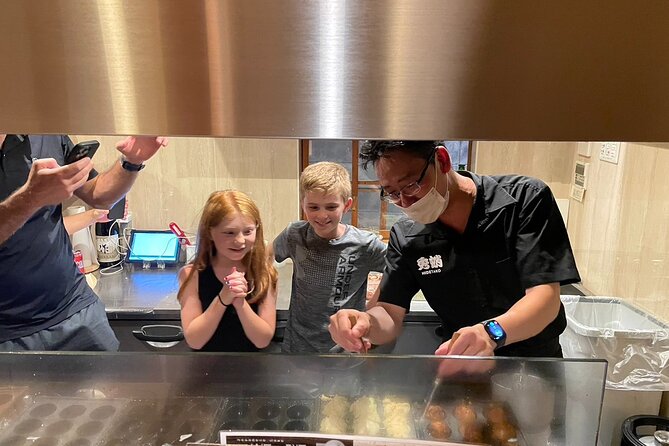
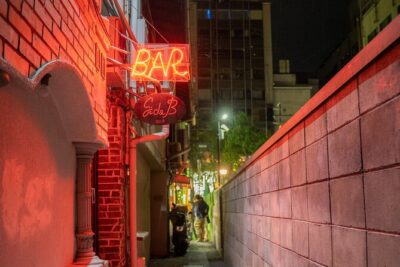
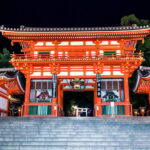
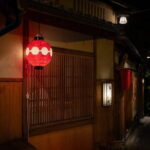
Your first stretch takes you through Pontocho District, including a walk along one of Kyoto’s most photogenic lanes, lit up with lanterns. It’s not just pretty scenery. The guide ties the alley’s look to the role of geisha in Japanese culture, helping you connect what you’re seeing to what the buildings and traditions represent.
This is the stop where the evening gets “real.” Pontocho is famous for its preserved atmosphere, and when you walk it at dusk you can actually see how the district earned its reputation as a destination for evening hospitality.
A small consideration: some eateries in this style of tour can ask guests to remove shoes. If you’re traveling with shoes that are easy to slip off and on, you’ll feel more comfortable. If you hate shoe-removal rituals, wear something that doesn’t slow you down.
Stop 2: Kyoto neighborhood eating with a culture lens
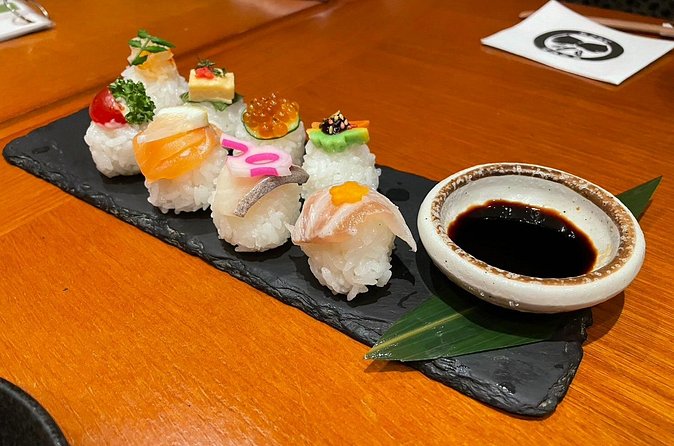
After Pontocho, you spend about an hour exploring Kyoto and nearby eateries. This part is where you typically get a mix of Kyoto-style home cooking and smaller snack-style plates, rather than only one heavy course.
What I like about this section is that it keeps things flexible. Instead of locking you into one type of restaurant, the tour structure supports variety: delicate dishes, savory bites, and sweet items spaced so you don’t feel stuffed too early.
Also, this stop is listed as having admission ticket free, which usually means less time spent on entry logistics and more time eating and learning. You still get guidance, but the day’s rhythm stays focused on your next bite and what it represents in Kyoto cuisine.
You can also read our reviews of more tours and experiences in Kyoto
Stop 3: Gion lantern streets and hidden-eats energy
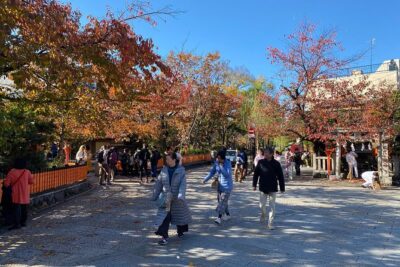
The tour’s final walking stretch is in Gion, where you’ll stroll lantern-lit streets and visit more small, specialty places. This part is designed to make the geisha district feel less abstract. You don’t just hear general facts. You see the streets and you taste what Kyoto-style dining emphasizes.
This is also where the tour can feel a little different depending on your group and timing. One published concern mentioned that the walk felt like more of a single-street experience than a broad exploration of Gion. So if you’re expecting to cover every corner of the district, go with a realistic mindset: plan for a guided evening route focused on a concentrated area rather than a huge self-guided roam.
Still, the overall consensus is that the food and the atmosphere deliver. And when the group is small, the guide can keep everyone together and moving at a comfortable pace.
What you might eat: obanzai, yuba, snacks, sweets, and more
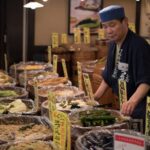
The tour is built around seasonal Kyoto delicacies, and the description highlights several categories: obanzai (Kyoto home-style dishes), freshly made yuba (tofu skin), snacks, local sake, and sweet treats.
From the dish examples people mention in their experiences, you may run into items like:
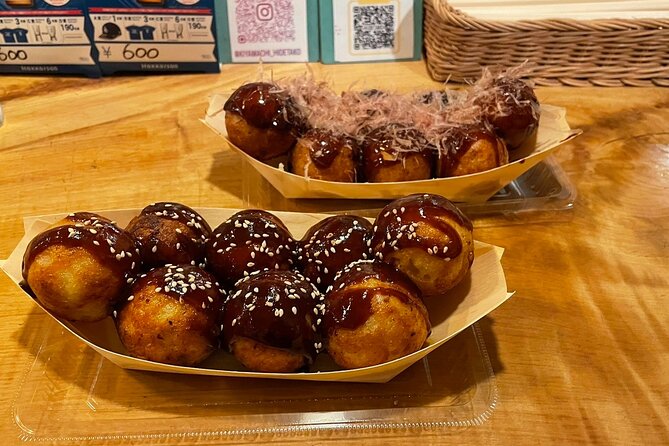
- takoyaki with explanations around differences between Kyoto and Osaka styles
- tempura described as surprisingly sweet and crispy
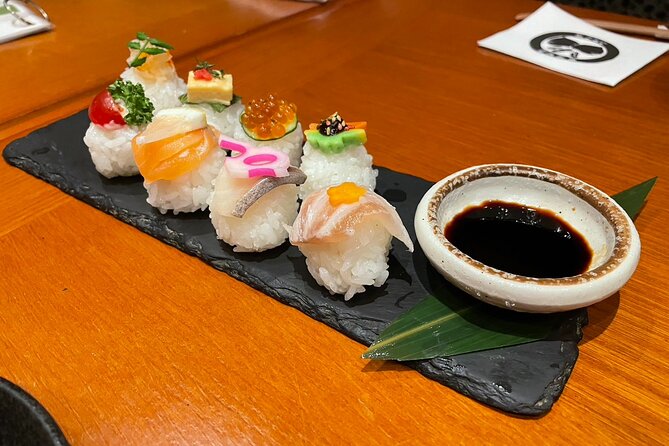
- sushi presentations that look like little pieces of art
- wagyu sushi described as very rich
- taiyaki or custard-filled fish desserts
- drinks like a mandarin citrus beverage that some describe as slush-like
The key point for you: the food choices are meant to feel Kyoto-specific, not generic “Japan tourist food.” When the guide explains what you’re tasting—seasonal timing, ingredient choices, and local preferences—each dish lands better, even if it’s something you could order elsewhere.
One more practical note: the tour includes meals, but it also explicitly can’t cater for vegan or gluten-free, and it’s not suitable for celiac disease. If you have allergies, don’t assume the guide can modify the menu. Plan to choose this only if your restrictions are minimal.
Drinks and pacing: how the tour keeps you from exploding
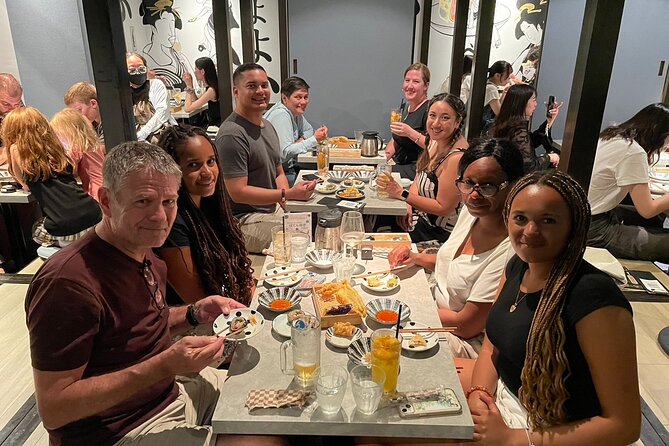
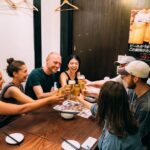
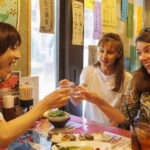
You get one complimentary drink (alcohol or non-alcohol) at two eateries. Alcoholic beverages are offered only if you’re of legal age. That’s a good structure: you’re getting a couple of guided beverage moments without having to commit to drinking the entire evening.
Pacing is one of the reasons this kind of tour works in Kyoto. You’re eating enough to feel satisfied, but the stops are spread out so you’re not stuck in one restaurant too long. Reviews also praise how the tour ends with people feeling “well fed,” which makes sense given 13 dishes.
Still, it’s a walking evening. Expect narrow lanes and short transitions between restaurants. If you’re carrying a heavy day bag, bring a light one. If your legs get tired easily, consider that the tour is not suitable for people with mobility impairment.
The guide matters: what to expect from a small-group night
The tour runs with an English-speaking guide, and experiences mention guides such as Yuvia, Alessio, Pedro, Amy, Maggie, and Mehrab/Mahreb. You shouldn’t count on any one person as your guide, but the pattern is clear: the guides are expected to be interactive and to connect food to neighborhood story.
What I find useful is how guides handle the ordering. Even if you speak basic Japanese, ordering in small alley restaurants can feel intimidating. Here, the guide helps you taste things you might not pick on your own, which is where value really shows up.
There’s also a travel-quality note: a couple of lower-rated experiences complained about the narration feeling repetitive or scripted. That doesn’t match the high rating trend, but it’s a reminder that any live-guide experience can vary by group and guide style.
Who should book this Kyoto Gion food tour
This tour is a great fit if you want:
- a first-night Kyoto experience that blends food and story
- lantern-lit evening walking through Pontocho and Gion
- a lot of variety without having to plan four different restaurant reservations
- a small-group setting of up to 10 travelers
- food curiosity around Kyoto classics like obanzai and yuba
Skip it if:
- you need gluten-free or vegan meals (the tour cannot cater for that, and there’s no gluten-free option)
- you have celiac disease, FODMAP needs, or other dietary requirements that require flexible substitutions
- you need a route designed for mobility assistance (it’s not suitable for mobility impairment)
If you’re traveling with someone who loves history and street scenes as much as food, this is an easy “yes.” If you’re only in Kyoto for one evening and want the most impact per hour, the structure is also strong.
Should you book it, or keep searching?
I’d book this if your trip includes one evening where you want maximum payoff: 13 dishes, a couple of complimentary drinks, and an easy introduction to why Pontocho and Gion feel so iconic after dark. The price is reasonable for the density of food and the guided context, and the small group size helps the night feel personal.
I wouldn’t book it if your dietary needs are strict, especially around gluten-free or vegan. In that case, you’ll get frustrated, and the tour can’t adjust enough to fix it.
If your biggest priority is seeing every street corner of Gion, set expectations lower. This is a guided food-and-alley route, not a whole-neighborhood walking marathon. But if you want the vibe plus practical tastings, it’s exactly the kind of Kyoto night you’ll remember.
FAQ
How long is the tour?
It’s about 3 hours.
How many dishes are included?
The tour includes 13 dishes across 4 eateries.
Where does the tour start and end?
It starts at Starbucks Coffee – Kyoto Sanjo-ohashi Bridge and ends at Gion-Shijo Station.
Is there an English-speaking guide?
Yes, the tour includes an English speaking guide.
Is a mobile ticket used?
Yes, the tour uses a mobile ticket.
Is alcohol included?
You get one complimentary drink at two eateries. Alcoholic drinks are offered only for people of legal age.
What dietary options are available?
The tour says it cannot cater for vegan or gluten-free options, and there is no gluten-free option. It also notes it’s not suitable for celiac disease and FODMAP.
Is the tour suitable for people with mobility impairment?
No, it’s not suitable for a person with mobility impairment.
How big is the group?
The tour has a maximum of 10 travelers.
Do I need to tip?
Tips are optional.