REVIEW · KYOTO
Kyoto Foodie Night Tour
Book on Viator →Operated by Ninja Food Tours · Bookable on Viator
Kyoto at dinnertime is chaos. This small-group foodie night tour turns it into a tight route of tastings and stories, with guides like Sora, Yui, and Chikako leading the way. You get a plan for where to eat, what to order, and how it all fits Kyoto’s food culture.
I love that you’re not just snacking. The flow is built around at least seven dishes from Kyoto-style obanzai to local izakaya food, and the tour includes two drinks such as beer or sake. You should expect to leave full, not “maybe I’ll eat later.”
One thing to consider: food restrictions and menu preferences need early notice. Vegan, vegetarian, and gluten-free options are limited, and if you strongly dislike certain items (especially seafood), you’ll want to message your guide well ahead of time since last-minute changes can’t be guaranteed.
In This Review
- Key highlights you’ll feel on this tour
- Why this 3.5-hour Kyoto night plan hits the right rhythm
- Nishiki Market samples: the best kind of first stop
- Obanzai to izakaya: where the bulk of your dinner happens
- Pontocho at night: geisha district stories on foot
- Drinks are included, but you still control your pace
- Price and logistics: what you’re really paying for
- Meeting points and what to do before you start
- Dietary restrictions: how to avoid a menu mismatch
- Who this tour suits best (and who might want a different style)
- Should you book Kyoto Foodie Night Tour or skip it?
- FAQ
- How long is the Kyoto Foodie Night Tour?
- How much does the tour cost?
- What time does the tour start, and where does it end?
- How many people are on the tour?
- What food and drinks are included?
- Are vegetarian, vegan, or gluten-free options available?
- What happens if you need to cancel or if the tour can’t run?
Key highlights you’ll feel on this tour
- Maximum 8 people keeps the night relaxed and question-friendly
- Nishiki Market sampling at family-run shops for quick, representative bites
- Seven+ tastings across two kinds of Kyoto food: obanzai and izakaya dishes
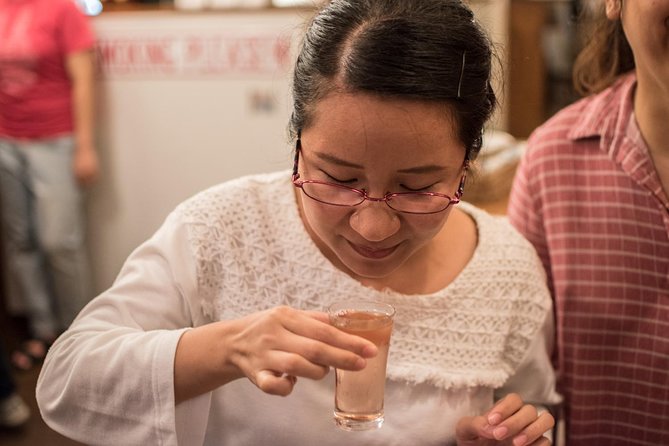
- Beer or sake included so you’re not figuring out drink pairings from scratch
- Pontocho walk at night with context about geisha district history and culture
- Mobile ticket means less time hunting for printed passes
Why this 3.5-hour Kyoto night plan hits the right rhythm
This tour is scheduled for a classic Kyoto dinner window, starting at 5:00 pm. That timing matters because it lines up with when food stalls are busy, izakayas are in full swing, and the streets feel lively without turning into an all-night march.
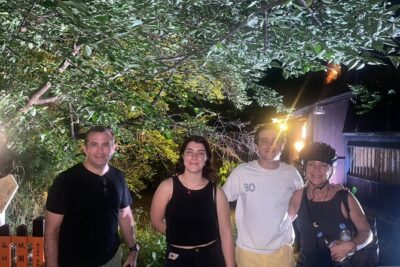
The group size cap (up to 8 people) is also a big deal. Big tours can feel like conveyor belts. Here, the structure makes it easier to slow down at the market, ask why a dish is made a certain way, and get practical tips for the rest of your trip.
And yes, you’re paying for food. At $102.47 per person for about 3 hours 30 minutes, the value comes from the fact that you’re being fed across multiple stops: market samples, restaurant tastings, and at least two drinks like beer or sake. In Kyoto, that adds up fast if you try to build the same route yourself.
You can also read our reviews of more tours and experiences in Kyoto

Nishiki Market samples: the best kind of first stop
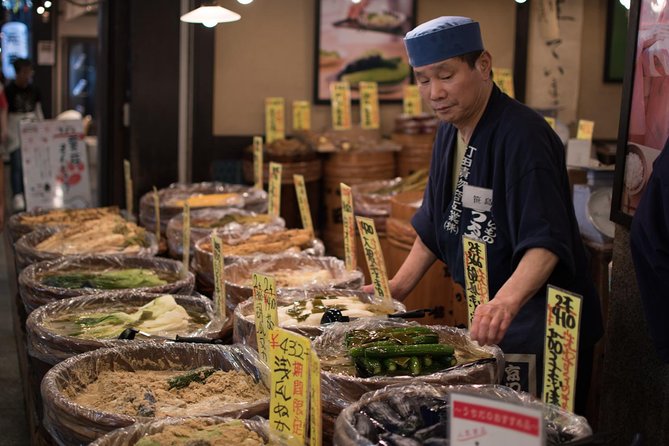
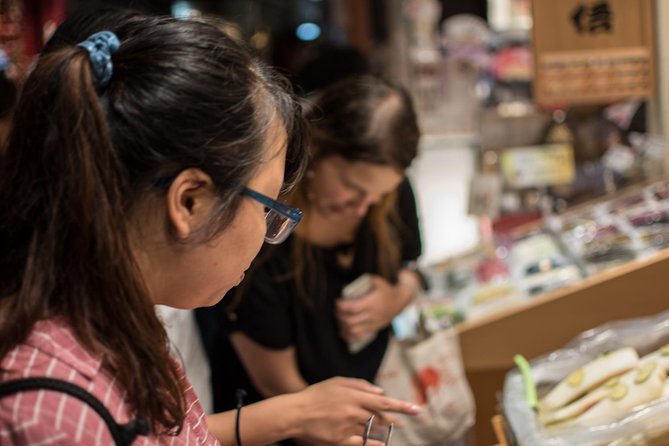
Your night begins at Nishiki Market Shopping District, a long-running hub where Kyoto food culture shows up in small formats. This stop is about 25 minutes, and you’ll visit 2–3 family-owned shops for sample-size bites.
This is a smart way to start because you’re not committing to full portions yet. You’re tasting your way into Kyoto’s flavors so your later restaurant order makes more sense. Nishiki is also a people-watching zone, so it’s a good time to get your bearings while you pick up on what locals gravitate toward.
What to expect here:
- Quick samples rather than a sit-down meal
- A mix of foods meant to represent Kyoto’s food identity
- Plenty of variety in small bites, so you can compare flavors as you go
The only “drawback” to keep in mind is that sample tours can make you hungry fast. That’s not a problem if you follow the main rule of the night: come ready to eat and don’t overfill on one item early.
Obanzai to izakaya: where the bulk of your dinner happens
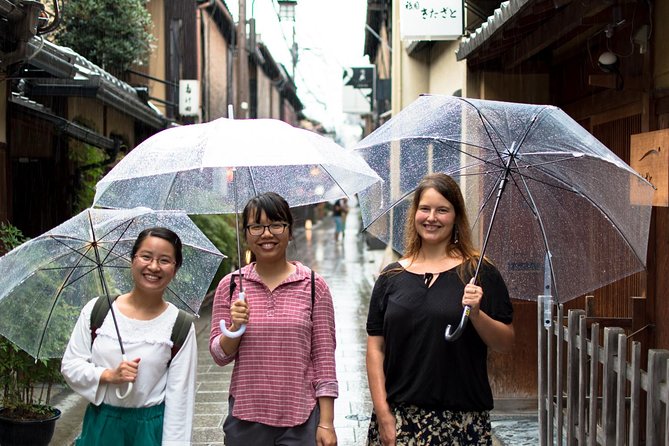
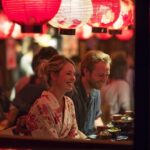
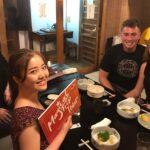
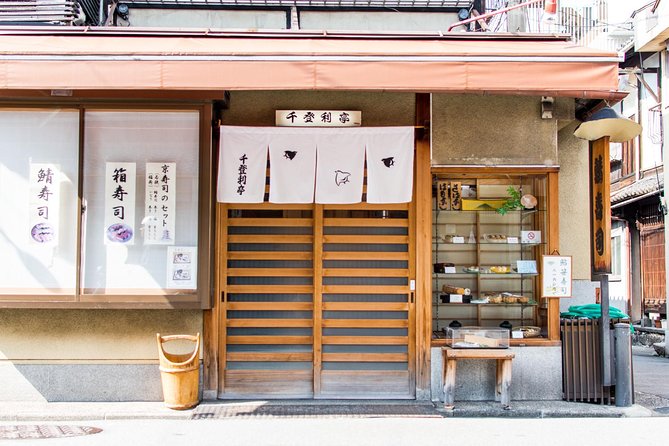
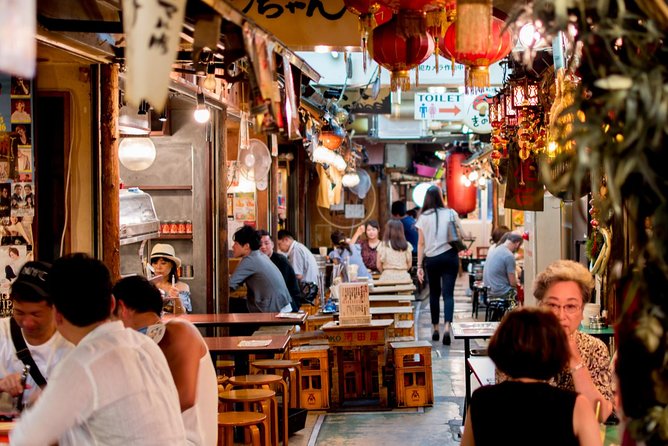
After the market, the tour shifts into a 2-hour restaurant run through central Kyoto. You’ll visit 2–3 restaurants and work through Kyoto-style dishes that move between two worlds: obanzai (Kyoto’s home-style cuisine) and izakaya food (casual bar snacks and small plates).
This portion is the heart of the value. You’re paying for the meal planning, the ordering, and the variety. Instead of deciding what each place will serve, you’re getting guided selection—plus you don’t have to study menus at a hectic hour.
Here’s why that matters in Kyoto. Menus can be intimidating if you’re not used to Japanese ordering rhythms, and izakayas often feel best when you’re guided to what’s being served well that night. A good guide also helps you understand what you’re eating in plain terms, not just “this tastes good.”
What you might see during this restaurant block (based on what guides commonly serve):
- Kyoto-style dishes across multiple courses
- Izakaya-friendly plates meant for sharing
- Seafood and other regional flavors that some people love and others avoid
One practical tip: if you know you don’t eat certain things, speak up clearly before the tour starts. The tour info says last-minute requests can’t be accommodated, and at least one person reported getting dishes they didn’t want (like seafood items) when preferences weren’t aligned. Better to be direct early.
Pontocho at night: geisha district stories on foot
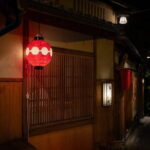
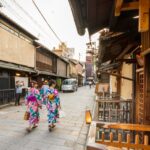
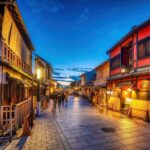
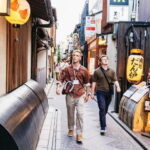
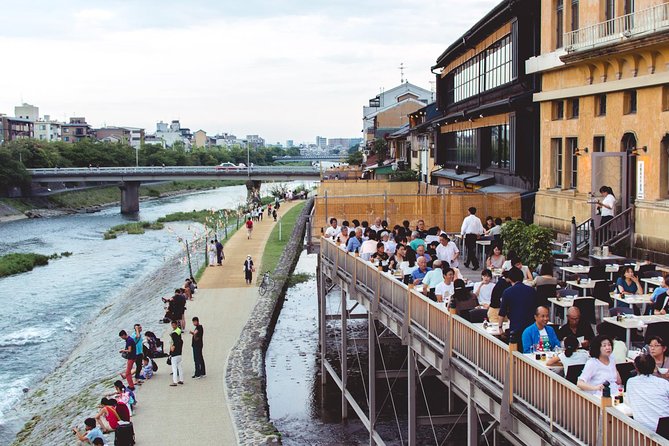
The final stop is a 15-minute walk through the Pontocho District, described as a mini geisha district. The goal here is not shopping. It’s context—history and culture—paired with the atmosphere of Kyoto at night.
Pontocho is one of those places where the street itself feels like part of the story. Even if you’ve seen photos, the nighttime vibe helps things click: you’re walking while you’re being told how geisha culture developed, how Kyoto’s entertainment districts evolved, and why neighborhoods like this have such strong identity.
What makes this stop worth it:
- It breaks up the night after the heavier restaurant segment
- You end with understanding, not just eating
- It gives you a “mental map” for where to wander later on your own
If you’re someone who likes stories with your sights (instead of sights only), this part is a good payoff.
Drinks are included, but you still control your pace
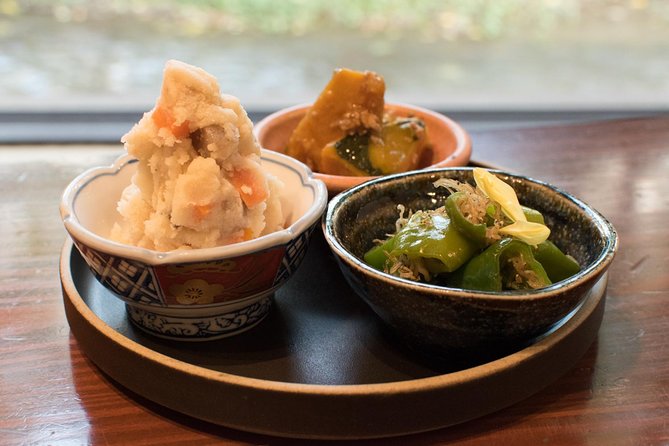
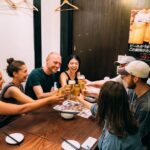
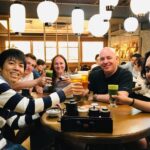
The tour includes two drinks, such as beer or sake. That means you don’t need to plan a separate drinking stop to match your food.
In practice, guides often make the drink portion feel like part of the tasting. Some people also mention specific sake bar experiences as a highlight, and the tour structure supports that kind of pairing moment.
Still, one caution from real-world experience: if you’re not a drink person, you’ll want to be upfront. The tour is built around food first, but alcohol is part of the package, so you should make it clear how you want to handle it.
A simple approach:
- Decide in advance if you want one beer/sake and stop
- If you prefer soft drinks, ask if that’s an option for your group (the tour notes drink options include soft drinks for some cases, but availability isn’t guaranteed)
You can also read our reviews of more evening experiences in Kyoto
Price and logistics: what you’re really paying for
Let’s do the honest value check. The tour costs $102.47 and runs about 3.5 hours. For that, you get:
- A small-group route (max 8)
- Nishiki Market sampling at 2–3 family-owned shops
- 2–3 restaurant stops over 2 hours
- At least seven tastings
- Two included drinks
- A guided night route with cultural context (including Pontocho)
If you tried to DIY the same experience, you’d likely pay for multiple meals anyway. What you’re buying is the structure: the ordering, the pacing, the variety, and the guidance so you spend less time guessing and more time enjoying.
Also, the tour uses a mobile ticket, which saves hassle. In Kyoto, that tiny bit of friction reduction matters when you’re also navigating crowds, subway timing, and short walking stretches.
Meeting points and what to do before you start
The tour starts at 5:00 pm. Your meeting point is at:
- Alba Creative Boutique Japan, 600-8004 Kyoto, Shimogyo Ward, Naramonochō, 358 日新火災海上保険京都ビル
It ends at a stone pillar at Shijo Bridge:
- 旧三条大橋の石柱 Japan, 604-8004 Kyoto, Nakagyo Ward, Nakajimachō, 113 三条大橋近江屋
Because the end point is different from the start, plan your post-tour wander accordingly. You’ll likely be more comfortable staying in the central area afterward than trying to hop across town immediately.
What to bring that actually helps:
- Comfortable walking shoes (you’ll be moving through markets and streets)
- A clear idea about your food rules (and a polite way to communicate them)
- If you’re learning Japanese, it can help to prepare a couple of simple phrases about what you like or don’t like
Dietary restrictions: how to avoid a menu mismatch
The tour sets a clear expectation: vegan, vegetarian, and gluten-free options are limited, and you need to message food restrictions at least a week before. Last-minute requests can’t be accommodated.
Here’s how you protect your night:
- Send your restrictions early and specify what’s a hard no
- If seafood is an issue, say so clearly
- If you’re okay with some ingredients but not others, say that too
One person’s experience included dishes that they personally didn’t want, so don’t assume the guide will guess your preferences correctly. You don’t need a long explanation. You just need crystal clarity.
If your needs are strict (for example, gluten-free beyond cross-contact risk), treat this tour as a “do your homework first” situation. The notes say options are limited, so you’ll want to confirm what’s realistic for your exact dietary needs.
Who this tour suits best (and who might want a different style)
This works well for:
- People who want organized sampling instead of researching restaurants alone
- Food lovers who like both Kyoto home-style flavors and izakaya comfort food
- Anyone who enjoys cultural context while walking, especially around nightlife neighborhoods
- Groups small enough for real conversation (max 8)
It might not be the best fit if:
- You want a purely non-alcohol evening
- You have strict dietary needs and need guaranteed menu compliance
- You hate seafood and won’t eat around it, even in small tasting portions
That said, many guides are flexible within the limits, and some people report the tour being a standout highlight. Your success depends a lot on communicating your boundaries early.
Should you book Kyoto Foodie Night Tour or skip it?
Book it if you want one efficient night where someone else handles the route, the ordering, and the variety. The combination of Nishiki Market, multiple restaurant tastings, and a Pontocho night walk gives you a complete Kyoto food-and-culture picture without spending your whole evening on decisions.
Skip it if you need fully tailored dietary control, or if you prefer a tour where alcohol is optional rather than part of the included plan. In that case, look for an option that clearly matches your dietary requirements and drinking style.
If you do book, I’d go in with two rules: come hungry, and send your food restrictions at least a week ahead. Do that, and this tour is very likely to feel like a practical, well-fed Kyoto night you can build the rest of your itinerary around.
FAQ
How long is the Kyoto Foodie Night Tour?
It runs for about 3 hours 30 minutes.
How much does the tour cost?
The price is $102.47 per person.
What time does the tour start, and where does it end?
It starts at 5:00 pm. It begins at Alba Creative Boutique Japan and ends at 旧三条大橋の石柱 near Shijo Bridge.
How many people are on the tour?
The group is limited to a maximum of 8 travelers.
What food and drinks are included?
You’ll enjoy at least seven food tastings across local restaurants, and the tour includes two drinks such as beer or sake.
Are vegetarian, vegan, or gluten-free options available?
Options for vegan, vegetarian, and gluten-free are limited. You should message food restrictions at least a week before the tour date. Last-minute requests may not be accommodated.
What happens if you need to cancel or if the tour can’t run?
This experience is non-refundable and cannot be changed. If it’s canceled due to poor weather, you’ll be offered a different date or a full refund. If it’s canceled because the minimum number of travelers isn’t met, you’ll be offered a different date/experience or a full refund.