REVIEW · KYOTO
Kyoto Night All-Inclusive Eats and Streets, Gion and Beyond
Book on GetYourGuide →Operated by Pinpoint Traveler · Bookable on GetYourGuide
Kyoto at night has a special rhythm. This small-group food-and-streets tour threads two local restaurants into a 3-hour walk through Gion and Ponto-cho, starting under the glow of Yasaka Jinja. You get a local guide fluent in your language, plus the kinds of cultural notes that help you enjoy the Geisha district without feeling lost or awkward.
What I like most is how the night is paced: short guided walks between carefully chosen stops, then proper time to eat and sip. The other big win is value for money—food and drinks are handled, and you’re grazing across two places instead of hunting menu-by-menu in a foreign city. One possible drawback: some indoor venues may allow smoking, which can bother non-smokers or anyone sensitive to smoke.
In This Review
- Key Points at a Glance
- Entering Kyoto After Dark: Why This Tour Works
- Minamiza Theater Meets Yasaka Jinja: The Night Starts Soft
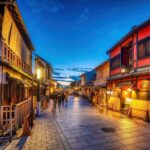
- Gion at Night: What to Notice Beyond the Postcards
- Kamo River and the Walk Between Neighborhood Moods
- Two Restaurants, One Evening: How the Food Portion Actually Feels
- Ponto-cho After Dark: Where the Night Turns Social
- Price and Value at $92: What You’re Really Buying
- Guides, Group Size, and That “Not Lost” Feeling
- Timing, Walking, and the Practical Stuff That Matters
- Who Should Book This (and Who Might Skip It)
- Should You Book Kyoto Night All-Inclusive Eats and Streets?
- FAQ
- What’s included in the Kyoto night food tour?
- How long is the tour, and how much of it involves walking?
- What languages are available for the live guide?
- Is there a Kobe beef option?
- Do I need to tip during the tour?
- Is the tour suitable for children or mobility impairments?
Key Points at a Glance
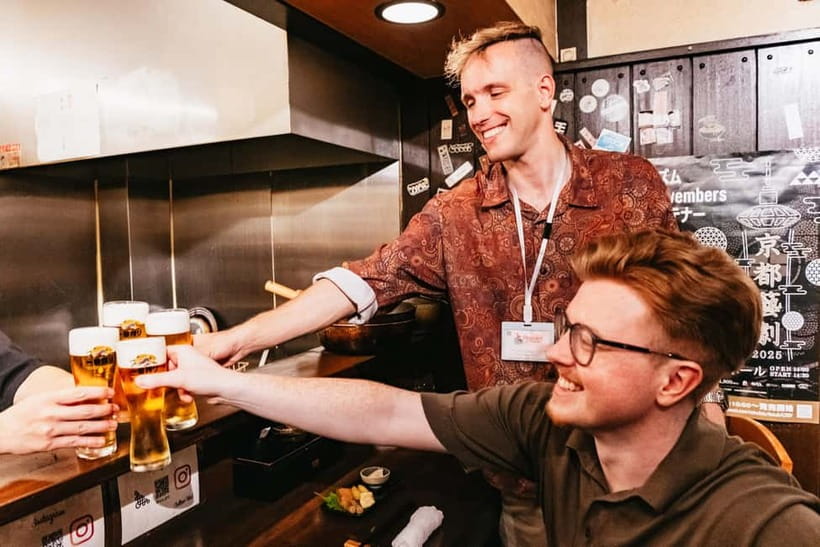
- Small group size (up to 6) means more questions, less waiting, and a friendlier vibe as you walk.
- Yasaka Shrine at night gives you Kyoto’s lantern-lit side without the daytime crowds overload.
- Gion and Ponto-cho explanations help you read the area’s etiquette and modern nightlife context.
- Two restaurants, one evening: a more varied regional dinner than you’d get from a single stop.
- Drinks are included (two), with options for alcoholic or non-alcoholic choices.
- Kobe beef upgrade is available if you book early enough.
Entering Kyoto After Dark: Why This Tour Works
Kyoto after sunset is when the city feels most human. The streets in Gion and Ponto-cho aren’t just scenic; they’re social. People are walking, the lights are doing their job, and the whole place moves at a slower, older tempo than the train stations do.
This tour is built for that mood. Instead of doing one big “sightseeing loop,” you get a guided walk that’s broken into manageable chunks. You’re not racing to the next photo spot. You’re stopping where the atmosphere changes—Yasaka Jinja first, then Gion’s narrower lanes, then the Kamo River area, and finally Ponto-cho after dark.
And the format matters. You’re with a local guide who speaks your language, and the group stays small. In real life, that means you can ask practical questions like where you should stand while walking, what to notice in the Geisha district, or how to order without guessing.
You can also read our reviews of more evening experiences in Kyoto

Minamiza Theater Meets Yasaka Jinja: The Night Starts Soft
You meet right at street level outside Minamiza Theater, at the Gion Shijo Station exit 6. That’s convenient: you don’t have to “solve” a complicated meetup location when you’re already tired from a day of sightseeing.
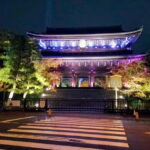
From there, the night begins with Yasaka Jinja. You’ll get a guided walkthrough and a short sightseeing walk (about 15 minutes). Going early evening changes the feel. Daytime Yasaka Jinja can be busy and fast-moving. At night, the shrine looks calmer, more theatrical—lit in a way that makes Kyoto’s traditions feel present rather than distant.
Practical tip: this part is a quick intro, not a long worship visit. I’d treat it as your atmospheric warm-up. Ask your guide what you’re looking at as you pass key spots, because the guide’s explanations are what turn the lights and buildings into meaning.
Gion at Night: What to Notice Beyond the Postcards
After Yasaka, you head into Gion, again on a guided walk of about 15 minutes. Even in that short time, you’ll feel why Gion has rules. It’s not just “a pretty neighborhood.” It’s a working district with a long cultural role in Kyoto’s entertainment history.
Here’s the best part: your guide doesn’t just point at streets. They explain the mores and the way locals think about the area. That’s the difference between watching Kyoto and understanding it. When you know what behaviors are respectful, you can enjoy the narrow lanes without accidentally acting like a sightseeing robot.
You’ll also be in the right mindset for Gion’s “secrets.” Some details are easy to miss if you’re walking on your own—little cues in layout, the way the streets funnel people, and how the nightlife energy blends with tradition. Your guide keeps it light and fun, so you’re not stuck in lecture mode. And since the group is small, it’s easy to get answers without feeling like you’re interrupting.
If you’re worried about social awkwardness around Geisha culture: this is exactly the kind of tour that helps. You learn what’s considered normal and what to avoid, so you can enjoy the area’s strange-but-fascinating mix of old and new.
Kamo River and the Walk Between Neighborhood Moods
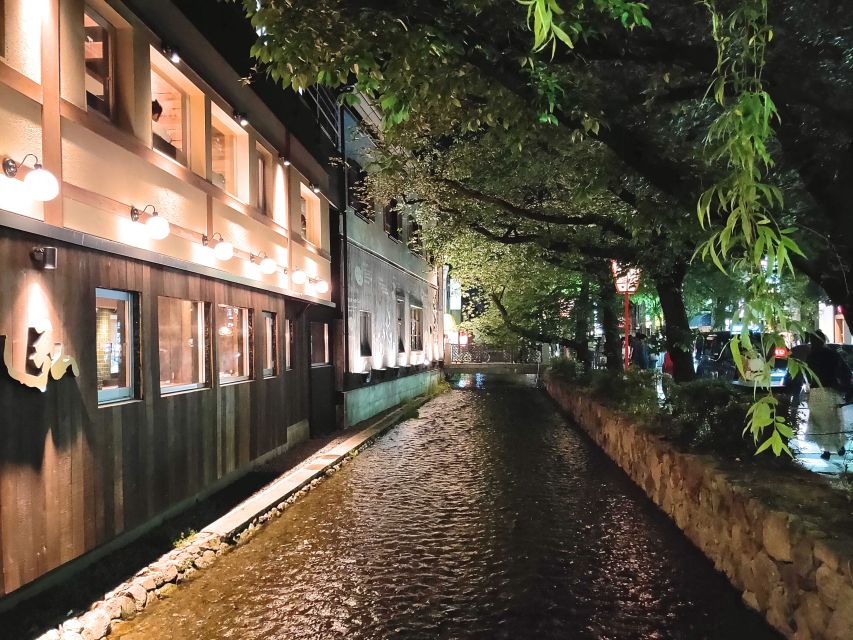
Next up is the Kamo River area. The walking here is guided, and it acts like a transition. One moment you’re in Gion’s tighter lanes and entertainment vibe, and the next you’re moving toward broader nightlife streets where the atmosphere shifts again.
This segment matters more than it sounds. Kyoto neighborhoods don’t “change” in one clean jump. They layer. You’ll feel it in the street width, the pacing of pedestrian traffic, and the kinds of businesses you see along the route.
Also, night walking is where small-group tours shine. If you’re on your own, you might cut across streets that look similar but feel different at night. With a guide, you’re more likely to move through the right blocks and not accidentally skip the places where the scene is most interesting.
Two Restaurants, One Evening: How the Food Portion Actually Feels
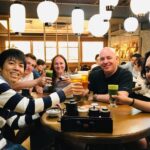
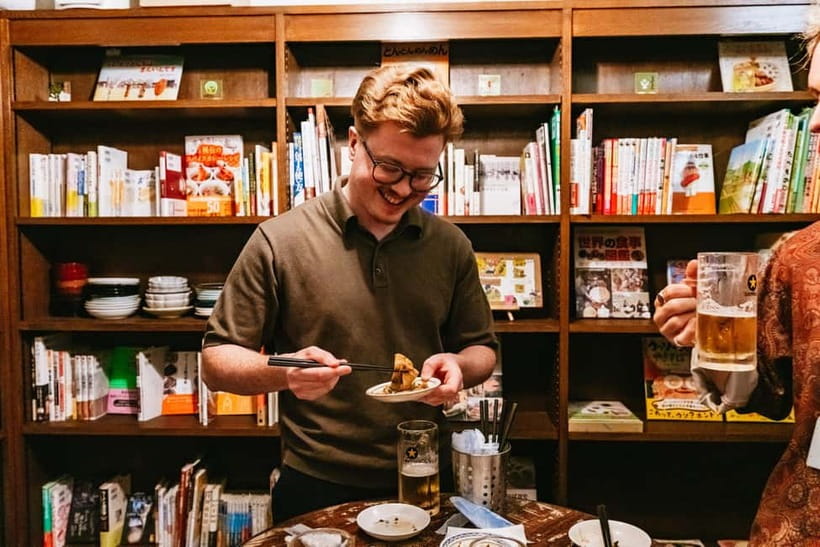
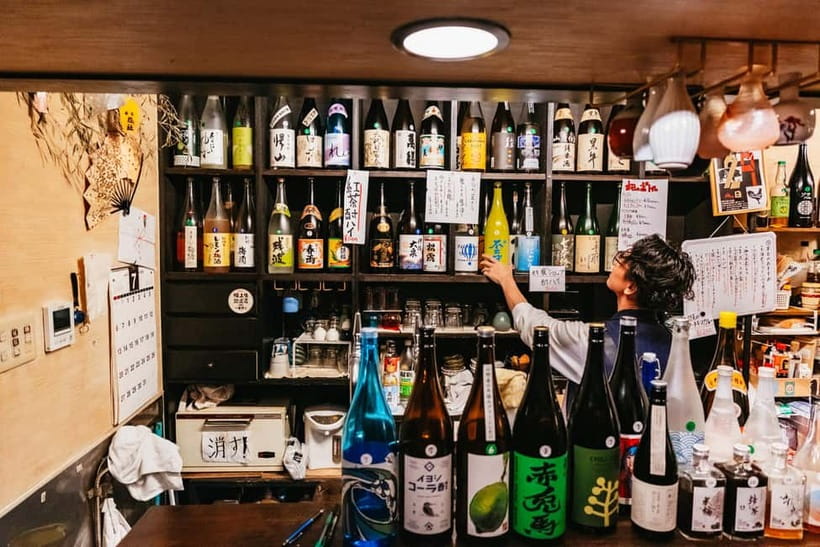
The heart of the tour is dinner across two local restaurants. That’s a big deal because it changes how the meal works. Instead of being stuck with one restaurant’s style and one menu, you get variety. It’s like sampling Kyoto through different kitchens on the same night.
First restaurant stop lasts about 45 minutes, and you’ll have drinks there—beer, cocktail, or spirits are listed options, with non-alcoholic alternatives available. Then there’s a second restaurant stop of about 30 minutes, with drinks again.
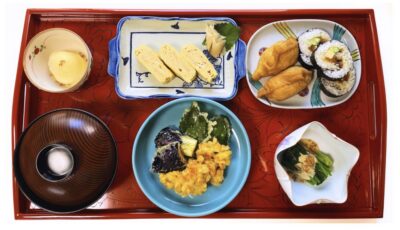
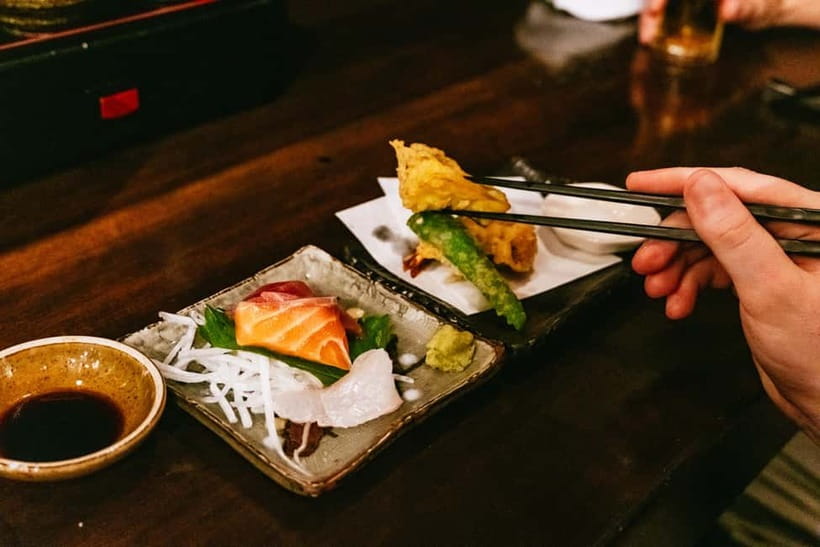
What I’d tell you to expect: it’s very much a grazing setup. Portions are often tapas-style, meaning you can try several items without getting stuffed on a single plate early. One caution from past experience is that if you’re expecting a Western-style “full meal,” you might find the individual bites smaller than you want. The tradeoff is you’ll eat more variety, and you won’t get bored halfway through.
Food note that helps set expectations: the menu is sample-based and can change with seasonal availability. That’s normal in Japan. The practical upside is you’re not stuck with a canned set of dishes no matter what the season is.
Dietary needs: the tour structure is built around a small-group experience with a guide ordering for the group. Some guests have reported that vegetarian needs were accommodated. Still, you should share restrictions clearly when you book or as soon as you meet your guide, so they can do the right thing at the right time.
Ponto-cho After Dark: Where the Night Turns Social
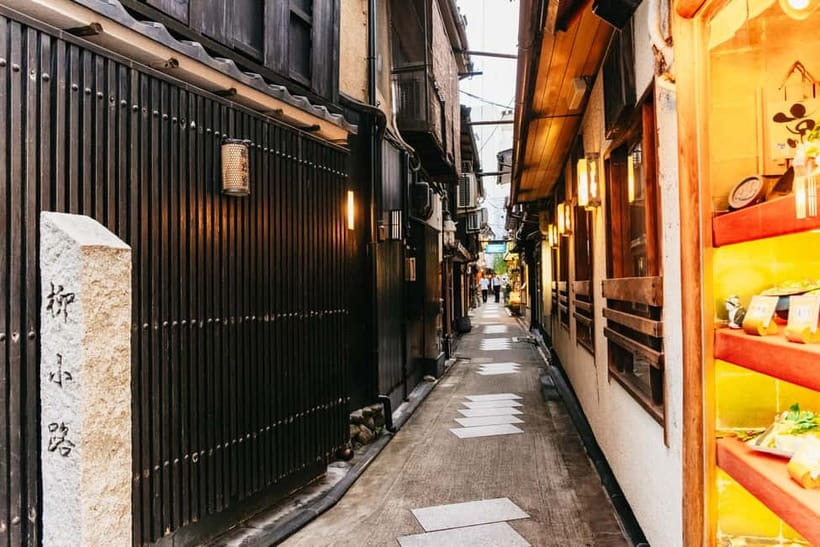
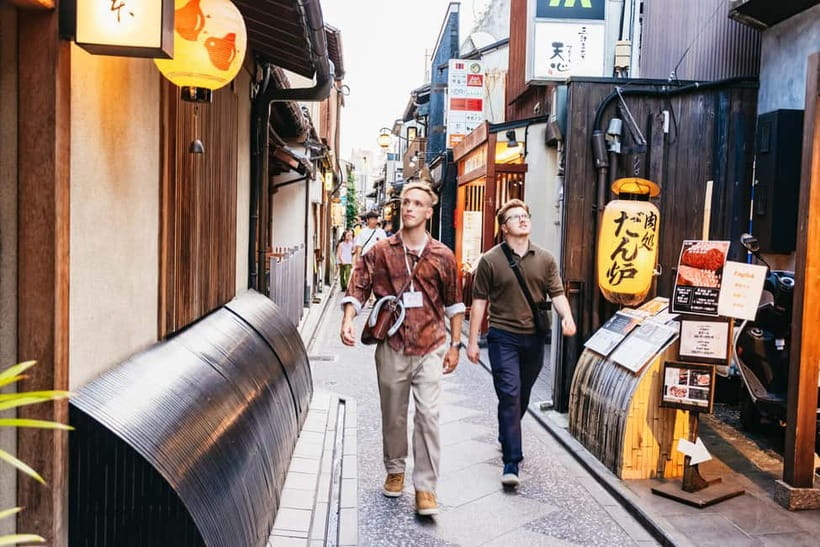
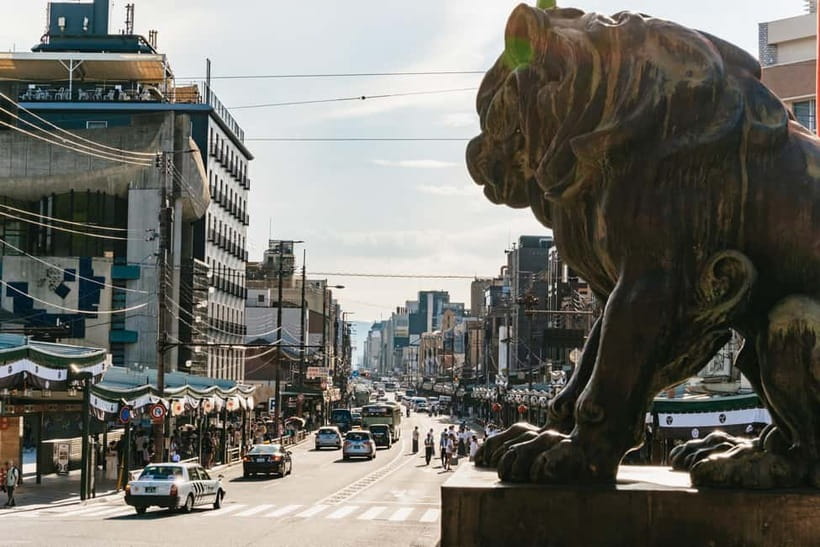
After the mid-walk exploring, you’ll spend time in Ponto-cho (about 30 minutes). If Gion feels like Kyoto’s stage set, Ponto-cho feels like Kyoto’s conversation.
This area is known for nightlife, and the tour gives you the context to enjoy it respectfully. Your guide helps explain what’s going on in the district—how the entertainment side works, what the streets mean, and how the neighborhood’s energy differs from Gion’s tighter atmosphere.
You’ll also see connections to nearby commercial nightlife streets, including Kiyamachi and the blocks leading into Ponto-cho. The goal isn’t to “party hop.” It’s to understand the flow of the district—how people eat, drink, and socialize after a day of sightseeing.
Then comes that second restaurant stop, where you finish the food-and-drink portion and wrap the night with more guided commentary. It’s a good rhythm: walk, eat, walk, eat. By the end, Kyoto’s night scene doesn’t feel random. It feels mapped.
Price and Value at $92: What You’re Really Buying
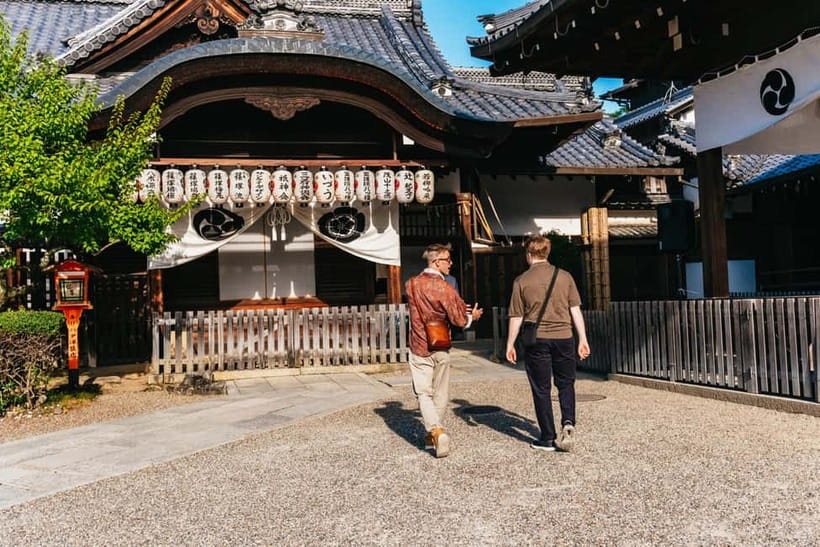
At $92 per person for 3 hours, you’re paying for three things at once:
- A guide fluent in your language, walking you through Gion and Ponto-cho.
- Food across two restaurants, not just one “set menu” stop.
- Two included drinks, with alcoholic or non-alcoholic options.
In Kyoto, a single well-located dinner plus a drink can easily start to eat your budget, especially when you’re choosing places that aren’t catering to tourists. Here, you’re also getting the advantage of not having to figure out where to go next—your evening is already planned around two quality spots that fit the night’s walking route.
Extra drinks are not included, so if you’re the type who orders freely, you’ll want to keep an eye on the bar tab. But if you’re happy with the included two drinks, the deal is strong.
One more value lever: there’s a Kobe beef (or nearby sourced) option available as an upgrade, but it requires booking at least 10 hours in advance. If that’s a “must,” plan ahead. If it’s a maybe, you can still enjoy the standard food program without stress.
Guides, Group Size, and That “Not Lost” Feeling
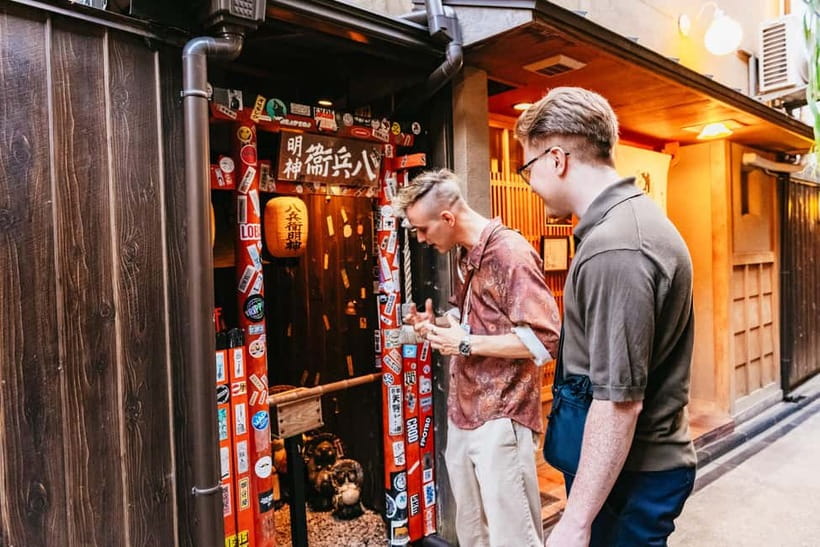
A huge part of this experience is that it stays small. The group is capped at no more than 6 participants, which changes everything about the vibe. You can hear explanations. You can ask questions without shouting. And the guide can adjust pacing based on the group.
Past evenings have included guides such as Ferdinand, Jamie, Lito, Maya, Laura, Hugo, Andres, Bryan, Diogo, and Damian. Different personalities, same overall goal: make the night feel understandable and fun. If you get a talkative guide, you’ll likely enjoy the cultural stories and the practical “why things are the way they are” explanations even more.
And because the guide is fluent in Spanish, French, or English, you avoid the common problem of sightseeing where you can read signs but can’t read context.
Timing, Walking, and the Practical Stuff That Matters
This is a 3-hour tour with multiple walking segments. Comfortable shoes aren’t optional advice; they’re the difference between enjoying the night and counting minutes.
The route is designed for an evening pace:
- Yasaka Jinja stop (about 15 minutes)
- Gion guided walk (about 15 minutes)
- Kamo River guided walk
- First restaurant (about 45 minutes)
- Ponto-cho guided time (about 30 minutes)
- Second restaurant (about 30 minutes)
- Back to Minamiza Theater
Two practical considerations to keep in mind:
- Smoking can happen indoors. Some venues may allow it, and it can be noticeable. If you’re sensitive, tell your guide early so they can help you manage where you sit or what you can do about it.
- Food style is tasting-focused. You’ll likely leave full, but the portions are more like small plates than a heavy Western meal. Go in expecting variety, not one giant entree.
Also, tips aren’t required in Japan—so you won’t be pressured for gratuities during the evening.
Who Should Book This (and Who Might Skip It)
This tour is a great match if you:
- want a first-night orientation to Kyoto’s nightlife districts
- like learning etiquette and cultural context, not just taking photos
- prefer two restaurant experiences over one long sit-down meal
- enjoy small-group conversations with people from different countries
It’s not suitable for people with mobility impairments and it’s not for children under 18. The walking at night is part of the experience, so you’ll want to be comfortable moving for the whole 3 hours.
If you’re traveling solo and hate group tours, the small size can still feel friendly rather than chaotic. And if it’s your first time in Kyoto, you’ll appreciate having a guide set expectations about what you’re seeing and why it matters.
Should You Book Kyoto Night All-Inclusive Eats and Streets?
If your goal is to spend a Kyoto night feeling cared for—fed, guided, and pointed in the right direction—this tour is an easy yes. The pricing makes sense because you’re not paying separately for a guide, a multi-course meal, and drinks. You’re also getting value from the route: Yasaka Jinja plus Gion and Ponto-cho are the right neighborhoods to understand early.
I’d only hesitate if you’re extremely sensitive to smoke in indoor venues, or if you need a heavy, single-restaurant meal rather than a tasting-style approach. If those aren’t issues, book it and treat the evening like a local-guided stroll with real food stops.
FAQ
What’s included in the Kyoto night food tour?
You’ll get a full dinner across two local restaurants, plus two drinks (alcoholic or non-alcoholic). Gratuities are included, and tipping isn’t customary in Japan.
How long is the tour, and how much of it involves walking?
The tour runs for 3 hours and includes several guided walks, including time at Yasaka Jinja, Gion, Kamo River, and Ponto-cho.
What languages are available for the live guide?
Live guides are available in Spanish, French, and English.
Is there a Kobe beef option?
Yes. A Kobe beef (or nearby sourced) option is available if you book at least 10 hours in advance.
Do I need to tip during the tour?
No. Gratuities are included, and tipping is not the custom in Japan.
Is the tour suitable for children or mobility impairments?
No. It is not suitable for children under 18 and not suitable for people with mobility impairments.