REVIEW · KYOTO
Night Walk in Gion: Kyoto’s Geisha District
Book on GetYourGuide →Operated by WaRaiDo Guide Networks · Bookable on GetYourGuide
Kyoto at night has a different rhythm. This Gion walk explains geiko and maiko life while you follow the lit-up lanes.
I like two things right away: the tour’s long track record (running since 2007 with 100,000+ participants) and the hands-on street pacing, starting near Gion Shijo Station. The one drawback to plan for is simple: sightings aren’t guaranteed, and the experience keeps a respectful distance from performers, with rules that limit recording.
In This Review
- Key things that make this night walk worth it
- Why this 100-minute Gion walk feels different after dark
- Where you meet and how the tour gets going fast
- The street route: what you actually do and see
- The geiko and maiko lesson that makes the neighborhood click
- About those possible geiko or maiko sightings
- Price and value: is $21 a fair deal
- Practical tips to get the best night from your feet
- What to know before you go (small details that matter)
- Who this tour suits best
- Should you book this night walk in Gion
- FAQ
- Where does the tour meet?
- How long is the night walk?
- What language is the tour guide?
- Is geiko or maiko sighting guaranteed?
- Is video recording allowed?
- How much does it cost?
- Is transportation or hotel pick-up included?
- Is it refundable if my plans change?
- Do children need ID for a discount?
- Is the tour suitable for people with mobility impairments?
Key things that make this night walk worth it
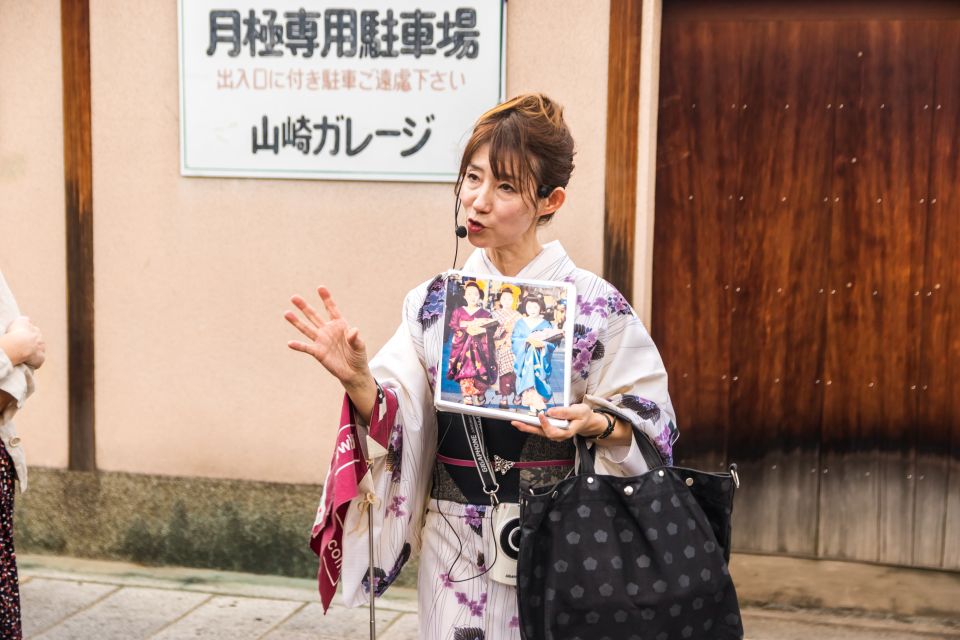
- Licensed, English-speaking guides focus on what you’re actually seeing on the street, not just a lecture
- A strong start point at Gion Omoide Museum (connected to Izutsu Yatsuhashi) makes meeting easy
- Geiko vs maiko context: kimono, hairstyle, rules, and daily life explained as you walk
- Nighttime Gion visuals that echo scenes from Memoirs of a Geisha
- Real respect for privacy: you’re guided on how to behave when geiko or maiko appear
Why this 100-minute Gion walk feels different after dark
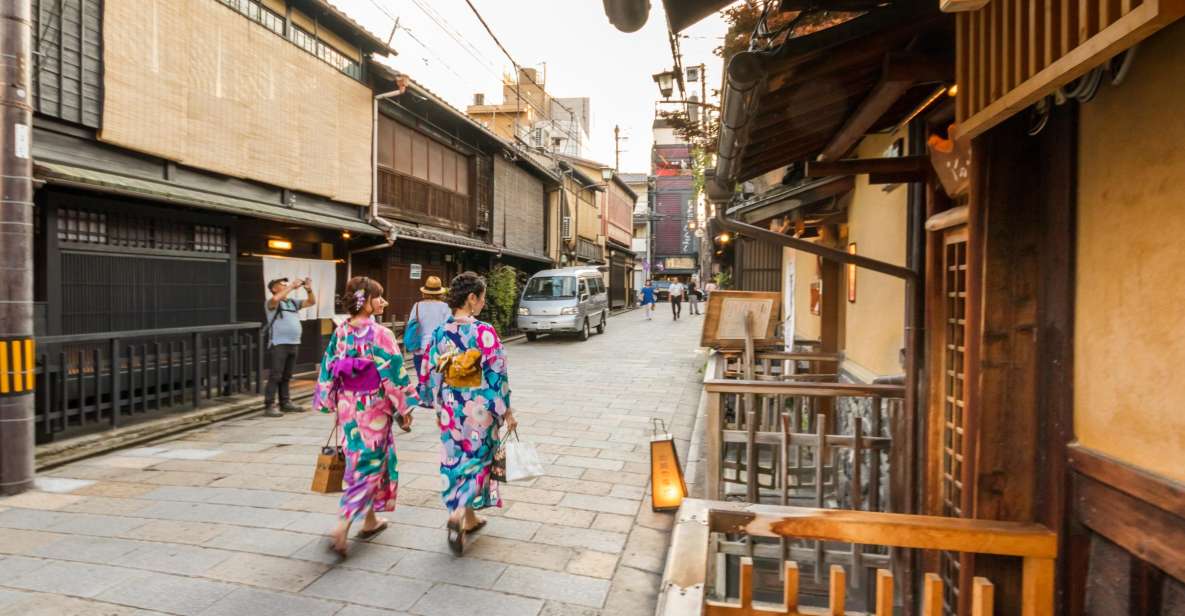
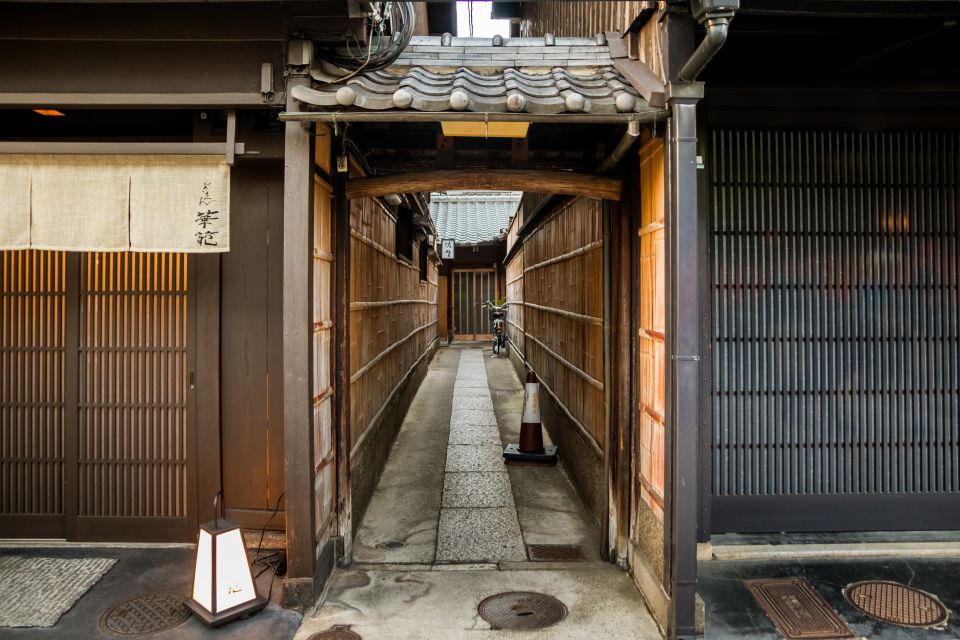
A daytime walk through Gion can be pretty. But at night, the district turns quieter and more legible. The lantern light, the narrow lanes, and the steady movement of locals make it easier to understand the atmosphere geiko and maiko work within.
This tour is built for that exact moment. It’s only 100 minutes, so you stay focused instead of dragging through long blocks of time. And because it’s guided, you’re not left guessing what you’re looking at—especially when the conversation turns to kimono details, hairstyle cues, and the social rules that shape daily life in the district.
The other thing I appreciate is that the tour doesn’t sell mystery. It gives you a framework. Once you know the difference between geiko and maiko, and what to watch for in appearance and behavior, the whole neighborhood starts making sense.
You can also read our reviews of more walking tours in Kyoto

Where you meet and how the tour gets going fast
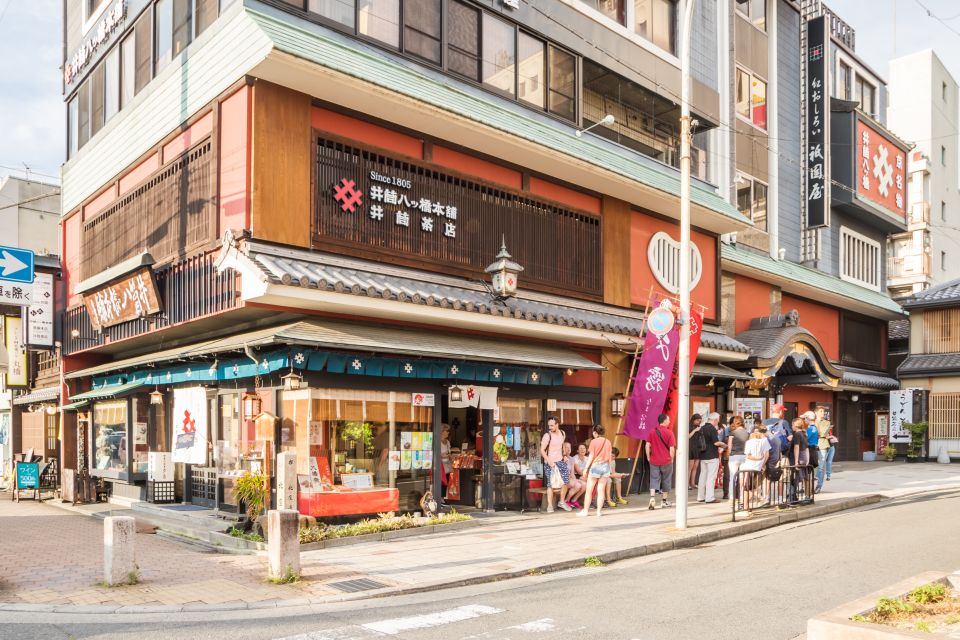
You meet in front of Gion Omoide Museum, which is connected to the Izutsu Yatsuhashi pastry shop. The coordinates are 35.0044519, 135.7723814. This matters because Gion streets can feel like a maze when you arrive late or tired.
Starting in this area also puts you close to the action without needing complicated transit. The tour begins near the Gion Shijo area (the classic starting zone for many first-timers), then moves through the geisha districts on foot as night settles in.
Plan to arrive a bit early. Not because you’ll be rushed, but because you’ll want a calm minute to orient yourself before the guide sets the tone.
The street route: what you actually do and see
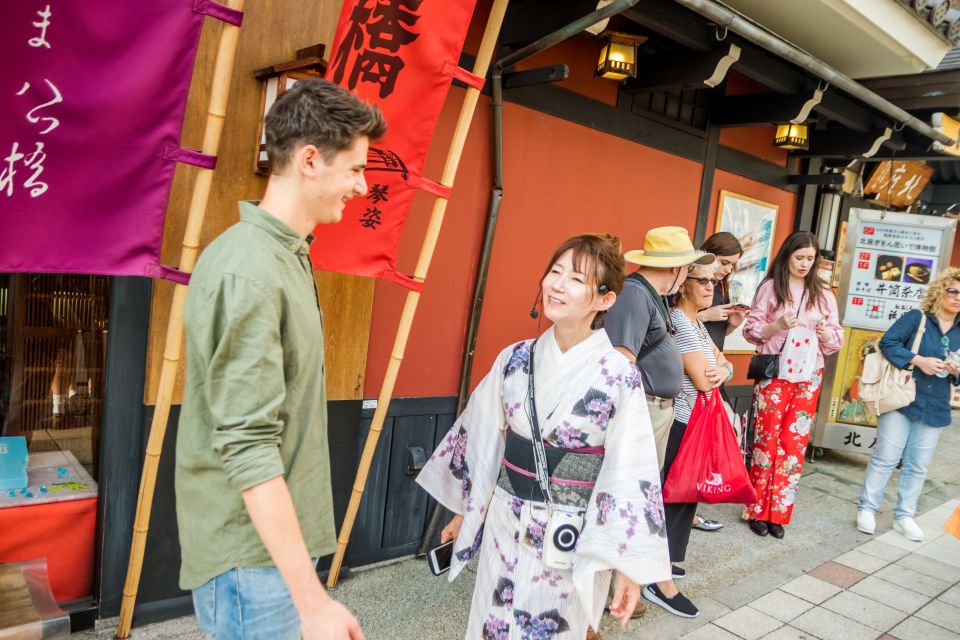
Think of this as a guided stroll with a story arc. The guide leads you down classic Gion lanes, keeping you moving at a pace that works for most people walking comfortably.
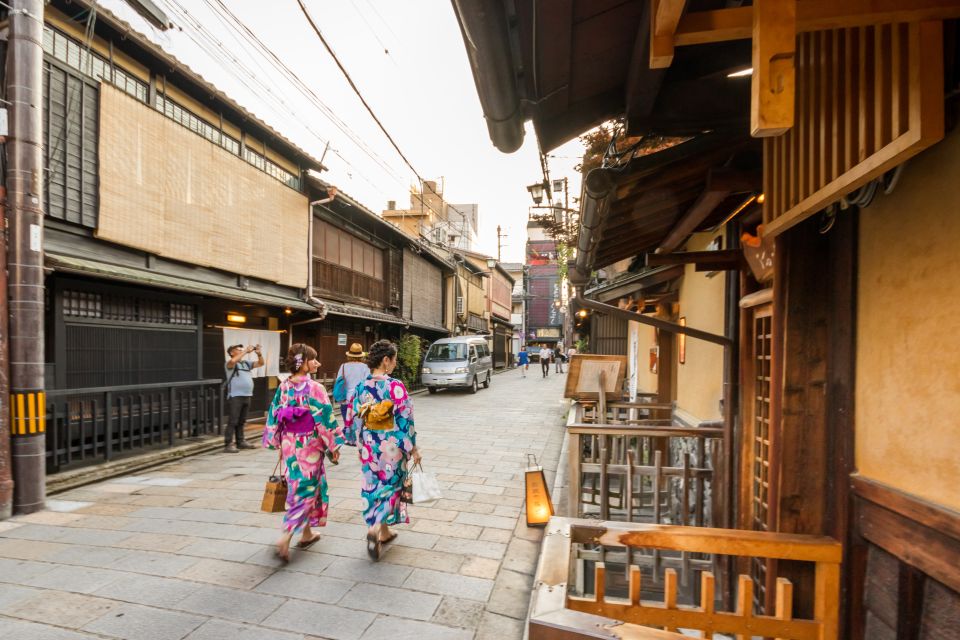
As you go, you’ll see the scenery that made places like Gion feel famous in Western pop culture—especially scenes associated with Memoirs of a Geisha. The point isn’t that Kyoto turns into a movie set. It’s that the setting is specific: wood, paper, stone, and narrow passages that look even better after dark.
Here’s what the walking part accomplishes for you:
- You experience Gion’s layout in sequence, instead of sampling random corners.
- You get explanations tied to what’s right in front of you (not what the guide thinks you should notice).
- You spend the most “worth it” time where the district feels alive at night.
And along the way, the guide also shares practical cultural context—what’s polite, what’s intrusive, and why the district works the way it does.
The geiko and maiko lesson that makes the neighborhood click
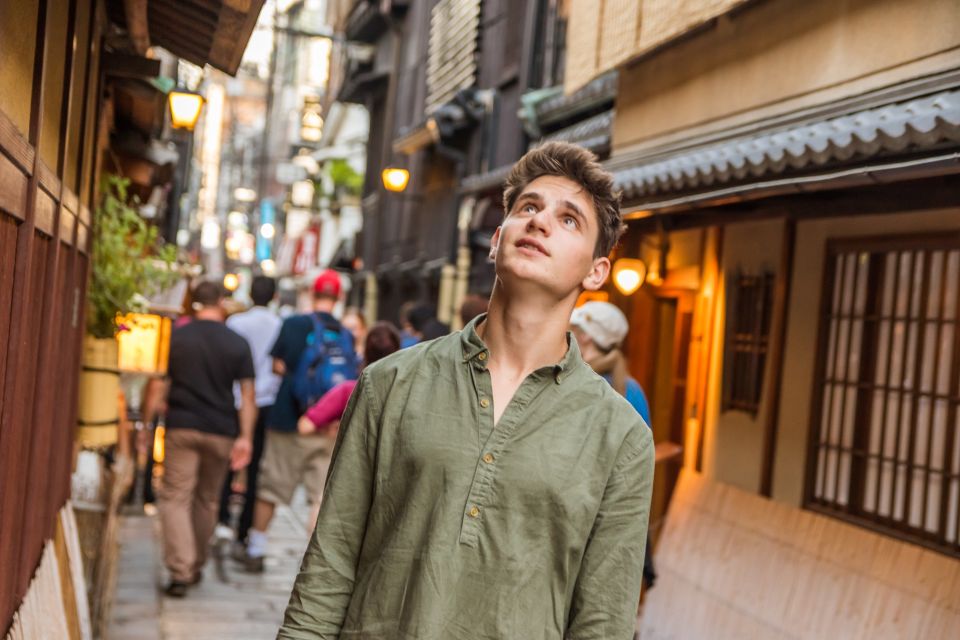
The biggest value is not just seeing people in traditional dress. It’s learning what the dress and grooming signal, and how rules guide behavior.
During the walk, the guide explains:
- Kimono and what different choices communicate
- Hairstyles and how they fit into training and identity
- Traditional rules and everyday routines linked to the work
- What geiko and maiko daily life looks like in practical terms
This kind of background changes how you observe. Without it, you may only notice costumes. With it, you start spotting details that help you understand status, training stages, and the larger culture of respect around performance.
I also like that the guide isn’t framing this as a tourist spectacle. Multiple guides in the tour experience are described as careful and protective of performers’ privacy, and that tone helps you understand what respectful watching looks like.
About those possible geiko or maiko sightings
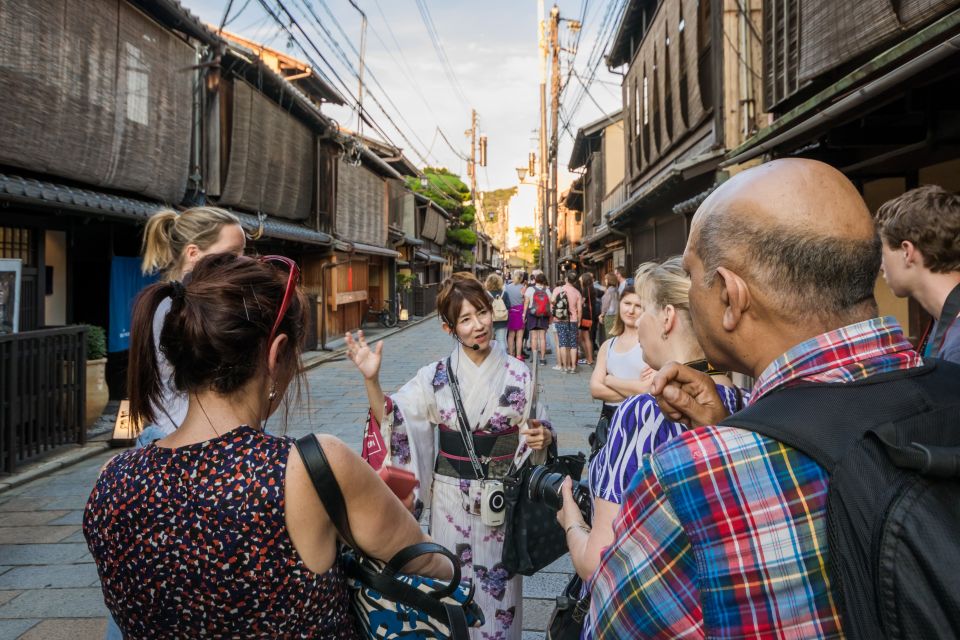
One of the reasons you book a Gion night walk is the chance to see geiko or maiko walking along the street. It’s not guaranteed, but it’s common enough that it’s part of the tour’s emotional payoff.
If you’re hoping for the full, movie-style moment, here’s the reality check you’ll want:
- You might see a few performers.
- You might not see any during your specific timing.
- When performers do appear, the tour stresses respectful behavior over getting close.
That respect shows up in the rules and in how you’re guided in the moment. For example, video recording is not allowed. You’ll also be guided to avoid crowding or pushing for angles.
In plain terms: this tour is better if you want to understand the culture and witness it quietly, not chase a photo challenge.
You can also read our reviews of more evening experiences in Kyoto





Price and value: is $21 a fair deal
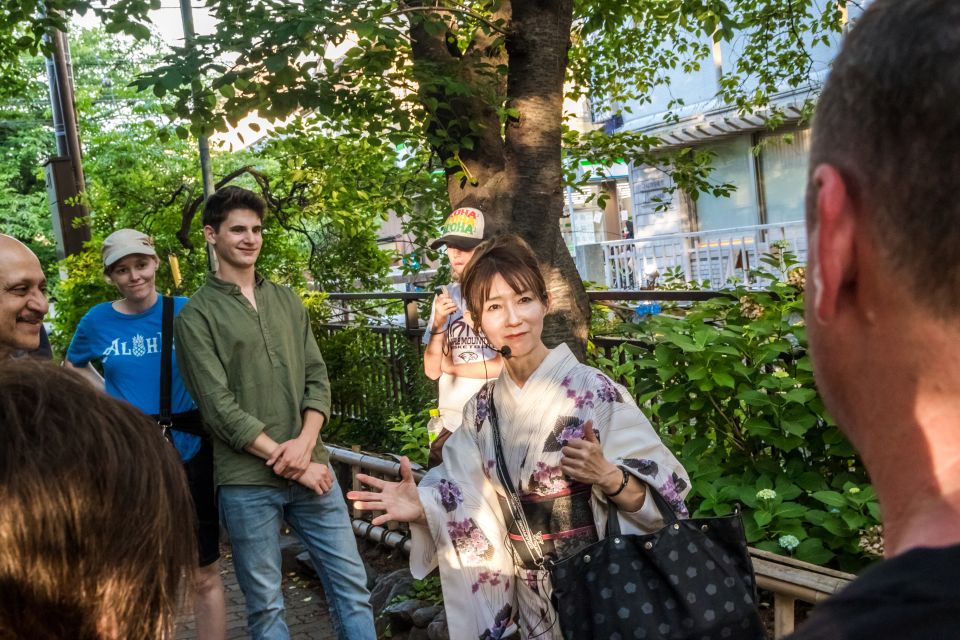
At $21 per person for about 100 minutes, you’re paying for three things: a licensed English-speaking guide, street-level context, and a nighttime route you might not navigate as well alone.
If you tried to DIY it, you’d still get the scenery. But you’d likely miss the “why.” That’s what you’re buying here: kimono and hairstyle explanation tied to the street, plus etiquette guidance when you encounter performers.
You also get a clear value trade-off. The tour favors respectful distance and narration over staged access. If you want “up close and guaranteed,” you may feel frustrated. If you want a meaningful introduction to Gion at night, the price feels reasonable for what you learn and how efficiently the time is used.
Practical tips to get the best night from your feet
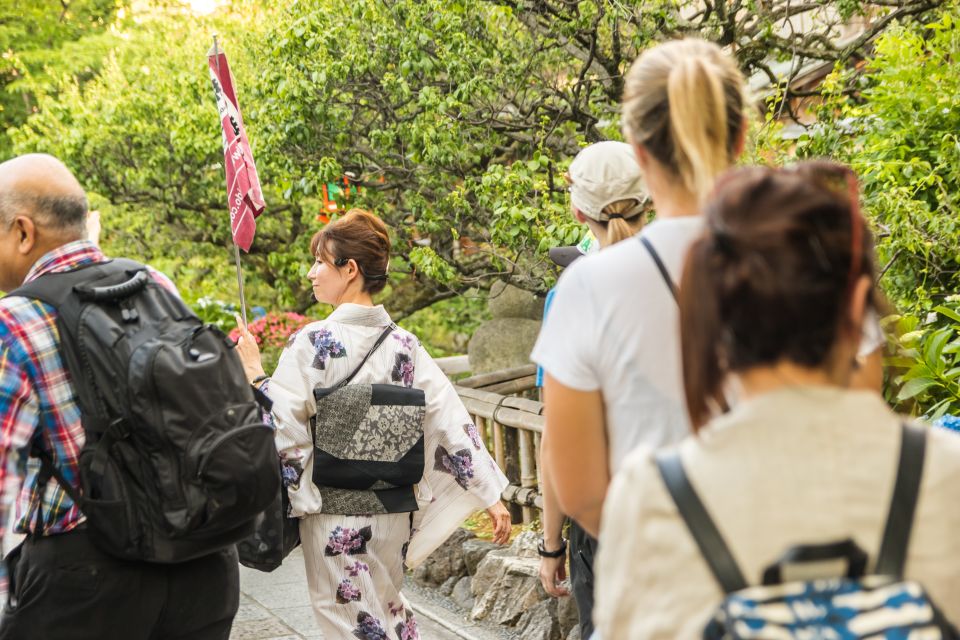
This is a walking tour. That sounds obvious, but night in Kyoto has a way of making small comfort issues into big annoyances.
A few things to keep in mind based on the setup:
- Wear shoes you trust. Gion streets include uneven pavement and tight corners.
- Bring a phone for browsing, not filming. Video recording is not allowed.
- Expect normal group dynamics. The guide keeps you on track so you don’t get separated at crossings.
- If rain happens, you’ll still be walking. Many guides keep the pace steady even when conditions change.
Also note the tour isn’t suitable for people with mobility impairments. If mobility is a concern, you’ll want to plan an alternative format before booking.
What to know before you go (small details that matter)
A few rules and requirements are worth knowing up front so nothing distracts you during the walk:
- Video recording isn’t allowed during the tour.
- Child discount needs a valid ID to be presented.
- The tour includes a professional English-speaking guide, but transportation to and from attractions is not included, and there’s no hotel pick-up/drop-off.
One more thing: the experience is listed as free-cancellation up to 24 hours in advance, which is helpful if Kyoto weather or schedules change.
Who this tour suits best
This tour fits best if you fall into one of these groups:
- You want a first serious look at Gion’s geiko and maiko world and need context fast.
- You prefer a respectful, quiet approach over crowding or photo chasing.
- You’d like a guided nighttime route instead of wandering and guessing.
It also works for mixed groups because it’s easy to follow: you walk, you listen, you see the district. Multiple guides described humor and personality in their delivery, which helps the experience stay light even when the topic is nuanced.
If your travel style is “I want guaranteed sightings and close access,” adjust your expectations. This tour is designed around etiquette and privacy, and that’s not a loophole.
Should you book this night walk in Gion
I’d book it if you want a guided introduction that makes Gion feel real, not random. For the price and time, you get a strong English narrative, a nighttime pacing that’s easier on first-timers, and practical explanations about kimono, hairstyles, rules, and daily life.
Skip it if you need guaranteed performer sightings, or if your top goal is video-style capture. The tour’s rules and respectful approach are central to the experience, not optional extras.
If you’re planning Kyoto at night anyway, this is one of the more thoughtful ways to do it. You’ll leave with a calmer, smarter way of looking at what you saw on the street.
FAQ
Where does the tour meet?
The meeting point is in front of Gion Omoide Museum, connected to the Izutsu Yatsuhashi pastry shop, at coordinates 35.0044519, 135.7723814.
How long is the night walk?
It runs about 100 minutes.
What language is the tour guide?
The tour is guided in English.
Is geiko or maiko sighting guaranteed?
No. Encounters are not guaranteed, but they often happen during the walking tour.
Is video recording allowed?
No, video recording is not allowed during the tour.
How much does it cost?
The price is $21 per person.
Is transportation or hotel pick-up included?
No. Transportation to/from attractions and hotel pick-up/drop-off are not included.
Is it refundable if my plans change?
Yes. Free cancellation is available up to 24 hours in advance for a full refund.
Do children need ID for a discount?
If you’re using the child discount, a valid ID must be presented.
Is the tour suitable for people with mobility impairments?
No, it is not suitable for people with mobility impairments.