REVIEW · KYOTO
Kyoto: Gion Magical Night Walking Tour with Geisha Trivia
Book on GetYourGuide →Operated by TravelinGood · Bookable on GetYourGuide
Gion feels different after dark. This 100-minute night walk from Minamiza Theatre turns the famous streets into a story you can actually follow, with geisha district trivia you can use while you’re sightseeing. You’ll also get that softer, lantern-lit mood that feels calmer than daytime, especially on the side streets.
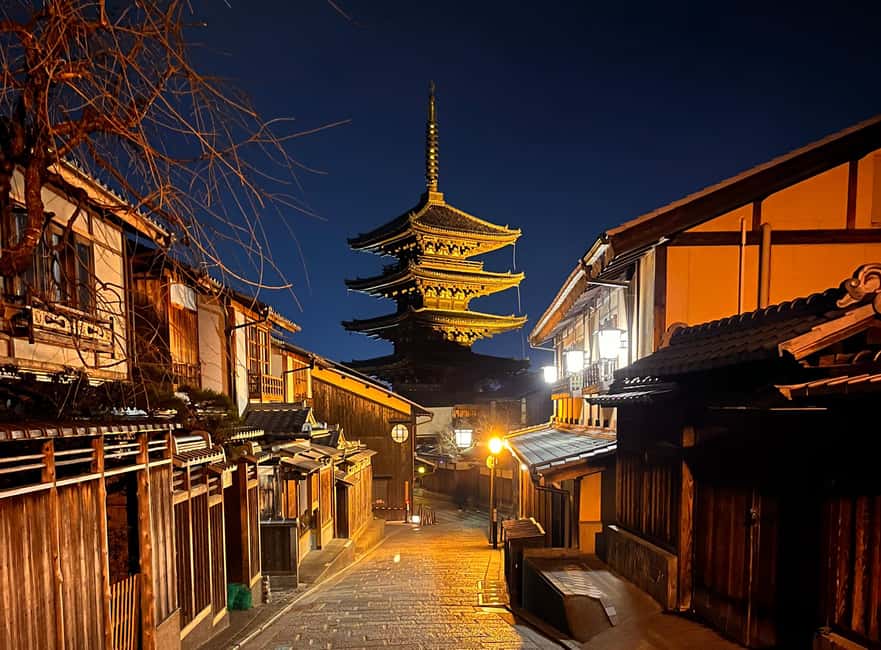
Two things I especially like: first, the small group size (up to 10) means you’re not lost in a crowd. Second, the tour doesn’t stop at talking about geisha. You move through multiple sacred spots—like a matchmaking shrine, a Buddhist pagoda illuminated at night, and a final shrine that’s over 1,000 years old—so the night has more shape than a simple photo stroll.
One consideration: the route includes stairs. It’s not set up for wheelchairs, baby carriages, or limited mobility, and you’ll also want to skip it if you’re feeling sick (it’s not suitable for people with a cold). Also, the start time is when the group leaves the meeting point—arrive early so you’re not rushed.
In This Review
- Key points before you go
- Gion after dark: what changes when the lights come on
- Minamiza Theatre start: finding your guide without stress
- Hanamikoji and geisha trivia: what to watch for on the street
- Shrines, matchmaking, and a glowing Buddhist pagoda at night
- Hidden pathways in Gion: quiet streets that feel local
- Your guide matters: small-group energy and real conversation
- Photo service and the value of a calm 100 minutes
- Timing tips: night plans and the February 3pm option
- Should you book this Kyoto Gion Magical Night Walking Tour?
- FAQ
- How long is the Kyoto Gion Magical Night Walking Tour?
- How many people are in the group?
- Where do we meet, and does the start time mean we should arrive early?
- Is this tour wheelchair accessible?
- Is the goal to meet geisha during the tour?
- Do children need to purchase tickets?
Key points before you go
- Up to 10 people keeps the walk personal and question-friendly
- Hanamikoji + geisha rules and trivia gives you context for what you’re seeing
- Matchmaking shrine, lit pagoda, and a 1,000+ year shrine add real nighttime atmosphere
- Photography service included so you can relax and still get great shots
- Hidden side paths help you see Gion beyond the main drag
- Start time = departure. Meet 5 minutes early at the Minamiza Theatre front
Gion after dark: what changes when the lights come on
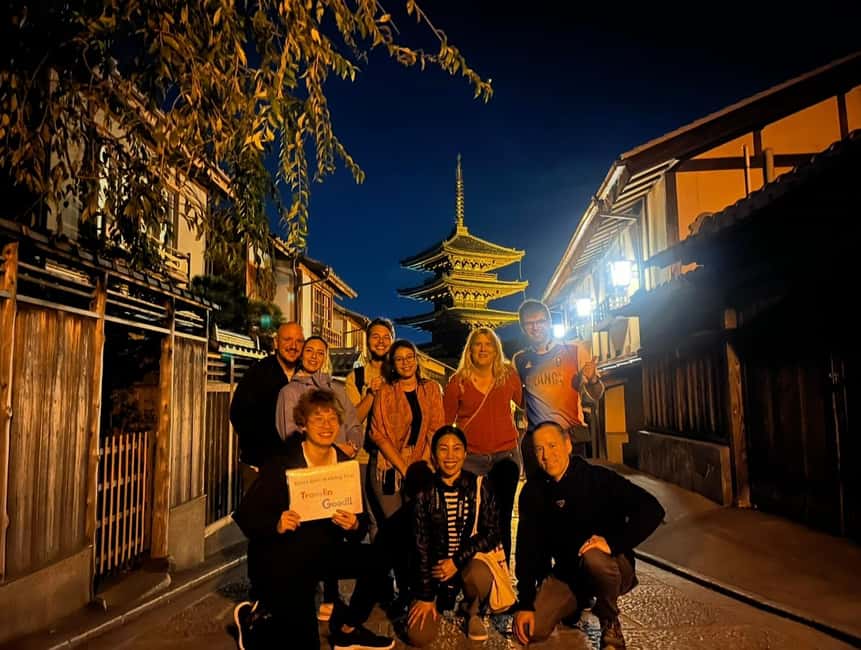
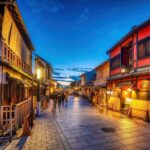
Gion at night has a different rhythm. By evening, the crowds thin out, and the lanes feel more like local streets than a sightseeing checklist. This walk leans into that. You’re not just looking for famous buildings—you’re learning how the district works, socially and spiritually, while the area is lit up for nighttime.
A big part of the magic is the way the guide frames what you see. On Hanamikoji, you’ll hear rules and trivia tied to geisha culture. That matters, because it turns random details—lanterns, gates, private-looking entrances—into meaning. Even if you’ve read about Kyoto before, this kind of street-level context helps it click fast.
You’ll also notice the pace feels steady and relaxed. Several guides keep things moving without feeling like a sprint. That’s a practical win in Kyoto, where a “quick walk” can still add up quickly once you’re dodging crowds and uneven sidewalks.
You can also read our reviews of more walking tours in Kyoto

Minamiza Theatre start: finding your guide without stress

Your meeting point is in front of Minamiza Theatre, and the guide holds a sign that says TravelinGood. Make sure you’re at the front side of the theatre, not the back entrance.
Here’s the detail that prevents problems: the listed time is the tour start time, meaning the group leaves when that time hits. Plan to arrive at least 5 minutes early, and if you’re coming by bus or taxi, give yourself extra buffer for traffic.
This is the kind of tour where being five minutes late can mean you miss the launch moment—when the guide sets expectations and starts the story. Once you’re rolling, it’s easy to get comfortable.
Hanamikoji and geisha trivia: what to watch for on the street
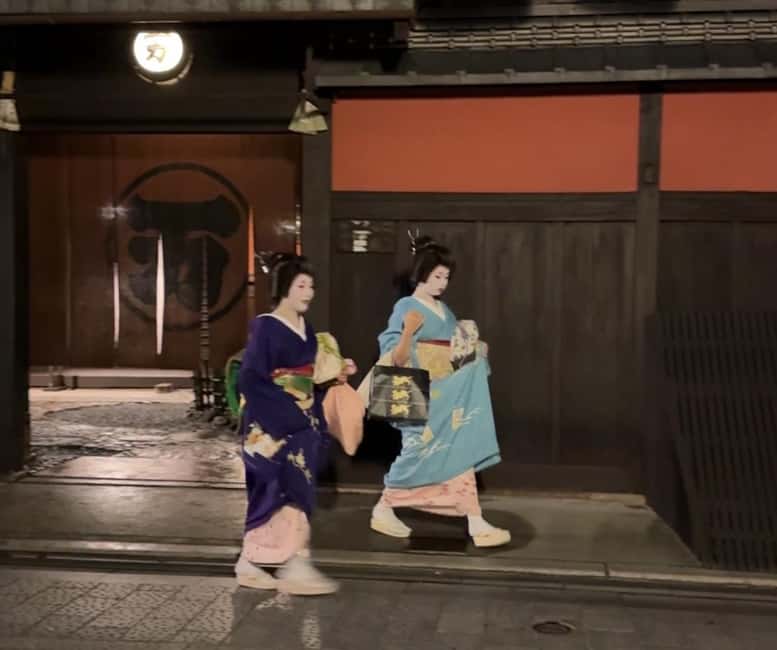
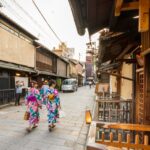
The walk begins by heading to Hanamikoji, Gion’s best-known geisha district street. This is where the night starts to feel like Kyoto folklore—slow footpaths, lantern light, and the quiet confidence of a neighborhood that knows it has visitors.
What makes this stop worth it is the geisha-focused explanation. You’ll learn the mysterious rules and trivia of geisha culture, presented in a way that helps you interpret what you’re seeing rather than just passively nodding along. Some guides also bring visuals and compare geisha and maiko with simple explanations, which makes the details easier to hold onto later.
You might even spot a real geisha. But there’s an important line: this tour is not intended for meeting geisha. Think of it as a chance to observe respectfully, not a guaranteed sighting. If you see someone, great. If you don’t, you still leave with a better understanding of how the district functions and why certain details matter.
One of the most helpful ways the guide adds value here: they give you the meaning behind what you notice from the sidewalk. When you understand the culture, you stop treating buildings like scenery and start treating them like pieces of a system.
Shrines, matchmaking, and a glowing Buddhist pagoda at night
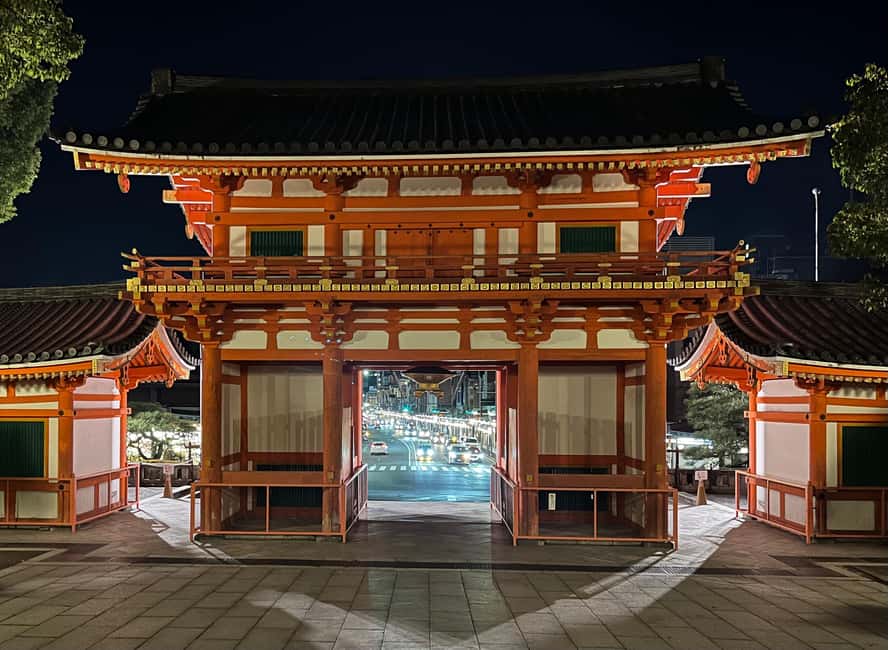
After Hanamikoji, the route shifts from street view to sacred calm. You’ll visit a matchmaking shrine, then continue toward a Buddhist pagoda outside the geisha district. The pagoda is illuminated at night, which makes it one of those Kyoto moments where your brain goes quiet for a second.
This is also where the tour becomes more than “geisha content.” The guide connects the spiritual side to what you’re experiencing in Gion at night. Reviews include examples of guides explaining the Shinto way to pray and even walking people through the ritual steps so you’re not standing there confused.
Then you’ll finish at a shrine that’s over 1,000 years old. That ending point changes the tone of the walk. Instead of racing toward photos, you reach a place that feels like Kyoto’s long timeline—something you can sit with for a moment, even while you’re still moving as part of the group.
If you like cultural context—how places get used, why people follow rituals, what symbols mean—this part of the route is where the tour earns its price.
Hidden pathways in Gion: quiet streets that feel local
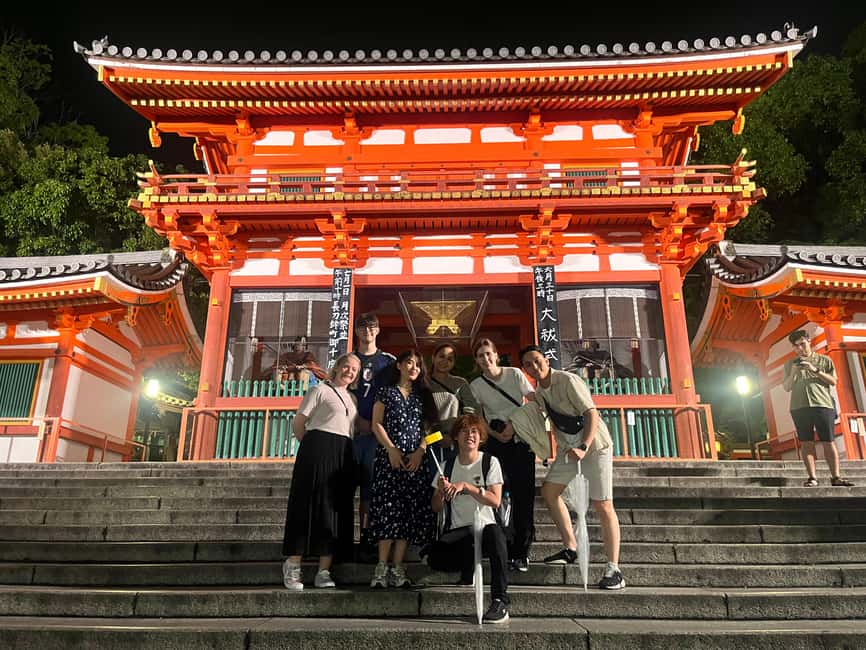
One of the best reasons to do this at night is that you get access to side lanes that feel calmer and more atmospheric. The tour doesn’t just stay on the main street. You’ll go through hidden spots and pathways where the light, shadows, and small details create a more intimate picture of Gion.
You’ll likely notice a big practical benefit: it’s easier to ask questions without getting shoved by passersby. With groups capped at 10, the guide can check in with you, and you don’t feel like a number.
Another practical upside: the walking is handled in a way that many people find manageable. Multiple reviews mention that it’s not overly exhausting, and even older visitors felt comfortable with the pace. Still, remember the earlier caution—stairs exist, so mobility limits can become a deal-breaker.
If you already saw Gion during the day, this tour is a strong second look. Same district, different behavior. Nighttime changes what stands out and what you can actually hear and ask about.
You can also read our reviews of more evening experiences in Kyoto

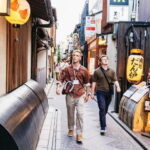
Your guide matters: small-group energy and real conversation
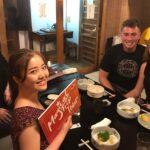
In Kyoto, guide style is often the difference between a tour that’s just okay and one that stays in your head. Here, small-group size is the built-in advantage. It keeps the guide focused and makes Q&A feel natural instead of awkward.
English-speaking guides lead the walk, and the vibe tends to be friendly and engaging. You may hear stories and practical suggestions tied to what’s happening around Kyoto. Some guides have shared festival happenings, restaurant ideas, and even extra helpful touches like a hand warmer in colder months.
If you’re curious about what that energy can look like, you might see names come up in past groups: Pam, Wasabi (noted as being from Kyoto), Hina, Shino, Masami, Yuri, Sho, Kevin, Ricky, Liki, Karen, and others. You can’t pick the guide here from the information provided, but the pattern is clear: the best parts come from how the guide explains details and keeps the group comfortable.
And because the group is small, you can ask follow-up questions while you’re walking—about geisha culture rules, shrine meaning, or even basic Kyoto etiquette. That’s where you stop collecting facts and start understanding how the pieces fit.
Photo service and the value of a calm 100 minutes
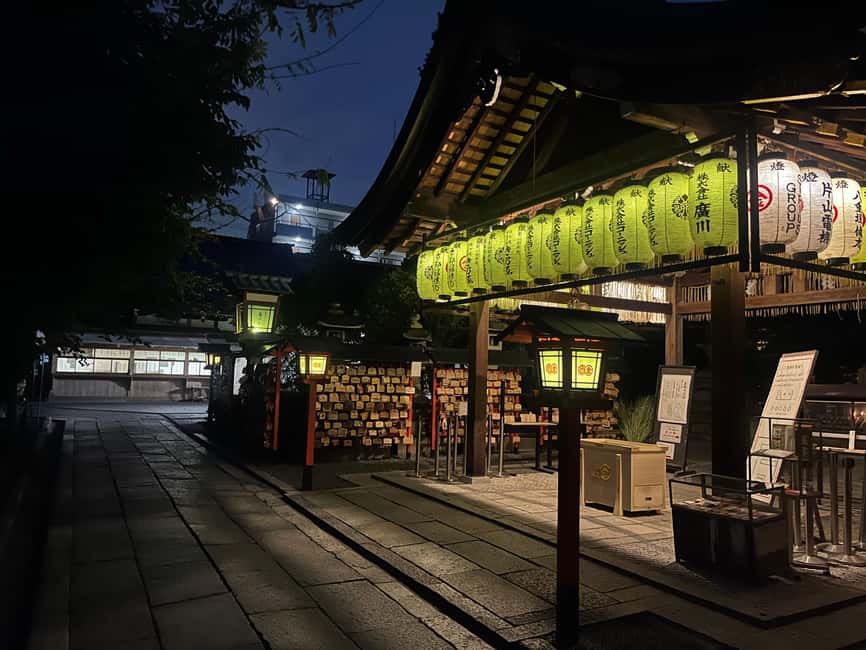
The price is listed at $24 per person for about 100 minutes, with a guide and a photography service included. That’s not a huge budget for a guided walk that combines multiple cultural stops—Hanamikoji, a matchmaking shrine, a lit pagoda, and a shrine over 1,000 years old.
The photography service is a real value lever. You get help getting photos without constantly switching between walking, framing, and asking strangers to take shots. You can focus on the experience while still leaving with nighttime images you’ll want later.
Is it worth it if you’re the type who likes to roam independently? Maybe not. If you already know exactly what you want to see and you’re confident reading shrine etiquette and cultural details on your own, you could do Gion at night without a guide.
But if you want the shortcut—the meaning behind what you’re seeing—this tour is built for that. Nighttime is also when context matters most. Lantern light and quiet streets can look romantic even when you’re missing the background. A good guide helps you catch the point.
Timing tips: night plans and the February 3pm option
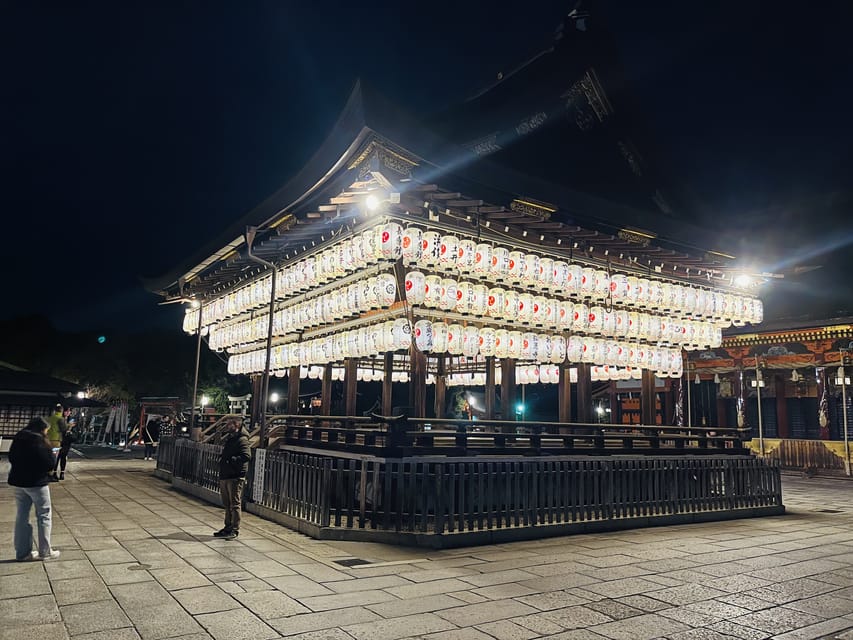
Evenings are the whole idea here. The “Gion at night” atmosphere is the selling point, and the tour is designed for the district once it settles into its nighttime mood.
There’s also a winter limited offer you should know about. In February, the tour may run with a starting option at 3pm. That can be smart if you have dinner reservations later or you want to explore while it’s still daylight, then finish as the lights come up.
For families, the tour also notes that children under 6 don’t need to purchase tickets. It’s a walking tour, but people have mentioned kids enjoying it too—especially because it blends stories, culture, and nighttime sights rather than turning into a lecture.
Should you book this Kyoto Gion Magical Night Walking Tour?
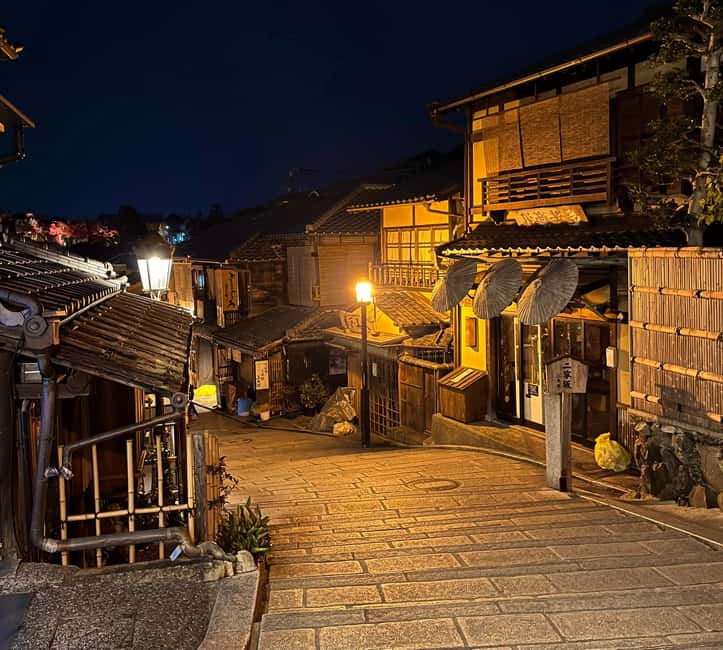
Book it if you want a small-group night walk that gives you geisha culture context and adds real spiritual stops, not just street photos. The combination of Hanamikoji, illuminated sights like the Buddhist pagoda, and a final shrine over 1,000 years old makes the time feel full.
Skip it (or choose another style of activity) if you need wheelchair-friendly access. The route has stairs, and the tour is not accessible for wheelchairs, baby carriages, or limited mobility.
Also, if your only goal is to meet geisha, keep expectations realistic. This isn’t a meeting tour. You might see one, but the real win is understanding the district at night and learning how to look at it with more sense.
If that sounds like your kind of Kyoto evening, this one is easy to recommend.
FAQ
How long is the Kyoto Gion Magical Night Walking Tour?
The tour lasts 100 minutes.
How many people are in the group?
It’s a small group, limited to up to 10 participants.
Where do we meet, and does the start time mean we should arrive early?
Meet in front of Minamiza Theatre, on the front side. The guide holds a sign that says TravelinGood. The listed time is the tour start time (when the group leaves), so arrive at least 5 minutes early.
Is this tour wheelchair accessible?
No. The tour is not accessible due to stairs along the route, and it isn’t suitable for wheelchair users or guests with limited mobility.
Is the goal to meet geisha during the tour?
No. The tour is not intended for meeting geisha, though you might be lucky and spot one.
Do children need to purchase tickets?
Children under 6 years old do not need to purchase tickets.