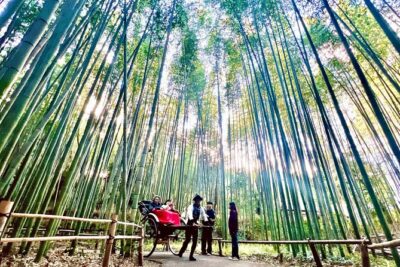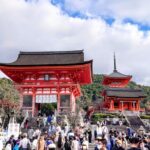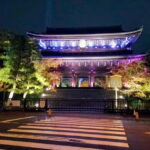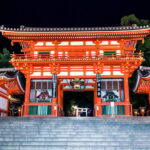
Kyoto by bike feels like a secret. This Hidden Kyoto E-Biking tour sends you past major sights like UNESCO-listed Kinkakuji, then into quieter backstreets where Zen gardens actually feel calm. You get a fun mix of top temples and lesser-seen religious spots, all on an easy half-day ride.
I like how practical the whole thing is: you start at NORU, get set up with a rental e-bike and helmet, and you ride at a pace that still lets the stops feel meaningful. I also love that the guides bring the culture in a way that makes sites click, with stops tied to topics like Shinto vs. Buddhism, Zen, and temple visiting etiquette.
One thing to consider: timing matters. You must arrive about 15 minutes early, and if weather turns bad the tour can be rescheduled or refunded. Also, at least some guides lean heavier on storytelling at each stop, so if you prefer lots of walking and very little talking, you may want to pick your departure with that in mind.
In This Review
- Key highlights worth marking on your map
- Kyoto’s quiet side streets on electric-assist bikes
- Price and what you actually get for $116
- Meet at NORU: bike fitting, briefing, and timing that matters
- The route: Kinkakuji, Zen temple complex, and Kyoto’s calmer lanes
- Stop-by-stop: what each temple stop gives you
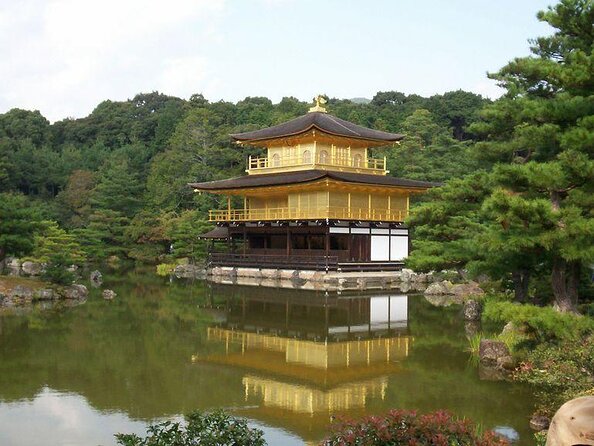
- Kinkakuji Temple: the big landmark start
- Daitoku-ji Temple Complex: Zen atmosphere and deeper context
- Kitano Tenmangu Shrine: a shrine stop with Kyoto rhythm
- Koto-in: quiet interior gardens and a slower pace
- Zuihoin: finishing with a reflective temple moment
- How hard is the ride, really?
- E-bike handling, safety, and why the guide’s role matters
- Tea stop vibes and what to do when you get hungry
- Best departure time: morning vs midday rides
- Who should book this Hidden Kyoto bike tour
- Should you book it
- FAQ
- What is the duration of the Hidden Kyoto E-Biking tour?
- Where does the tour start and end?
- What is included in the price?
- What sights will we visit?
- How long is the biking portion?
- Is there a minimum age?
- What should I bring for the ride?
- What departure times are available?
- What happens if the weather is poor?
Key highlights worth marking on your map
- Electric-assist makes hills manageable so you can focus on the sights, not the workout.
- Small group size (max 8) keeps the ride relaxed and helps the guide watch everyone.
- Big name + side-street pairing: Kinkakuji and other major sites, then quieter lanes that feel local.
- English-speaking route coordinator with strong culture talk, including temple customs and Zen themes.
- Bike + helmet + water included so you’re not starting the day scrambling.
- Multiple departure times (8:30, 9, 12:30, 1) make it easier to fit early or mid-day plans.
Kyoto’s quiet side streets on electric-assist bikes
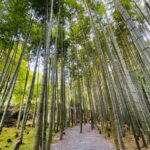
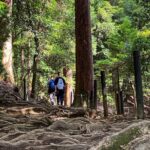
This is one of those Kyoto experiences that changes how you feel about the city. You still hit major landmarks, but you don’t feel trapped by tour crowds because you’re traveling like a local—moving down side streets, slipping between neighborhoods, and reaching places that are easier to access by bike than on foot.
The electric-assist part is a big deal. Kyoto has plenty of gentle chaos at street level, and it also has hills. With the e-bikes, the ride stays easy enough for most people age 13+ to enjoy without arriving wiped out.
And the best part is how the day is designed for seeing more than the usual list. You get a route that combines celebrated temples and shrines with smaller, quieter temple spaces where you can slow down and notice details.
You can also read our reviews of more cycling tours in Kyoto
Price and what you actually get for $116
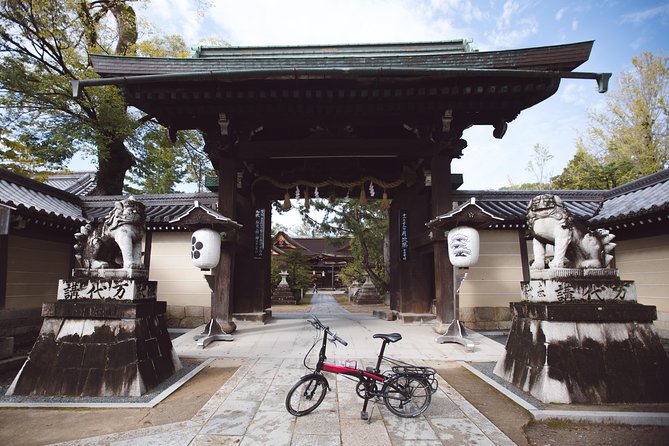
At $116 per person for about 3 hours 45 minutes, the value comes from what’s included and how it saves your legs. You’re not just paying for a ticket to a sight. You’re paying for a guided route, an English-speaking coordinator, a rental bike, a helmet, and water.
You can also think of this as paying for time. In a city where public transit, walking lines, and crowd timing can eat up your day, getting on a bike lets you move efficiently between key spots. You don’t have to pre-plan a complicated route on your own, and you still get to stop and explore.
Food is not included (unless specifically offered), so you’ll likely want to plan a snack or meal after. That’s normal for a half-day tour, but it’s worth keeping in mind so you don’t end up hungry while you’re trying to enjoy the temples.
Meet at NORU: bike fitting, briefing, and timing that matters
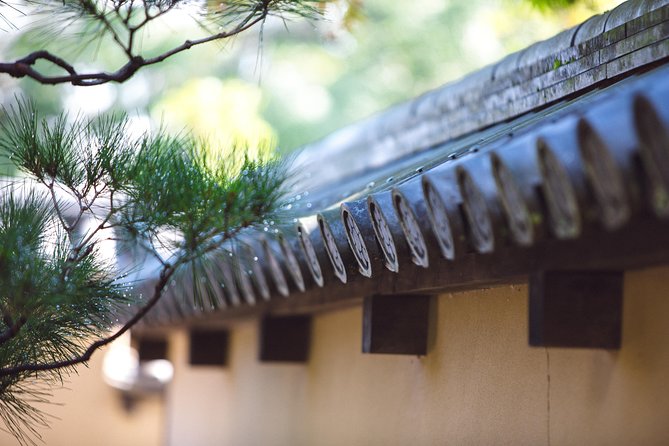
The tour starts at NORU Kyoto Bike Tours, at 429-22 Takigahanachō, Kamigyo Ward. It’s near public transportation, which matters because you’re starting early and you don’t want to burn time getting there.
Start times include 8:30, 9, 12:30, and 1pm, and you’ll be asked to arrive 15 minutes before departure. Show up late and you can lose your spot without a refund, so treat arrival like you would a train connection.
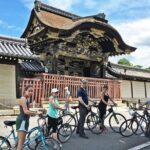
The bike setup is part of the fun. You get outfitted with a rental bike and helmet, and you’re trained on how the e-bike works before you head out. Even if you haven’t ridden in years, the training is designed to get you comfortable quickly, because the route mixes sightseeing with actual movement.
The tour also caps at 8 travelers, which keeps the briefing and bike checks from turning into a production line. If you like asking questions, this format makes it easier.
The route: Kinkakuji, Zen temple complex, and Kyoto’s calmer lanes
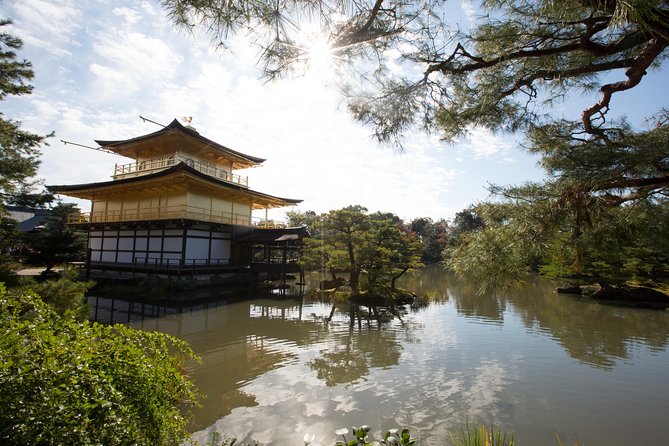
Your morning (or afternoon) route is built around a mix of famous sites and quieter corridors. It begins with an easy ride distance (about 7 kilometers / 4.3 miles of cycling time), but the total experience runs longer because of stops and time for the guide’s explanations.
The main idea is this: you get a classic Kyoto anchor site early, then the route shifts into lesser-known streets and intimate temple areas. That’s what makes it feel different from the “photo at the gate” style of sightseeing.
Along the way, you visit top religious sites such as Kinkakuji, and then you continue into the Daitoku-ji Temple Complex, followed by Kitano Tenmangu Shrine. After that, the route includes smaller temple stops like Koto-in and Zuihoin, where the mood is often more quiet and reflective.
The finish takes you back to your starting point, so you’re not stuck figuring out where you’ll end up. That makes it easier to plan lunch or your next Kyoto stop right after the ride.
Stop-by-stop: what each temple stop gives you
You can also read our reviews of more tours and experiences in Kyoto
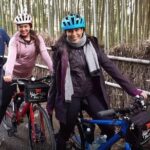
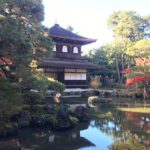

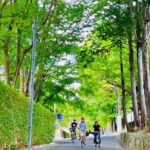
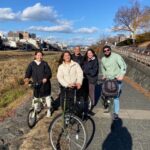
Kinkakuji Temple: the big landmark start
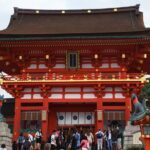
You begin with Kinkakuji, an easy way to set the tone. It’s UNESCO-listed, so it’s one of those sights you can’t really skip in Kyoto. Starting here also helps because you’re fresh and your bearings are clear before the route turns quieter.
Practical tip: once you’ve had your first look, pay attention to what the guide emphasizes about how to move, where to pause, and how to respect temple grounds. It sets you up for better, calmer viewing in the next stops.
Daitoku-ji Temple Complex: Zen atmosphere and deeper context
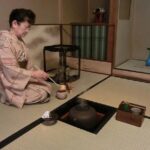
Next comes Daitoku-ji, a temple complex that fits the “Hidden Kyoto” theme well. This is where the tour starts to feel less like a checklist and more like a guided understanding of Zen spaces and temple culture.
The guide’s explanations often focus on how Japanese religious traditions shape behavior in and around temples. You might hear comparisons like Shinto vs. Buddhism, plus how Zen relates to the way gardens and quiet spaces are experienced.
Kitano Tenmangu Shrine: a shrine stop with Kyoto rhythm
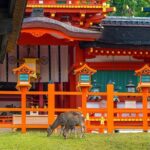
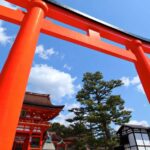
Then you reach Kitano Tenmangu Shrine, which adds a different feel than a temple complex. Shrines and temples follow different customs, and a good guide makes that distinction practical, not just theoretical.
This is also a good stop for photos, but the smarter move is to balance pictures with a short pause to watch the flow of people. On a bike tour, you can go in and out smoothly, which makes it easier to avoid feeling rushed.
Koto-in: quiet interior gardens and a slower pace
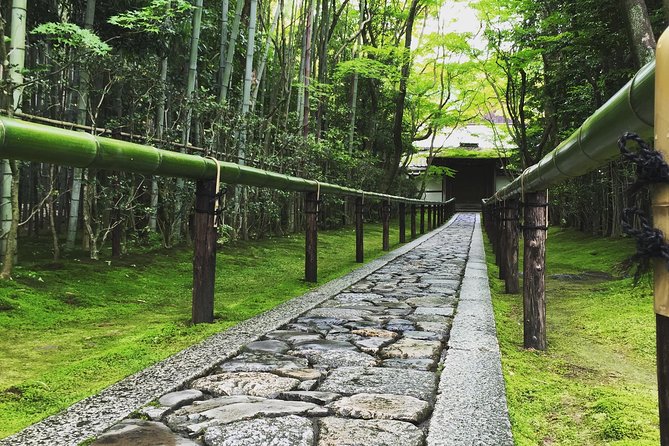
After the larger shrine and temple complex stops, you get to smaller spaces like Koto-in. These are the moments that often make the tour feel special, because they’re less about crowds and more about atmosphere.
If you enjoy garden details and small-scale temple design, this part of the route helps you see Kyoto as more than a set of famous gates.
Zuihoin: finishing with a reflective temple moment
The tour closes with Zuihoin. By this point, you’ve already cycled through the city’s better-known tourist pull, so the mood here tends to feel calmer.
This is a great time to slow down and let the guide’s cultural talk connect the dots. If you’re the type who likes understanding why places feel the way they do, this last stop is where that payoff often lands.
How hard is the ride, really?
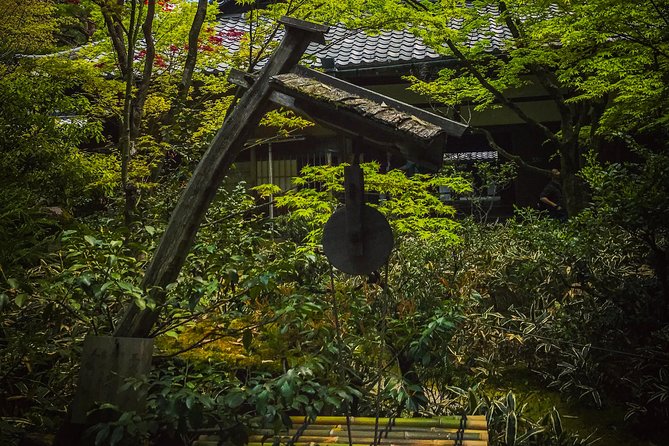
If you’re worried about fitness, the tour is built for “easy, safe, and fun.” The cycling portion is short enough that most people can handle it, especially with electric assist.
Still, Kyoto is Kyoto. You may hit some uphill sections, and you’ll also deal with real streets, curves, and junctions. The good news is that the tour format is relaxed, and the small group size helps the guide keep track of everyone.
Here’s what I’d plan for:
- Wear comfortable shoes with decent grip.
- Expect some standing around at stops (temple visits take time).
- Bring a layer. Morning and afternoon Kyoto can feel cool, even when the sun shows up.
If it rains, it can still be a great day—just be ready. Some guides also bring gear for cooler or rainy weather, but you’ll do best if you pack your own rain protection too (coat or poncho and weatherproof gloves if you have them).
E-bike handling, safety, and why the guide’s role matters
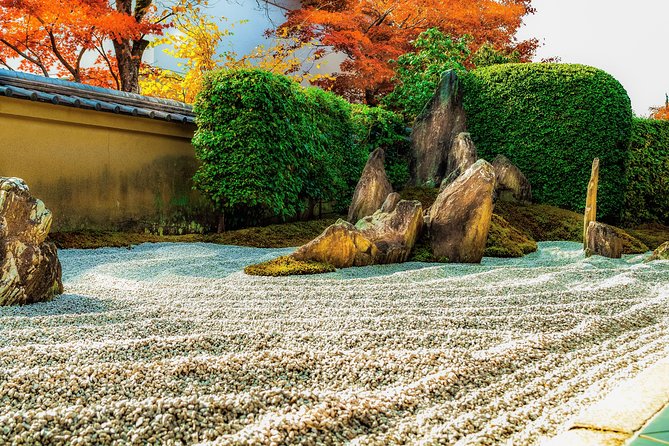
Even if you’re nervous about riding, the tour is set up to get you comfortable fast. The bike training matters because the route mixes scenic sections with normal city riding. Once you understand how the assist works, you can focus on the route rather than your balance.
The guide’s role goes beyond directions. This tour often includes culture lessons tied to what you’re seeing. Many guides—like Yuta, Michael, Sean, Henry, and Shizuka—are praised for turning Kyoto history and temple customs into clear, story-shaped explanations.
You may hear:
- temple etiquette tips that help you behave correctly and calmly
- context for Zen Buddhism and how it shows up in spaces
- cultural topics connected to Kyoto life, like geisha and maiko history
- practical guidance for enjoying the sites without feeling lost
If you’ve visited Japanese temples before and you felt like you were missing the “why,” that’s what this tour tries to fix. It helps you read the place as you stand inside it.
Tea stop vibes and what to do when you get hungry
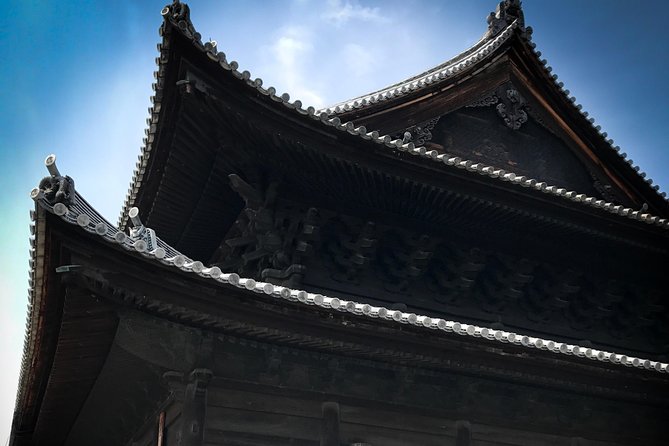
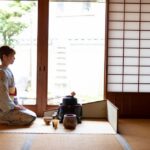
You’ll likely make a tea stop during the ride. The tour includes water, but the tea and any snacks at that stop are not listed as included. That means you should treat it as a nice break where you can buy something small if you want.
This is also one of those tour moments where the guide’s recommendations can help. Several guides are known for sharing where to eat nearby after the ride, which is useful because it’s hard to pick food when you’re on the move.
After the tour, you’ll be back at the start, so it’s easy to head to your next plan. If you’re doing a second day of sightseeing, this is a good “reset” activity because you’re not left tired and stuck.
Best departure time: morning vs midday rides
You’ve got four start windows: 8:30, 9, 12:30, and 1pm. If you want the ride to feel more relaxed and you care about fewer people around certain areas, a morning departure often helps.
Midday departures can work well too, especially if you’re pairing this with later temple time or shopping. The key is to plan around your stamina and weather. If it’s hot and humid, the e-bike helps, but you’ll still enjoy it more if you pace yourself during stops and hydrate.
Check the day’s weather before you commit. This experience depends on good weather, and if it’s canceled due to poor conditions you’ll be offered a different date or a full refund.
Who should book this Hidden Kyoto bike tour
This tour is a strong match if you want:
- a bike-based way to see Kyoto beyond the busiest lanes
- a mix of major attractions and calmer temple stops
- a guide who connects what you see to Shinto/Buddhist/Zens ideas and temple manners
- an easy e-bike route without needing advanced cycling skills
It’s also a good option for couples, friends, and solo travelers who want structure but don’t want to feel herded. With a max of 8 travelers, the vibe stays personal.
If you hate waiting during sightseeing stops or you want almost pure cycling with minimal talking, this might feel a little stop-heavy. But if you like understanding context while you walk through gardens and halls, it fits beautifully.
Should you book it
I’d book this if you want a half-day Kyoto experience that feels different from the usual “crowd, photo, repeat” routine. The electric-assist bikes make it practical, and the route’s mix of Kinkakuji, Daitoku-ji, Kitano Tenmangu, and smaller temple stops like Koto-in and Zuihoin makes it feel like real Kyoto, not a theme park version.
Skip it only if you’re very sensitive to rain, you can’t arrive on time, or you prefer long, silent wandering over guided cultural storytelling.
FAQ
What is the duration of the Hidden Kyoto E-Biking tour?
It runs about 3 hours 45 minutes.
Where does the tour start and end?
It starts at NORU Kyoto Bike Tours, 429-22 Takigahanachō, Kamigyo Ward, Kyoto. It ends back at the meeting point.
What is included in the price?
The tour includes an English-speaking route coordinator, a rental bike, a rental helmet, and water.
What sights will we visit?
The route includes Kinkakuji Temple, Daitoku-ji Temple Complex, Kitano Tenmangu Shrine, Koto-in, and Zuihoin.
How long is the biking portion?
The ride highlights about 7 kilometers (4.3 miles) of cycling.
Is there a minimum age?
Yes. The minimum age is 13 years.
What should I bring for the ride?
Wear comfortable clothing and shoes, and consider bringing weather protection if rain is possible. Water is included, but food is not included unless specified.
What departure times are available?
Departures are at 8:30, 9:00, 12:30, and 1:00.
What happens if the weather is poor?
The experience requires good weather. If it’s canceled due to poor weather, you’ll be offered a different date or a full refund.