REVIEW · KYOTO
Bike Tour Exploring North Kyoto plus Lunch
Book on Viator →Operated by Cycle Kyoto · Bookable on Viator
Kyoto by bike feels like you’re borrowing a local route. You get a guided spin through North Kyoto that mixes famous sights with calmer religious stops, all while staying on comfortable bikes and a plan that doesn’t waste time. I like that it’s small-group and paced for real people, not tour-bus commuters.
Two standouts for me are the way the tour handles the basics for you (bike, water, and temple entrance fees) and the guide storytelling, where Shinto and Buddhism context, plus geisha history, comes through in plain language. One catch to consider: you do have to be comfortable riding for hours, and on warmer days a bit of effort will pop up even on an easy route.
In This Review
- Key things I’d bet on
- North Kyoto is the sweet spot for cycling
- Your start at Cycle Kyoto at 10:00 am
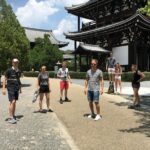
- Nishi Honganji: a big wooden moment without the noise
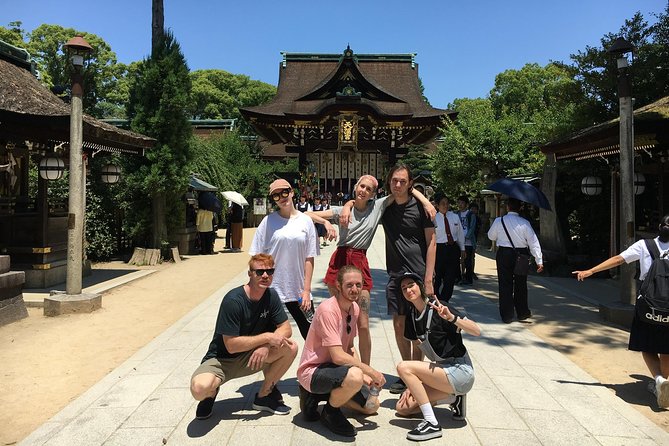
- Kitano Tenmangu: you’ll see shrine life as locals do
- Kinkakuji Golden Pavilion: the stop everyone wants, run with care
- The former imperial grounds ride: history on wheels
- Gion: a quick look at Kyoto’s geisha district
- Guides make this tour: the storytelling that turns stops into meaning
- Bikes, pace, and the real “fitness level” question
- Lunch in Kyoto: Japanese food that actually fuels the afternoon
- Value check: why $106.12 can feel like a deal
- Logistics that matter: timing, group size, and weather
- Who should book this tour?
- Should you book this North Kyoto bike tour?
- FAQ
- How long is the bike tour?
- What is the price per person?
- What time does the tour start?
- How many people are in the group?
- What’s included in the tour price?
- Do I need to bring my own bike?
- What fitness level do I need?
- Where do I meet the guide?
- Are dietary needs accommodated?
- What if the weather is bad?
Key things I’d bet on
- Small group (8 max) means less waiting and more time listening
- Temple fees included, so you focus on sights instead of tickets
- Cannondale bikes + guide support make the whole day feel manageable
- Kinkakuji plus a breather includes commentary and an ice-cream moment
- Lunch is truly part of the plan, not an afterthought
- Routes are tuned to skill and conditions, with water on hand
North Kyoto is the sweet spot for cycling
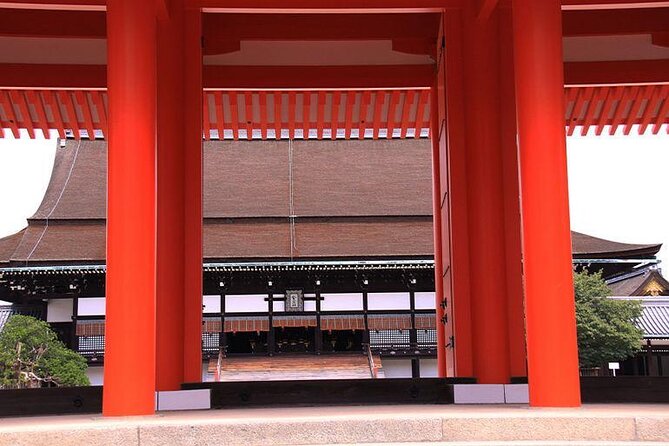
North Kyoto is where you can feel the city without the nonstop crowd pressure of the most central lanes. This bike tour is built for that. You spend the day connecting shrine and temple visits with road riding that doesn’t feel like you’re just hopping from one photo spot to the next.
What makes it work is the mix. You get your big-name stop at Kinkakuji, then you also visit quieter religious sites where you can actually hear yourself think. If you like Kyoto best when it’s human-scaled and walkable, this is a smart way to do it.
You can also read our reviews of more cycling tours in Kyoto
Your start at Cycle Kyoto at 10:00 am
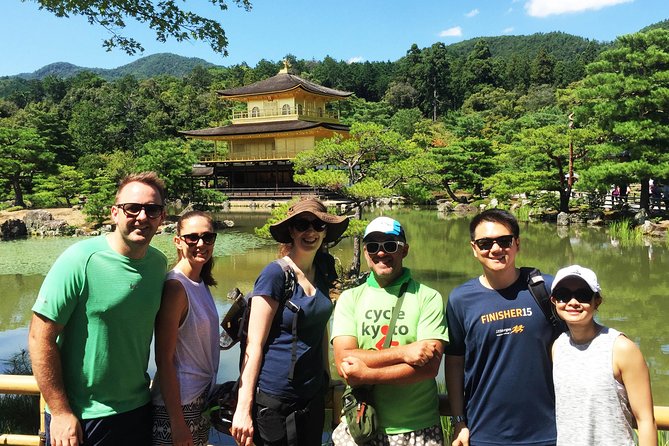
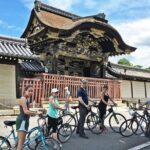
The tour kicks off at Cycle Kyoto in Minami Ward (7 Higashikujō Nishisannōchō). You meet your guide and the rest of the group, then get your bike fitted before you roll. It’s the kind of start that helps a lot if you’re not a daily cyclist. You’re not thrown into traffic blind.
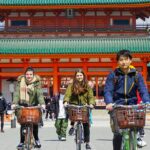
The bikes are high-quality Cannondale models, and the ride setup is part of the experience. In past departures, riders also mentioned helmet availability, which is a comfort when you’re spending a lot of time on the road.
The day ends back at the meeting point, so you’re not thinking about train connections or where to leave a bike. Simple.
Nishi Honganji: a big wooden moment without the noise
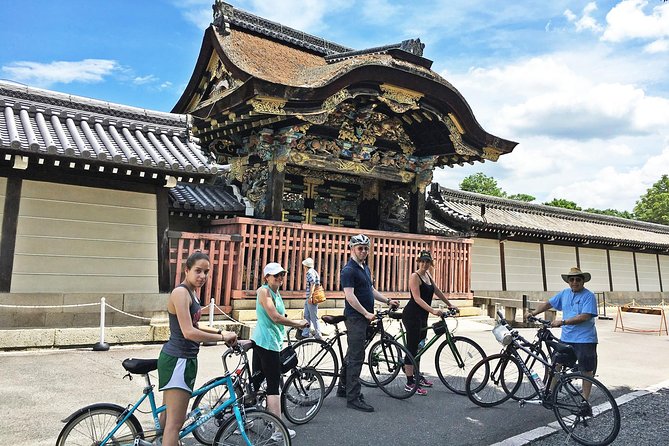
Your first temple stop is Nishi Honganji. You’ll step into one of the less-visited religious sites in Kyoto, and one of the largest wooden buildings in the world. That combination matters. The scale is jaw-dropping, but the vibe is calmer than the busiest ticket lines.
This is a great early stop because it sets the tone. Before you head toward the day’s headline attractions, you get a sense of how Kyoto’s religious architecture works, and why these spaces feel different from western churches or temples.
Drawback? If you’re chasing only the most famous landmarks, this one can feel quieter on paper. In practice, it’s often the kind of stop that sticks because you’re not rushing.
Kitano Tenmangu: you’ll see shrine life as locals do
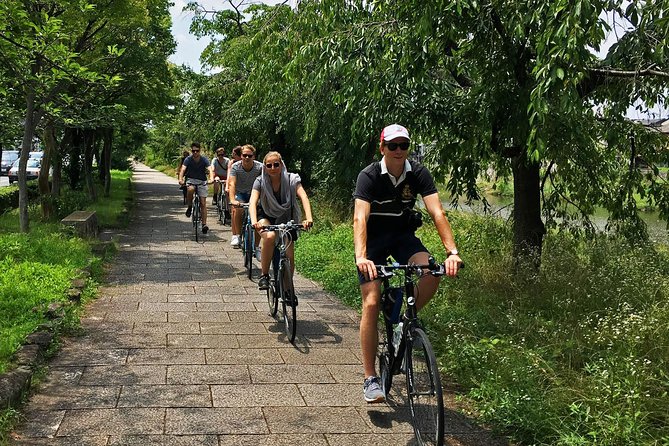
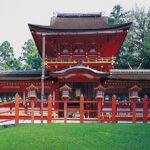
Next is Kitano Tenmangu Shrine. The key thing here is mood. This is where local shrine goers show up and you see the shrine as a living place, not just a background scene.
The guide typically brings the shrine’s past into focus, then helps you read what you’re seeing in front of you. If you enjoy learning what symbols mean, this stop pays off. It also gives your legs a short pause, which you’ll appreciate before the longer, more famous stretch later.
Kinkakuji Golden Pavilion: the stop everyone wants, run with care
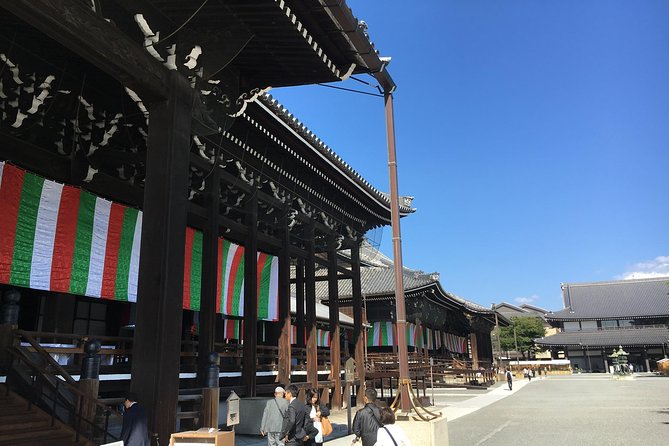
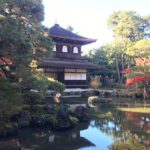
Then comes Kinkakuji, the Golden Pavilion. This is the big one, and the tour is timed so you’re not just sprinting in and out.
The guide commentary helps you understand why Kinkakuji is famous and what you’re looking at beyond the gold. There’s also a small break for photos and an ice cream moment, which is just practical. You’ll want it in a long day.
One small physical consideration: the approach can include at least a bit of incline, so you should be ready for a modest push. Nothing extreme, but it’s not a flat glide either.
You can also read our reviews of more tours and experiences in Kyoto
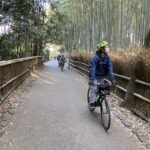
The former imperial grounds ride: history on wheels
Between the headline temples and the later city streets, there’s a ride through the former seat of Japan’s imperial family. You learn about its past as you move through the grounds, which is a smart format. You get the context without having to spend the entire day standing still.
This stretch also functions like a breather. It breaks up the day so the riding doesn’t turn into a checklist. You’re still moving, but you’re not burning energy just to hit another spot.
Because the details of the site aren’t spelled out in the day’s short segments, your guide’s narration matters here. If you like story-driven sightseeing, this is where you’ll feel it most.
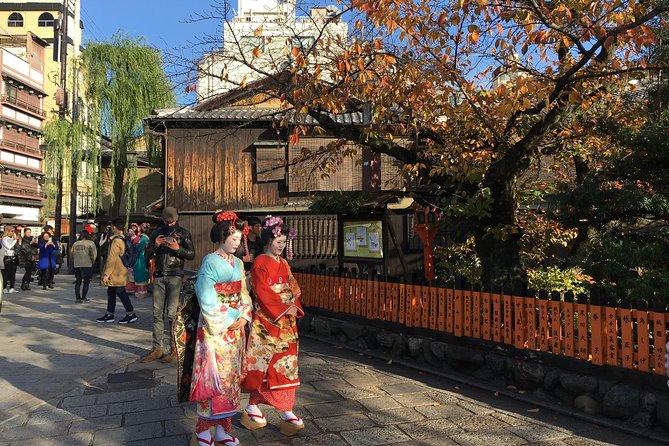
Gion: a quick look at Kyoto’s geisha district
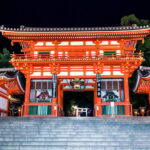
You finish with Gion, Kyoto’s geisha district. The tour time here is short, so think of it as a taste rather than a deep exploration. You’re meant to leave with a sense of how the neighborhood works and what life looks like on its side streets.
The guide helps you understand the district and its history, and you might even catch sight of performers if timing lines up. Even when you don’t, the point is getting oriented. Gion is one of those places where knowing where to look later makes a big difference.
If you want more time in Gion afterward, this tour is a good primer. It puts you in the right mindset and the right corners.
Guides make this tour: the storytelling that turns stops into meaning
The ride is guided, but what really raises the day is how the guide explains what you’re seeing. I’ve seen guides like Mayco, Julian, Indra, Jamie, Karl, and Quin/Quinn credited for bringing history to life in a friendly way.
It’s not just facts. The stronger guides connect the dots. One guide style highlighted Shinto vs Buddhism in clear terms, plus context on how geishas fit into Japanese culture. Another approach feels like you’re being shown Kyoto by someone who cares, with humor and attention to the group.
A detail worth caring about: small-group dynamics help here. Your guide can keep names straight and check in on comfort, which matters on a hot day or if you’re new to cycling.
Bikes, pace, and the real “fitness level” question
This is for moderate fitness. That’s not marketing talk. You’ll likely be riding around 2.5 hours total and covering roughly 13 miles (about 20–24 km), depending on the departure. The day is longer because you’re stopping for sights and breaks.
The route is described as safe and manageable, with frequent short pauses. In hot weather, guides also keep water in the mix so you’re not scrambling for hydration.
If you’re not used to biking, start with a calm mindset. You don’t need to be a racer. You do need to be comfortable staying balanced for stretches of road time. The tour also requires you to be at least 13 years old and able to ride a bike comfortably.
If you’re coming off jet lag or you hate cardio, this might feel like work. If you’re okay with steady effort and you like stopping to look, it’s a great fit.
Lunch in Kyoto: Japanese food that actually fuels the afternoon
Lunch is included, and it’s set up as part of the day rather than an emergency find. You’re served Japanese food, and past departures have included options like a traditional noodle meal at an older restaurant and sushi-style lunches such as a sushi train or sushi bar.
What I like about this setup is flexibility. If one place is closed, the plan can shift while still keeping the meal satisfying. That reduces the chance your day becomes a scramble.
Dietary needs do need to be known ahead of time. If you eat vegetarian or have other restrictions, don’t wait until you arrive.
Value check: why $106.12 can feel like a deal
At $106.12 per person, this tour is not cheap in a vacuum. The value comes from what’s included.
You’re getting:
- A Cannondale bike
- Guidance throughout
- Bottled water
- Lunch
- Temple entrance fees
If you’ve ever priced bike rental plus a guide plus entrance tickets in Kyoto, the math starts to look better fast. Here, the tour takes care of the add-ons that usually become surprise costs.
You’re also paying for something that doesn’t show up on a receipt: the way a good guide shortens the distance between seeing and understanding. That’s hard to quantify, but you feel it when you’re walking away with clearer context instead of just photos.
Logistics that matter: timing, group size, and weather
The tour starts at 10:00 am and runs about 5–6 hours. Group size is capped at 8, which is a big deal for riding days in any city. Less crowding means smoother starts, easier regrouping, and more time for questions.
One more practical note: this experience requires good weather. If conditions are poor, it’s typically rescheduled or refunded. Kyoto’s weather can change fast, so picking an earlier day in your trip is smart. It gives you room to adjust if the city throws rain at you.
Who should book this tour?
Book this if you:
- Want a first-or-second-day orientation to Kyoto without burning time on buses
- Like a guided mix of major and less-visited temple stops
- Prefer small groups and steady pacing
- Are comfortable riding a bike at least moderately for a few hours
You might skip it if:
- You only want the absolute biggest-name attractions and hate any cycling effort
- You’re unsure about riding for stretches of road time
- You want a fully flexible, self-paced day with zero structure
Should you book this North Kyoto bike tour?
I’d book it if you want Kyoto that feels ordered but not stiff. The best version of this tour is when you treat it as a way to build your bearings fast: Kinkakuji for the highlight, Nishi Honganji and Kitano Tenmangu for calmer understanding, then Gion for orientation.
Between the included bike, water, entrance fees, and a real Japanese lunch, the day is practical. The main question is simply this: can you handle a moderate ride and a few inclines on the way to Kinkakuji? If yes, it’s one of the most efficient ways to see North Kyoto with context.
FAQ
How long is the bike tour?
The tour lasts about 5 to 6 hours.
What is the price per person?
The price is $106.12 per person.
What time does the tour start?
It starts at 10:00 am.
How many people are in the group?
The group size is limited to a maximum of 8 travelers.
What’s included in the tour price?
All cycling equipment is included, guidance is included, bottled water is included, lunch is included, and temple entrance fees are included.
Do I need to bring my own bike?
No. A high-quality Cannondale bike is provided, and the bike fitting is part of the start.
What fitness level do I need?
You should have a moderate physical fitness level and be comfortable riding a bike. The ride includes some effort, but it’s described as manageable for active travelers.
Where do I meet the guide?
You meet at Cycle Kyoto, 7 Higashikujō Nishisannōchō, Minami Ward, Kyoto, 601-8003, Japan. The meeting point is near public transportation.
Are dietary needs accommodated?
Dietary requirements need to be known ahead of time, so let the provider know during booking.
What if the weather is bad?
This experience requires good weather. If it’s canceled due to poor weather, you’ll be offered a different date or a full refund.