REVIEW · KYOTO
Kyoto: Lunch or Dinner with Maiko
Book on GetYourGuide →Operated by B.B.Advisors Inc. AN KYOTO · Bookable on GetYourGuide
Maiko aren’t just performance people. In Kyoto, this 90-minute lunch or dinner brings you up close to a Maiko’s world—complete with a small tea ceremony demonstration, Q&A, photos, and traditional dances—all paired with Kyoto-style flavors.
What I like most is how the evening balances culture with access. You get to watch elegant dances and also talk directly through the Q&A, so it feels less like watching from the back row and more like understanding how daily life shapes the artistry.
One thing to keep in mind: the venue is not a classic ochaya-style house. It’s in a building, and while the atmosphere is friendly, some people report the room feels more basic than romantic, and the food experience can vary.
In This Review
- Key things to notice before you go
- What a Maiko Lunch or Dinner Really Gives You
- Gojo Station meetup: simple start, real-world comfort
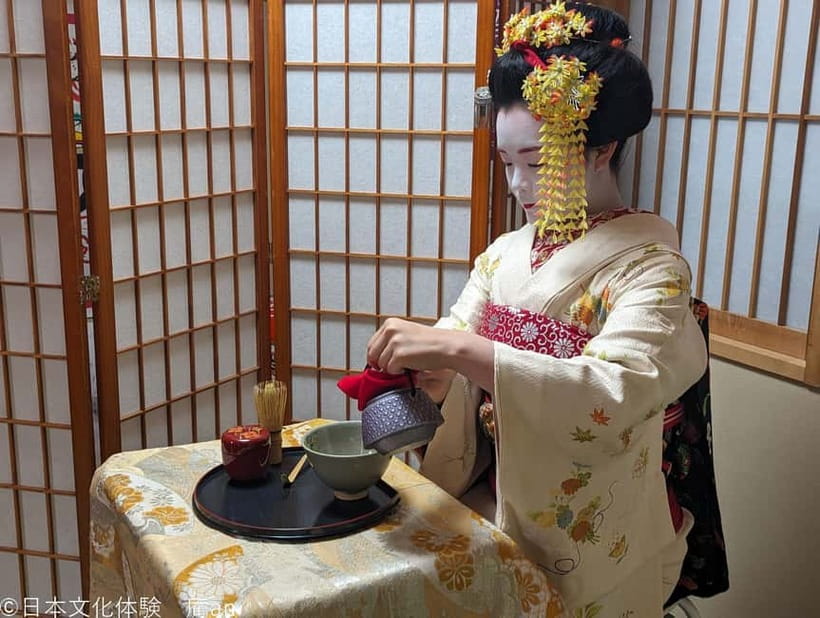
- Tea ceremony demonstration: etiquette you can actually watch
- The Kyoto dinner: dashi-forward comfort food
- Q&A with Maiko: the part that changes your understanding
- Photo time and the Senjyafuda lucky charm
- Two dances and a game with Maiko (and sometimes Geiko)
- Price and seat options: how to think about value
- Practical tips for a smooth experience
- Who should book this Kyoto experience?
- Should you book this lunch or dinner with a Maiko?
- FAQ
- FAQ
- Where is the meeting point?
- How long is Kyoto Lunch or Dinner with Maiko?
- Is the tea ceremony part of the program?
- How much does the tea ceremony option cost?
- Are seat upgrades included in the price?
- Does the event provide English translation?
- Is there an elevator at the venue?
- What’s the policy for children?
- Can I cancel for a full refund?
Key things to notice before you go
- Close-up photo time with Maiko, plus a Senjyafuda lucky charm gift
- Two dance performances that reflect seasonal themes, love stories, or everyday life
- Interactive Q&A so you learn what her routine is really like
- A tea ceremony demonstration (and optional tea-making if you add it)
- A game moment where Maiko play simple hospitality games with guests
- It can include Geiko instead of Maiko depending on the situation
What a Maiko Lunch or Dinner Really Gives You
This isn’t only about seeing traditional dance. It’s about stepping into a living tradition and getting an answer to the question you might be thinking the second you see someone in full kimono and perfect hair: how does this get practiced every day?
The program is tightly timed, 90 minutes total. That matters, because it means you won’t be stuck in a long show with no breathing room. Instead, you’ll cycle through the main rituals in a way that keeps you engaged: etiquette first, food next, then conversation, then the performance part, and finally a playful moment with Maiko.
For value, the big win is that you’re paying for multiple experiences in one: a traditional meal (Kyoto style), a tea ceremony demonstration, a Q&A, a photo right beside the performer, and then two dances. Many Kyoto cultural programs sell just one of those pieces. Here, you get several in a single block of time.
You can also read our reviews of more tours and experiences in Kyoto
Gojo Station meetup: simple start, real-world comfort
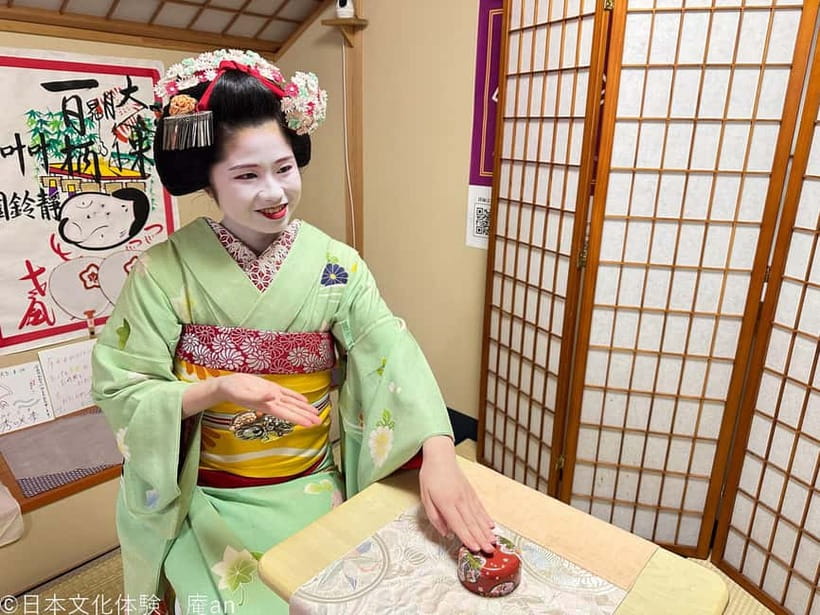
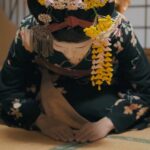
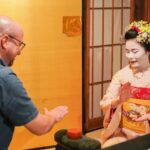
The meeting point is easy to find: about a 1-minute walk from Exit 1 of Kyoto’s Karasuma Line Gojo Station. The storefront faces Gojo-dori, so you’re not hunting for a hidden doorway in an alley.
Do plan for stairs. The building doesn’t have an elevator, and you’ll need to take steps to reach the spaces for the tea and the performance/dining parts. If you’re carrying a lot of bags or your legs are tired after a day of temples, this is worth factoring in early.
Also, this is not a drop-in event. If you don’t participate in the experience, you won’t be allowed to enter the space. The staff keep it scheduled, so arrive on time.
Tea ceremony demonstration: etiquette you can actually watch
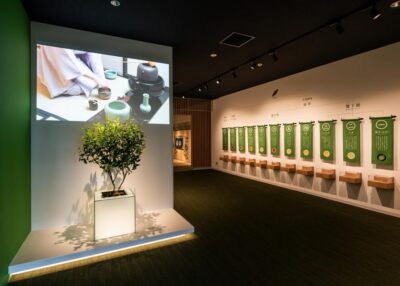
The schedule starts with a tea ceremony demonstration by the Maiko. Even if you’ve never seen one up close, you can follow the structure quickly: calm movements, clear etiquette, and a slow focus on form.
And yes, there’s an optional upgrade if you want hands-on tea. The tea ceremony experience option costs 1,600 JPY and can include making tea, but you’ll need to contact in advance to add it.
What I like about starting with tea is that it sets the tone. Before the dances and photos, you’re already seeing why Maiko training is about discipline and attention—not just costumes and stage presence.
The Kyoto dinner: dashi-forward comfort food
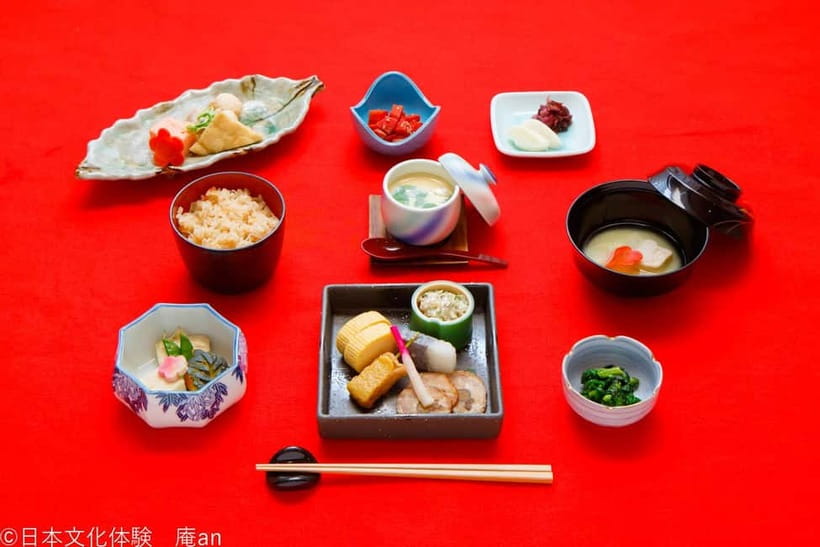
Your meal is prepared by a long-established Kyoto restaurant. The style is traditional, and Kyoto cooking uses dashi—soup stock—often. If you like food that tastes clean, layered, and gently savory, this part usually lands well.
There’s also a Kyoto tradition called Shidashi, which is described as an established delivery style used in Kyoto. In practical terms, it means your meal can be brought in in the traditional way, rather than everything being cooked onsite in front of you.
Now, here’s the honest balance: some people love the typical Kyoto meal style, while others say the food wasn’t great in quality or presentation. That suggests the experience can be sensitive to timing and service style. So I’d treat the dinner as a traditional cultural pairing—not the main reason to book.
If you’re food-priority shopping in Kyoto, you may still want to plan one standalone restaurant meal on another night. This program is better seen as culture plus cuisine, not as a full-on foodie destination.
Q&A with Maiko: the part that changes your understanding
The Q&A is a standout component. This isn’t a one-way lecture. You’ll get a chance to ask questions directly and learn about her world—her daily routines, what the kimono and hairstyles represent, and how her discipline connects to traditional lifestyle.
Why this matters: dance and fashion can look effortless when you see the final performance. The Q&A helps you understand the work behind it and the etiquette behind every movement.
In the same spirit, the program is designed so you feel like you’re stepping into something personal without turning it into a weird interview. The vibe is friendly and structured.
If you’re concerned about language, here’s what the data says: English translation is provided as much as possible. If you want it, you should contact them to add it. The instructor is Japanese, so your planning should reflect that.
You can also read our reviews of more tours and experiences in Kyoto




Photo time and the Senjyafuda lucky charm
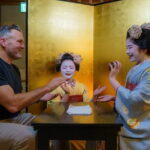
After Q&A, you’ll have a photo opportunity right beside the Maiko. This is one of the most valuable pieces for most people because it’s close-up and ceremonial, not just a quick face-shot from across a room.
As a gift, she presents you with a lucky charm called a Senjyafuda. It’s small, but it turns the photo moment into a keepsake. It’s also a nice souvenir that feels connected to the event rather than just a generic trinket.
One more detail: the program mentions that you may be invited to participate in activities in a relaxed way even though the venue isn’t an ochaya. So don’t stress about needing special preparation. You’re welcome without the kind of formality you might expect.
Two dances and a game with Maiko (and sometimes Geiko)
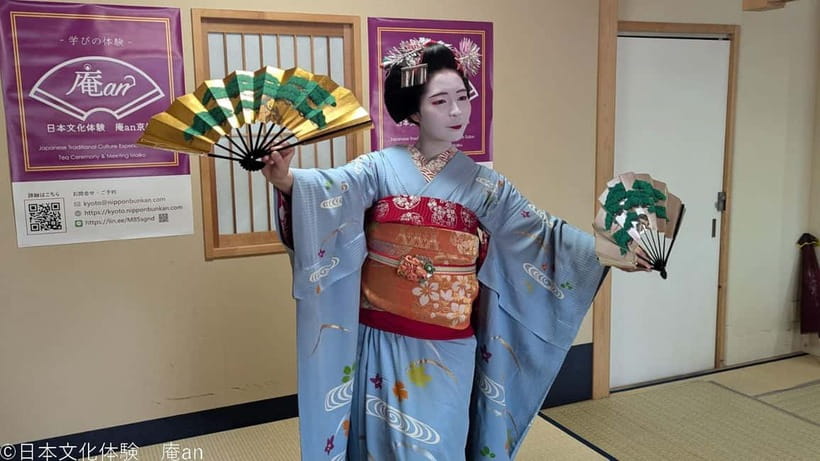
Then comes the performance sequence. You’ll see two traditional dances, described as expressions of Japan’s seasons, love stories, or everyday life. It’s the kind of art where small details matter: timing, posture, and the way gestures carry meaning.
If you’re wondering about variations: depending on the situation, Geiko might be invited instead of Maiko. One review also notes getting a Geiko attendance, which supports the idea that sometimes you’ll meet a different performer than you expected. Plan for that possibility, especially if you’re booking with expectations tied to a single name.
After the dances, there’s an interactive game with Maiko. The format is described as simple but exciting hospitality-style play. Volunteers are welcome to join, but watching is also fun. This part is usually where the room energy changes from quiet observation to shared laughter and clapping.
One practical tip: if you’re shy, it’s fine to just watch. The game is still part of the show rhythm, and cheering is encouraged even if you don’t play.
Price and seat options: how to think about value
The price is listed as $63 per person for the overall experience, and it includes dinner with Maiko.
That’s the baseline value: you’re paying for a packaged cultural show plus food, plus Q&A and photo time. In central Kyoto, those add up quickly if booked separately.
Then there are optional add-ons:
- Tea ceremony option: 1,600 JPY
- Seat upgrades:
- SS seat (first row): 3,300 JPY
- S2 seat (second row): 2,200 JPY
- S3 seat (third row): 1,100 JPY
If you’re a photography person or you really want to see the details of kimono movement and facial expression, paying for better seating can be worth it. If you’re more about the conversation and the overall flow, you can often keep your costs down and still have a good view.
Also note: the venue is in a building and not a traditional house. So seating still matters, but it won’t magically turn the room into an old-teahouse stage set.
Practical tips for a smooth experience
Here’s how I’d set you up for success based on the experience details and the way events are described:
- Arrive early enough to use stairs comfortably. No elevator means you want extra time after exiting the station.
- Consider whether you’re food-focused. Dinner is included and traditional, but your main “value return” is the Maiko access and performances.
- Plan around language. English translation is available as much as possible, but you may need to request it.
- Don’t overpack your expectations of a perfect romantic setting. The staff are friendly and the atmosphere is relaxed, but it’s not an ochaya-style home.
- Keep it flexible about performer type. Maiko is the core, but Geiko may show up depending on the situation.
Who should book this Kyoto experience?
This works best if you want:
- Up-close cultural interaction, not just a distant show
- A structured program that includes Q&A, photos, and dances
- Traditional Kyoto flavors like dashi-based dishes and a Kyoto-style service approach
It may be less ideal if:
- You’re picky about meal quality and want a top-tier dining experience as the main event
- You have strong needs around accessibility and stairs
- You expect an ochaya house atmosphere indoors rather than a building-based venue
Should you book this lunch or dinner with a Maiko?
If you want a single Kyoto night that combines performance, conversation, and tradition, I think it’s a smart buy. The strongest reasons to book are the Q&A, the close photo opportunity, and the two traditional dances paired with a Kyoto meal.
Just go in with a balanced mindset: the food is traditional Kyoto style, and for many people it’s part of the charm, but it’s not the place to expect a flawless restaurant-level dining setup every time. If that trade-off is okay for you, this is a memorable way to meet Maiko and understand the discipline behind the art.
FAQ
FAQ
Where is the meeting point?
You’ll meet about a 1-minute walk from Exit 1 of the Subway Karasuma Line Gojo Station. The store entrance faces Gojo-dori.
How long is Kyoto Lunch or Dinner with Maiko?
The experience lasts 90 minutes.
Is the tea ceremony part of the program?
A tea ceremony demonstration by the Maiko is included. Tea-making can be added as an option.
How much does the tea ceremony option cost?
The tea ceremony option is 1,600 JPY.
Are seat upgrades included in the price?
Seat upgrades are not included. SS (first row) is 3,300 JPY, S2 is 2,200 JPY, and S3 is 1,100 JPY.
Does the event provide English translation?
English translation is provided as much as possible. If you want it, you should contact them to add it.
Is there an elevator at the venue?
No. There is no elevator, and you’ll need to use stairs to reach each venue.
What’s the policy for children?
Children under 2 years old are free if they sit on their parents’ laps. If a seat or meal is required for a child under 2, the same fee as one person will be charged.
Can I cancel for a full refund?
Yes. You can cancel up to 8 days in advance for a full refund.
If you tell me your travel dates and whether you care more about photos or about the dinner, I can suggest whether paying for SS seating (first row) makes sense for your priorities.