REVIEW · KYOTO
Oboro | Mindful Tea Ceremony in a 100-Year-Old Kyoto Teahouse
Book on Viator →Operated by Taku Okamoto · Bookable on Viator
Kyoto can be loud, but this experience goes quiet fast. In a 100-year-old teahouse, you watch matcha being made with real care and you get a calm, candlelit setting that feels worlds away from grabbing tea on the street. I especially like the one-bowl-at-a-time ritual and how the host slows everything down so you can notice the details. The one drawback: this is a focused, meditative ceremony, so if you want a casual tea-and-chat stop, the stillness might feel too serious.
You’ll also appreciate the practical setup: a small group (max 8) means you’re not lost in a crowd, and an English-speaking guide helps with translation so nothing gets awkward or confusing. One more thing to know up front is timing. You need to arrive within 10 minutes of the start time, or you can’t take part.
In This Review
- Key moments that make this tea ceremony worth your time
- Inside Oboro: why a 100-year-old Kyoto teahouse changes the mood
- Your 50 minutes: welcome tea, sweets, and the full ritual pace
- Matcha prep up close: what you actually learn and why it sticks
- The English guide makes the ceremony make sense
- Candlelight etiquette: a calming space, but it demands quiet focus
- Price and value: is $45.98 a good deal?
- Timing and logistics that actually matter in Kyoto
- Who should book Oboro, and who might skip it
- Should you book Oboro’s Mindful Tea Ceremony?
- FAQ
- How long is the Oboro tea ceremony experience?
- What does the tour cost and what’s included?
- Is there a group size limit?
- Where do I meet for the ceremony?
- Do I need to speak Japanese?
- What if I’m late to the start time?
- What happens if the weather is bad?
- Is tipping included in the price?
Key moments that make this tea ceremony worth your time
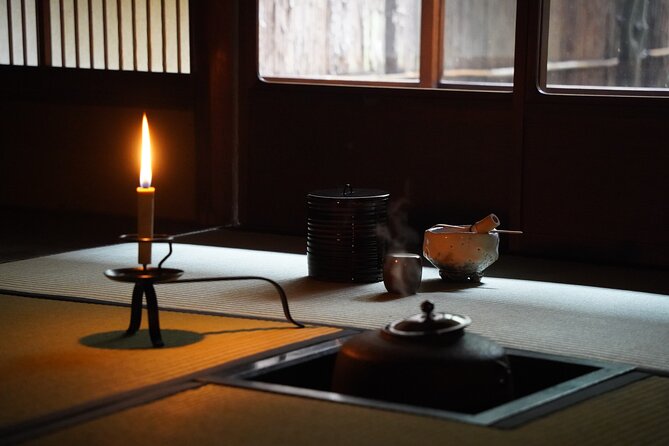
- A candlelit, minimally decorated tearoom that turns off the busy-day brain
- Matcha whisking in detail, including how utensils are prepared right before serving
- Welcome tea and sweets before the main bowl, so you ease in rather than jump in
- Small group size (8 max) for a calmer pace and easier questions
- English support with a live guide, so you can actually understand what you’re seeing
- A handmade candle token to take home that matches the theme of quiet reflection
Inside Oboro: why a 100-year-old Kyoto teahouse changes the mood
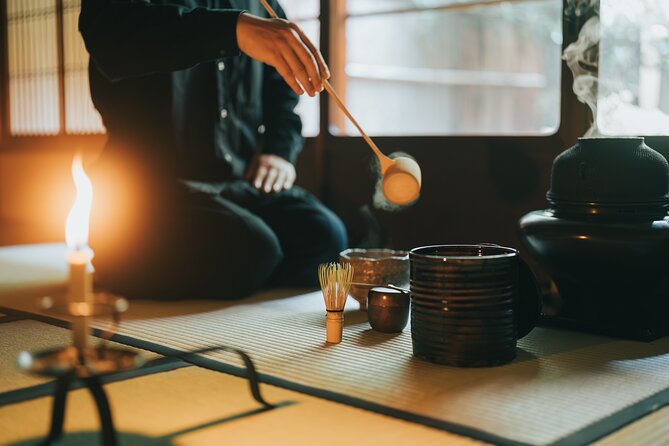
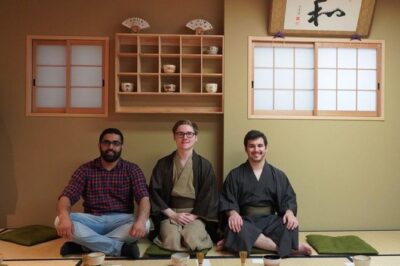
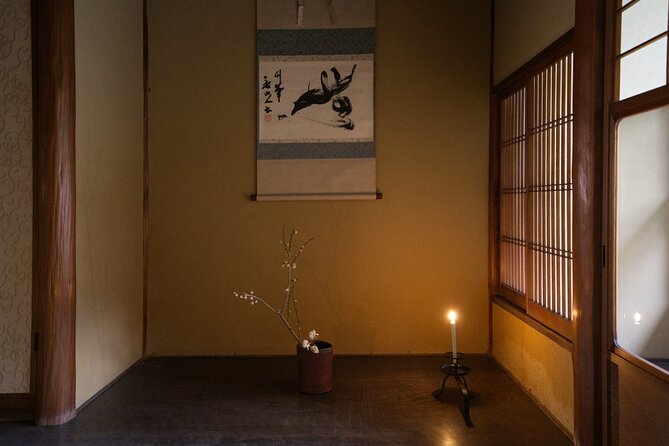
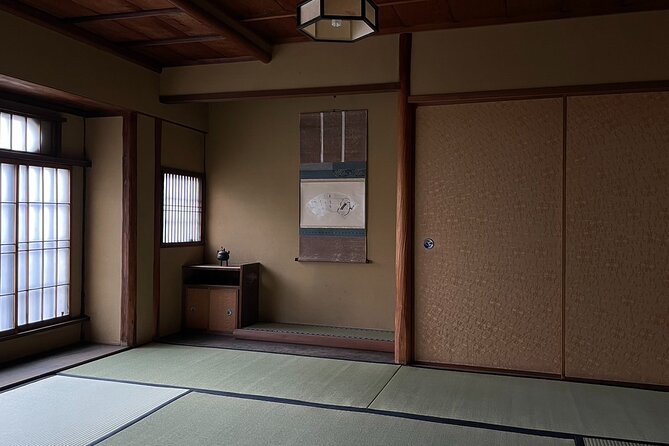
A Kyoto tea ceremony works in two ways. One is the matcha itself. The other is the room. At Oboro, that second part matters a lot. You’re not doing this in a busy restaurant corner or under harsh lights. You’re stepping into a 100-year-old Kyoto teahouse with a spare, peaceful feel.
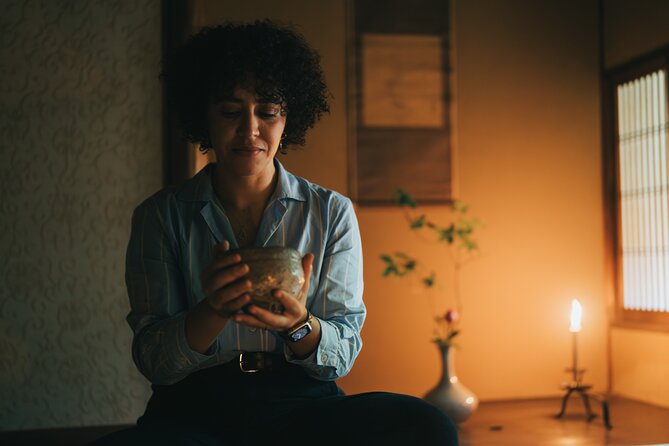
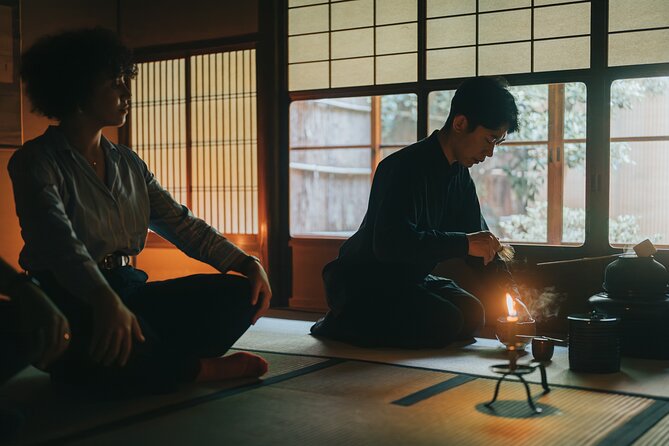
What hits you first is the lighting. The experience is lit by handmade candles, and the effect is immediate: shadows soften, sound feels gentler, and your senses wake up. People often think tea ceremonies are just about tradition. In practice, the space is part of the teaching. It nudges you to slow down and pay attention.
The room is also intentionally minimal. That’s good for you. Less visual noise means it’s easier to focus on what the host is doing with the utensils, how the bowl is handled, and how the tea tastes as it cools slightly in your hands.
You can also read our reviews of more tours and experiences in Kyoto.

Your 50 minutes: welcome tea, sweets, and the full ritual pace
The experience runs about 50 minutes, which is a sweet spot for most schedules. It’s long enough to feel complete, but short enough you can still enjoy the rest of Kyoto afterward.
Here’s how the rhythm usually goes:
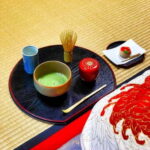
First, you arrive and are guided into a softly lit space. There’s minimal décor and gentle sounds, which helps you settle into the ceremony’s tempo. You start with a welcome tea and sweets. I like this approach because it lowers the pressure. You’re not expected to instantly “perform” mindfulness; you’re eased in.
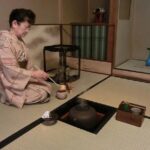
Then you transition into the tearoom. Before anything happens with matcha, the host cleans and prepares the utensils. That part matters more than you might think. It’s not only hygiene. It’s also a statement: everything has a moment, and the host’s care sets the tone for the whole group.
Next comes the main bowl. You’ll receive rare organic green tea, and it’s served one bowl at a time. This pacing is one of the biggest quality signals. Instead of rushed refills, you get a chance to watch, taste, and then take in the moment.
Finally, the experience closes with a small token: a handmade candle. It’s a tidy touch that connects the ceremony’s calm to your day after you leave.
Matcha prep up close: what you actually learn and why it sticks
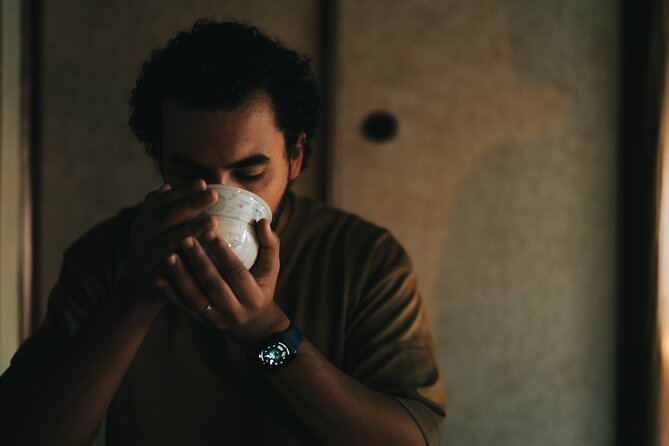
This is the heart of the experience: watching matcha being made. If you’ve ever tried to order matcha in a café, you’ve probably had a decent drink. This is different. Here, you see the ceremonial technique that turns green powder into something smoother, lighter, and more deliberate.
The host whisks the matcha right before serving, using the cleaned and prepared utensils. While the format can vary by host, the idea stays the same: careful steps, steady hands, and attention to how the tea looks as it’s whisked.
A few practical takeaways you can expect to notice:
- The host’s control of time and motion is part of the result.
- The tea’s warmth and thickness change your experience. You don’t just taste flavor; you feel the bowl and the tea temperature.
- Serving one bowl at a time keeps you present. You’re not scanning a menu or waiting for someone else to finish.
In the reviews, the matcha is repeatedly called out as very good, and people also mention enjoying both matcha and other tea options. That’s consistent with the welcome tea + sweets structure, and it helps if you’re not sure you’ll love matcha right away.
Also, don’t expect this to feel stiff. The ceremony emphasizes shared respect and quiet wonder more than formal performance. That makes it easier for first-timers to relax and still learn.
The English guide makes the ceremony make sense
One reason I think this works well for non-Japanese speakers: you’re not left staring at rituals you can’t interpret.
The experience includes an English-speaking guide, and the format is set up for translation so you can follow what’s happening without interrupting the flow. That’s a big deal in a ceremony like this. If you’re constantly translating in your head, you lose the point of slowing down.
You’ll also see the benefits of live guidance if you ask questions. Several sessions are led by hosts including Taku and Naoki (names mentioned in the accounts), and people specifically note the host answering questions patiently and with detail. That’s what you want: not a lecture, but explanations tied to what you’re actively watching.
The translation support also helps with etiquette. Small things matter in tea culture: how you hold the bowl, what you notice when you sip, and how the group waits and moves. English guidance makes those moments smoother and less awkward.
Candlelight etiquette: a calming space, but it demands quiet focus
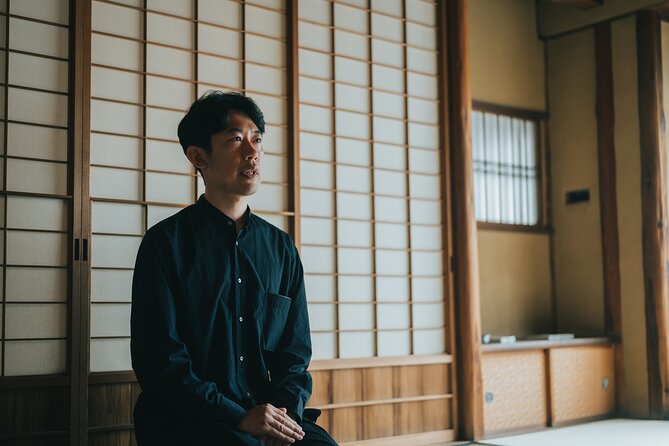
This is where the ceremony’s character becomes clear. The tea house is designed as a quiet, peaceful, meditative cultural experience. Even the minimal décor is doing work for you.
So yes, it’s calm. But calm isn’t the same as casual. You’re expected to slow down and be attentive. You’ll notice the calming effect of flickering candlelight, and you’ll likely be guided to take in subtle flavor and texture rather than rush through the drink.
One review phrased it as hypnotic, and that matches what the pacing suggests. The host prepares everything, serves the tea bowl by bowl, and guides you through the sensory parts: warmth, aroma, taste, and the space around you.
If you’re the kind of person who likes quiet cultural experiences, you’ll probably leave feeling steadier. If you’re traveling with someone who wants lots of conversation and movement, you might need to agree in advance that this isn’t that kind of stop.
Price and value: is $45.98 a good deal?
At $45.98 per person, this isn’t a budget activity. But it also isn’t priced like a quick souvenir stop. You’re paying for several things that usually cost extra if you try to piece them together:
- A small group setting capped at 8 people, which helps keep the atmosphere personal
- An English-speaking guide who translates and answers questions
- A dedicated ceremonial space with candles and careful handling of utensils
- Matcha preparation as a guided ritual, not just a drink you consume at your own pace
- Welcome tea and sweets included, plus the takeaway candle
For me, the value comes down to quality control. A ceremony like this is hard to fake: the room, the pacing, and the host’s attention are the product. With small group limits, you’re more likely to get that attention rather than being treated like a ticket number.
One caution on value: tips aren’t included. If you plan to leave a gratuity, set that aside so you’re not surprised at the end.
Timing and logistics that actually matter in Kyoto
Kyoto is full of great stuff, and tea ceremonies are time-sensitive by nature. Here are the practical details you should treat seriously:
First, arrival timing. There’s a rule that if you’re more than 10 minutes late from the start, you can’t participate. That’s strict, and it matters because the ceremony sequence can’t easily restart for late arrivals. Build in extra buffer. Kyoto streets can slow you down, especially if you’re navigating trains, buses, or walking from a nearby stop.
Second, the meeting point. The start point is 237 Nakaogawachō, Kamigyo Ward, Kyoto 602-0053, Japan, and the activity ends back at the meeting point. That means you’re not committing to a long trek across town. Still, check the exact location before you leave your hotel.
Third, the experience uses a mobile ticket, so have it ready on your phone.
Finally, the ceremony is described as requiring good weather. If it’s canceled due to poor weather, you’re offered a different date or a full refund. That’s worth noting if you’re planning tightly around forecasts.
Who should book Oboro, and who might skip it
This is a great fit if you want:
- A calm, candlelit cultural activity in Kyoto
- A guided first matcha experience with translation support
- Something intimate rather than crowded
- A mindful reset during a busy sightseeing day
It might be less ideal if:
- You’re looking for an energetic, social hangout
- You hate strict timing and don’t like showing up early
- You want a quick drink without ritual focus
Also, it’s especially nice for first-timers. Many people in the accounts describe it as their first tea ceremony and emphasize how memorable it felt. If matcha is new to you, the welcome tea and sweets give you a softer landing, and the one-bowl pacing keeps expectations realistic.
Should you book Oboro’s Mindful Tea Ceremony?
If your Kyoto plan includes time for something quiet, thoughtful, and hands-on, I’d book it. For the price, you’re getting more than a matcha cup: you’re buying a 50-minute pause in a special room, guided in English, with utensils handled carefully and served in a calm order.
I’d skip it only if you know you’ll be uncomfortable with the stillness or if you struggle to be on time. The 10-minute late rule is real, and this ceremony is designed to run like a ritual, not a flexible show.
Bottom line: this is a strong choice when you want Kyoto culture to feel personal. The candlelight, the careful matcha prep, the small group cap, and the thoughtful hosting all point to the same thing: this is meant for presence, not rushing.
FAQ
How long is the Oboro tea ceremony experience?
It runs for about 50 minutes (approx.).
What does the tour cost and what’s included?
The price is $45.98 per person. Coffee and/or tea are included, along with an English-speaking guide.
Is there a group size limit?
Yes. The experience has a maximum of 8 travelers.
Where do I meet for the ceremony?
You start at 237 Nakaogawachō, Kamigyo Ward, Kyoto 602-0053, Japan. The activity ends back at the meeting point.
Do I need to speak Japanese?
No. An English-speaking guide provides translation, so there are no language barriers built into the experience.
What if I’m late to the start time?
You need to arrive within 10 minutes of the start time. If you are more than 10 minutes late, you can’t participate.
What happens if the weather is bad?
The experience requires good weather. If it’s canceled due to poor weather, you’ll be offered a different date or a full refund.
Is tipping included in the price?
No. Tips and gratuities are not included.