REVIEW · KYOTO
Kyoto Private Car Tour with Japanese Navigator (+Nara) T5
Book on GetYourGuide →Operated by TonTon Travel · Bookable on GetYourGuide
Kyoto by car beats the guesswork. I like how this private car tour pairs comfortable transport with a Japanese navigator who keeps the day moving in a smart way, even when Kyoto gets crowded or hot. I also really appreciate the flexibility, from classic temples to quieter, hands-on extras like sutra copying or temple-garden meditation. One thing to plan for: entry fees, parking, tolls, and food aren’t included, so your final spend will be a bit higher than the base price.
If you want a Kyoto day that feels like it has a “plan,” but still bends when you change your mind, this works well. The tour is organized by TonTon Travel and guided in English or Japanese, and it’s set up to be wheelchair and disability friendly and LGBT friendly. Just note the car setup: it fits up to 3 adults, or 2 adults + 2 children, with a special seating arrangement if there are 4 guests.
In This Review
- Key Things That Make This Kyoto Private Car Tour Worth It
- How Private Car Transport Makes Kyoto Actually Enjoyable
- Meet Your Navigator: Hiroki’s Style and Why It Shows
- Building Your Kyoto Day Around Your Interests
- A Practical Route Through Kyoto’s Best-Known Spots
- Kinkakuji (Golden Pavilion): Start Strong, Beat Some Confusion
- Toriimoto Traditional Village Style Stop: A Break From Big-Sight Lines
- Gion by Night: The Lights, the Lanes, and the Mood
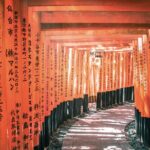
- Fushimi Inari Shrine: The Iconic Walk—With an Important Reality Check
- Bamboo Forest, Off-the-Beaten Detours, and Seasonal Finds
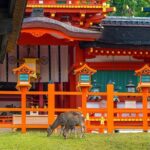
- Adding Nara Without Losing Your Kyoto Rhythm
- Price and Value: What $128 Covers (and What It Doesn’t)
- Comfort, Accessibility, and Vehicle Rules You Should Know
- What to Bring: Small Things That Make the Day Better
- Should You Book This Kyoto Private Car Tour?
- FAQ
- Do I need to pay for temple or shrine entry fees?
- What does the tour cost include?
- What’s not included in the price?
- How many people can fit in the car?
- What languages are available for the guide?
- Is this tour suitable for wheelchair or disability needs?
- What should I bring?
- What are the main rules about luggage and onboard behavior?
Key Things That Make This Kyoto Private Car Tour Worth It
- Hiroki’s pacing: less walking in the heat, with smart pickup and routing that helps you dodge the worst traffic.
- A day that adapts: you can shape the route around what you want most, from temples and shrines to meditating or copying sutras.
- Comfort extras that matter: phone chargers, WiFi, and bottled water in the vehicle.
- Crowd-aware sightseeing: you can still see major highlights, but with off-the-path detours when possible.
- Family-friendly support: the guide is patient and considerate with small children, plus the car makes short transitions easier.
How Private Car Transport Makes Kyoto Actually Enjoyable
Kyoto can feel like a puzzle at first: buses, lines, walking loops, and sudden bottlenecks around the most famous spots. A private car flips that. You spend more time looking up at temple roofs and less time standing in the wrong place at the wrong time.
I like that the day starts with hotel pickup and ends with Kyoto city drop-off. That means you’re not forced into fixed meeting points that don’t match your hotel location. And because the guide and driver handle travel and timing, you can adjust on the fly—skip a stop if you’re tired, extend one if you’re still energized.
The other big practical win is comfort. The tour includes a private vehicle with charging devices and WiFi. That sounds small until you’re navigating between places, checking transit maps, or trying to keep your phone battery alive for photos, tickets, and directions.
One more detail worth knowing: the car can accommodate up to 3 adults (or 2 adults and 2 children). If you’re a group of 4, one adult sits in the middle of the rear seat. If your group is more than 3 adults, plan around that.
You can also read our reviews of more private tours in Kyoto

Meet Your Navigator: Hiroki’s Style and Why It Shows
The tone of the tour is set by the navigator. In the feedback, Hiroki comes up again and again—friendly, patient, and flexible. That matters because Kyoto isn’t just about checking boxes. It’s about understanding what you’re seeing, and knowing when to pause.
What I find most useful is his mix of history and practical guidance. You’re not left with a generic script. You get explanations tied to what you’re actually standing in front of—then tips about where to go next so your time doesn’t vanish in crowds.
The small kindnesses also show up in the experience details. People noted things like water, umbrellas, and phone chargers during the tour. Those are the moments that keep the day smooth, especially in summer heat or rainy shoulder seasons.
If you’re traveling with kids, Hiroki’s approach seems to fit. The tour works with small children because the schedule can be paced, and the car reduces the stress of moving from one sight to another while everyone is hungry, hot, or cranky.
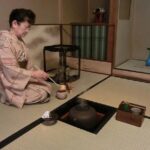
And if you’re someone who likes a quiet, reflective Kyoto (not just photo stops), the guide can incorporate options like meditating at a Japanese temple garden or copying sutras. That kind of tailoring is rare on standard bus tours.
Building Your Kyoto Day Around Your Interests
The big selling point here is customization. The guide can adjust the itinerary based on what you care about most. Some people want the classic “greatest hits.” Others want more local-flavored detours. This tour is built to do both.
Here are the main categories you can steer toward:
Temple and shrine focus. Kyoto is famous for these for a reason, but the “why” becomes clearer when a guide points out details you might miss. If you love atmosphere, you can also add moments that feel more personal and slower.
Local food stops along the way. The tour includes the idea of tasting local foods during travel, but food itself isn’t included. In practice, this is helpful: you’ll know what to look for and where to stop without hunting around while everyone’s hungry.
Seasonal nature moments. Kyoto changes fast. This tour leans into that, with opportunities to see seasonal animals and flowers in the city when conditions line up.
Hands-on or reflective extras. The guide can help with experiences like copying sutras or meditating in a temple garden setting. If that sounds a little “too spiritual” for you, think of it as a way to slow your day down and feel the place, not just photograph it.
If your goal is to see multiple areas in one day without turning Kyoto into a sprint, this is a strong fit. If your goal is only one neighborhood and you’re a DIY planner, a private car may feel like overkill. But if you want variety, it’s the right kind of structure.
A Practical Route Through Kyoto’s Best-Known Spots

To make this concrete, think of the kinds of routes people often choose on this tour. A common rhythm goes from Kinkakuji to a traditional village feel, then into historic evening streets and finally to one of Kyoto’s most iconic shrine complexes.
Here’s what that kind of day typically delivers, and what to watch for.
Kinkakuji (Golden Pavilion): Start Strong, Beat Some Confusion
Kinkakuji is the “wow” stop for a reason. When you arrive early enough, the crowds are still manageable, and the reflections and gold tones hit harder. With a guide, you’re not just snapping photos—you’re also getting the context that makes the architecture and setting click.
A possible drawback: this is one of the most famous Kyoto sights. Even with smart timing, you can run into crowds. The advantage of a private guide is you can structure the visit so you spend less time feeling stuck.
You can also read our reviews of more tours and experiences in Kyoto


Toriimoto Traditional Village Style Stop: A Break From Big-Sight Lines
After the iconic pavilion, this kind of stop gives your eyes a breather. Traditional streets and craft-like atmosphere help you shift from “main monument mode” to “everyday old Kyoto.” It’s also a good point to slow down and look for details—materials, street layout, and small textures that make Kyoto feel lived-in.
This stop is also a nice buffer between larger sights. It’s easier to absorb and can keep the day from feeling like constant movement.
Gion by Night: The Lights, the Lanes, and the Mood
Gion at night is where Kyoto mood does its best work. You’re trading daytime crowds and heat for evening atmosphere. A guide helps you time the walk so you get a good window of feeling without losing energy.
The trade-off: Gion is still a busy area, and some lanes can feel tight. The private car portion helps, though, because you’re not forced to over-walk between distant points.
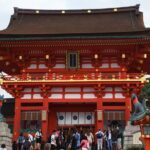
Fushimi Inari Shrine: The Iconic Walk—With an Important Reality Check
Fushimi Inari is the famous torii corridor shrine. You’ll likely want time to follow the path at least partway. It’s photogenic at every angle.
But here’s the practical reality: it can get crowded, and the walk is long. The best version of this visit is when your guide helps you decide how far to go based on your energy and timing. If you’re trying to do everything, you can burn out fast. If you go with a plan, you get the magic without the fatigue.
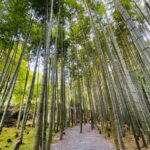
Bamboo Forest, Off-the-Beaten Detours, and Seasonal Finds
Some Kyoto days lean into scenery. Bamboo forests can be the kind of place you either love or find overhyped—depending on timing and how you experience it. When your guide can place you strategically, you spend more time looking and less time waiting.
People also noted that even when places are crowded, Hiroki knows areas off the main tourist streams. That’s huge in Kyoto. You don’t need to avoid famous sights entirely. You just need help finding breathing space around them.
Then there’s the seasonal angle. Kyoto’s flowers and wildlife moments can feel like bonus scenes, not the main event. When your guide watches for seasonal opportunities, you get those “how did we end up here?” seconds that make the day feel personal.
Adding Nara Without Losing Your Kyoto Rhythm

The tour is labeled Kyoto with an option that includes Nara. That means you can expand your day beyond Kyoto’s city center with the same private car setup.
The value here is straightforward: you’re not piecing together separate transport plans. Your guide can coordinate timing so Nara doesn’t eat your Kyoto time—or force you into late, rushed transitions.
The main consideration is energy and timing. Nara takes time to reach, and you’ll want to decide whether you want Nara to be the day’s anchor or a shorter add-on. With a private tour, you have that flexibility. Without one, you often don’t.
Price and Value: What $128 Covers (and What It Doesn’t)

At $128 per person, you’re paying for a private car experience plus a guide. In practical terms, that includes:
- Hotel pickup and Kyoto city drop-off
- A private car with private guide and driver
- Petrol
- One bottle of mineral water
- Charging devices and WiFi
- The tour is organized by TonTon Travel
Not included items are the usual travel extras:
- Entry fees
- Parking fees
- Toll road fees
- Food and drinks
So is it good value? I think it can be, especially if you care about efficiency and comfort. If your group would spend a lot of time figuring out transit connections, or if you want to minimize walking between far-apart sights, the private car can actually save your energy—and energy is currency on a Kyoto day.
Also, your group size matters. The car fits up to 3 adults comfortably. If you’re traveling as 4 adults, one person sits in the middle of the rear seat. That doesn’t automatically make it a bad deal, but it’s not the same comfort level as 3.
Comfort, Accessibility, and Vehicle Rules You Should Know
This tour states it’s wheelchair and disability friendly and LGBT friendly. In the real world, that often means smoother coordination from pickup to drop-off and a plan designed around guests’ needs rather than a one-size-fits-all crowd schedule.
Car logistics also matter:
- The vehicle can seat up to 3 adults, or 2 adults + 2 children.
- If you have 4 guests, plan around the special seating configuration.
Vehicle rules are straightforward:
- No smoking in the vehicle
- No oversize luggage and no large bags
If you’re traveling with a lot of gear, pack lightly. Kyoto sightseeing is already full of stairs and narrow streets at many sites, so big luggage tends to create problems fast.
What to Bring: Small Things That Make the Day Better
This is one of those tours where being prepared makes a noticeable difference. Bring:
- Rain gear (Kyoto weather can shift quickly)
- Cash (useful for spots where cards might not be the easiest)
- A charged smartphone
- Internet access (handy for directions and last-minute adjustments)
Also consider downloading any tickets or mapping tools before you go. The tour includes WiFi, but you’ll feel more confident if you’re not depending on it.
Should You Book This Kyoto Private Car Tour?
Book it if you want a Kyoto day that feels guided, paced, and tailored. It’s especially smart for:
- People who hate wasting time on transit and lines
- Families with small children
- Anyone who wants to visit major sights and enjoy off-the-path atmosphere
- Travelers who value comfort extras like chargers, WiFi, and water
Skip it (or consider a simpler option) if you’re traveling solo on a tight budget and you only want to focus on one neighborhood. A private car is at its best when it replaces multiple transfers and long walking stretches.
If your goal is a Kyoto highlight reel with real context—and the freedom to adjust mid-day—this is the kind of tour that makes that happen.
FAQ
Do I need to pay for temple or shrine entry fees?
Entry fees are not included. You’ll pay them separately on the day at the sites you visit.
What does the tour cost include?
It includes hotel pickup, Kyoto city drop-off, a private car, petrol, a private guide and driver, one bottle of mineral water, charging devices, and WiFi.
What’s not included in the price?
Parking fees, toll road fees, entry fees, and food and drinks are not included.
How many people can fit in the car?
The car can accommodate up to 3 adults or 2 adults and 2 children. If there are 4 guests, one adult is seated in the middle of the rear seat.
What languages are available for the guide?
Languages offered are English and Japanese.
Is this tour suitable for wheelchair or disability needs?
The tour is stated to be wheelchair and disability friendly.
What should I bring?
Bring rain gear, cash, a charged smartphone, and internet access.
What are the main rules about luggage and onboard behavior?
Oversize luggage and large bags are not allowed. Smoking is not allowed in the vehicle.