REVIEW · KYOTO
Kyoto Early Bird Walking Tour
Book on Viator →Operated by KAMNAVI Tours · Bookable on Viator
Beat Kyoto crowds before the morning rush. This 5-hour walk lines up three headline sights at the hours when they feel most magical: Fushimi Inari through the torii tunnels, Kinkaku-ji as it opens, and Arashiyama’s bamboo before midday heat and crowds take over.
I love the way the tour is built around your day, not just a checklist. You get guided context at each stop, plus the relief of not figuring out trains and bus routes on your own. Reviews also highlight guides who stay on time and help with practical stuff like photo spots, water/restroom checks, and smooth navigation—whether your guide is listed as Akiko, Megumi, Kaz, Tomoko, Sumiko, Hiro, Emiko, or others.
The main drawback is simple: it’s quite a bit of walking. If you have mobility limits or a heart condition, the operator notes it’s not recommended for heart conditions, and you should think carefully about comfort and pacing—especially in warmer months.
In This Review
- Quick hits before you go
- Why the earlybird schedule works so well in Kyoto
- Meeting at Kyoto Station and getting around without the headache
- Stop 1: Fushimi Inari-taisha torii tunnel before the crowds arrive
- Stop 2: Kinkaku-ji (Golden Pavilion) as it opens
- Stop 3: Arashiyama bamboo forest at the coolest hour
- The price: what you’re really paying for (and what you still need to add)
- What the guides do well: the small things that change your morning
- How much walking is this, really?
- Best time of year and weather reality in Kyoto
- Who should book the Kyoto Early Bird Walking Tour?
- Should you book this tour?
- FAQ
- How long is the Kyoto Early Bird Walking Tour?
- Where do I meet the guide?
- Which attractions are included?
- Is admission included for Kinkaku-ji?
- Is transportation included in the price?
- Is this a private tour?
Quick hits before you go
- Early start payoff: You hit Fushimi Inari and Kinkaku-ji before the big waves show up.
- Three top sights, one morning: Fushimi Inari, Golden Pavilion, and Arashiyama bamboo fit into a tight 5 hours 15 minutes.
- Guides who move with purpose: Many reviews praise punctual pickup and getting from place to place without wasting time.
- Finish by noon: You’re done early enough to make the rest of the day your own.
- A small extra budget item: Kinkaku-ji admission (¥500) and transit (¥1,220) are not included.
Why the earlybird schedule works so well in Kyoto
Kyoto’s famous spots don’t just get crowded. They get crowded fast. The trick here is timing. You start early from Kyoto Station and visit the big names before tour groups multiply and the lines thicken.
This is the kind of plan that actually protects your energy. Instead of spending your morning stuck behind slow-moving crowds, you spend it walking at a steady pace with someone keeping you pointed in the right direction. Finishing by noon is also a quiet win. You can do lunch, add a neighborhood stroll, or swap plans if weather changes.
And because the tour is private for your group, it’s easier to keep the experience comfortable and focused on what you want to see.
You can also read our reviews of more walking tours in Kyoto


Meeting at Kyoto Station and getting around without the headache
You meet at Kyoto Station, at Building 901, early morning, and the tour ends back near the meeting point. That matters because Kyoto routes can feel like a puzzle when you’re tired. You’re also dealing with stations, platforms, and bus stops that look similar when you’re rushing.
The good part: the guide handles the walking-and-transit rhythm. Multiple reviews mention help navigating subway and buses efficiently, staying on time, and even assisting with practical needs. If you like structure, this is the kind of morning tour that helps you get your bearings fast.
A note on tools: one reviewer suggested having an IC card ready on your smartphone (they mentioned using Suica) for quick train/bus and vending-machine payments. You might find that makes the small transit costs easier to manage.
Stop 1: Fushimi Inari-taisha torii tunnel before the crowds arrive
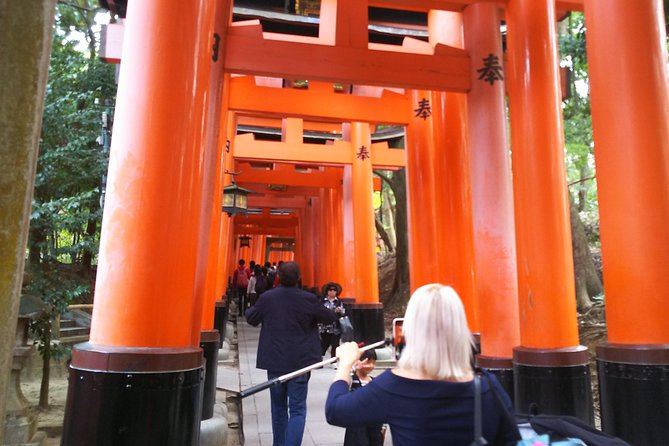
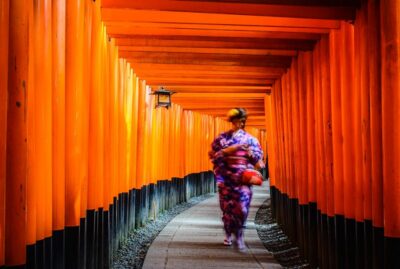
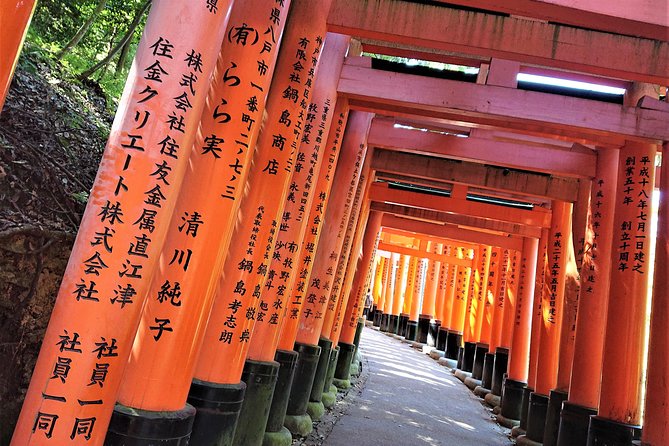
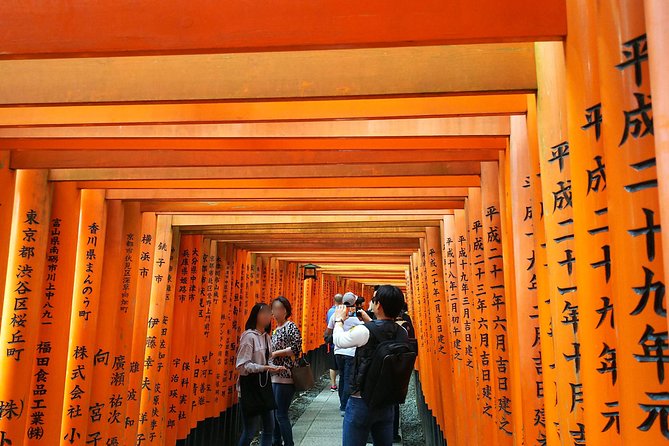
Fushimi Inari-taisha is one of those Kyoto places you feel in your legs. Thousands of vermilion torii gates create that famous tunnel effect, and the scale hits differently when you’re there early.
In the early hours, the shrine feels calmer. You can actually enjoy the view down the torii passage instead of constantly stopping to let groups funnel through. The tour also aims to get you moving before the throngs arrive, which is exactly when this place is easiest to photograph without fighting for angles.
Practical tip: wear comfortable shoes and plan for a steady walk. This stop is free for admission, so you’re paying mostly for the guidance and the timing.
The consideration: if you’re sensitive to stairs and uphill sections, you’ll want to pace yourself. The tour notes “quite a bit of walking,” so bring a break mindset even if you feel fine at the start.
Stop 2: Kinkaku-ji (Golden Pavilion) as it opens
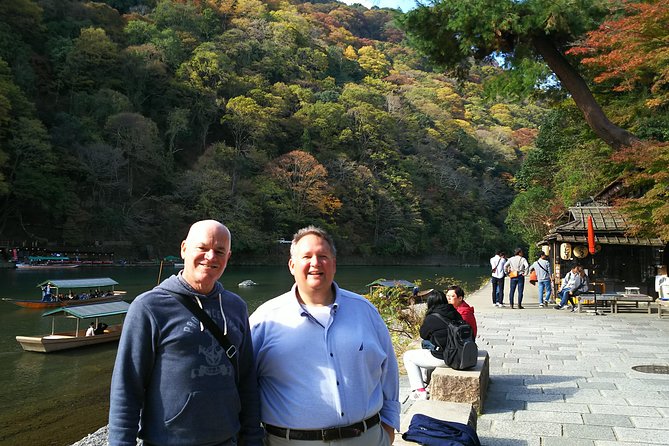
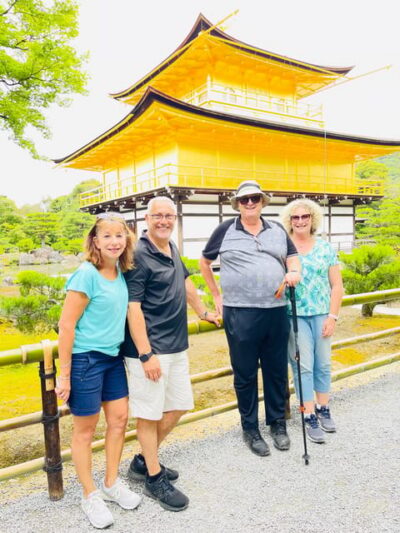
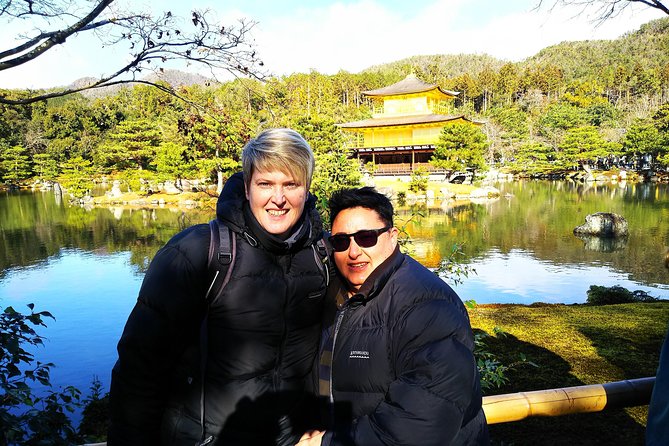
Kinkaku-ji is Kyoto’s Golden Pavilion, and you don’t come for subtle. You come for that gilded look and the pond reflections that photographers chase for a reason.
The tour visits Kinkaku-ji right after it opens, when fewer people are there. That’s the big value. It’s not just quieter. Early access changes how you experience the details—less jostling, more time to actually stand and look, and a better chance to enjoy the morning calm around the temple and grounds.
Admission at Kinkaku-ji is not included, and the listed fee is ¥500 per person. So when you budget, remember this is a “tour + sights” situation, not a fully all-in package.
A practical drawback to know: because you’ll be arriving early, the day can feel like it’s just getting started, not winding down. That’s great if you like momentum. If you prefer relaxed sightseeing without an early-rising schedule, this might feel like a lot.
Stop 3: Arashiyama bamboo forest at the coolest hour
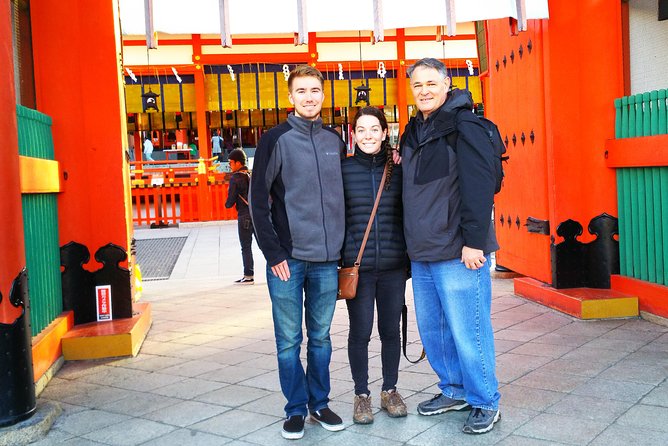
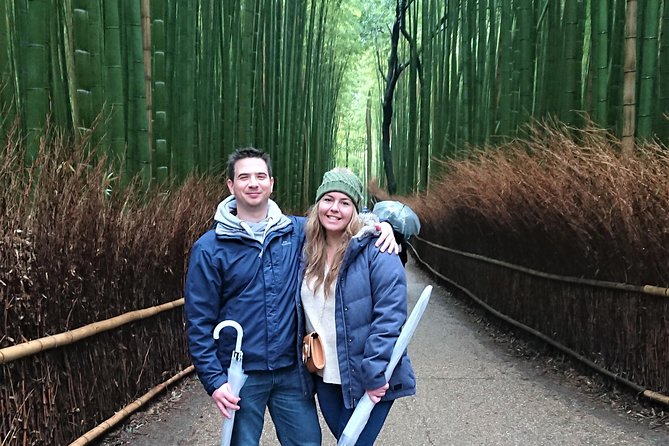
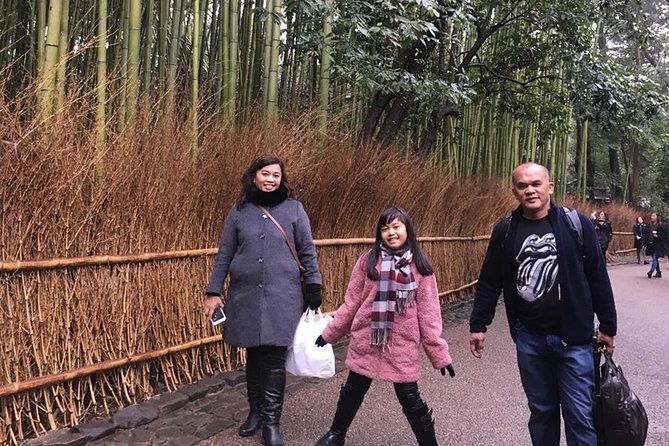
Arashiyama’s bamboo forest is the kind of place that feels almost staged—except it’s not. It’s simply a dense stand of tall stalks where the light and air do interesting things.
The tour aims to get you in during the early morning air, before Arashiyama’s midday crowds arrive and before the temperatures rise. In practical terms, that makes your walk through the grove more comfortable. It also changes the vibe: you can hear the breeze through the bamboo better when you’re not surrounded by constant movement.
This stop has free admission and is guided as part of your half-day arc. The guide’s role here matters more than you might expect. They can point out where to stand for the best views and help you keep flowing so you don’t waste time hunting for the “right” angle.
The consideration: bamboo forest photo moments can tempt you to pause a lot. That’s fine if you can manage your pace. If you’re trying to keep the full itinerary, keep breaks short and purposeful.




The price: what you’re really paying for (and what you still need to add)
The tour price is $105.45 per person. For Kyoto, that’s not a bargain-bucket deal. It becomes good value when you think about what you’re buying:
- Timing that helps you avoid the worst crowd crush
- A guide who organizes your route and keeps you moving between distant stops across Kyoto
- Context so the sights don’t feel like disconnected photos
On top of the base price, you should budget for two listed extras:
- Kinkaku-ji admission: ¥500 per person
- Public transportation fare: ¥1,220 per person
So your real-world planning cost is more like the tour price plus about ¥1,720 total in sight/transit fees. If you were trying to do this on your own, you’d still pay those fees, but you’d also lose the time-saving navigation and the early timing advantage.
Also mentioned: group discounts and a mobile ticket. The private-tour setup can also be a value win if you’re traveling with family or a small group who wants control over pacing and questions.
What the guides do well: the small things that change your morning
I love tours where the guide isn’t just giving facts. The best ones act like a calm choreographer: you feel guided, not herded.
This tour tends to deliver on those “small” details in the reviews. People singled out guides for things like:
- Prompt pickup at Kyoto Station with no run-around
- Staying on schedule so you see all three highlights without rushing at the end
- Attentiveness along the way, including checking in about water or restroom breaks
- Photo help, like knowing good photo spots inside the sites and aiming for the best light timing
- Flexibility, including help if your group wants a small adjustment
Names that came up repeatedly include Akiko, Kaz, Megumi, Tomoko, Sumiko, Hiro, Emiko, Makoto, and Naoko. Even if your assigned guide differs, this pattern matters: the tour is designed around consistent morning execution.
One more practical takeaway from reviews: bring water and good shoes. In summer, one reviewer specifically recommended a sun umbrella. If you know Kyoto mornings can still be warm, pack like you’re walking in a city, not touring in a museum.
How much walking is this, really?
The tour lists a “moderate physical fitness level” and notes that it’s not recommended for people with heart conditions. It also says it’s accessible for limited eye sight and limited mobility, which is great on paper.
But the baseline reality is still walking. You’ll be covering three big sights in about 5 hours 15 minutes, plus moving between them. That makes this best for people who can handle a solid morning of walking with a few stops for photos and viewing.
If you have limited mobility, don’t just ask if you can join. Ask how the pace is managed for breaks and whether the route includes stairs or uneven ground. Since that detail isn’t provided here, you’ll want to confirm directly with the provider.
Best time of year and weather reality in Kyoto
This experience requires good weather. That matters because all three stops are outdoors or heavily connected to outdoor paths and walking routes.
What you can do: plan to wear layers. Early mornings can feel cooler, and by late morning the temperature rises around midday. The tour’s structure actually anticipates this. You get the bamboo forest portion before the day warms up, which is a smart way to handle seasonal shifts.
If it rains, you might find you’ll still move through covered areas, but the operator’s policy is clear: if it’s canceled due to poor weather, you’ll be offered a different date or a full refund.
Who should book the Kyoto Early Bird Walking Tour?
Book this if:
- You want three Kyoto icons in one morning without spending half your day figuring out transit
- You care about crowd timing and want the sites in a calmer, clearer mood
- You like guided context and help with navigation, especially if it’s your first time in Kyoto
You might skip it if:
- You hate early mornings or can’t handle a fast start
- You want a slower, self-paced day that stretches well past noon
- You have health limitations where “quite a bit of walking” is a concern
If you’re traveling as a family, the tour has a strong track record of guides supporting kids and keeping the experience engaging. If you’re solo, the guided route is also valuable because it reduces decision fatigue when you’d rather just enjoy the morning.
Should you book this tour?
Yes, if your priority is seeing Kyoto’s most famous places with less crowd stress and better use of your limited time. The structure makes sense: start early from Kyoto Station, hit Fushimi Inari and Kinkaku-ji while the day is still quiet, then finish at a reasonable hour so you can plan lunch and your next stops.
The only real reason not to book is if the walking or early schedule won’t work for you. If that’s the case, it’s better to choose a slower option than to force a route that doesn’t match your pace.
If you do book, plan on wearing comfortable shoes, bring water, and budget for the ¥500 Kinkaku-ji ticket plus ¥1,220 transit so there are no surprises.
FAQ
How long is the Kyoto Early Bird Walking Tour?
It runs for about 5 hours 15 minutes.
Where do I meet the guide?
You meet at Kyoto Station Building 901 (Kyoto Station area). The tour ends back at the meeting point.
Which attractions are included?
The tour includes Fushimi Inari-taisha Shrine, Kinkaku-ji Temple (Golden Pavilion), and Arashiyama bamboo forest.
Is admission included for Kinkaku-ji?
No. Kinkaku-ji admission is not included and is listed as ¥500 per person.
Is transportation included in the price?
Public transportation fare is not included. It’s listed as ¥1,220 per person.
Is this a private tour?
Yes. It’s a private activity, so only your group participates.