REVIEW · KYOTO
Kyoto: Tea Ceremony in a Traditional Tea House in Kiyomizu
Book on GetYourGuide →Operated by SAKAGUCHIAN · Bookable on GetYourGuide
Kyoto slows you down with tea. In a traditional tea house in Sannenzaka, you’ll step into a calm garden setting while a tea master demonstrates how to make matcha and explain the ceremony’s meaning. The whole experience takes place at Sakaguchian, a quiet pocket that feels far from the crowd just outside.
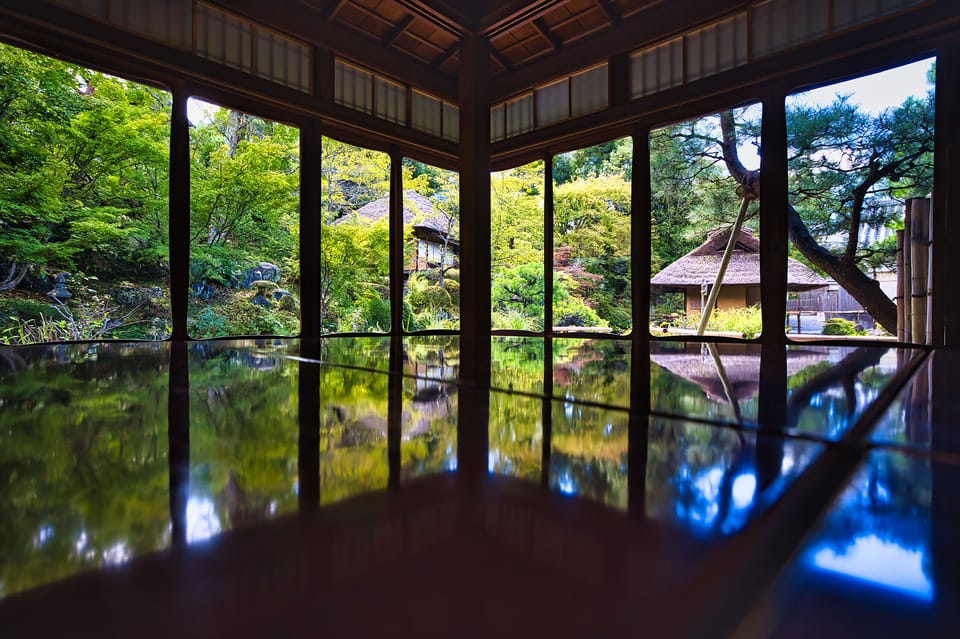
I especially like two things. First, the garden itself—created by the famous landscape artist Ogawa Jihei VII—adds a real sense of peace, so the ceremony doesn’t feel like a quick performance. Second, you don’t just watch; you brew your own matcha with guidance, then sip it (plus you get a customary Japanese sweet). I’ve seen an English host named May show guests how to follow the steps without turning it into a mystery.
One thing to consider: at $49 for 45 minutes, this is a focused, hands-on ritual, not a long cultural show. If you mainly want a cheap souvenir moment, you may feel the price more than the people who come for the tea practice.
In This Review
- Key Highlights Worth Your Time
- 45 Minutes at Sakaguchian: What the Tea Ceremony Really Covers
- The Garden Setting Near Kiyomizu-Dera: Peace in a Busy Area
- How the Tea Master Performance Works (and Why You Should Watch Closely)
- Brewing Your Own Matcha: Where the Hands-On Part Clicks
- The Sweet, the Cup, and the Included Photo Moment
- Finding Sakaguchian in Sannenzaka: The Gate Details Matter
- Weather and Rules: Rain-Safe Calm and What You Can Bring
- Price and Value: Is $49 Worth 45 Minutes?
- Etiquette That Keeps the Room Peaceful
- Should You Book This Kyoto Matcha Ceremony?
- FAQ
- How long is the Kyoto tea ceremony experience?
- How much does it cost?
- What’s included in the price?
- Is kimono rental included?
- Is the instruction offered in English?
- Does the ceremony run in bad weather?
- Are there restrictions on luggage?
- Is it suitable for children?
- Where do I meet for the activity?
Key Highlights Worth Your Time
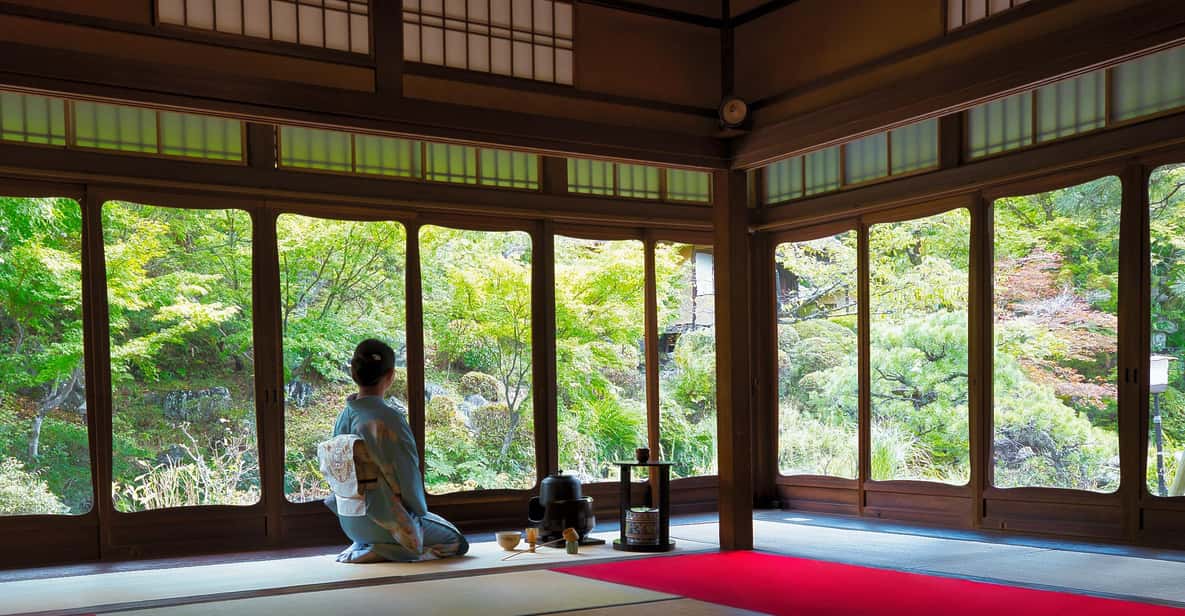
- Ogawa Jihei VII garden views: the ceremony happens with established garden scenery right in front of you.
- You learn by doing: watch the tea master, then brew your own matcha step by step.
- Two cups of matcha: you’ll taste your tea, not just one sip.
- Short, structured 45 minutes: enough time to learn the flow without taking over your whole Kyoto day.
- Garden photo included: you’ll leave with a group shot framed by greenery and tea-house calm.
45 Minutes at Sakaguchian: What the Tea Ceremony Really Covers
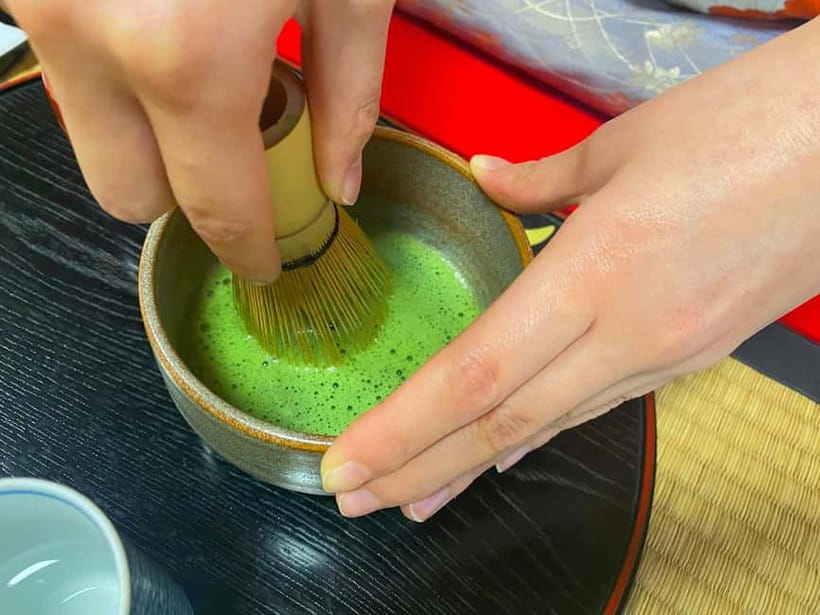
This is a compact Kyoto experience—45 minutes, tea ceremony included, and a strong focus on matcha. You’ll start with a greeting from your instructor, then settle in while you get a brief introduction to what you’re about to do. The ceremony includes a short history context (including the 500-year background) and the idea that every movement has a reason.
Then comes the main event: you’ll watch the tea master perform. This isn’t just about watching someone whisk. It’s about seeing how the tools, posture, and timing work together as a ritual. After the demonstration, you’ll get your turn to brew matcha yourself with coaching.
Finally, you’ll enjoy what you made. You’ll sip freshly prepared matcha, taste a traditional Japanese sweet, and wrap up with a photo in the garden setting. The pace is calm, but it’s not draggy—this is designed to keep the room quiet and the flow intact.
You can also read our reviews of more tours and experiences in Kyoto.



The Garden Setting Near Kiyomizu-Dera: Peace in a Busy Area
The tea house is in Sannenzaka, close to Kiyomizu-Dera, which means you’re starting in one of Kyoto’s most active zones. The good news is that the inside experience is the opposite vibe: you’re guided to a garden view area, and the ceremony unfolds in a tranquil space.
A big draw here is the established garden. This garden was created by Ogawa Jihei VII, a name you’ll hear mentioned when you’re being oriented. Even if you don’t care about garden trivia, you’ll feel the payoff: the scenery gives your tea time a “pause” button. Several guests have highlighted that it feels serene even though the tea house sits near a main attraction street.
Also, the tea house is built for looking and listening. You’re not rushed out to make room for the next group the moment you take a sip. You’re given a moment to take in the surroundings while the ceremony continues at a steady rhythm.
How the Tea Master Performance Works (and Why You Should Watch Closely)
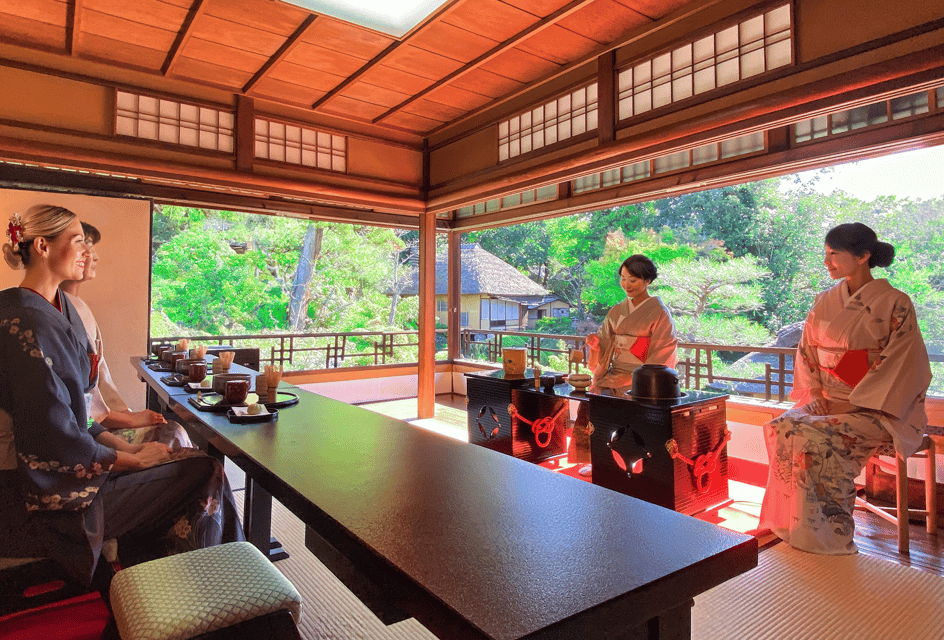
The tea master demonstration is the part you’ll remember later, because you see the ceremony as a sequence—not random steps. You’ll watch them prepare tea using the traditional method, and you’ll get a brief explanation beforehand so you’re not just admiring hand movements.
Here’s what you can expect in practice:
- You’ll learn what the tea tools are for and why the order matters.
- You’ll see the proper pace—calm, deliberate, and consistent.
- You’ll get a sense of the philosophy behind the ritual, not just the recipe.
One thing that comes through strongly in guest feedback is how graceful and precise the tea master feels while working. People also comment on how questions are handled afterward, so if you’re curious about what you’re seeing (or why people treat matcha with such respect), this is a good time to ask.
And a small tip: watch once like a performance, then watch again mentally like a checklist. When you switch from observer to participant, that mental second look makes brewing your own tea feel easier.
Brewing Your Own Matcha: Where the Hands-On Part Clicks
After watching, you’ll brew your own matcha. This is where the experience stops being “pretty” and turns practical. You’ll be guided through making matcha properly, including how you should approach the process while you mix and prepare the tea.
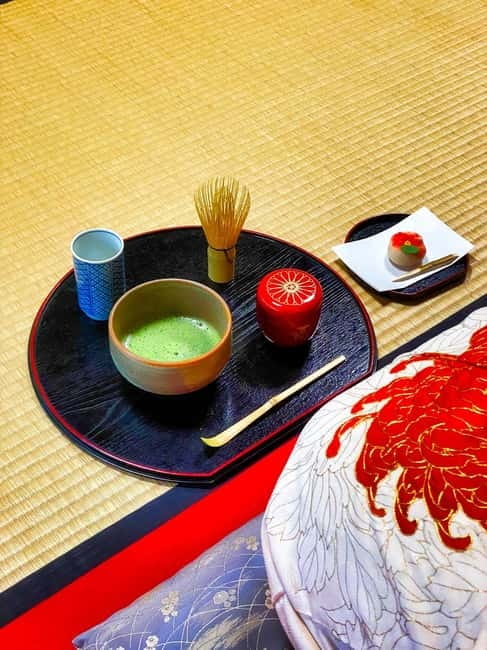
The experience includes 2 cups of matcha, so you get more than a token sip. You’ll also get your freshly brewed tea to enjoy, which matters because matcha can taste very different depending on how it’s prepared.
A few practical things to keep in mind:
- You’ll be in a traditional tea-house setting, so follow the instructor’s cues closely.
- Keep your focus on what your tea partner or the tea master is doing, because the rhythm is part of the experience.
- If you’ve never had ceremonial matcha before, don’t worry—this is set up as a teaching moment, not a test.
Also, people who weren’t previously matcha fans often leave with a new attitude after tasting matcha prepared in the proper style. The flavor balance can feel less harsh than what you might get from casual mixing back home.
The Sweet, the Cup, and the Included Photo Moment
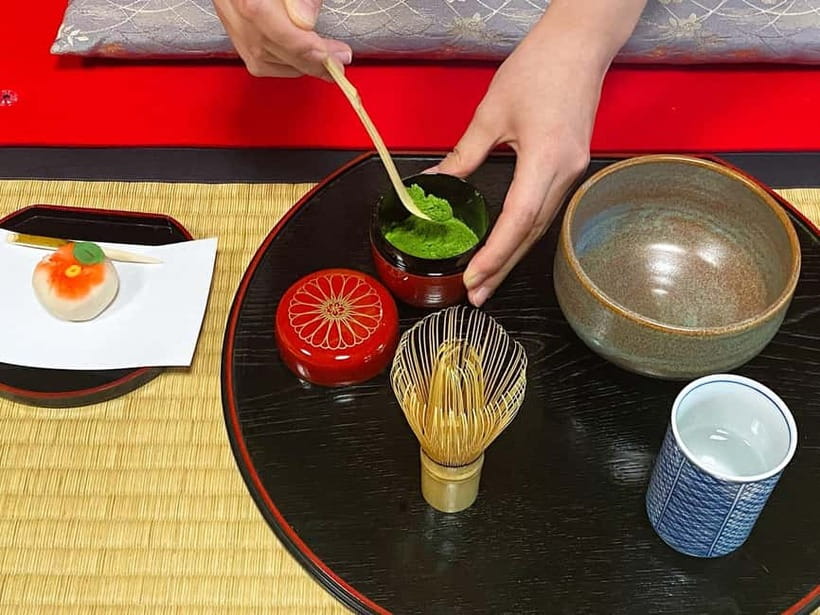
Once your tea is made and you’ve had your matcha, you’ll also taste a customary Japanese sweet. In Japanese tea culture, the sweet often comes before or alongside the tea to balance flavors. Here, it’s part of the straightforward “you do, you taste, you pause” flow.
Then comes the photo. You’ll pose with your group using the garden as a backdrop. It’s not just a random snapshot—because you’re inside a tea-house garden space, the setting makes the photo look intentional rather than like you’re standing in front of a generic wall.
One helpful detail: the space feels designed for calm. That means you’re not trying to take photos while the ceremony is still in motion with people doing quiet ritual work around you. It’s a better setup for photos than many temple or street situations, where everything is constantly moving.

Finding Sakaguchian in Sannenzaka: The Gate Details Matter
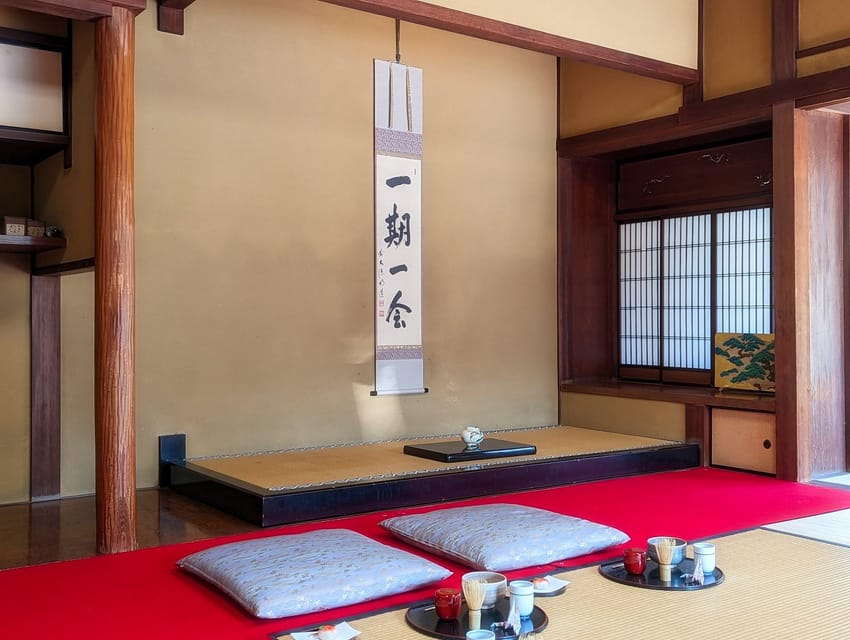
This is in the area of Sannenzaka near Kiyomizu-Dera. The key is to locate the right gates—because the street can look similar in multiple spots.
Use this meeting point approach:
- Go down Sanneizaka near Kiyomizu-Dera Temple.
- Walk about 50 meters, then enter a large gate on the right.
- From that gate, you should see the Japanese garden.
- Pass through the gate and walk straight for about 10 meters.
- Then go through the white gate on your left to find Sakaguchian.
If you’re arriving by cab, tell the driver to head toward Kodaiji Temple and get off at the intersection of Sanneizaka and Ishin-no-michi.
A practical tip: wear shoes you’re comfortable walking in. The whole area around Kiyomizu can be packed, and you’ll likely spend a few minutes weaving through foot traffic to reach the correct entrance.
Weather and Rules: Rain-Safe Calm and What You Can Bring
This ceremony runs rain or shine, so plan for Kyoto weather and keep your timing flexible. The tea house setup is still meant to feel tranquil even if the street is wet and busy.
There are also a couple of rules you’ll want to respect:
- Luggage or large bags are not allowed.
- The experience isn’t suitable for children under 7.
That luggage restriction matters because tea-house spaces can be tight. If you’re carrying a big backpack or shopping bags from earlier in the day, plan to store them before you head to Sannenzaka.
Price and Value: Is $49 Worth 45 Minutes?
$49 per person for a 45-minute ceremony is not “budget Kyoto.” It’s a premium cultural activity. The question is value: what do you actually get?
Here’s what’s included:
- The tea ceremony
- Two cups of matcha
- Traditional Japanese sweets
- A photo
What you’re paying for, in plain terms, is guided instruction plus access to a real tea-house environment and a garden designed to support a ritual setting. You’re not only watching; you’re learning to brew matcha. If you treat this like a photo stop, it may feel expensive. If you treat it like a tea skill and cultural practice, it’s easier to justify.
I’d call it best value for three kinds of people:
- You want a calm, structured Kyoto break from temple crowds.
- You care about doing something with your hands, not just seeing things.
- You’d like a guided introduction to the meaning behind the ritual, in English.
If you’re traveling with kids under 7, this won’t fit. If you’re not into matcha at all, consider whether you’ll enjoy two cups and the effort of learning the steps.
Etiquette That Keeps the Room Peaceful
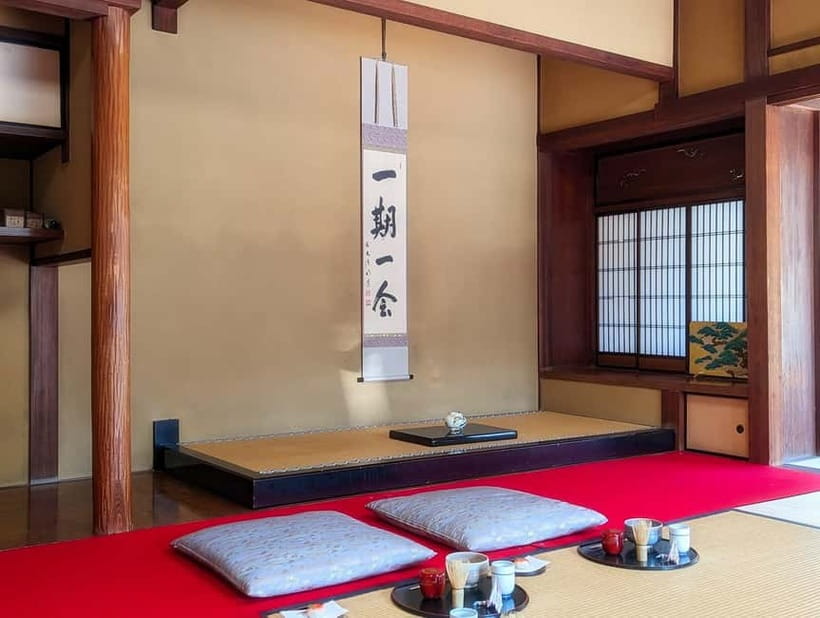
Even though you’re on vacation, this is a ritual space with a real pace. I strongly suggest you follow the instructor’s cues and keep your behavior low-key. A couple of simple rules make the experience better for everyone:
- Keep your voice down and your movements slow.
- Don’t wander around while the tea master is preparing.
- Ask questions at the right moment, not mid-ritual.
One guest even pointed out the importance of not walking around during the ceremony. It’s common sense, but it’s also the kind of detail that makes the difference between a smooth experience and a distracted one.
Should You Book This Kyoto Matcha Ceremony?
Yes, if you want a short, guided, hands-on introduction to Japanese tea culture in a setting that feels genuinely peaceful. The combination of Ogawa Jihei VII garden scenery, a formal tea master demonstration, and your own matcha brewing makes this more than a quick tourist checkmark.
Book it especially if:
- You want an English-led activity that teaches rather than just entertains.
- You’d like two cups of ceremonial matcha plus a sweet.
- You’re staying in the Kiyomizu/Sannenzaka area and want a calm counterbalance to the crowds.
Skip it if:
- You’re hunting for a bargain or a long cultural experience.
- You’re traveling with small children who are under 7.
- You need to bring luggage or large bags inside.
If you’re open to a calm, ritual-style evening (or midday pause) in Kyoto, this is a very solid choice.
FAQ
How long is the Kyoto tea ceremony experience?
It lasts 45 minutes.
How much does it cost?
The price is $49 per person.
What’s included in the price?
You get the tea ceremony, 2 cups of matcha, traditional Japanese sweets, and a photo.
Is kimono rental included?
No, kimono rental is not included.
Is the instruction offered in English?
Yes. The instructor is English.
Does the ceremony run in bad weather?
Yes, it takes place rain or shine.
Are there restrictions on luggage?
Luggage or large bags are not allowed.
Is it suitable for children?
It is not suitable for children under 7.
Where do I meet for the activity?
Meet down Sanneizaka near Kiyomizu-Dera Temple: walk about 50 meters down the street, enter the large gate on the right, then pass through and go straight about 10 meters. Look for the white gate on the left to find Sakaguchian.