REVIEW · KYOTO
Kyoto: 45-Minute Tea Ceremony Lesson Experience
Book on GetYourGuide →Operated by Tea Ceremony Koto · Bookable on GetYourGuide
Matcha teaches manners as much as taste. This short Kyoto lesson pairs a licensed tea master (Urasenke training) with clear, step-by-step matcha practice on tatami, plus sweets to finish.
You get to learn the spirit and history behind the ritual, then actually make tea yourself—using rules that feel like real practice, not a watered-down show. I also like that there are options for a quiet candlelight session or a private setup for your group.
The only real watch-out: the whole thing is tightly timed. Some people feel the experience can feel a bit rushed at the start and end, even though the ceremony itself is the main event.
Key things I’d bet you’ll care about
- Tatami seating + matcha steps taught in the full tea-ceremony style, not the simplified version
- Urasenke background from a licensed tea master from the biggest tea-ceremony school in Japan
- Make-and-drink matcha yourself, not just watch from the sidelines
- Two flavors of Japanese green tea plus traditional sweets
- Kimono add-on with photo time and a look at Nishijin district textiles
- Candlelight option designed to feel like old Kyoto after dark
In This Review
- Why This 45-Minute Kyoto Tea Ceremony Lesson Works
- Meeting Point Near Kinkakuji: Easy to Find, Fast to Start
- Step One: Tatami, Ceremonial Preparation, and Matcha You Can See
- Your Turn With Matcha: Learning the Rules, Not Just the Recipe
- Tea Quality and Two Flavors: Why It Isn’t One-Note Matcha
- Sweets, Etiquette, and Why the Silence Feels Intentional
- Kimono Add-On and Nishijin Textile Photo Time
- Candlelight Session: Old Kyoto After Sunset
- Private vs Public: Choosing the Right Pace for Your Group
- Logistics That Matter: Phones, Seating, and Getting Away
- Price and Value: Is $22 Fair for a Real Tea Lesson?
- Who Should Book This Tea Ceremony Lesson?
- Should You Book Tea Ceremony Koto in Kyoto?
- FAQ
- How long is the Kyoto tea ceremony lesson?
- How much does it cost?
- What tea do I drink during the experience?
- Are traditional sweets included?
- Who teaches the ceremony and what languages are offered?
- Where is the meeting point?
- Can I record video during the ceremony?
- Do I need to wear a special outfit?
- If I add kimono, how early should I arrive?
- What if I have trouble sitting on the floor?
Why This 45-Minute Kyoto Tea Ceremony Lesson Works
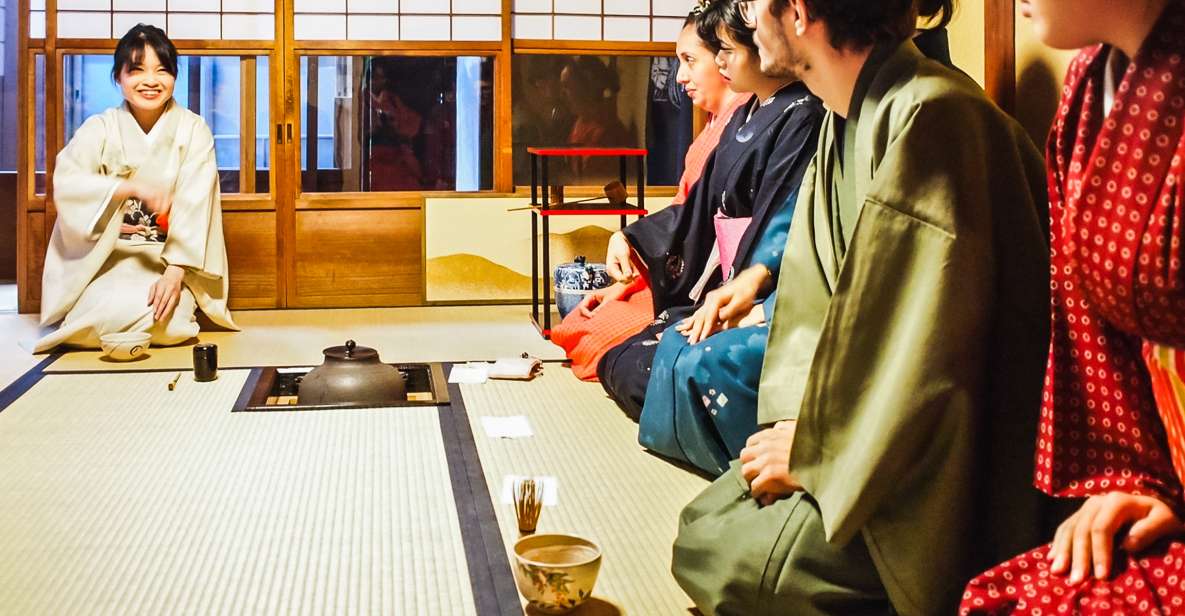
A good tea ceremony isn’t about speed. It’s about attention: how you move, how you accept the cup, and how you taste what’s in front of you. That’s exactly why I like this format. In just 45 minutes, you get the structure of a real lesson—history, technique, and then your hands on the matcha.
Also, this isn’t presented as a cheesy tourist performance. The host is an English-speaking (and Japanese-speaking) tea master from Urasenke, which matters because it signals a serious training line. One big promise here is the “full version” of the thin tea ceremony—so you learn the basic rules and manners, not only the trendy photos.
One more smart touch: you learn how different tea-making methods affect flavor. That turns the experience from I drank matcha into I understand why this tastes the way it does.
Meeting Point Near Kinkakuji: Easy to Find, Fast to Start
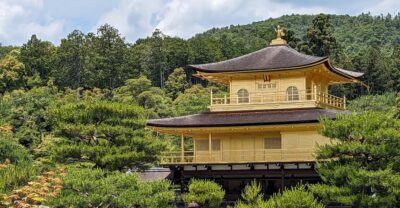
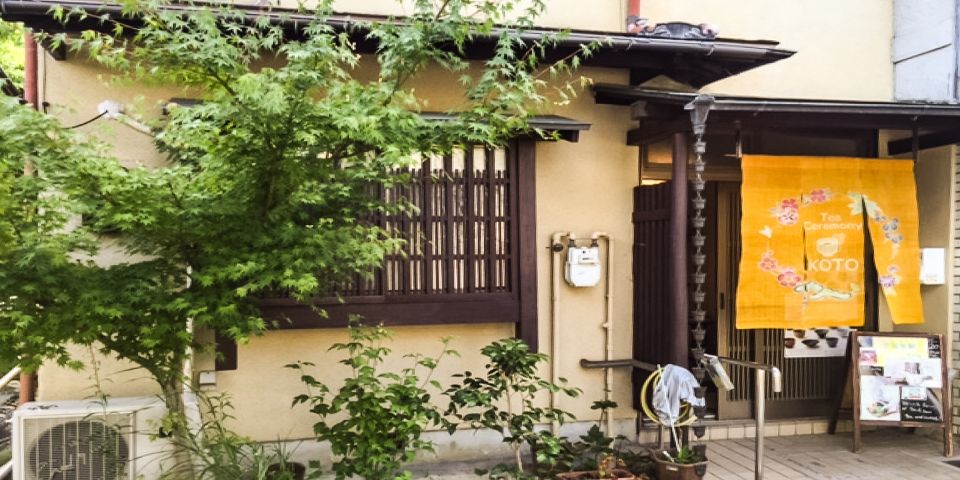
Location is close to Kinkakuji, which is a win if you’re already working that area of Kyoto. You’ll enter from the sliding door with the orange curtain at the building. The meeting spot is about a 1-minute walk from the Kinkakuji-temple gate, and buses 204 or 205 stop near the Kitaoji subway station or JR Enmachi (roughly 10–15 minutes by bus).
Why this matters: you’re not losing time to complicated transfers. Most tea ceremonies in Kyoto sell an experience, but getting there can quietly steal your energy. Here, it’s set up so you can fit the lesson around a temple visit.
If you book the kimono add-on, plan to arrive 20 minutes early. That extra buffer is for changing time, so don’t treat it like a vague suggestion—your schedule will be happier if you respect it.
You can also read our reviews of more tours and experiences in Kyoto


Step One: Tatami, Ceremonial Preparation, and Matcha You Can See
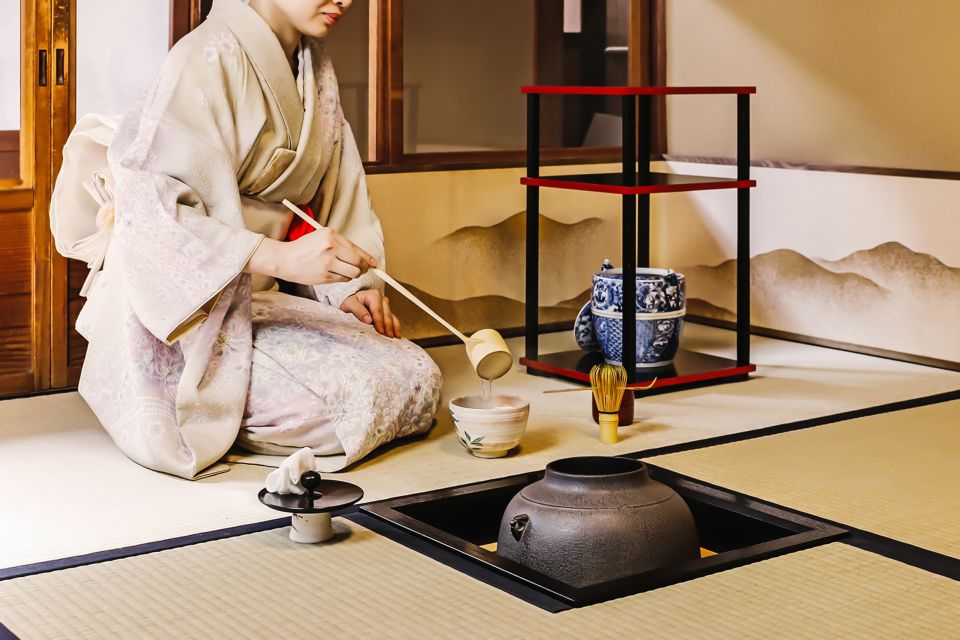
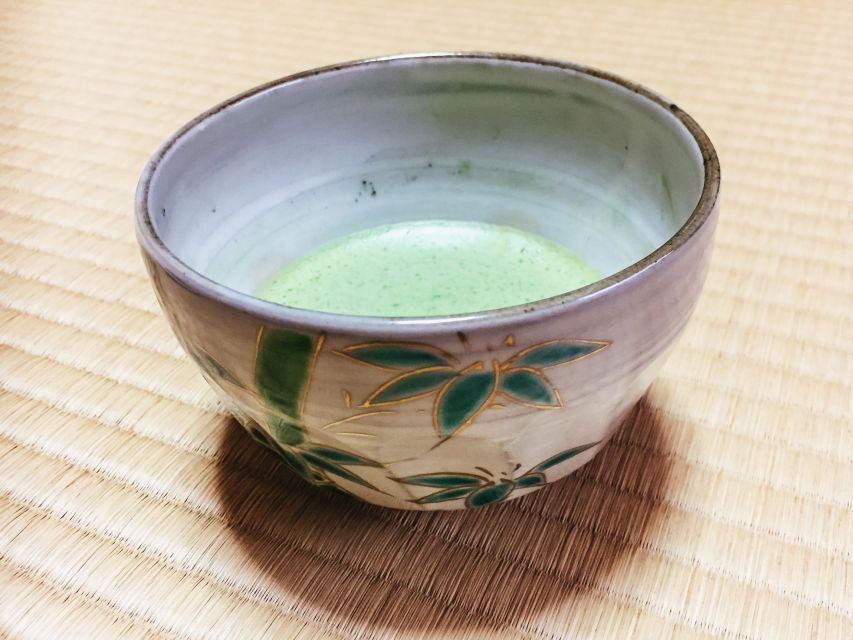
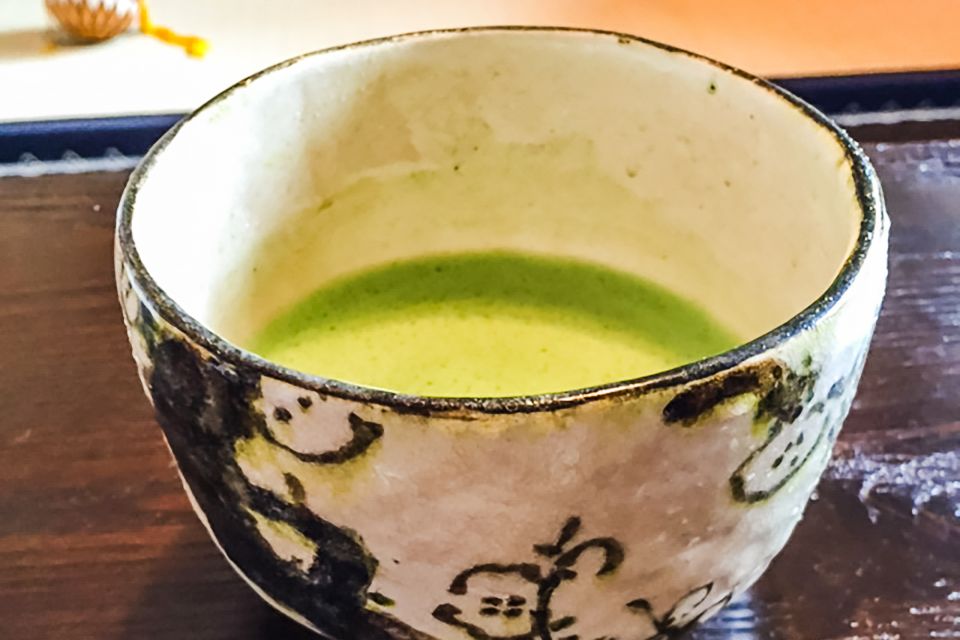
When you arrive, you take your place on the tatami floor mats. Then the host begins the ceremonial prep of matcha, powdered green tea. Watching the preparation first is more than just entertainment. You’re learning what each movement controls—texture, temperature, and how the host balances care with speed.
The host will also explain the history and the spiritual role of the tea ceremony. You’ll hear the ideas behind why the ritual exists and why it’s treated as more than just drinking tea. Expect it to be practical too: they discuss how different methods influence flavor, so you start thinking like a participant, not a spectator.
One detail I like: this experience is designed around teaching “as Japanese beginners.” That phrasing shows up in their approach, and it explains why the host includes rules up front—so your participation makes sense and your manners won’t feel random.
Your Turn With Matcha: Learning the Rules, Not Just the Recipe
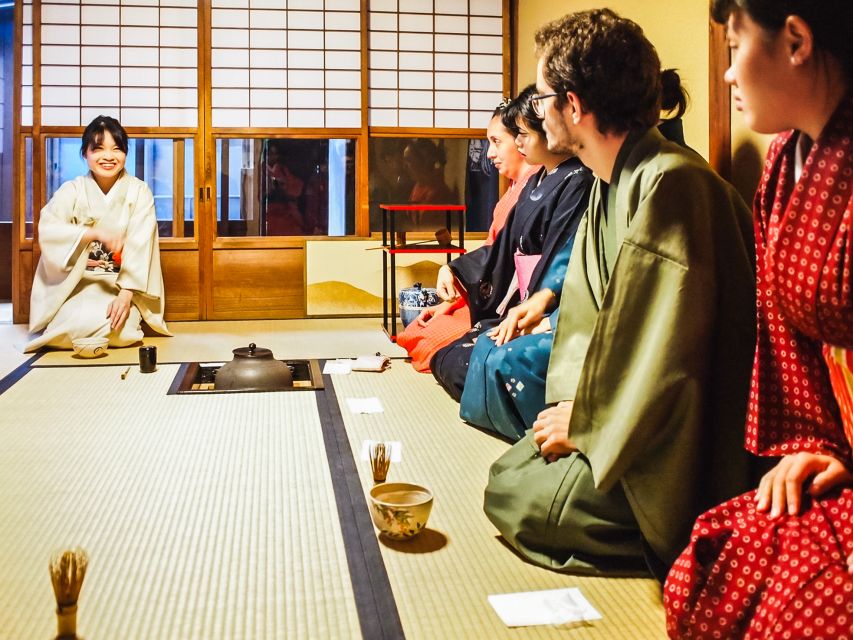
Then comes the part most people really want: you make the tea yourself. You’ll learn the steps of preparing matcha according to the rules of the tea ceremony, while the host guides you and keeps your form aligned with the ritual.
This is where short lessons can either feel like a gimmick or actually teach something. Here, the structure supports the real goal: learning the key actions and why they matter. You’re not only mixing powder and water. You’re practicing the sequence, the etiquette around the cup, and the mindset behind quiet, respectful participation.
A few reviews mention hosts who gave clear instructions and didn’t just toss people into making matcha blindly. One name that appears is Joseph, described as friendly and helpful. Whether you get Joseph or another host, the theme is consistent: the teaching is meant to get you doing it correctly.
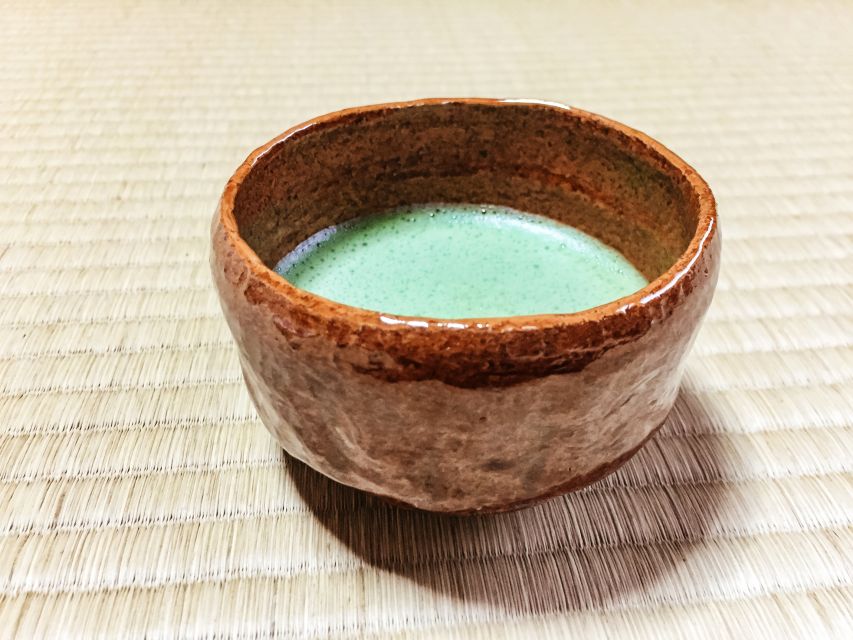
You’ll also drink the tea you’ve made. That immediate feedback loop helps you connect technique with taste.
Tea Quality and Two Flavors: Why It Isn’t One-Note Matcha
You’re included for 2 flavors of Japanese green tea, not just one cup and done. That matters because matcha isn’t always the same experience. The lesson includes different tea preparations, and the host explains how method influences flavor.
What you’ll likely notice is this: matcha texture is as important as taste. A well-made whisked cup can feel frothy and smooth; an under-done one can taste harsher or feel less pleasant. The ceremony approach trains your attention so you can actually notice those differences.
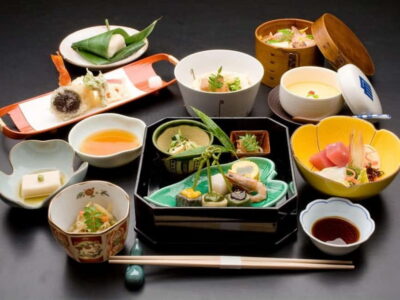
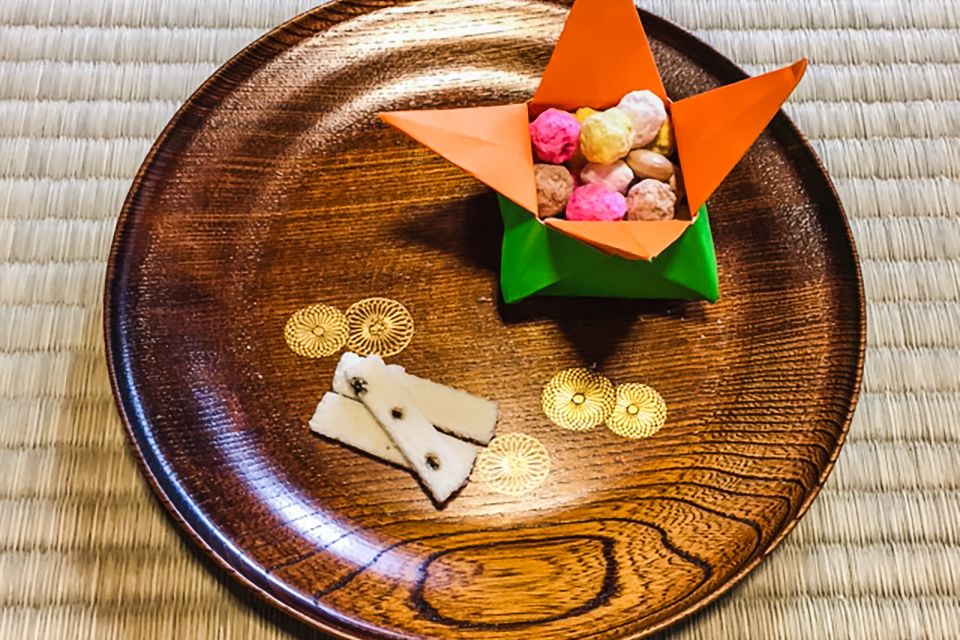
After you drink, you continue with traditional sweets. Sweets in a tea ceremony aren’t random. They help balance the bitterness and let you experience how flavors interact in a planned order.
Sweets, Etiquette, and Why the Silence Feels Intentional
Traditional sweets come after the tea making and tasting, and they act like a palate reset and a cultural punctuation mark. You’re not rushing into dessert mode. Instead, the lesson slows just enough for you to taste calmly and reflect on what you just learned.
Etiquette is the hidden backbone of the ceremony. Even if you don’t speak much Japanese, the host shows you how to handle the cup and how to behave during each step. And because this experience aims to teach the full thin tea ceremony style, you’ll get more of those basic manners than you’d find in a simplified demo.
The no-video rule also supports the tone. You’re expected to be present, not filming every motion. If you’ve ever tried to watch a tea ceremony while holding a phone, you know it breaks the flow. Here, they remove that problem.




Kimono Add-On and Nishijin Textile Photo Time
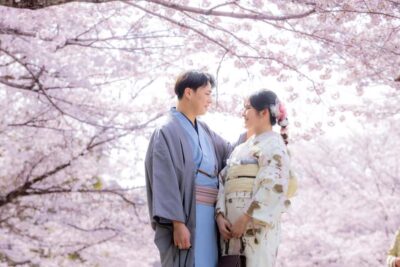
If you want the classic Kyoto look, the kimono add-on is worth considering. You can select it during booking, and then you’ll have photo time at the end of the ceremony. The add-on is designed to feel like part of the experience, not a last-minute wardrobe change.
The session also includes time to see examples of kimonos and beautiful woven textiles made in the Nishijin district of Kyoto. That’s useful because it gives context. You’re not just wearing fabric; you’re seeing where Kyoto’s craft identity shows up in real objects.
A practical tip: kimono time can feel fast. That’s why arrival timing matters. If you arrive late, it’s not a big drama—some hosts have shown flexibility in the past—but it can still make the process tighter than it needs to be.
Also, no dress code is required for the base experience, so you can show up in normal clothes and only change if you choose the kimono add-on.
Candlelight Session: Old Kyoto After Sunset
The candlelight option is designed to recreate the peaceful ambiance of old Kyoto after sunset. If you’re choosing between daytime calm and evening mood, this is the one that changes the atmosphere the most.
Expect the ceremony to stay structured, but the lighting and timing make the ritual feel different. Candlelight tends to soften the edges of the room, and that changes how you experience the movements. If you want photos, this option can deliver a particular glow—without the need to stage anything.
This is also a great choice if you want your Kyoto day to end with something slower. Temples can be intense with crowds and midday heat. Candlelight tea is the antidote.
Private vs Public: Choosing the Right Pace for Your Group
You can choose a private setting, a public small group, or a candlelight version. Each option changes the vibe.
- Private ceremony: better if you want close attention from the tea master and a quieter rhythm. This is especially useful for couples or families who want questions answered without feeling like the group is waiting.
- Public ceremony: better if you like learning alongside others. It’s meant to feel sociable while still being authentic, like Japanese beginners practicing together.
- Candlelight ceremony: the most atmospheric, mainly because it’s after dark and intentionally themed.
If you’re someone who gets distracted easily, private can help. If you enjoy a little shared energy, public may be more fun. Either way, the tea ceremony itself is still the center of gravity.
Logistics That Matter: Phones, Seating, and Getting Away
A few practical notes can save you stress. Video recording isn’t allowed, so don’t plan a content-heavy session. Photography is allowed during the photo portion, especially if you add kimono.
Seating is on tatami, but if you have difficulty sitting on the floor, you should tell the supplier ahead of time. Chairs can be provided, so you won’t have to tough it out with sore legs.
Getting a taxi after the experience is tricky because taxi companies won’t get on the phone immediately. There’s a big taxi stand in front of the activity area, and it usually opens around 5:30 PM. If you’re planning an evening schedule after tea, you’ll want to think about transport timing.
Price and Value: Is $22 Fair for a Real Tea Lesson?
At $22 per person for 45 minutes, the value depends on what you want from Kyoto. If you’re after a quick photo stop, it’s not the cheapest route. But if you want real learning—matcha technique, ritual rules, and two tea tastings plus sweets—this is strong value for a hosted, teacher-led experience.
The “value” here is the combination:
- A licensed tea master from Urasenke
- Hands-on matcha making
- Cultural context that explains why the actions exist
- Included tasting (two green tea flavors) and sweets
- Optional kimono and photo time if you want a souvenir you didn’t DIY
Also, the cancellation policy is flexible (free cancellation up to 24 hours in advance), and the reserve-and-pay-later option helps if your Kyoto schedule is still moving around. You’re not forced to make the decision too early.
Who Should Book This Tea Ceremony Lesson?
Book it if you want a calm cultural experience in Kyoto where you learn the rules and then participate. It suits people who like craft, manners, and learning by doing.
It’s also a good pick for:
- First-time visitors who want something more meaningful than a show
- Food-minded travelers who care about bitterness, texture, and technique
- Couples and families who want a quiet shared activity
- Anyone who’s curious about the Urasenke tradition and wants the “full version” lesson
If you hate sitting on the floor and you didn’t plan for chairs, it may be uncomfortable. And if you’re very time-sensitive, the 45-minute structure means you should arrive on time—especially for kimono.
Should You Book Tea Ceremony Koto in Kyoto?
If you want an authentic Kyoto experience that teaches you how to do the ceremony, not just watch it, I’d book it. The format is short, but it’s built for real practice: matcha preparation you can see, rules you can follow, and tea you drink right away.
Choose kimono if you want the Kyoto “memory on film” element and don’t mind arriving early. Choose candlelight if you want atmosphere and a softer evening mood. Choose private if your group would benefit from a slower pace and more direct attention.
If you only want a quick attraction with maximum photos, you might feel the time limit. But if you want one of Kyoto’s most thoughtful traditions—served in a practical, understandable lesson—this is a strong bet.
FAQ
How long is the Kyoto tea ceremony lesson?
It runs for 45 minutes.
How much does it cost?
The price is $22 per person.
What tea do I drink during the experience?
You’ll enjoy 2 flavors of Japanese green tea, including matcha prepared in the tea ceremony style.
Are traditional sweets included?
Yes, traditional Japanese sweets are included.
Who teaches the ceremony and what languages are offered?
The instructor is an English- and Japanese-speaking tea master.
Where is the meeting point?
Enter from the sliding door with the orange curtain at the building. It’s also about a 1-minute walk from the gate of Kinkakuji-temple.
Can I record video during the ceremony?
No. Video recording is not allowed.
Do I need to wear a special outfit?
There is no dress code for the activity.
If I add kimono, how early should I arrive?
If you reserve the kimono add-on, you need to arrive 20 minutes early.
What if I have trouble sitting on the floor?
If you might have difficulty sitting on the floor, you should inform the supplier. Chairs can be provided.