REVIEW · KYOTO
Ninja 1-hour Hands-on Lesson by Japanese master in Kyoto -Entry
Book on Viator →Operated by NINJA DOJO and STORE · Bookable on Viator
One hour in a Kyoto dojo feels like a costume change into real skills. You’ll get hands-on weapon practice and a max of 6 people, so you’re not lost in a crowd. The one downside to know up front: the history is more of a quick primer than a deep dive, and it can feel a bit game-like if you want strict realism.
I like that the class is built around simple, physical fundamentals first, then adds weapons in a controlled way. You’ll practice ninja breathing and walking as well as the fun stuff like shuriken and blowgun darts. If you’re expecting a long culture lecture, you might leave wanting more.
For most people, though, this is a smart, high-energy break from temples and streets, with enough structure to feel worth the ticket price.
In This Review
- Key highlights to know before you go
- A Kyoto dojo lesson with a clear 1-hour game plan
- Kuji-In breathing and ninja walking: more than just acting
- The trick-house style segment: a playful challenge with a purpose
- Throwing kunai, shuriken, and blowgun darts (and why it matters)
- Sword training: a demo first, then your turn
- What’s included in the $80.58 value (and what isn’t)
- Meeting point and getting there without stress
- Small group training: why maximum 6 people changes everything
- Who should book this ninja class in Kyoto
- Quick do’s and don’ts for your session
- Should you book Ninja 1-hour Hands-on Lesson in Kyoto?
- FAQ
- How long is the Ninja hands-on lesson?
- What is the group size?
- Where do I meet for the lesson?
- Is transportation included?
- What’s included in the price?
- What weapons and skills will I practice?
- Is it suitable for kids?
- Is food provided?
- What if the weather is bad?
- What’s the cancellation window?
Key highlights to know before you go
- Small-group class (maximum 6): more time practicing, less waiting.
- Ninja clothes rental: you’ll train in a real outfit, not just a theme.
- Kuji-In breathing and walking: basic stealth habits are part of the lesson.
- Hands-on weapons: kunai (dagger), shuriken (ninja stars), and blowgun darts at targets.
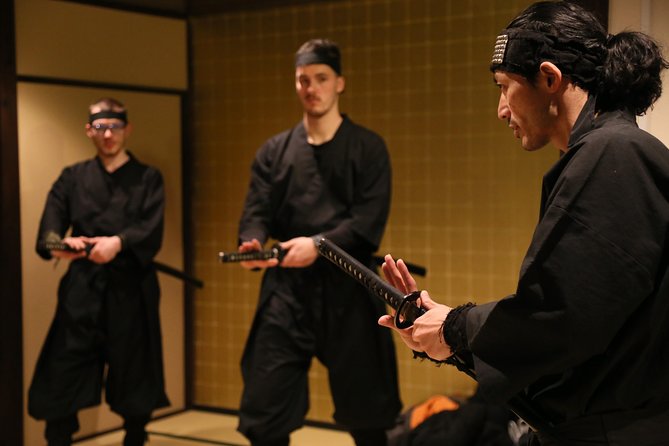
- Sword training with a demo: learn the sequence, then try under guidance.
- Dojo + trick house style segment: a playful challenge that keeps the hour moving.
A Kyoto dojo lesson with a clear 1-hour game plan
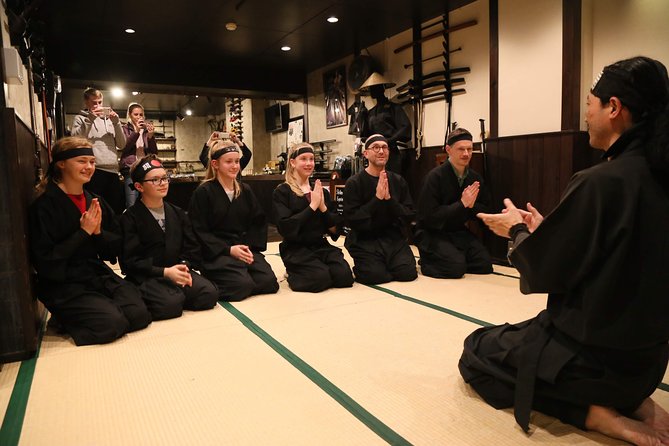
This is a beginner-friendly ninja-training class in a traditional-style dojo in Kyoto. The format is designed to keep you moving for about an hour: learn a few core techniques, watch a demonstration, then practice in short rounds. The small group matters a lot here, because the instructor can correct your posture, spacing, and throwing motion without turning it into a production line.
You meet at NINJA DOJO and STORE KYOTOJapan, 528 2F in Shimogyo Ward (Hakurakutenchō). The experience ends back at the meeting point. You’ll have a mobile ticket, which is usually the kind of thing that makes check-in easier on busy days.
What I like most is the structure: it starts with mind-and-body basics (breathing, walking, and meditation), then layers in weapons step by step. That keeps it approachable even if you have zero experience with kendo, martial arts, or weapon throwing.
You can also read our reviews of more tours and experiences in Kyoto

Kuji-In breathing and ninja walking: more than just acting
The first portion focuses on the basics of ninja control. You’ll learn Kuji-In (a ninja-style meditation approach), along with techniques tied to breathing and presence. It sounds abstract, but it’s practical: the class uses breath control to help your body stay steady and calm while you move.
Then comes ninja walking. Instead of a random “tiptoe like a cartoon,” the lesson trains your steps and weight shift in a way that’s meant to reduce noise and improve control. Expect the kind of adjustments that feel small but add up fast, especially when you try to apply it to a slightly challenging space.
If you’re doing this with kids, this section is often the easiest win. It’s active, but not intimidating. If you’re doing it as an adult, you’ll still get value because it sets your stance and timing before weapons come out.
The trick-house style segment: a playful challenge with a purpose
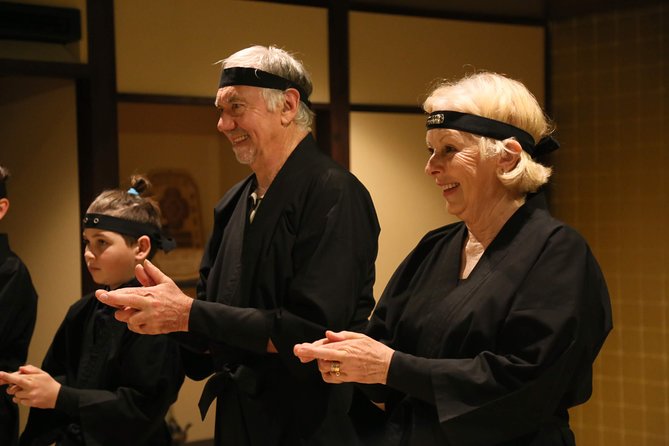
A standout moment is the introduction gimmick and trap at a ninja trick house. It’s not just for laughs. It’s used like a training tool: you learn how to stay aware, follow cues, and move carefully under mild pressure.
From the way the class is described, you should expect a short “story” segment that turns into movement practice. In a few of the experiences people describe, there are secret rooms or trap-door style elements used during the activity. Whether you call it theatrical or traditional, the point is the same: you’re learning to respond quickly while staying controlled.
If you’re the type who wants total realism and zero showmanship, this part may feel a little gimmicky. If you’re fine with a hands-on format, it’s usually what makes the hour feel like an event instead of a lecture with demos.
Throwing kunai, shuriken, and blowgun darts (and why it matters)
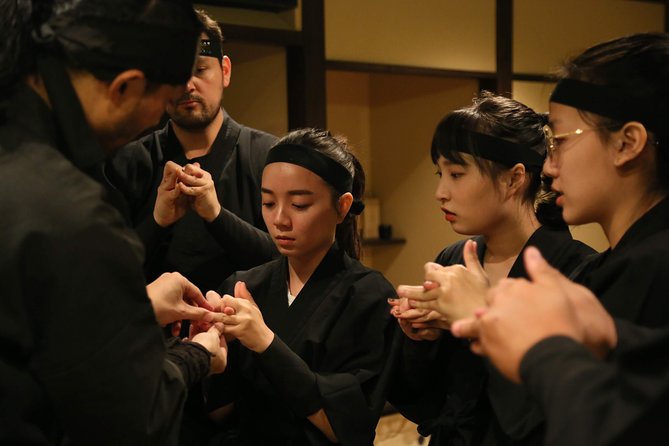
After the movement basics, the class goes into weapon training. The lineup includes:
- Kunai training (dagger-style)
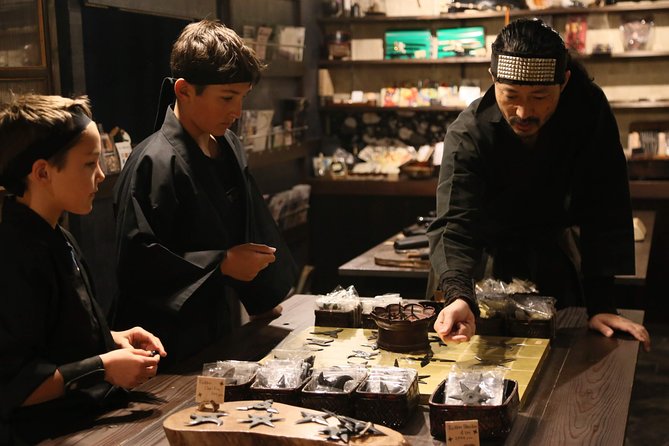
- Shuriken training (ninja stars)
- Ninja blowgun training (blow darts)
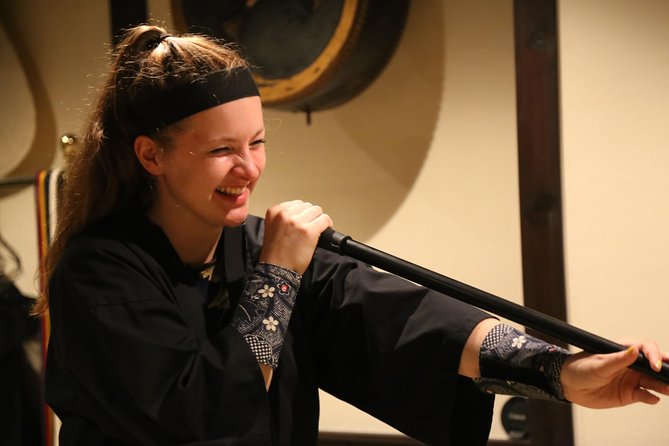
You’ll practice throwing at targets. The “at targets” part is key. It means you’re learning form with a safety mindset, not just flinging props around a room. Multiple people mention that the instructors are careful with the weapons, which is exactly what you want to hear when you’re learning beginner throws.
Two things to keep in mind as you’re practicing:
- The throws will be technique-focused, not strength-focused. If you muscle it, accuracy usually falls apart.
- Dart and shuriken training reward patience. If you rush, you’ll miss—and the instructor will adjust you back to basics.
Also, don’t discount the smaller stuff. Some people describe the class as surprisingly hard in a fun way even when you’re doing a “simple” toss. That’s part of the value: you’ll leave with a sense of what actually takes skill.
If you’re traveling with kids, this is also where the excitement spikes. Reviews repeatedly mention kids loving shuriken throwing and blow darts, with parents appreciating that everyone had a clear role and time to practice.
Sword training: a demo first, then your turn
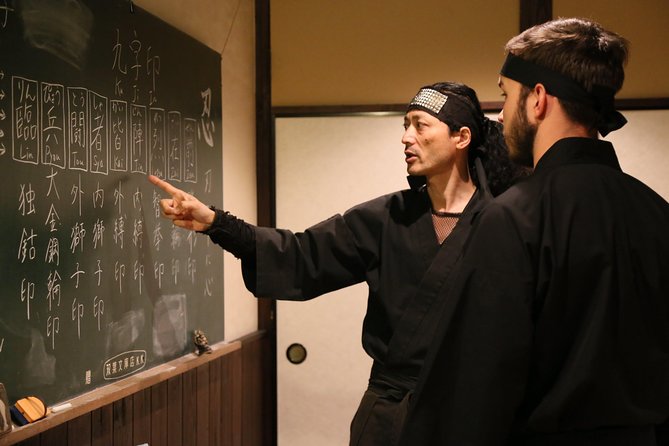
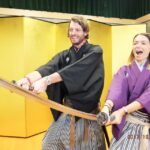
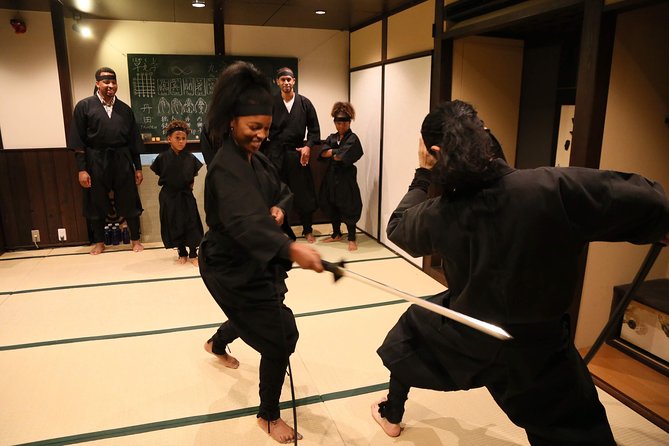
The sword portion is structured around demonstration and then training. You’ll see how the instructor expects you to hold, move, and handle the tool safely, then you’ll get practice time.
Sword training can be the most intimidating segment for beginners, but the class keeps it beginner-friendly by teaching the sequence. You’re not expected to perform like an action hero after 10 minutes. Instead, you’re learning how to move with control, how to keep your body aligned, and how to follow cues.
This is also where the teacher’s personality matters. In descriptions of real classes, names like Sho and Jack show up as instructors, and multiple accounts mention instructors speaking excellent English. That combination helps, because sword technique lives or dies on correct positioning and timing—and it’s much easier when you can clearly understand instructions.
One practical note: sword training is physical. You’ll likely be switching stances and moving your arms in a way that’s not just “standing and watching.” Plan on an hour where you’re actively using your body.
You can also read our reviews of more tours and experiences in Kyoto





What’s included in the $80.58 value (and what isn’t)
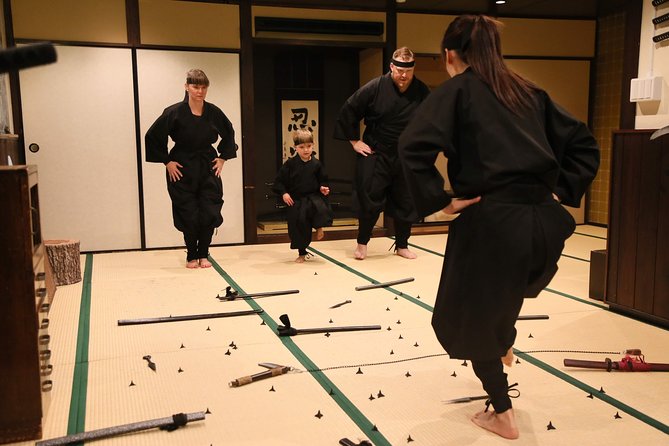
At $80.58 per person for about an hour, the value comes from what’s folded into that time:
- A Japanese sensei master teaching the class in English
- Ninja clothes rental during training
- The admission fee
Not included: food and drink, and there’s no hotel pickup or drop-off. You’re going to arrive on your own and leave on your own.
So does the price make sense? For me, yes—if you want hands-on skills. You’re not just buying a show. You’re renting a costume, learning breathing and walking basics, practicing multiple weapon types, and getting guided correction in a small group. That’s a lot of structured activity for a short session.
Where it can feel less worth it is if you only care about history. One experience description notes the history felt a bit light and the tone felt game-like. If you want long explanations of samurai vs. ninja culture or extensive historical detail, this probably won’t satisfy that alone.
Meeting point and getting there without stress
You’ll start at NINJA DOJO and STORE KYOTOJapan, 528 2F, Hakurakutenchō, Shimogyo Ward, Kyoto (600-8422). The location is described as near public transportation, so it should be workable even if you’re hopping between sights.
Because there’s no hotel pickup, I recommend planning your arrival like you would for a museum or cooking class: go a little early, get oriented, and don’t treat it like a “drop in whenever” situation. You’ll want time to check in, get your ninja outfit, and settle before training begins.
Also, wear clothes that let you move. No one is asking you to show up in gym wear, but you’ll be walking, throwing, and practicing stances. Closed-toe shoes are smart for comfort.
Small group training: why maximum 6 people changes everything
This class caps at 6 travelers. That’s not a throwaway detail. In a group that size, the instructor can:
- adjust your breathing and posture while you practice
- watch your throwing form at close range
- correct sword handling quickly and safely
- keep the pace moving so you actually get turns with each weapon type
In real descriptions, people also mention it feels more private and more authentic than rushed, high-volume attractions. Even if the theme has fun elements, the teaching time stays meaningful because you’re not waiting your turn for most of the hour.
If you’re debating between a “big show” and a smaller lesson, this is the kind of place where small wins.
Who should book this ninja class in Kyoto
This is a good match if you want an active, structured “Japan hands-on” day:
- Families: there are multiple positive notes about kids (including ages around 7 to 10) enjoying dressing up and trying the weapons.
- Date nights: the ninja costume plus guided practice makes it feel like an experience, not just sightseeing.
- Adult beginners: you don’t need martial arts background to participate; it’s designed as an entry-level lesson.
- Fans of ninja fiction: even if you don’t care about pop culture, it helps you get into the vibe.
It may be a weaker fit if:
- you mainly want historical depth and lots of context
- you dislike playful trick-house segments
- you want a very quiet, contemplative activity
Quick do’s and don’ts for your session
Do:
- arrive ready to move (you’ll be breathing, walking, and practicing)
- listen closely in the first portion so your weapons training feels easier later
- ask questions about technique if your instructor offers guidance in English
Don’t:
- expect a long lecture on ninja history and samurai comparisons
- rush your throws; accuracy usually comes from form, not speed
- show up in anything that restricts movement
Should you book Ninja 1-hour Hands-on Lesson in Kyoto?
Book it if you want a short, hands-on activity that gives you a real costume-up training session with practical basics and multiple weapon types. The price feels fair when you consider clothes rental, admission, English teaching, and the chance to practice in a max of 6 people.
Skip it (or lower your expectations) if your main goal is serious, detailed history. The class is designed to teach control and skills in an energetic format, and the “fun factor” includes some trick-house style showmanship.
If you like action, practice, and a guided hour where you leave with something you can remember, this is a smart add to a Kyoto day.
FAQ
How long is the Ninja hands-on lesson?
It runs for about 1 hour.
What is the group size?
The class has a maximum of 6 travelers.
Where do I meet for the lesson?
You meet at NINJA DOJO and STORE KYOTOJapan, 528 2F, Shimogyo Ward, Hakurakutenchō, Kyoto 600-8422.
Is transportation included?
No. Hotel pickup and drop-off are not included.
What’s included in the price?
Included are teaching by a Japanese sensei master (in English), ninja clothes rental during training, and the admission fee.
What weapons and skills will I practice?
You’ll train in ninja breathing and walking, and you’ll practice ninja sword training plus throwing kunai, shuriken, and blowgun darts at targets.
Is it suitable for kids?
The experience is described as suitable for all ages, and it’s commonly done as a family activity. It’s an active lesson, so kids should be comfortable participating.
Is food provided?
No food and drink are included.
What if the weather is bad?
The experience requires good weather. If it’s canceled due to poor weather, you’ll be offered a different date or a full refund.
What’s the cancellation window?
You can cancel for a full refund if you cancel at least 24 hours in advance of the experience start time. If you cancel less than 24 hours before, the amount paid won’t be refunded.