REVIEW · KYOTO
Private Japanese Sound Bath in Kyoto
Book on Viator →Operated by Miracle.Sound.Vibration · Bookable on Viator
Sonic sound baths in Kyoto can be spiritual or just soothing, depending on the setup. This one is built for private relaxation with a Japanese-made instrument called the Singing Ring, plus a simple, lie-down format that feels like Zen with your eyes shut.
I like two things most: the session stays personal (up to two people, no mixing in), and the guide treats the experience as a craft, not a generic loop of music. One thing to consider is that the Traditional Tatami Room option is at a separate venue, and you’ll want to follow the post-booking location message so you don’t waste time searching.
In This Review
- Private Kyoto Sound Bath With the Singing Ring
- The Singing Ring: The Japanese-Made Instrument Part
- What Happens During Your 60-Minute Session
- Your Guide: Craft, Calm, and Clear Instructions
- Meeting in Kyoto Without Getting Stuck
- Private Means Private: Group Size and Comfort
- Traditional Tatami Room Option (Separate Venue)
- Price and Value: When $97.73 Makes Sense
- Who Should Book This in Kyoto
- Tips to Get More Out of the Sound Bath
- Should You Book This Private Japanese Sound Bath in Kyoto?
- FAQ
- How long is the private Japanese sound bath in Kyoto?
- Is this sound bath fully private for my group?
- What instrument is used during the session?
- Where do we meet for the Kyoto sound bath?
- What happens once I arrive and lie down?
- Is there a Traditional Tatami Room option, and is it at the same address?
- How do confirmation and cancellation work?
Private Kyoto Sound Bath With the Singing Ring
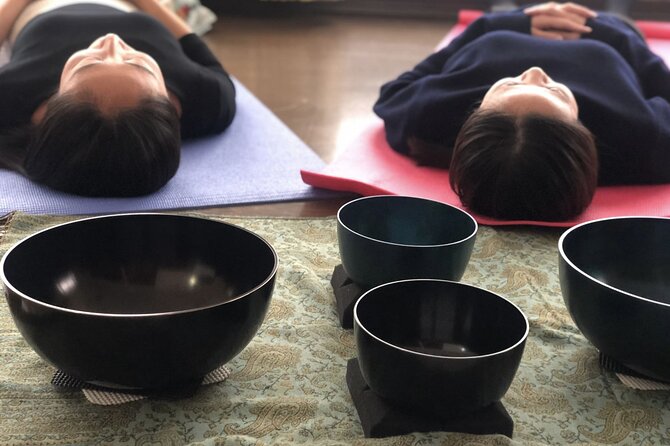
Kyoto is full of pretty distractions. This experience is the opposite. You meet your guide, you get settled on a heated mat, and you spend the next hour letting sound and vibration do the work. The format is intentionally quiet and minimal: no stage, no crowd, just you (and your small group) in a calm space designed for deep rest.
What makes this sound bath different from the standard “bowls in a circle” version is the instrument. Instead of only using the familiar set of bowls, the session centers on the Singing Ring—an explicitly Japanese harmonic instrument crafted one by one by artisans. That detail matters because it changes the tone and the kind of resonance you feel, not just what you hear.
And yes, you’re expected to lie down. If you’re the type who normally overthinks wellness, this one can be oddly refreshing: the job is basically to get comfortable, then let the vibrations move through you.
The Singing Ring: The Japanese-Made Instrument Part
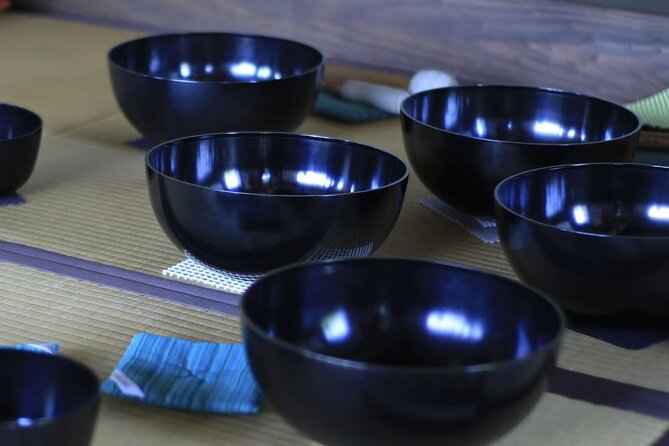
Here’s the thing I’d watch for in any sound bath: what instrument is used, and how much intention is behind it. This session highlights a special tool called the Singing Ring, made by Japanese artisans and finished through careful handcraft. That’s not just marketing language here—it’s woven into the way the guide introduces the session.
In a typical sound bath, you might hear instruments and feel some warmth or gentle hum. With this setup, the sound is meant to guide you—like a moving meditation—while your body receives vibration more directly. The experience leans toward that hands-on feeling where you can sense the sound with your skin, not just your ears.
If you’ve done sound baths elsewhere, the contrast can be noticeable. Even the language used for this session points to the idea that it’s something you can only do in Japan, because the instrument and the craftsmanship are the point.
You can also read our reviews of more private tours in Kyoto



What Happens During Your 60-Minute Session
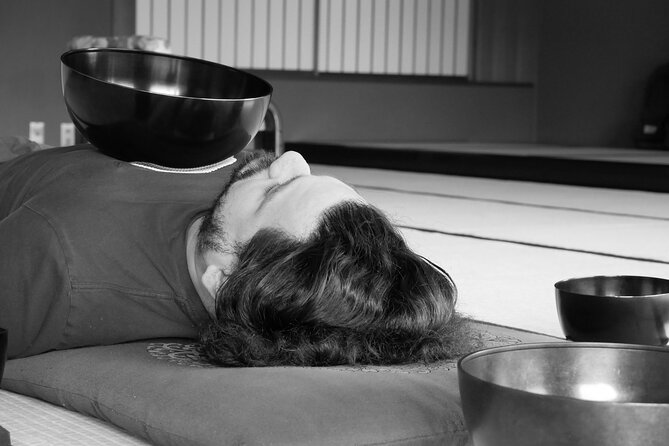
The session duration is about 60 minutes (the total experience time is listed at roughly 1 hour 20 minutes, which usually allows for settling and setup). You’ll start at the meeting point in Kyoto, then your guide brings you into the room where the bath happens.
Once you’re in place, the experience is straightforward and relaxing:
- You lie on a heated mat.
- You’re given an eye mask and a blanket, which helps your brain stop scanning the room.
- The guide begins by playing near you, so the sound arrives gradually.
- Then the Singing Ring and other resonant instruments are used in a way that supports direct body contact.
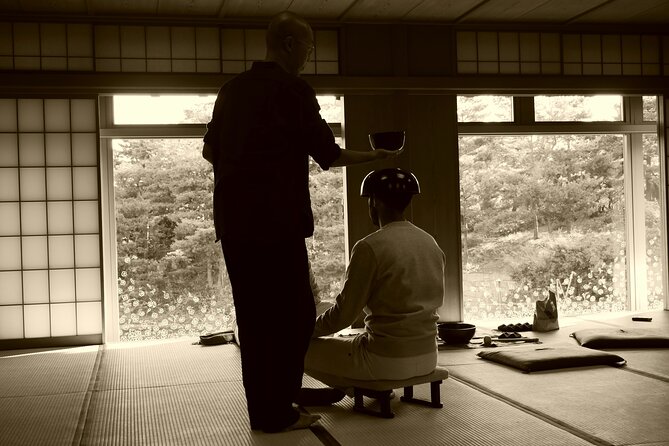
- In the hands-on portion, the guide places the bowls on the body for parts of the session, so you feel vibration rather than only hearing it.
That last point is important. Sound baths often feel similar from the outside. The moment you feel vibration in your chest, shoulders, or back, it changes from “listening” to “sensing.” The reviews backing this up are consistent on this: the sessions use placement on the body to make the calming effects more physical.
You’re not asked to do any complicated routine. You don’t need to bring a singing voice, a breathing technique, or a playlist. The whole idea is to reduce noise—both literal and mental.
Your Guide: Craft, Calm, and Clear Instructions
A big part of value in a private wellness activity is how the guide handles the human side: comfort, pacing, and explanation. The guide for these sessions—Junichiro—shows up in the way you’d want for something unfamiliar.
From the way he’s described, he does three practical things well:
- He helps you find the place quickly. One review mentions meeting at a local FamilyMart so the group wouldn’t get lost. That’s the kind of detail you’ll appreciate in Kyoto, where street corners can look similar.
- He explains what’s happening without turning it into a lecture. If you’ve never done a sound bath before, that matters.
- He stays professional and present throughout, including keeping you updated before your session.
That combination is what turns a wellness activity from awkward to effortless. You arrive, you get guided, and then you can actually relax.
Meeting in Kyoto Without Getting Stuck
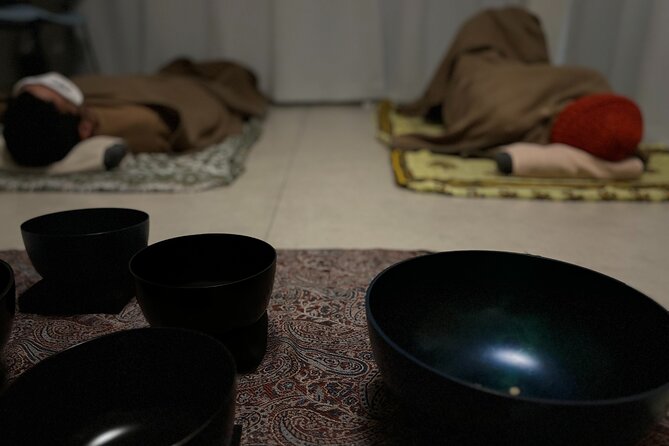
Your meeting point is listed as Little Granmy 京都, located at 600-8208 Kyoto, Shimogyo Ward, Koinarichō, 85-10-203. The activity is also described as near public transportation, which is helpful if you’re already juggling trains and buses between temples.
Still, Kyoto can be a “tiny streets, big confusion” kind of city. If you’re the type who hates last-minute navigation, this is one place where I’d take the human help seriously—follow the guidance you receive after booking, especially because:
- The Traditional Tatami Room is at a separate venue.
- A Google Maps pin link might not work the same way as a normal map search, so don’t assume it will route you perfectly.
The practical takeaway: check your message after booking, and give yourself a little extra time to reach the correct room. You’ll enjoy the session more when you’re not hustling.
Private Means Private: Group Size and Comfort
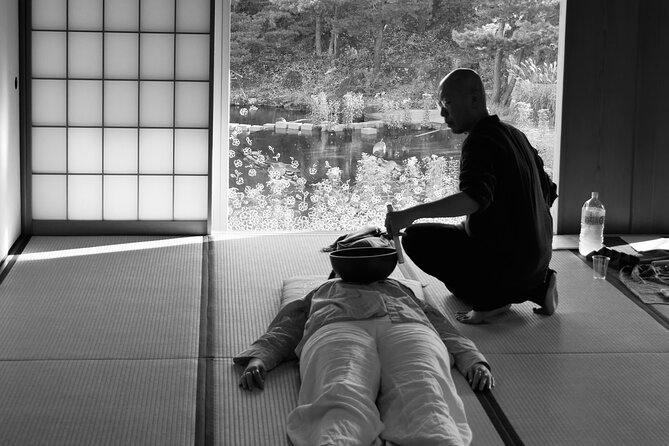
This is sold as a fully private session. The rules are simple:
- Up to 2 guests per session
- Once confirmed, no other guests are added to your time slot
In plain terms, that means no awkward waiting room with strangers, no sharing your silence, and no feeling like you need to perform calm for other people. If you’re traveling with a partner, a friend, or even a parent/teen, privacy is a big part of why this feels like a true reset.
If you’re coming solo, you still get the same personal setup—just with fewer voices in the room and more space to let your body settle.





Traditional Tatami Room Option (Separate Venue)
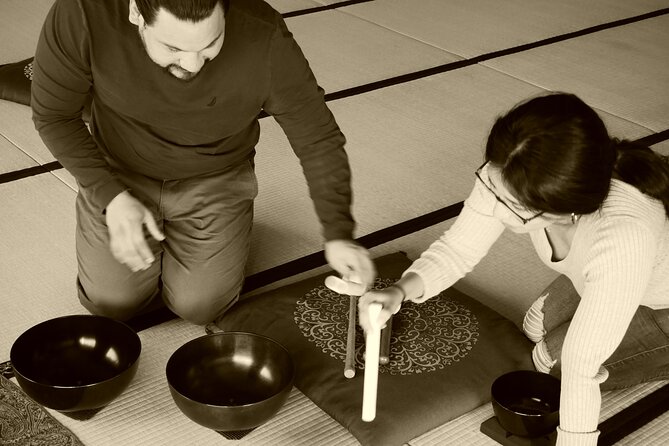
The experience includes a note about a Traditional Tatami Room. Key points you should know up front:
- The Traditional Tatami Room is at a separate venue
- The Google Maps link provided in the option description can’t be set in the map normally, so you’ll need the guidance message you receive after booking
- An optional format may accommodate up to 3 people, but you need to contact after booking if you want that option
So, what should you do with this info? If you want the tatami feel, don’t assume it’s automatic. Plan on checking the message and confirming details after you book. The extra attention is worth it if tatami is part of your Kyoto “sensory memory,” but it’s still something you should handle carefully.
Price and Value: When $97.73 Makes Sense
At $97.73 per person, this isn’t a cheap add-on. But it also isn’t priced like a mass class either. You’re paying for three things the listing emphasizes:
- Fully private timing
- A specific Japanese instrument focus (the Singing Ring)
- A hands-on setup using vibration on the body, not just ambient sound
If you compare it to other wellness-style experiences in big cities, private sessions tend to cost more than group classes. What makes this feel like decent value is the time and the structure: you get a full hour-based session around a craft instrument, and you’re not squeezed into a multi-person schedule.
One more value point: you can treat this as a “reset” day. If you’re doing temples, neighborhoods, and long walking routes, sound can balance the trip. Not as a cure-all. Just as a way to help your nervous system stop running.
Who Should Book This in Kyoto
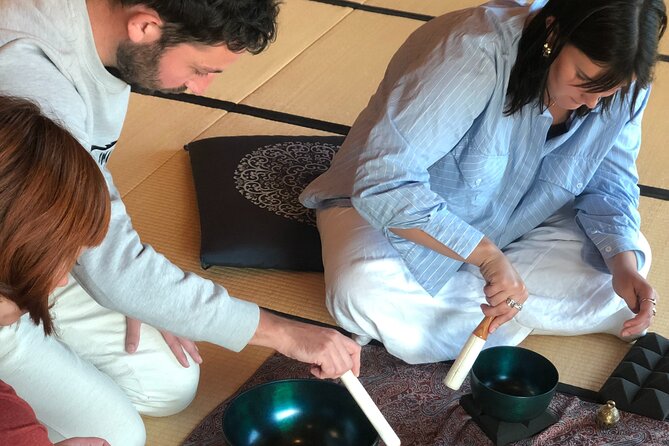
This is a strong fit if you want something calm and distinctly Japanese without needing cultural background. It’s also a good choice if you like the idea of wellness that’s simple: lie down, follow the guide, let the vibrations do the work.
It can work particularly well if you’re:
- A first-timer who doesn’t want to feel lost (Junichiro explains and helps with finding the spot)
- Traveling with one other person and you value privacy
- Visiting Kyoto while feeling overstimulated and wanting a slower pace
- Curious about Japanese craftsmanship beyond souvenirs
It might not be ideal if you need something very active or if you hate lying still for an hour. This isn’t a walk-and-watch experience. It’s rest.
Tips to Get More Out of the Sound Bath
This is a “show up ready to relax” kind of activity. A few practical tips will help:
- Plan to arrive calm. Give yourself extra minutes so you’re not late or rushed.
- Wear comfortable clothing you can stay relaxed in once you’re settled on the heated mat.
- Keep your expectations simple: you’re not chasing a performance. You’re letting the sound and vibration work through you.
- If you’re sensitive to sensation, you can ask the guide what to expect at each stage. The guide’s teaching tone is part of the experience.
And if you’ve done sound baths before, treat this as a different instrument experience. The Selling Point here is the Singing Ring and the way the session uses vibrations directly.
Should You Book This Private Japanese Sound Bath in Kyoto?
Yes, if you want a quiet Kyoto experience that feels genuinely personal and Japan-specific. The private format and the instrument focus make it more than a generic sound-bath appointment. If you’re looking for relaxation with craftsmanship behind it, this is a smart use of time.
Book it especially if:
- You hate crowds in wellness settings
- You want a more “hands-on vibration” style session
- You’re curious about Japanese-made instruments and the way they’re used
Skip it if you’re looking for a lively tour with lots of sights, because this is about stillness.
If you do book, do yourself a favor: follow the post-booking location instructions for the room, and show up unhurried. Then let your brain do what it rarely gets to do in Kyoto—turn off.
FAQ
How long is the private Japanese sound bath in Kyoto?
The session lasts about 60 minutes, with the overall experience time listed at approximately 1 hour 20 minutes.
Is this sound bath fully private for my group?
Yes. It’s a private tour/activity, and it’s set up for up to 2 guests per session. Once your slot is confirmed, no other guests are added.
What instrument is used during the session?
The session uses the Singing Ring, a special harmonic instrument crafted one by one by Japanese artisans.
Where do we meet for the Kyoto sound bath?
You meet at Little Granmy 京都, 600-8208 Kyoto, Shimogyo Ward, Koinarichō, 85-10-203. The activity ends back at the meeting point.
What happens once I arrive and lie down?
You’ll lie down during the session. The setup includes a heated mat, an eye mask, and a blanket, and the guide may place bowls on your body during parts of the sound bath so you can feel the vibrations.
Is there a Traditional Tatami Room option, and is it at the same address?
The Traditional Tatami Room is at a separate venue. The map link may not set correctly, so you should check the guidance message you receive after booking. An optional tatami setup may allow up to 3 people if you contact after booking.
How do confirmation and cancellation work?
You receive confirmation within 48 hours of booking, subject to availability. Cancellation is free if you cancel up to 24 hours in advance for a full refund, with the cutoff based on local time.