REVIEW · KYOTO
One-Day Walking Tour : Enjoy Kyoto to the fullest!
Book on Viator →Operated by KAMNAVI Tours · Bookable on Viator
Kyoto can feel like a puzzle, but this one-day route puts the pieces in the right order. You’ll start with the Arashiyama Bamboo Grove before crowds build, then hit Kinkaku-ji and end with the iconic torii tunnel of Fushimi Inari—with a stop in Gion where you might spot geisha. It’s a fast, focused day built for seeing major highlights without wasting half your trip figuring out trains.
Two things I especially like: the early morning bamboo timing and the fact that your guide handles the story and the movement between sites. Even if you just want photos and atmosphere, you’ll get context for what you’re looking at, and you won’t feel stuck outside your comfort zone navigating Kyoto alone.
One consideration: it’s a long, walking-heavy day (moderate fitness needed). If it’s extremely hot, rainy, or you hate step counts, you’ll want to plan for pacing, water, and a good pair of shoes.
In This Review
- Key Points Worth Knowing Before You Go
- The One-Day Kyoto Route That Spans West to South
- Morning Bamboo Forest: Why 9:00 Matters More Than You Think
- Kinkaku-ji Golden Pavilion: More Than Gold Leaf Photos
- Gion District Stroll: Geisha Sightings, Respectful Distance
- Fushimi Inari Taisha: Torii Gates, Steps, and Choosing Your Own Ending
- Getting Around Kyoto in 8 Hours Without Losing Your Mind
- Price and Value: What You Pay vs What You Actually Get
- Who Should Book This Tour (and Who Might Want Another Option)
- Should You Book This One-Day Kyoto Walking Tour?
- FAQ
- How long is the Kyoto walking tour?
- What time does the tour start, and where do we meet?
- Is the tour private?
- What’s included in the price, and what isn’t?
- Which parts of the itinerary have admission fees?
- How much walking is involved, and is it suitable for everyone?
- Can I cancel for a refund?
Key Points Worth Knowing Before You Go
- Early access feel at the bamboo area, with morning light that makes the grove look unreal
- Golden Pavilion history stops included in your guide’s route, not just a quick photo stop
- Gion timing that gives you a real shot at seeing geisha moving between their usual places
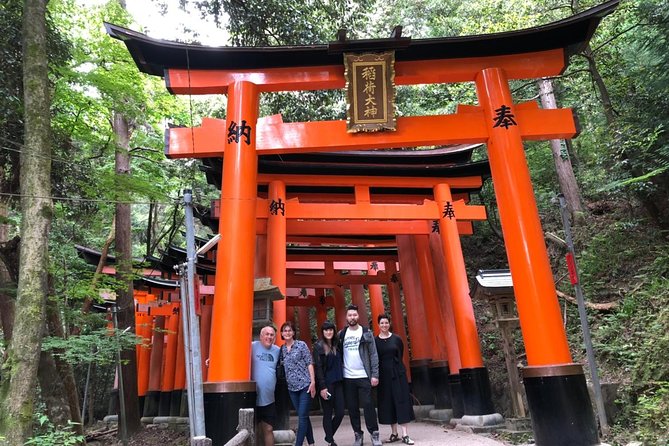
- Fushimi Inari torii walk with enough time to enjoy the tunnel atmosphere (and decide how far up you go)
- Private group format means your guide can adjust pacing for your crew
- Public transport based schedule helps you experience Kyoto like a local, not like a bus tour robot
The One-Day Kyoto Route That Spans West to South
This tour is built around a simple promise: you’ll see the big Kyoto hits in one day, without it turning into a frantic scavenger hunt. You start at Kyoto Station (Kyoto Station Building, 901 Higashishiokōjichō) at 9:00 am, then move through Kyoto’s classic zones—west for the bamboo, north-ish for Kinkaku-ji, then down to Gion and Fushimi Inari.
The “secret sauce” is pacing. Eight hours sounds long (because it is), but it also means you get enough time at each site to actually look around, not just sprint through like you’re late for a test. Your guide also helps keep the day logical—how to get from point A to point B efficiently, and what to pay attention to once you’re there.
And because it’s a private tour/activity, only your group participates. That matters in Kyoto, where stopping for photos, getting out of the flow of foot traffic, and managing timing can turn awkward fast in a big crowd.
You can also read our reviews of more walking tours in Kyoto


Morning Bamboo Forest: Why 9:00 Matters More Than You Think
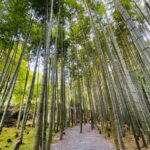
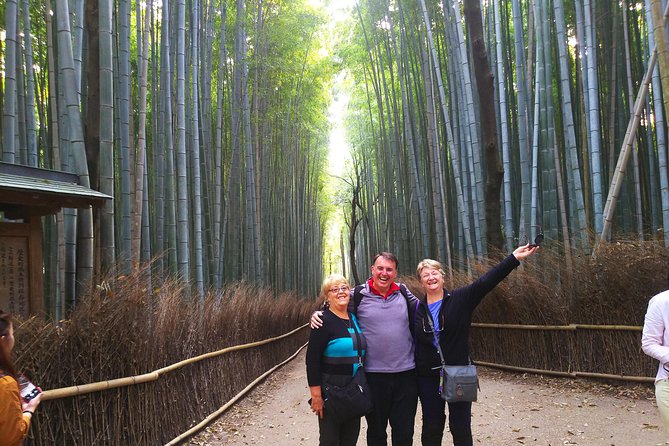
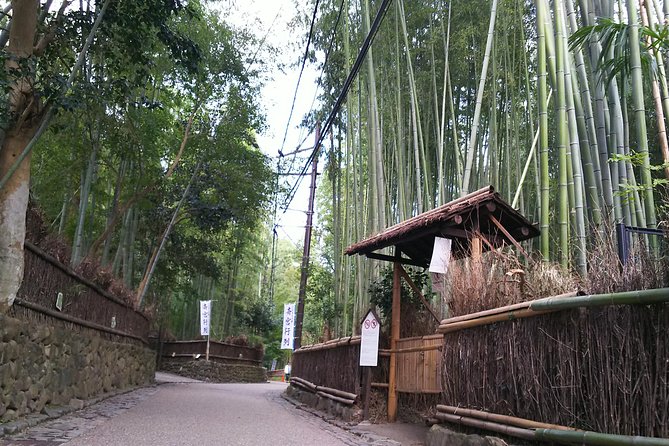
The tour opens with Bamboo Forest Street and aims to have you there early, before the area gets busy. That timing is everything. Bamboo groves can look great any time of day, but morning light makes a difference: shadows fall nicely between stalks, and the air feels fresher before the walking paths fill up.
You get about 1 hour here, with admission listed as free. That’s long enough for a slow walk, a few photos, and one of the best parts of bamboo mornings: just standing there for a minute to let it sink in. (It’s one of those places where your brain actually goes quiet for a moment.)
Practical tips that will help your bamboo hour:
- Wear shoes with good grip. The ground can be busy and uneven around popular photo spots.
- Bring water or plan to buy it later. Reviews from hot days show the guide keeps people hydrated and looks for shade when possible.
- If rain shows up, don’t panic. The tour runs on a good-weather expectation, but when weather shifts, guides typically adjust the day so you still get value.
Kinkaku-ji Golden Pavilion: More Than Gold Leaf Photos
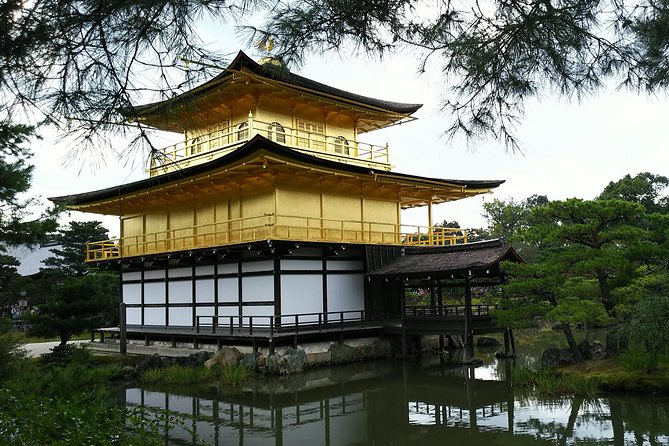
Next up is Kinkakuji Temple (Golden Pavilion), with about 1 hour on site. Admission is not included and is listed as ¥500 per person, so budget for that in advance rather than assuming it’s covered.
Kinkaku-ji has a layered story. It’s known as an icon of Samurai culture, and it once served as the villa of a retired shogun before being converted into a temple after his death. The famous gold-leaf main building is what people remember first—but the setting and the background story are what make it click as more than a postcard.
What I like about making Kinkaku-ji a scheduled stop in the middle of the day:
- You get a guide to point out details you might miss if you’re wandering on your own.
- The route puts you there with time to slow down, not just to pass by quickly.
- You can ask questions. This tour format makes it easier to get straight answers about the culture and symbolism tied to the place.
A small reality check: Kinkaku-ji is popular. If you’re hoping for empty-photo conditions, that’s not guaranteed. But you can still come away with strong shots by paying attention to angles and letting your guide suggest better spots rather than always aiming for the most obvious view.
Gion District Stroll: Geisha Sightings, Respectful Distance
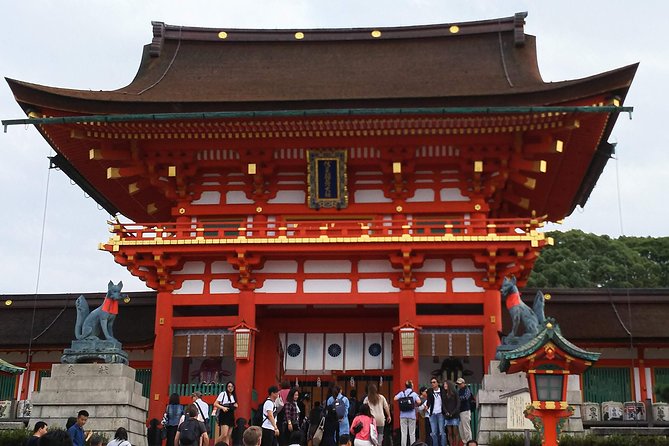
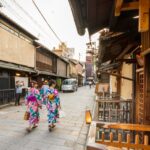
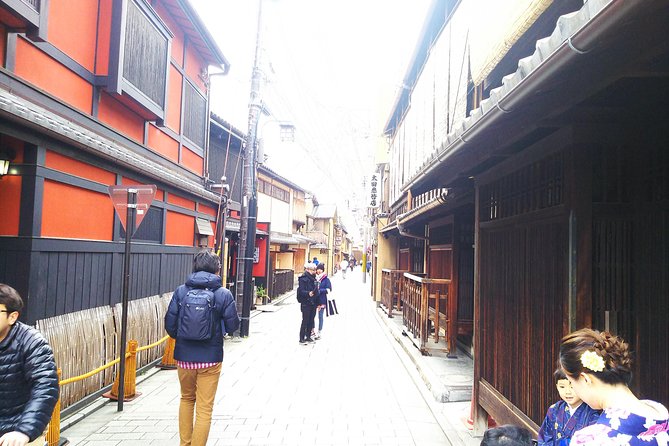
After Kinkaku-ji, you walk into Gion for about 40 minutes. Admission is free here, and the payoff is the chance to see geisha if timing and foot traffic line up.
Gion is known for geisha, and with a guide’s timing you may spot them walking from their boarding houses to tea houses where they perform. The key word is might—Kyoto doesn’t promise sightings. Still, this stop is valuable because it shows you what the neighborhood feels like beyond the temple ticket circuit.
How to behave for the best experience:
- Keep your distance and don’t block walkways for photos.
- Lower your volume. Quiet observation fits the vibe of Gion far better than loud tourist energy.
- Be ready for street-level variety. In short time windows, you’ll notice that Gion is more than one scene—it’s a set of lanes, storefront fronts, and small moments.
This is also where having a good guide pays off. Multiple guides named in past tours (like Hironori, Noriko, and Satomi) were praised for pacing, navigation help, and explaining what you’re seeing. That kind of guidance helps you appreciate the district without turning it into a chase.
Fushimi Inari Taisha: Torii Gates, Steps, and Choosing Your Own Ending
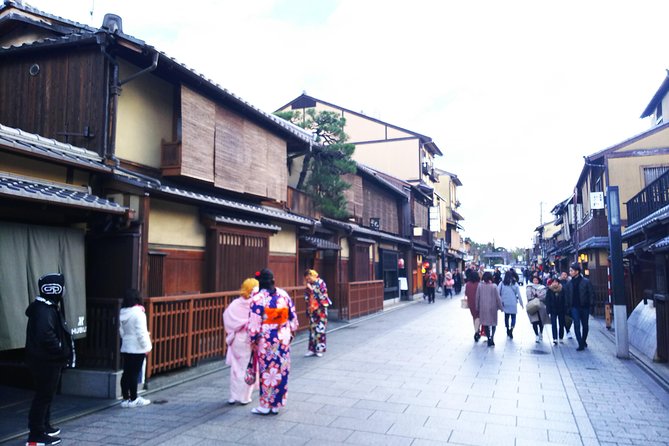
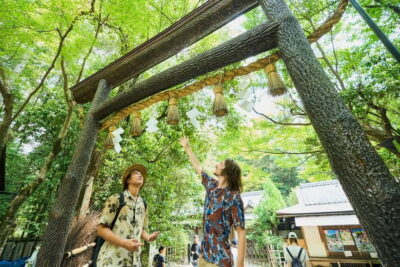
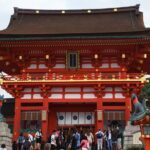
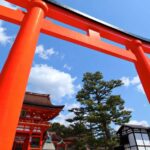
The final major stop is Fushimi Inari-taisha Shrine, with about 1 hour on site. Admission is free, and you’ll walk through the famous tunnel of thousands of vermillion torii gates.
These gates are offered as tokens of appreciation for good luck received from the god of the shrine. That explanation matters because once you understand the purpose behind the torii, the walk becomes more than a visual wall of red. You start noticing the repetition, the patterns, and the way the path feels like it’s pulling you forward.
A practical note: Fushimi Inari is step-heavy. Even if you stick mostly to the main routes, the walking adds up over the whole day. The tour does say it requires quite a bit of walking and calls for moderate physical fitness. If your body feels fine but your knees complain later, plan for a slow, steady pace rather than sprinting for the next torii row.
Also, decide ahead of time how far you want to go:
- If you want atmosphere and photos, stay in the torii tunnel area and enjoy it slowly.
- If you like a bigger challenge, you can push further—just remember you still have the rest of the day’s travel back.
If weather turns, torii areas can get slippery. Keep an eye on your footing and don’t rush for shots.


Getting Around Kyoto in 8 Hours Without Losing Your Mind
This is a day designed around movement. You’ll use public transportation (transport cost is listed separately at ¥1,500 per person), and the guide’s job isn’t just to talk—it’s to keep the schedule workable.
Why this matters: Kyoto can be confusing, especially when you’re switching between zones and trying to time trains and buses. Past groups often praised guides for helping with transit and staying on schedule without feeling like a race. You’ll also likely spend time walking between stations and from stops to sights.
In the real world, heat and weather can change everything. On one tour day described as extremely hot, the guide was noted for keeping people hydrated and seeking shade when possible. In a rainy spring scenario, the day still worked, and the tour went on. So don’t plan this day like you’re guaranteed perfect weather—plan it like you’re guaranteed a lot of time outside.
Bring what keeps you comfortable for a long day:
- Comfortable walking shoes (non-negotiable)
- Sun protection (hat/sunscreen)
- A light layer for changing temperatures
- A small umbrella or rain shell, just in case
Price and Value: What You Pay vs What You Actually Get
The listed price is $131.14 per person, and it’s booked fairly far in advance on average (about 60 days). The key value question is: what does this money buy beyond just getting you to famous places?
Here’s the balance sheet based on what’s included:
- Included: guide fare
- Not included: Kinkaku-ji admission ¥500, public transportation ¥1,500, and meals
So your day is not “all-in” at checkout. But the cost often makes sense if you value three things Kyoto can charge you for in stress: navigation, timing, and interpretation.
You’re paying for:
1) Someone to organize the day so you don’t waste time hopping between areas blindly.
2) Cultural context at the sites, not just a map and silence.
3) A private experience format so your group isn’t drowned out in a huge bus crowd.
And you’re getting the big names in a single block: bamboo, Kinkaku-ji, Gion, and Fushimi Inari. If you try to DIY all four in one day, the hardest part isn’t ticket prices—it’s the planning and the step count you’re willing to commit to.
A note on group size: even though it’s private for your group, there’s a mention of group discounts. If you’re traveling with family or friends, this is where bundling can make the overall deal feel more “worth it.”
Who Should Book This Tour (and Who Might Want Another Option)
This tour is a strong fit if you want:
- A highlights-first Kyoto day rather than a slow, neighborhood-based explorer day
- Someone to help with transit and timing
- A walkable itinerary that hits Arashiyama Bamboo Grove, Kinkaku-ji, Gion, and Fushimi Inari in one shot
It may be less ideal if:
- You’re sensitive to long walks. The tour explicitly mentions quite a bit of walking, plus moderate fitness is required.
- You hate crowds. These are top Kyoto destinations, even with early timing at the bamboo.
- You only want one or two sights. This itinerary is packed, by design.
If you’re the type who enjoys asking questions and learning why places matter (not just snapping photos), you’ll likely feel the day “click” faster.
Should You Book This One-Day Kyoto Walking Tour?
Yes, I’d book it if your priority is maximum Kyoto in one day with a guide who helps you move smart and see meaning, not just check boxes. The biggest reasons: the early bamboo timing and the way the day is structured to cover Kinkaku-ji, Gion, and Fushimi Inari without you getting stuck on logistics.
Skip it (or consider a different pace) if you don’t want an all-day walking workout. Kyoto will always win that argument sooner or later, but you don’t need to suffer to enjoy it.
If you do book, start with the basics: good shoes, water, and a plan for the day being longer than you think. Then let the route carry you—because when the schedule is done right, Kyoto feels simple.
FAQ
How long is the Kyoto walking tour?
It’s listed as 8 hours (approx.).
What time does the tour start, and where do we meet?
The start time is 9:00 am, and you meet at Kyoto Station Building (901 Higashishiokōjichō, Shimogyo Ward, Kyoto 600-8216, Japan). The tour ends back at the meeting point.
Is the tour private?
Yes. It’s described as a private tour/activity, so only your group participates.
What’s included in the price, and what isn’t?
The tour includes the guide fare. It does not include Kinkaku-ji admission (¥500 per person), public transportation fare (¥1,500 per person), or meals.
Which parts of the itinerary have admission fees?
Kinkakuji Temple has an admission fee of ¥500 per person and is marked not included. Bamboo Forest Street, Gion, and Fushimi Inari-taisha are listed as free.
How much walking is involved, and is it suitable for everyone?
It requires moderate physical fitness and notes that there is quite a bit of walking.
Can I cancel for a refund?
Yes. There is free cancellation up to 24 hours in advance for a full refund. The tour also notes it requires good weather, and if canceled due to poor weather you’ll be offered a different date or a full refund.