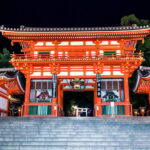
Gion feels different after the day crowds leave. On this 2-hour walk, you get the Shirakawa Canal atmosphere and the old-street backdrops that make geisha culture click, with the route ending at Hanamikoji-dori.
I like two specific things about this experience: you’re guided toward a chance to spot a geisha as you reach Hanamikoji-dori, and you visit historic sites like Tatsumi-jinja Shrine where the stories behind Kyoto feel practical, not vague.
The main drawback is that it’s a walking tour, so you’ll want comfortable shoes, plan for rain (it runs even then), and skip flash photography inside temples.
In This Review
- Key highlights to look for
- Where You Start at Macdonald Shijo Ohashi (and why it matters)
- Shirakawa Canal: the quiet Kyoto warm-up before Gion gets busy
- Tatsumi-jinja Shrine: seeing Kyoto’s age in person
- Yasaka Shrine and the Edo-era feeling in the streets
- Ninenzaka and Hōkan-ji Temple: preserved streets with rules for good manners
- Yasui Kompira-Gu and Hanamikoji-dori: the geisha district at the right moment
- Price and value: why $23 for 2 hours can feel like a bargain
- How to make the walk better (and keep it respectful)
- Should you book this Gion geisha culture walk?
- FAQ
- How long is the tour?
- Where do I meet the tour guide?
- Is the tour offered in English?
- Are photos allowed?
- Can I guarantee seeing a geisha?
- What should I bring?
- Does the tour run in bad weather?
- Is it wheelchair-friendly and is there cancellation flexibility?
Key highlights to look for
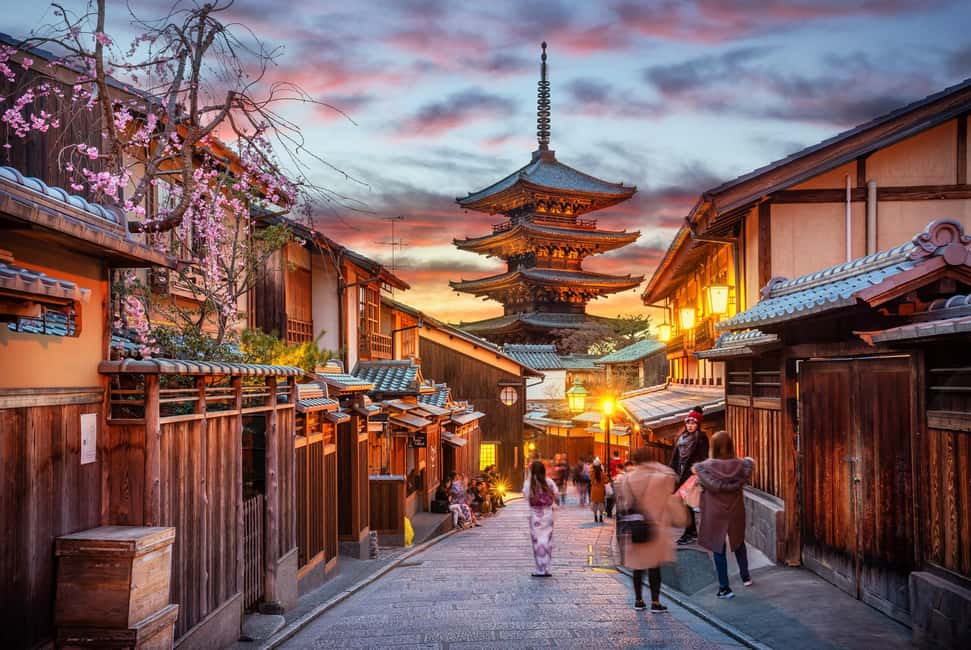
- Shirakawa Canal first, so the mood is calm before the geisha district
- Tatsumi-jinja and Yasaka Shrine stops that make Kyoto’s long timeline feel real
- Edo-period townhouses and quiet backstreets instead of only the postcard lanes
- No-flash temple rules, which also helps you keep things respectful
- Hanamikoji-dori at the end for the best odds of spotting a geisha on the move
Where You Start at Macdonald Shijo Ohashi (and why it matters)
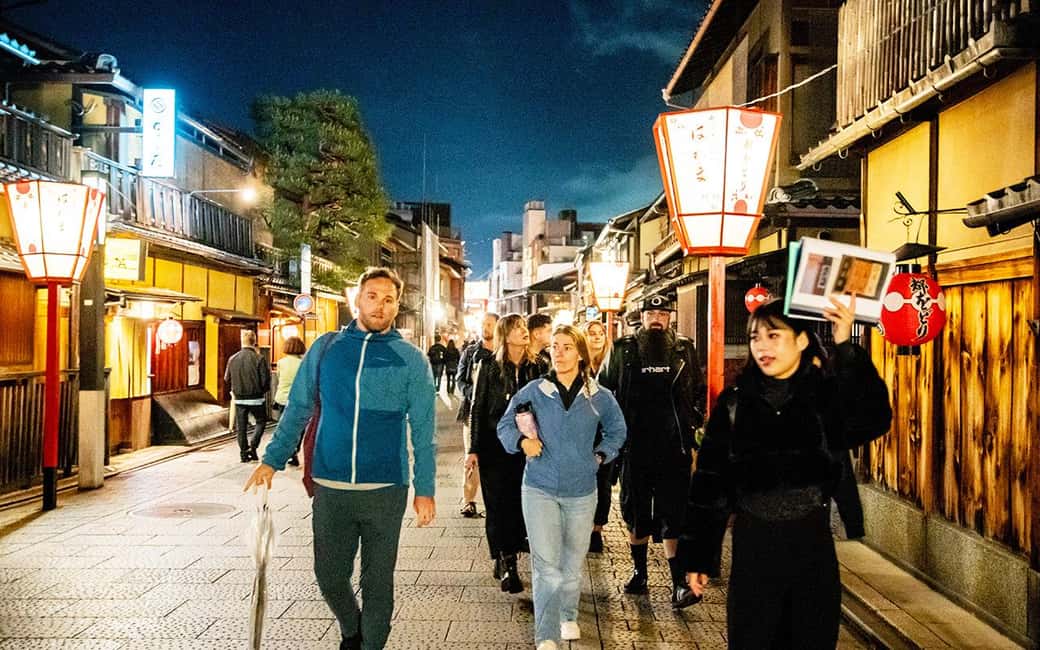
Meeting outside a big chain store sounds funny until you realize why it works. The tour meets at the Macdonald Shijo Ohashi store, and the guide waits at the side with a sign that says Local Guide Stars, because the front gets busy.
That little detail helps you get going fast. Kyoto lanes can be confusing for first-timers, and starting from a clear landmark means you spend less time hunting and more time walking. The address is 105-1 Hashimoto-cho, Shimogyo-ku, Kyoto-shi, Kyoto, but the important thing is finding that side-of-store guide.
If you’re arriving near Shijo-Ohashi, this setup is convenient. It also signals the real style of the tour: practical, low-friction, and built for walking.
You can also read our reviews of more tours and experiences in Kyoto.



Shirakawa Canal: the quiet Kyoto warm-up before Gion gets busy
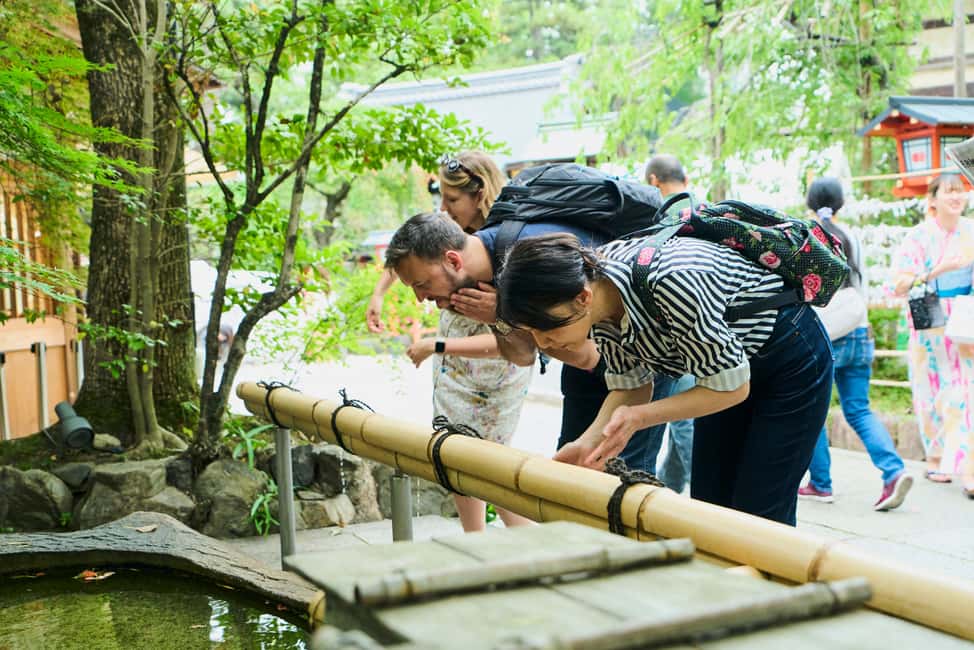
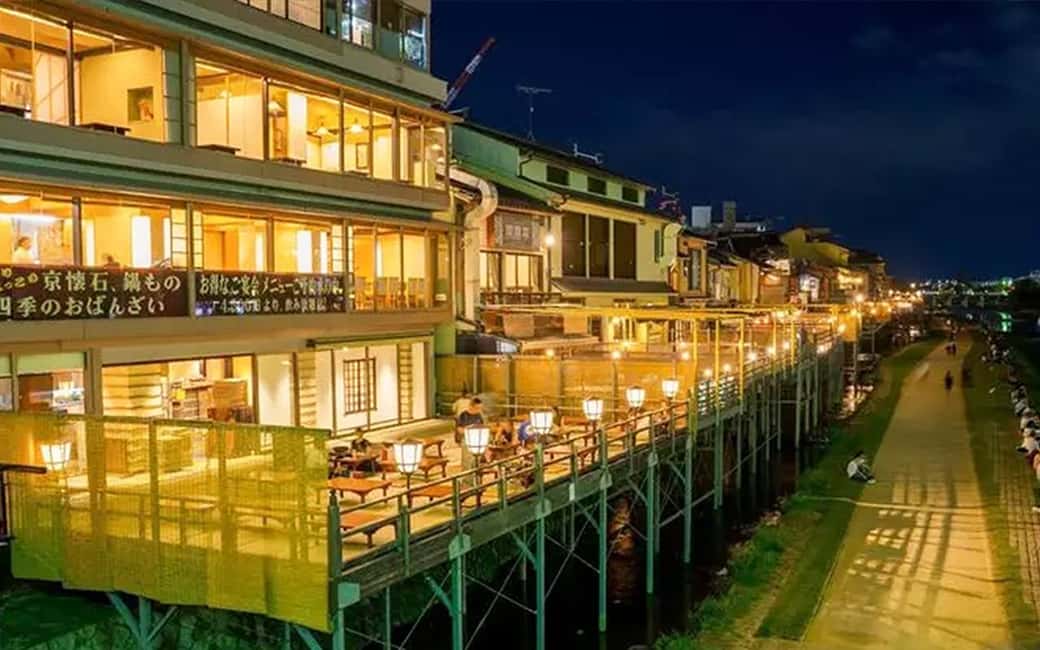
Your first real scene is Shirakawa Canal (plus a photo stop along the way). The canal is lined with willow trees and traditional tea houses, and the stone-paved paths give you that classic old-Kyoto look right away.
This is more than a pretty warm-up. It sets the rhythm. Instead of charging into the busiest streets immediately, you start in a calmer pocket where you can actually pay attention to details. The guide’s commentary helps you connect what you see—wooden architecture, river-side lanes, the feel of the district—to what you’ll learn about later with the shrines and geisha culture.
Practical tip: this is a great place to take photos early, before the day energy ramps up. Bring water, because even a “2-hour” walk can feel longer when you stop for pictures and listen carefully.
Tatsumi-jinja Shrine: seeing Kyoto’s age in person
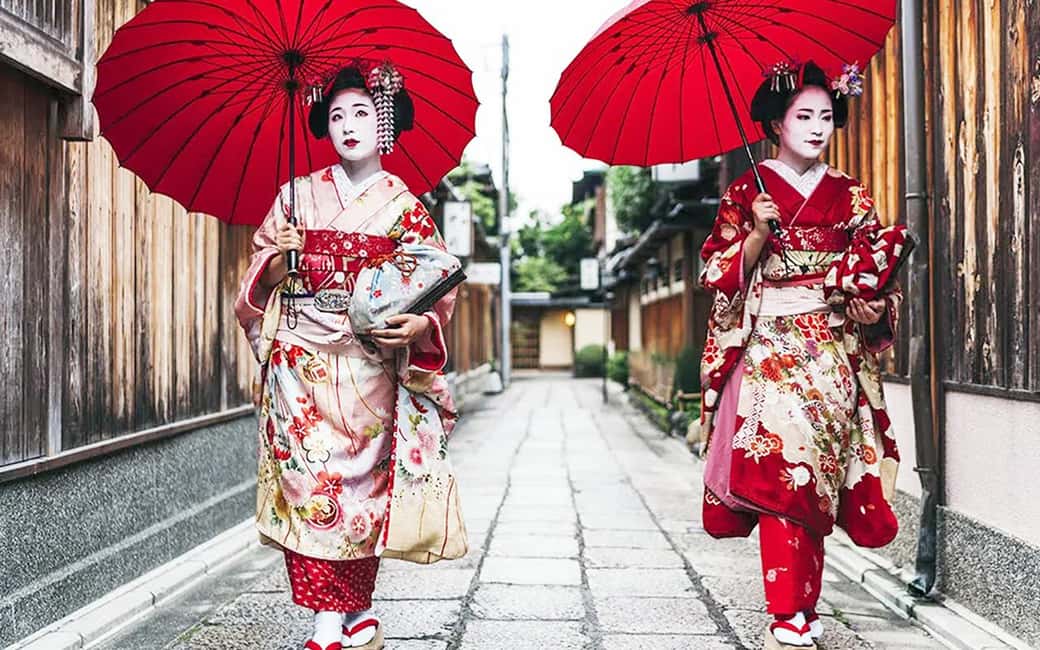
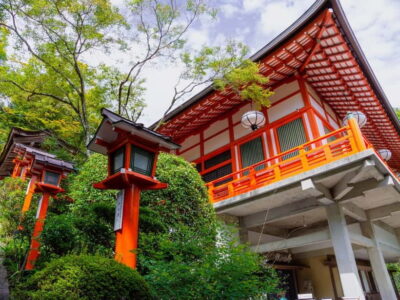
Next comes Tatsumi-jinja Shrine. You get a photo stop, then you visit and walk with your guide while they explain what you’re looking at.
This is one of those stops that changes your brain mode from sightseeing to understanding. Kyoto isn’t just old buildings—it’s old beliefs and old rhythms, and shrines are where that shows up in the physical world. One of the tour’s highlights is the chance to visit a 1,000-year-old shrine, and your guide points out the significance as you’re there, not later in a rushed recap.
What I like about starting with this kind of stop is that it gives context for the rest of the route. Later, when you see older streetscapes and the geisha district, it’s easier to understand how traditions survived and evolved instead of feeling like you’re watching separate “attractions” stitched together.
Drawback: like most shrine and temple areas, you’ll want to keep moving politely and follow any instructions from the guide. If you stop too long in foot-traffic areas, the group gets stretched out.
Yasaka Shrine and the Edo-era feeling in the streets
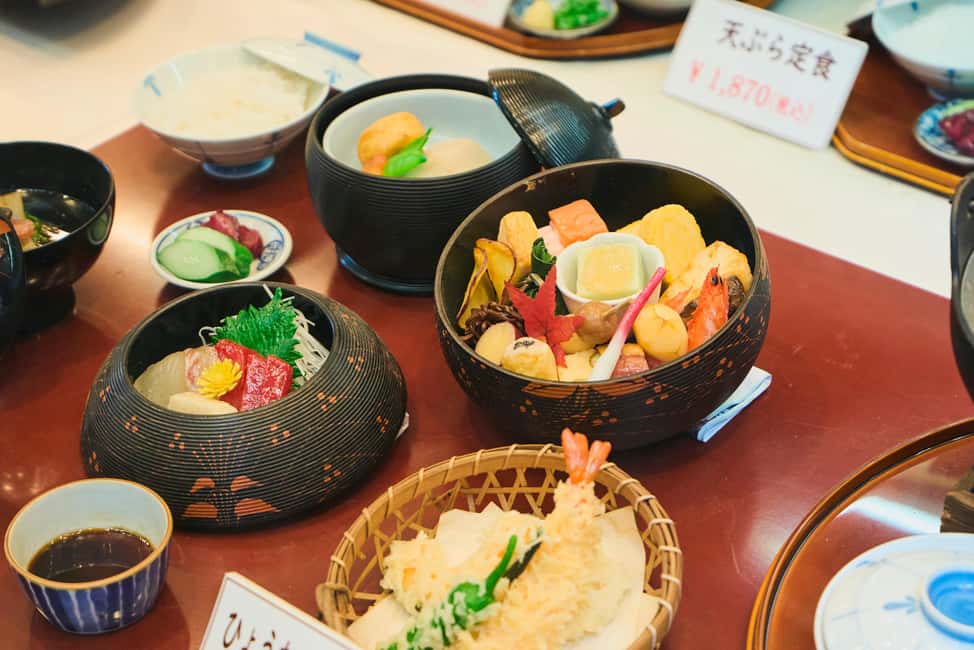
After Tatsumi-jinja, the tour heads to Yasaka Shrine. Like the earlier stop, you’ll have a photo opportunity, then time to visit with guided explanations while you walk.
Yasaka is one of Kyoto’s central spiritual sites, and it tends to hit differently in the evening atmosphere. The guide helps you read the place: what the shrine setting represents, and how it connects to the broader culture you’re walking through.
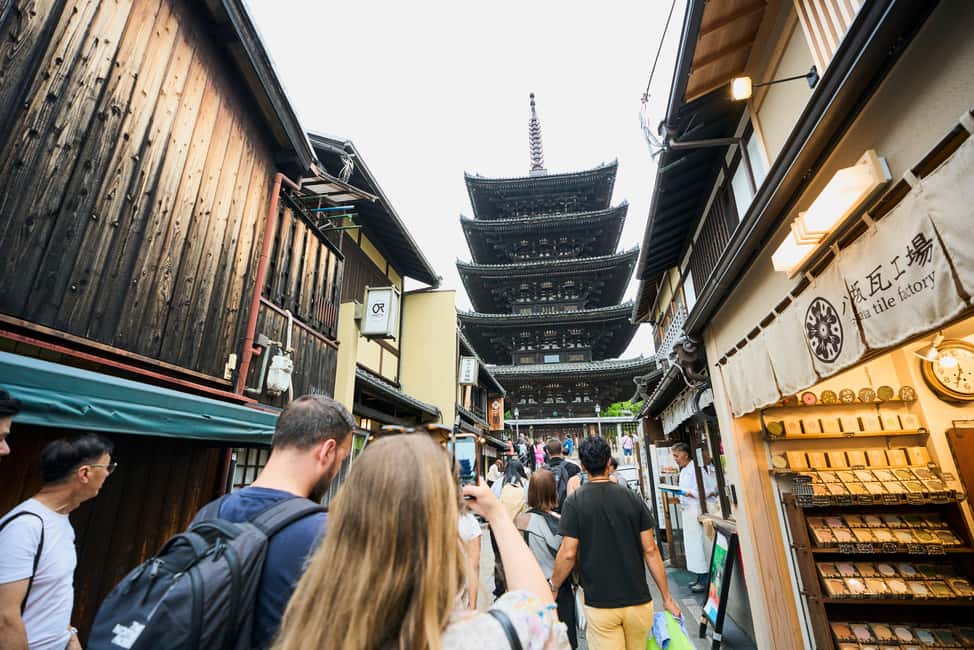
Then you shift toward the “Kyoto that looks like a past age” part—Edo-period townhouses, quiet lanes, and fewer tourists than the day rush. Edo-period architecture shows up in the way buildings meet the street, the textures of wood, and the way neighborhoods preserve older patterns.
Here’s the best way to use this segment: don’t just photograph doors and roofs. Pay attention to lane width, street turns, and how the houses face the path. Those details are what make the old district feel lived-in rather than staged.
Ninenzaka and Hōkan-ji Temple: preserved streets with rules for good manners
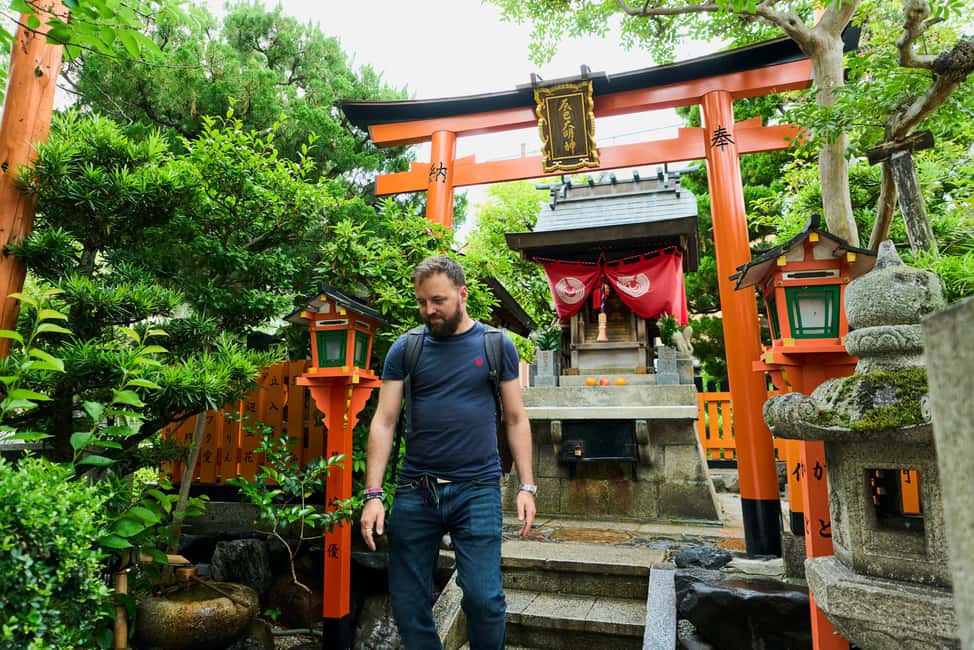
The route includes Ninenzaka, a classic Kyoto slope area, with a photo stop and guided walk-through. It’s one of those streetscapes where the visual details are obvious—traditional buildings, stone steps, and that old-town layout—but the value comes from learning how and why the district developed the way it did.
After Ninenzaka, you visit Hōkan-ji Temple. This is where the tour’s photo rules matter: photography is allowed, but flash photography is not permitted inside temples. You’ll feel the difference immediately if you keep your camera settings ready and avoid flash.
This temple stop is also a good place to slow down. Even if the walking pace is brisk (and some guides keep the group moving to fit everything into 2 hours), temple interiors are where you’ll want a calm moment to take in scale, lighting, and details.
Practical advice: if you’re sensitive to crowds, this kind of evening walk can feel more manageable. Still, treat it like a shared space—don’t block entrances, and keep your filming tight and quick.

Yasui Kompira-Gu and Hanamikoji-dori: the geisha district at the right moment
As the tour nears the end, you’ll pass or stop near additional shrine space, including Yasui Kompira-Gu Shrine. You’ll have another photo opportunity and visit time with guided commentary.
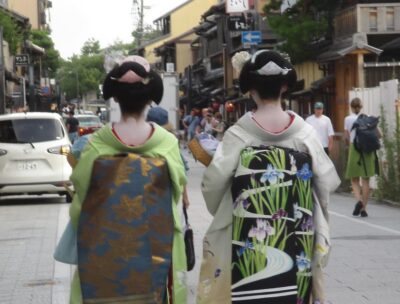
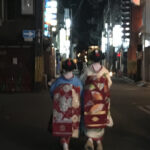
Then comes the finale: Hanamikoji-dori. This is where you’re in the geisha district proper, and the tour is built around the idea that your best chance to spot a geisha is when you’re walking the lanes where they travel to evening engagements.
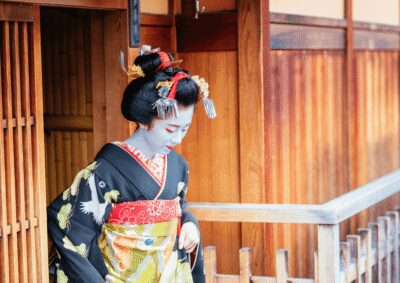
A key part of the experience isn’t just the sighting possibility. Your guide explains the strict training of geisha and the graceful dances, plus the craft behind kimonos and hairstyles. That changes your “spotting” from random luck into recognition. You start noticing what’s consistent—styling details, movement, and the formal feel—even if you only catch a glimpse.
Realistic expectation: you may see a geisha, but it’s not a promise. What you get every time is the structure—where to stand, when to move, and how to observe without crowding.
If you want the best odds, go with an evening slot when the neighborhood feels more like itself and less like a daytime theme park. Several guides also tailor their stories to match the nighttime mood, which adds a subtle layer of mystery without turning it into gimmick tourism.
Price and value: why $23 for 2 hours can feel like a bargain
At $23 per person for about 2 hours, this is the kind of deal that works well for your first evening in Kyoto. You’re paying for an English-speaking local guide and a smart route that strings together key Gion locations without you having to figure it out alone.
Here’s the value breakdown in plain terms:
- You’re getting guided stops at multiple major points (canal, shrines, temple, and the geisha district).
- You’re not just walking—you’re learning what the places mean, including the training and craftsmanship side of geisha culture.
- You’re getting practical orientation, so the rest of your Kyoto days become easier to plan.
Also, the group experience tends to be social but not chaotic. Many guides keep things friendly and answer questions well. In past groups, guides like Isako, Oliver, Mai, Wajid, Dan, Noa, and Ukyo (and trainee Amane with Isako) have been praised for clear explanations, humor, and pacing that keeps people together.
If you’re the type who hates wasting time, you’ll probably love the format. It’s short enough to fit your day, but focused enough to make the district feel understandable.
How to make the walk better (and keep it respectful)
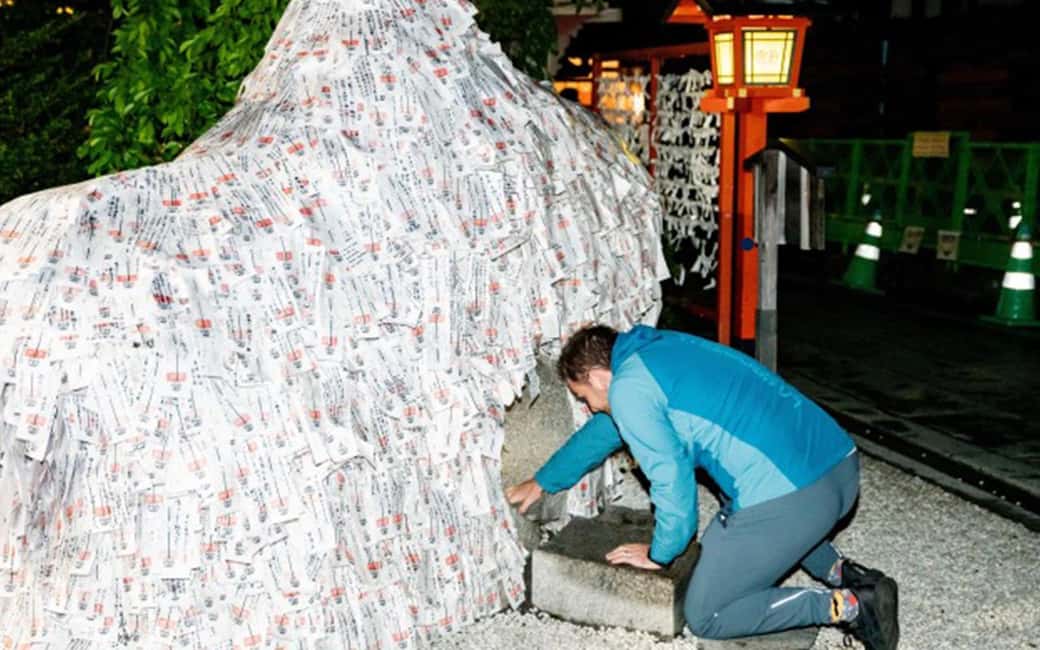
This tour gives you rules for a reason. If you follow them, you’ll enjoy it more and you’ll help protect the atmosphere.
Bring and wear:
- Comfortable walking shoes
- Sunscreen and water
In rain:
- The tour takes place even in the rain, so bring an umbrella or raincoat.
Photography:
- No flash photography inside temples. Outside, photos are allowed, but keep it low-pressure and don’t block others.
How to behave in the geisha district:
- Keep your distance and let the moment pass naturally. Hanamikoji-dori is where people move toward evening engagements, and crowding makes the experience worse for everyone.
One smart move: ask your guide for restaurant tips after the walk. Multiple guides have been praised for recommending places to eat nearby, and it’s an easy way to turn the tour into a full evening plan.
Should you book this Gion geisha culture walk?
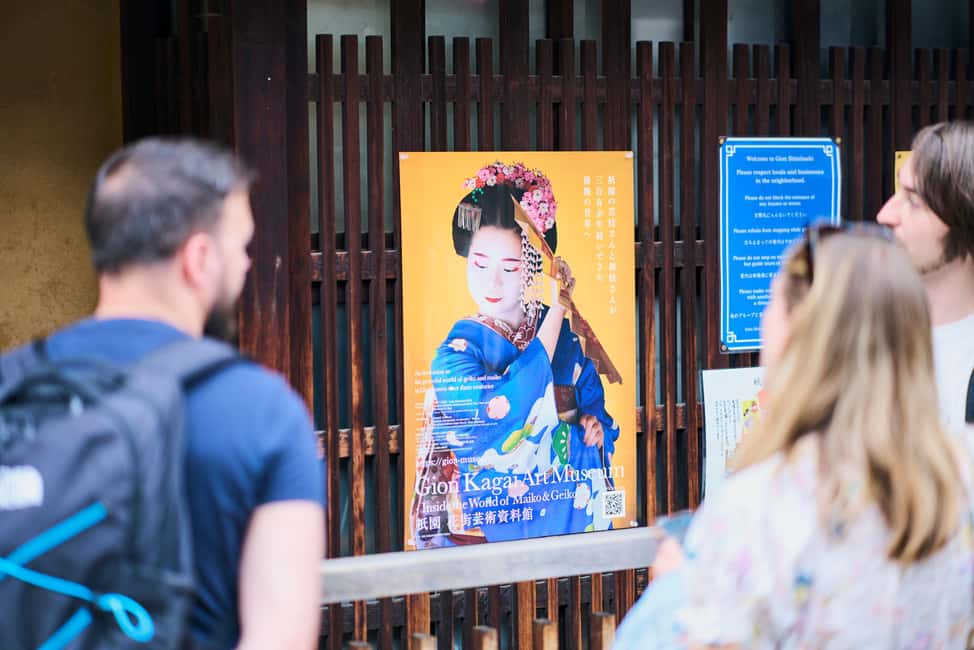
Book it if:
- You want a short, guided night walk that helps you understand Gion instead of just visiting it.
- You care about context: shrines, Edo-era streetscapes, and how geisha culture works.
- You’d rather spend $23 on a guide than spend your first Kyoto evening guessing your way around.
Skip it if:
- You have mobility limitations. This walk is not suitable for wheelchair users and people with mobility impairments.
- You’re looking for a guaranteed geisha sighting. You may spot a geisha, but the tour is built around a chance, not a certainty.
- You hate walking in the evening or in rain. It does run in rain, and the route is paced for a steady on-foot circuit.
If your goal is to get your bearings fast and experience Gion with real cultural grounding, this tour is a strong bet for your first or second night in Kyoto.
FAQ
How long is the tour?
It lasts about 2 hours.
Where do I meet the tour guide?
Meet at the Macdonald Shijo Ohashi store. The guide will be waiting at the side of the restaurant holding a sign that says Local Guide Stars.
Is the tour offered in English?
Yes, the tour is guided by an English-speaking local guide.
Are photos allowed?
Photography is allowed, but flash photography is not permitted inside temples.
Can I guarantee seeing a geisha?
No. The tour offers a chance to spot a geisha, especially as you reach Hanamikoji-dori, but it’s not guaranteed.
What should I bring?
Wear comfortable shoes, and bring water and sunscreen for the walk.
Does the tour run in bad weather?
Yes. The tour takes place even in the rain, so bring an umbrella or raincoat.
Is it wheelchair-friendly and is there cancellation flexibility?
It is not suitable for wheelchair users or people with mobility impairments. You can cancel up to 24 hours in advance for a full refund, and you can also reserve now and pay later.