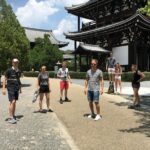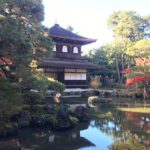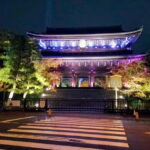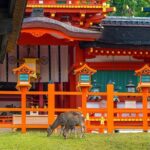
Kyoto feels lighter on two wheels. This 3.5-hour bike ride threads between big sights and quieter streets, so you get sky, wind, and great photo stops. I also love the Gion stroll, where you learn how geisha culture works and you may spot a geisha in the area.
One key thing: this tour takes cycling seriously, and it is not suitable for children under 9 or anyone who can’t ride a bike. Guides like Mr. Go, Benjamin, Ko, and Claire are consistently described as patient and kind, and you’ll pause for spring water at a shrine stop along the route.
In This Review
- Key Highlights You’ll Actually Feel
- Price and value: What $73 buys you in Kyoto
- Meeting point at Sanjo Ohashi: how to avoid the 10-minute panic
- The bike portion: a 3.5-hour route built for wind-in-your-hair Kyoto
- The first stops: spring water and an off-the-beaten start
- Imperial Palace area from a bike seat
- University campuses and residential Kyoto: where the day slows down
- Shimogamo Shrine: UNESCO forest and historic buildings
- The riverside return: refreshing, scenic, and timed for evening light
- The Gion (or Pontocho) walk: geisha culture without the guesswork
- What you’ll learn about geisha culture
- Street time for photos and people-watching
- Snacks, tea, and restaurant ideas for your Kyoto night
- Who this tour is perfect for (and who should skip it)
- Should you book this Kyoto bike + Gion walk?
- FAQ
- How long is the tour?
- What does the price include?
- Is an electric bike available?
- Is this tour suitable for families?
- Do I need to be able to ride a bike?
- What’s the meeting point?
- What happens if it rains?
Key Highlights You’ll Actually Feel
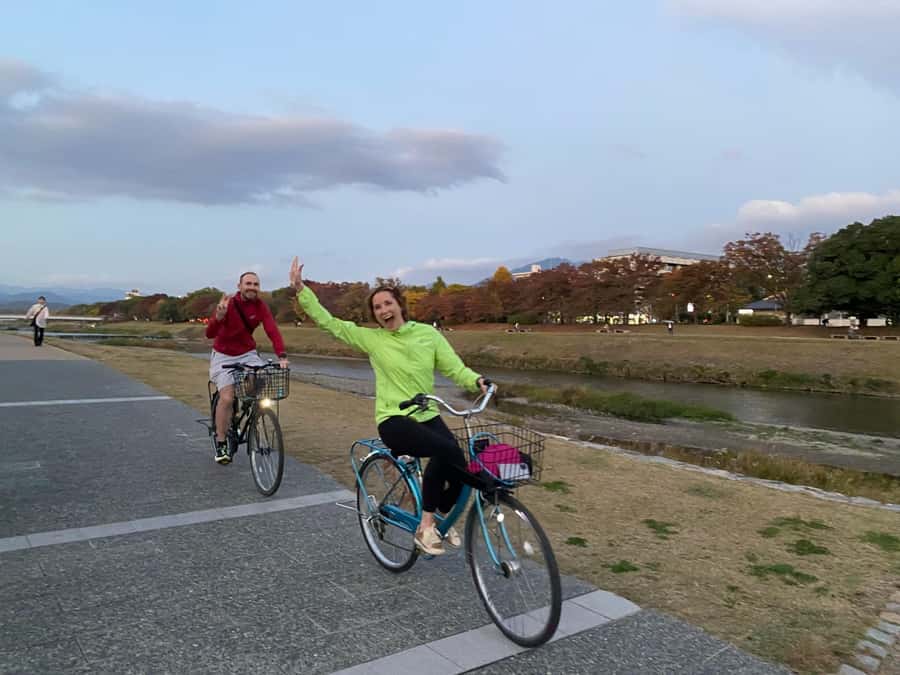
- Riverside start to a calm rhythm: you begin on a peaceful road by the water, which helps you settle in fast on your bike
- Big Kyoto landmarks plus quieter roads: the route connects the Imperial Palace area, Zen temples, university campuses, and residential streets
- Shimogamo Shrine with UNESCO forest vibes: you’ll arrive to a strong sense of place, with primitive forest and historic buildings
- A scenic, refreshing return ride: you’ll head back along the riverside path (with illuminated views described on the return)
- Gion or Pontocho walking time that’s about culture, not just photos: you’ll get an explanation of the geisha system plus restaurant ideas for your night
Price and value: What $73 buys you in Kyoto
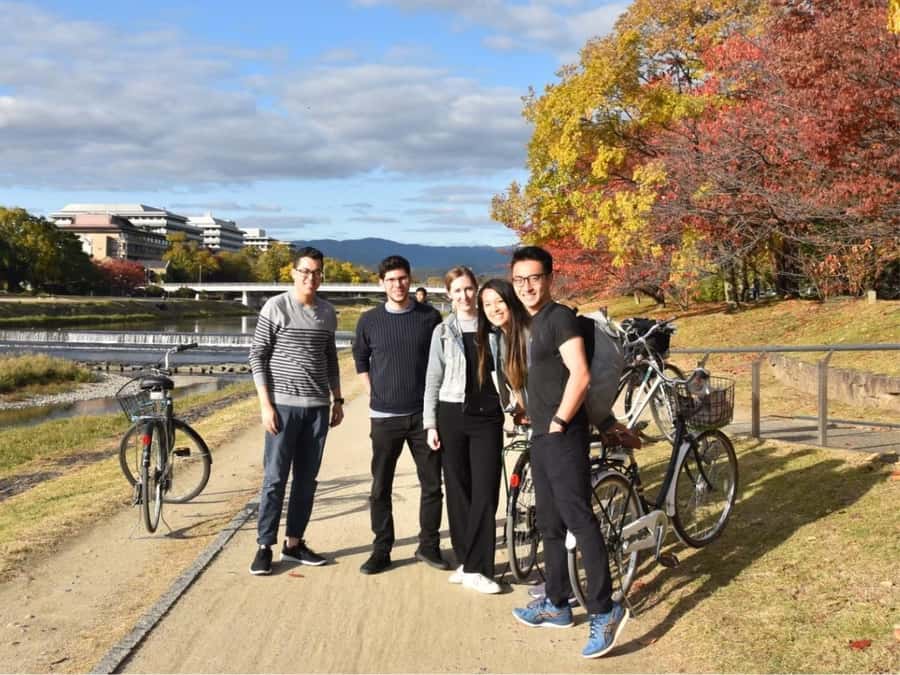
At $73 per person, this tour is priced like a serious activity day, not a quick loop around the main streets. You’re getting a rental bike, time on the road for a solid stretch of Kyoto, plus Japanese sweet snacks and tea at a traditional snack shop.
What also boosts the value is the rain plan. If the weather turns, entrance fees to a temple or shrine are included as an alternative option. That matters because rainy Kyoto can force you into costly detours, and here you already have an adjustment built in.
There’s one optional cost: an electric bike is available for an extra 1,000 yen if you request it on the spot. If you’re comfortable on a regular bike, you can keep the cost simple.
You can also read our reviews of more cycling tours in Kyoto
Meeting point at Sanjo Ohashi: how to avoid the 10-minute panic
You’ll meet at the kneeling man statue at the SouthEast corner of Sanjo Ohashi intersection. The easiest trick is to find the bridge first, then look for the statue at that SE corner.
If you’re using the subway, the guide info says it’s quicker to exit to street level first, then locate the meeting spot. That’s a small detail, but it prevents that classic Kyoto start-of-tour scramble where you’re hunting for the right corner while everyone else is already rolling.
The tour ends back at the same meeting point, so you’re not left guessing how to get home at the end of a fun day.
The bike portion: a 3.5-hour route built for wind-in-your-hair Kyoto
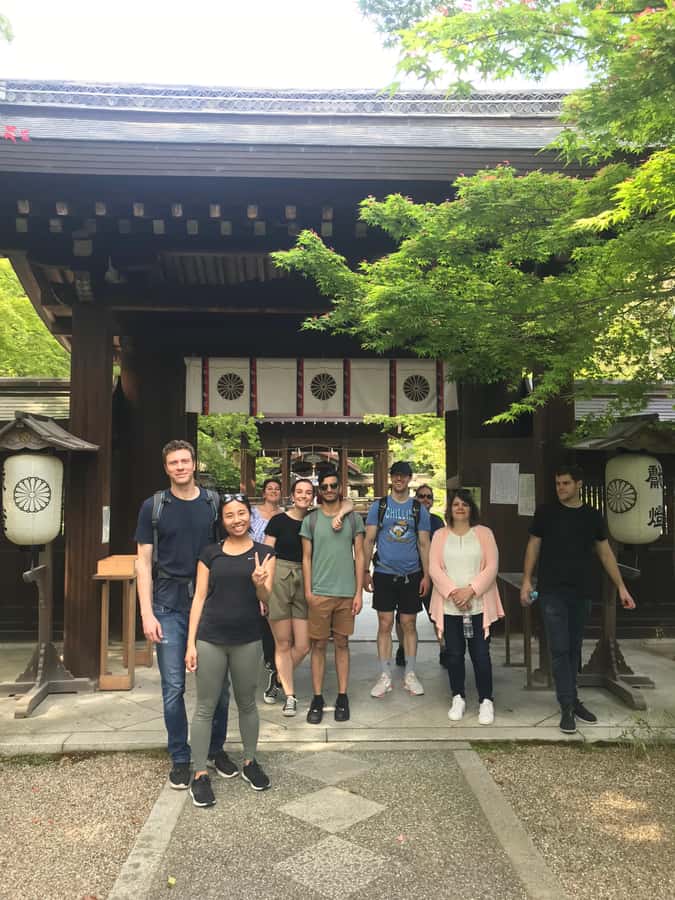
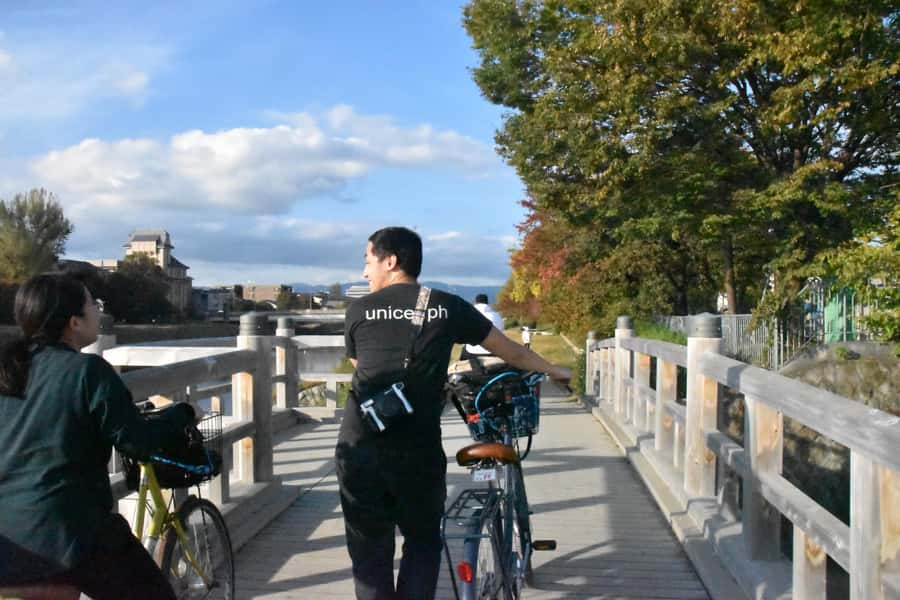
This is a real cycling experience: enough time to feel like you’re moving through the city, not just stopping every five minutes. You start with a peaceful riverside road, which is smart for two reasons. First, it helps you get comfortable with the bike early. Second, it sets a different tone than the crowded temple-and-shopping routes.
The first stops: spring water and an off-the-beaten start
Early on, you’ll stop at a shrine spot where you can try natural spring water. It’s a small moment, but it’s the kind of Kyoto detail that makes the ride feel grounded and local. Instead of only seeing famous buildings, you’re meeting the city where it lives day to day.
If you like travel that feels practical—walk, ride, taste, learn—this start hits that sweet spot.
Imperial Palace area from a bike seat
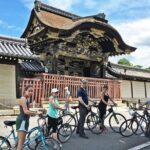
Next up is the huge Imperial Palace area, plus a famous Zen temple. Riding here matters more than it sounds. Kyoto landmarks can be visually impressive, but they can also feel like they’re happening at the far end of long walks. From the bike route, you get to connect these highlights with quieter stretches in between.
A possible downside: because you’re cycling between multiple major sites, you’ll want to pace yourself. Plan to stay focused on the road, and don’t spend too long frozen in one perfect photo pose until you’re safely parked at a stop.
University campuses and residential Kyoto: where the day slows down
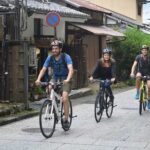
After the big-name stops, the route passes through university campuses and then on to peaceful residential areas. This is where you often start to feel Kyoto’s everyday rhythm.
If your itinerary is mostly temples and bus rides, this part is a relief. It gives you a calmer Kyoto view—streets that feel lived-in, not staged. It also means your stops aren’t all dictated by the same tour-clock patterns.
Shimogamo Shrine: UNESCO forest and historic buildings
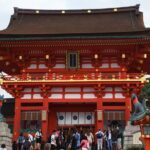
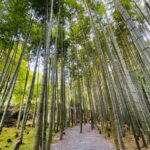
Then you arrive at Shimo-gamo Shrine, a UNESCO World Heritage site. The experience is described as having a primitive forest feel and beautiful buildings. That combination is why this stop works so well on a bike tour: you arrive with momentum, then slow down into a place that feels older and quieter.
You’ll have time to enjoy the setting rather than rush through it like a photo checkpoint.
The riverside return: refreshing, scenic, and timed for evening light
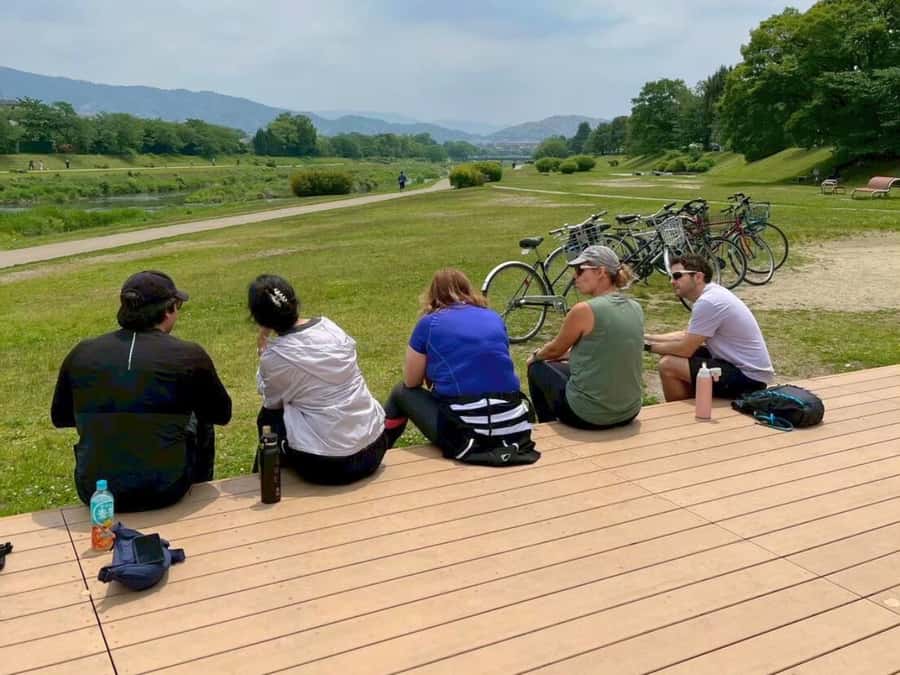
After Shimo-gamo Shrine, you ride down to a unique river junction point, then follow a scenic and refreshing riverside path back. The tour description notes it can be lighted-up, which suggests the return ride can feel especially pretty.
Even if you’re not chasing night photos, the riverside route is a great way to wrap the cycling portion. It’s visually rewarding and it feels like you’re exhaling after a full morning of sights.
The Gion (or Pontocho) walk: geisha culture without the guesswork
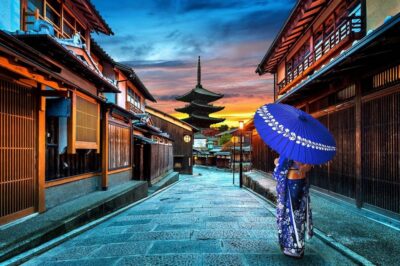
After you return the bikes, you switch gears to a 30-minute town walk through the entertainment area of Gion or Pontocho. This is a perfect contrast to cycling: slower pace, more time to look closely at streets, and a chance to absorb the social history of the district.
What you’ll learn about geisha culture
You’ll explain the unique culture and the geisha system. The key here is that this isn’t just trivia. Knowing the roles, the etiquette, and the context helps you read what you see in the streets instead of just wondering what you’re looking at.
It’s also where your guide’s personality matters. The guides in the experience stories—Mr. Go, Benjamin, Ko, Claire—are repeatedly described as friendly and helpful, and that tone carries into the walking part.
Street time for photos and people-watching
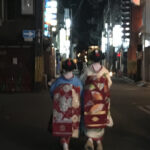
You’ll visit main geisha-area streets (often called flower-town style areas) and see streets that are especially photogenic. And if you’re lucky, you may spot a geisha. Even if you don’t, the walk still delivers because you’re focusing on the district layout and the culture behind it.
Practical tip: bring your camera, but keep it practical. This walk is in an entertainment district, so you want to pause respectfully and not block paths.
Snacks, tea, and restaurant ideas for your Kyoto night
The tour includes Japanese sweet snacks and Japanese tea at a traditional snack shop. That’s a nice built-in break, and it also keeps you from turning the day into a constant search for snacks between sights.
You’ll also get restaurant recommendation ideas during the walking part, and the provider notes they tailor recommendations to your requests. This is one of those details that can save you time later. Kyoto has tons of options, and knowing where to start—especially around Gion/Pontocho style areas—can make your evening plans smoother.
If you’ve been hoping for a tour that ends with a game plan for dinner, this one does that.
Who this tour is perfect for (and who should skip it)
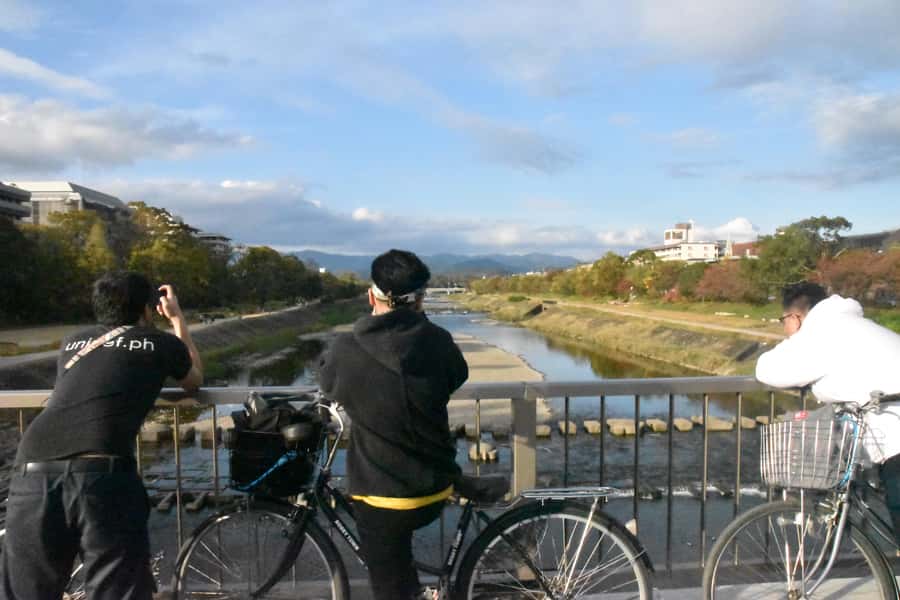
This experience is especially strong for families who can handle bike riding. One standout in the experience reports: a guide (Mr. Go) is described as incredibly kind and patient with children aged 9 and 10, and the day still feels fun rather than stressful.
Here’s the fit checklist:
- Great fit: you want a mix of major sights and calmer neighborhoods, and you’re comfortable riding a bike
- Good fit: you like learning culture while you travel, not only ticking off temples
- Not a fit: you can’t ride a bike, or you have children under 9
- Plan for comfort: wear comfortable shoes and bring water
Also note the rules: no pets, no smoking, and no luggage or large bags. If you’re traveling light, you’ll feel more relaxed.
Should you book this Kyoto bike + Gion walk?
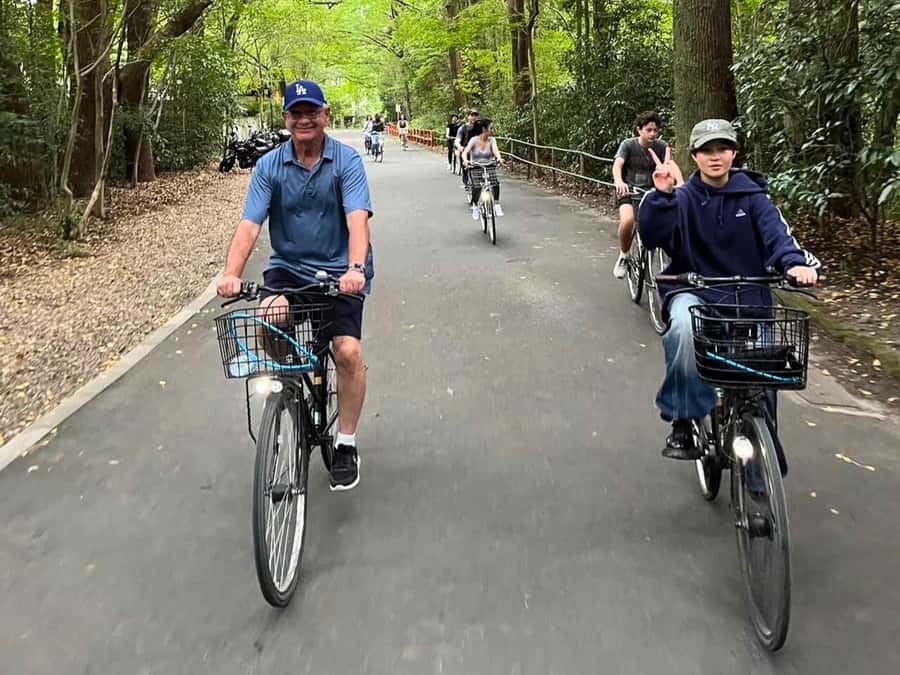
If you want Kyoto that feels like movement—bike wind, riverside roads, quiet neighborhoods—this tour is a strong choice. It combines the classic hits (Imperial Palace area, a Zen temple, and Shimo-gamo Shrine) with the kind of streets you’d miss if you only stay inside the most famous loops.
I’d book it if:
- you want a family-friendly day that’s paced with stops
- you value culture explanations, especially around geisha districts
- you’d rather spend $73 on a well-run day than spend the same money trying to stitch together bike rentals, route research, and snack stops on your own
I’d think twice if:
- you or your group can’t confidently ride a bike
- you’re hoping for a mostly walking tour (the core is cycling)
- you’re traveling with bulky luggage
If your goal is Kyoto with wind in your hair and a thoughtful finish in Gion, this one delivers.
FAQ
How long is the tour?
The experience includes a 3.5-hour bike ride plus a 30-minute town walk.
What does the price include?
It includes a rental bike, Japanese sweet snacks, Japanese tea, and any temple or shrine entrance fees when an alternative plan is needed in rainy weather.
Is an electric bike available?
Yes. If you request an electric bike, there is an extra fee of 1,000 yen, paid on the spot.
Is this tour suitable for families?
It is described as perfect for families, but it is not suitable for children under 9 years old.
Do I need to be able to ride a bike?
Yes. People who can’t ride a bike are not suitable for this tour.
What’s the meeting point?
Meet at the kneeling man statue at the SouthEast corner of Sanjo Ohashi intersection.
What happens if it rains?
The tour runs rain or shine. If it’s raining, temple or shrine entrance fees are included as an alternative plan.