REVIEW · KYOTO
Kyoto: Forge Your Own Ninja Weapon with Japanese Tin Casting
Book on GetYourGuide →Operated by Kendo Experience · Bookable on GetYourGuide
A real ninja weapon, made by you. This Kyoto workshop lets you create tin-cast metal pieces—shuriken, kunai, or an oni mask—then finish them carefully into something you’ll actually want to display. I like that it’s hands-on from the molten step to the final oiling, and I like the practical outcome: a take-home keepsake in a box. One consideration: you’ll spend about 2 hours (or ~2.5 for the mask), so plan your day with a little breathing room.
The workshop is run by skilled staff who guide you in English and Japanese, including an instructor named Daiki. The whole process is built for beginners, and the studio’s close to Demachiyanagi Station—a quick 3-minute walk—so it’s easy to fit into a busy Kyoto itinerary.
If you want a souvenir that’s more than a store-bought trinket, this is exactly your lane. You get to shape metal, learn the steps, and leave with a compact weapon (8–10 cm) that looks like it belongs on-screen.
In This Review
- Key highlights that matter before you go
- Why a tin ninja weapon workshop in Kyoto feels so different
- Choosing your piece: shuriken, kunai, or oni mask
- Step-by-step: what happens during the 2 to 150 minutes
- 1) Molding stage: shaping the future weapon
- 2) Casting stage: melt, pour, and let physics do the heavy lifting
- 3) Cooling stage: rapid solidification in water
- 4) Shaping and hammering: taking the rough cast to a weapon
- 5) Polishing and finishing: protect the metal and make it look right
- 6) Extra oni mask steps: gold leaf and cord
- Location and timing: why the schedule is easy to plan around
- What’s included (and what you need to bring)
- Who this workshop fits best
- Photos, souvenirs, and the “one-of-a-kind” feeling
- Price and value: why $103 can make sense here
- Practical tips so you enjoy the whole class
- Should you book Kyoto: Forge Your Own Ninja Weapon with Japanese Tin Casting?
- FAQ
- What ninja weapons or items can I make?
- How long does the workshop take?
- Where is the studio located?
- What’s included in the price?
- What should I bring with me?
- Are there age limits?
Key highlights that matter before you go
- Real tin casting, not a craft demo: you’ll design, mold, cast, shape, and polish your piece.
- Pick your style: shuriken, kunai, or an oni mask; kunai and oni mask are optional upgrades.
- Hands-on guidance in English or Japanese: staff explain each stage and help with the tricky parts.
- Photo-friendly process: you can capture the making, not just the finished product.
- A souvenir you can keep for years: rust protection and oil finishing, plus a dedicated box.
Why a tin ninja weapon workshop in Kyoto feels so different
Kyoto is packed with crafts, but most of them end with something that already existed—painted, assembled, or wrapped. Here, the main event is metal. Tin is the star: it melts at about 230°C, which makes it workable for this kind of hands-on workshop without turning your afternoon into a science lab.
I like that the result isn’t a generic “ninja themed” item. You’re making a real metal piece in the traditional process: form a mold, pour, cool, then refine. That sequence matters because it teaches you how shape becomes object. Even if you’ve never held a file before, the experience is structured so you can do the steps, not just watch.
And yes, it’s a ninja souvenir. But it’s also a craft you can talk about later—especially if you’re the type who likes knowing how things are made.
You can also read our reviews of more tours and experiences in Kyoto.



Choosing your piece: shuriken, kunai, or oni mask
You start by choosing what you want to create. The base options are classic ninja designs, with additional detail if you go for certain upgrades.
- Shuriken: the familiar ninja star shape, usually the best fit if you want a straightforward 2-hour session.
- Kunai: a ninja knife design, typically also in the ~2-hour range depending on your session flow.
- Oni mask: a dramatic metal mask option. This one takes longer, about ~2.5 hours.
The oni mask upgrade has extra finishing steps: you can add gold leaf for accent and attach a cord so the mask can be worn or displayed. That extra time is worth it if you want the most “wow” factor, but if you’re tight on schedule, the shuriken or kunai keeps things efficient.
One practical detail: the workshop limits the size of your weapon to 8–10 cm. That’s perfect for a souvenir you can carry home, and it also means you should expect a compact, detailed object rather than something large.
Step-by-step: what happens during the 2 to 150 minutes
This is the kind of class where the day has clear chapters. You’ll go from design to finished metal without a long waiting period, because each stage builds on the last.
1) Molding stage: shaping the future weapon
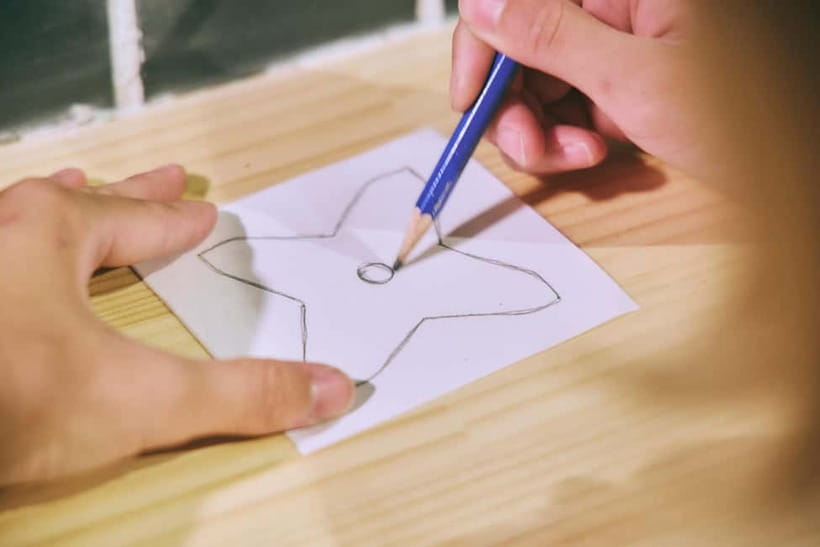
First, you create the mold using specialized casting sand. This is the part where you get to understand the form you’re committing to. You’re not just making something cool—you’re defining its final shape at the very start.
Why this matters: if the mold details are right, your final piece will hold the lines. The mold stage is also where a beginner can feel confident, because it’s mostly about careful shaping rather than metalwork muscle.
2) Casting stage: melt, pour, and let physics do the heavy lifting
Next comes the step where the tin turns from solid to molten. Tin melts at about 230°C, and staff supervise the pouring carefully. This is the moment you’ll likely take the most photos, because it’s visually dramatic and very much the core of the craft.
Even though staff handle the risk side, you still get to participate in the process. You’re learning the rhythm: melt, pour, control the flow, and move to cooling with good timing.


3) Cooling stage: rapid solidification in water
After pouring, the metal cools quickly in water and solidifies. This part turns your mold impression into something you can hold and refine.
Consideration: the class rules include no alcohol and no making fire. So while you’ll see heat and metalwork, the setting is controlled and designed for safety and smooth flow.
4) Shaping and hammering: taking the rough cast to a weapon
Now you get to refine the surface and edges. You’ll use tools like hammers/files (the process includes hammering), then smooth with a file to bring out cleaner detail.
This is where the workshop turns from “cool craft” into “I made this.” The tactile work gives you a sense of control over your final design.
5) Polishing and finishing: protect the metal and make it look right
Once the metal shape is done, the finishing steps begin.
- You’ll apply a rust-preventive solution.
- Then you’ll coat the piece with a special oil to protect it and enhance the finish.
Why I love this step: many souvenirs look nice for a week and then degrade. Here, the class includes the protection so you can store it, display it, and keep it looking intentional.
6) Extra oni mask steps: gold leaf and cord
If you choose the oni mask, you’ll add the gold leaf accent and attach a cord. That makes a huge difference in how the finished mask feels—less like a tabletop object, more like something theatrical you can actually wear or style.
And because you’re doing the detail work yourself, it won’t look like a mass-made decoration. It will look like your version.
Location and timing: why the schedule is easy to plan around
The studio is a 3-minute walk from Demachiyanagi Station. That’s a big deal in Kyoto, where getting from point A to point B can eat up time if you’re far from transit.
Timing is also pretty straightforward:
- Shuriken / Kunai: about 2 hours
- Oni mask: about 2.5 hours
Completion can vary, so giving yourself a little extra time is smart.
Also, this activity is designed for beginners and children with staff assistance. That usually means clear guidance, not a “figure it out” vibe.
What’s included (and what you need to bring)
This class comes with the materials and tools you need to make your one piece.
Included:
- Design your weapon
- Mold creation with casting sand
- Melt and cast tin
- Shape by hammering
- Smooth with a file
- Rust-preventive soak
- Oil coating
- Apron rental
- Equipment rental
- Materials for one weapon
- A dedicated box for your finished piece
What to bring:
- Drinks
Small note: the activity information says there is no water, so bringing a drink (and using it during the class) is a smart move for comfort.
Who this workshop fits best
This is a good match if you’re:
- A craft-curious traveler who wants a hands-on process, not a passive demo
- A ninja/samurai/Japan pop-culture fan who wants something more authentic than a T-shirt
- Traveling as a couple, friends, or solo—because you’ll do your own design and walk out with your own metal piece
- Looking for a memorable activity for kids around elementary school age
Age notes to keep in mind:
- People under 15 must be accompanied by a guardian.
- Not suitable for children under 5, babies under 1, or people over 95.
If you’re worried it’ll be too technical: tin casting here is specifically set up for beginners, with staff help at the key steps.
Photos, souvenirs, and the “one-of-a-kind” feeling
You’ll be able to capture memories with photos and videos during the crafting process. That matters, because the story of the souvenir is part of the value. A finished piece is fun—but seeing the mold, the pour, and the shaping makes it feel personal.
The souvenir size (8–10 cm) also works well. You won’t be juggling a giant object across crowded streets. And the dedicated box helps with storage and travel safety.
One subtle win: after you make something, it becomes a conversation starter. It’s hard for a mass-produced keychain to compete with, I promise.
Price and value: why $103 can make sense here
At $103 per person, this isn’t the cheapest activity in Kyoto. But it’s also not priced like a standard “make-a-cute-trinket” class.
You’re paying for:
- Real metalwork with tin casting (including supervised molten casting and controlled cooling)
- Tools and materials
- Rust protection and oil finishing
- A dedicated box for your finished 8–10 cm piece
- Staff guidance in English or Japanese throughout the steps
When you compare it to the cost of store-bought “ninja” items, the math is pretty reasonable. The real question is whether you want a souvenir that’s literally shaped by your hands. If yes, the price stops feeling high fast.
Practical tips so you enjoy the whole class
A few things will help you get the best experience:
- Choose your piece based on time. If you only have a short window, shuriken/kunai is the cleanest fit. If you want the full show, oni mask adds gold leaf and cord.
- Bring a drink. The activity info notes no water, and you’ll likely be happier if you can sip during the session.
- Arrive with flexible timing. Completion time can vary.
- Wear comfortable clothes. Apron rental is provided, but you’ll still be doing hands-on work and using tools during shaping/polishing.
- Plan a place to store your box afterward. The final piece is a souvenir you’ll want to keep safe and protected.
Should you book Kyoto: Forge Your Own Ninja Weapon with Japanese Tin Casting?
I’d book it if you want a Kyoto experience that’s hands-on, structured, and genuinely different. This workshop gives you a real, compact metal keepsake—made through an actual process: mold, cast, shape, polish, and protect with oil.
Skip it if you’re looking for something passive, or if you want a huge souvenir. Also think twice if you’re very short on time; the class is about 2 to 2.5 hours, and you’ll want to arrive un-rushed.
If you’re a beginner, you’re exactly the target. With guidance from staff like Daiki and his colleague, the class is built so you can finish with something you’ll be proud to box up and take home.
FAQ
What ninja weapons or items can I make?
You can choose from shuriken, kunai, or an oni mask. The shuriken is one option, while kunai and oni mask are available as optional upgrades with extra detail.
How long does the workshop take?
Shuriken and kunai sessions take about 2 hours (approximately 2 hours / 150 minutes is listed for the overall range). The oni mask option takes about 2.5 hours, and completion time can vary.
Where is the studio located?
The studio is about a 3-minute walk from Demachiyanagi Station in Kyoto.
What’s included in the price?
The experience includes designing your piece, creating the mold, melting and casting tin, shaping (including hammering), smoothing with a file, rust-preventive soaking, oil coating, apron and equipment rental, materials for one weapon, and a dedicated box.
What should I bring with me?
Bring drinks. The information also notes there is no water available.
Are there age limits?
Yes. People under 15 must be accompanied by a guardian. It is not suitable for children under 5, babies under 1, and people over 95.