REVIEW · KYOTO
Inside of Fushimi Inari – exploring and lunch with locals
Book on GetYourGuide →Operated by Japan Exploration Tours JIN · Bookable on GetYourGuide
Fushimi Inari can feel like a red blur. This version slows it down, taking you inside the shrine along quieter routes, then up to the summit shrine for Kyoto views. I especially love the mix of sacred stops and small, practical moments like tea and boiled egg breaks along the way. The other big win is the lunch: you get soba plus Inari sushi, not just a quick snack before rushing onward. One heads-up: this is a hike with stairs and some uphill, so comfortable shoes really matter.
What makes this tour work is the pacing and the guide’s route choices. Small group size (up to 10) means you spend more time walking the right paths and less time waiting. And because the tour runs with an English-speaking guide like Ko, Go, Kenji, Yuya, Taishi, and others, the history and practical etiquette around the shrine lands clearly without turning into a lecture.
In This Review
- Key Things I’d Plan Around on This Fushimi Inari Tour
- Entering Fushimi Inari’s Inner World, Not Just the Main Gates
- Meeting Point at the Great Torii Gate: Getting Oriented Fast
- Hiking Through Bamboo and Cedar with Real Shrine Stops
- The 233m Summit Shrine: A Short Uphill for Big Payoff
- Photo Time Without the Crowds Running Your Day
- Tea-and-Egg Break in a Mountain Hut
- Lunch at a Traditional Soba Restaurant (Plus Inari Sushi)
- What It Feels Like with Guides Like Ko, Go, Kenji, Yuya, and Taishi
- Price and Value: Why $67 Can Make Sense Here
- Who This Tour Suits Best (And Who Might Want to Skip It)
- Final Call: Should You Book This Fushimi Inari Inside Tour?
- FAQ
- How long is the Fushimi Inari inside tour?
- What’s included in the lunch?
- Is there a tea or snack break during the hike?
- Are vegan options available?
- Where do I meet the guide?
- Is the tour group small?
- What’s the walking like?
- Does the tour include drinks with lunch?
- Is the tour guide English-speaking?
Key Things I’d Plan Around on This Fushimi Inari Tour
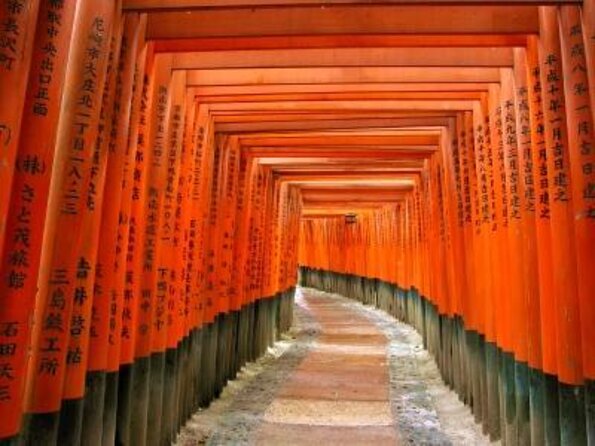
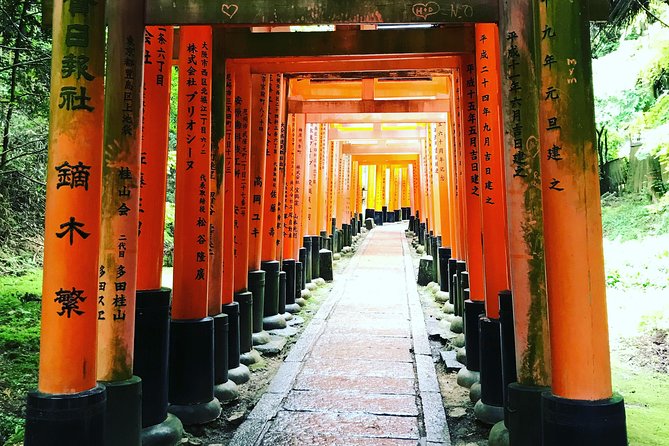
- Inside-the-shrine route: thousands of torii, plus lesser-used paths that feel calmer than the main crush.
- Bamboo and cedar forest walking: peaceful holy spots like worship stones and a waterfall area.
- Summit shrine hike (about 20 minutes uphill): summit area sits at 233m, with Kyoto panorama views.
- Photo stops in the less crowded zones: a planned part of the descent for shots.
- Food is built into the day: tea-and-egg break in a mountain hut plus a 30-minute soba lunch with Inari-style sweets.
- A factory visit / torii-making moment: you may even catch a master carving torii columns, depending on timing.
Entering Fushimi Inari’s Inner World, Not Just the Main Gates
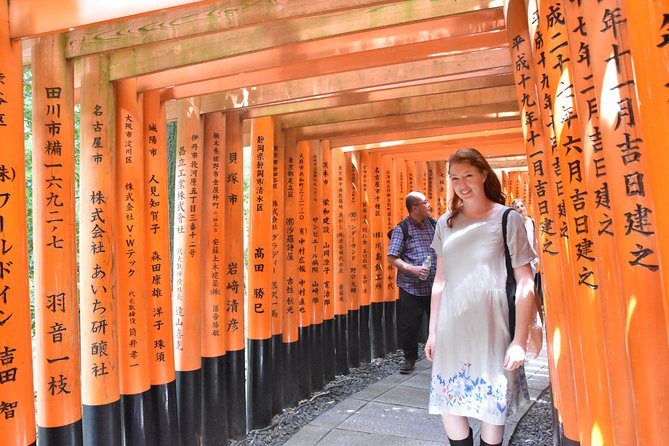
Most people hit Fushimi Inari Taisha from one angle, follow the same corridor of torii, and call it a day. This tour starts the same way—at the Great Torii Gate—but then it matters what happens next. Instead of pushing deeper only when you’re already tired, your guide leads you through a sequence that feels more like moving with the shrine’s rhythm.
The shrine’s famous red gates are still there, of course. But the real change is the experience of time and use: you see how worship and walking patterns differ as you move away from the densest sections. That’s what makes Fushimi Inari feel less like a theme park and more like a living religious place.
You can also read our reviews of more tours and experiences in Kyoto

Meeting Point at the Great Torii Gate: Getting Oriented Fast
You’ll meet at the stone pillar at the first gate at the Great Torii area, across from JR Inari Station exit. The finish point is the same, so you don’t end up trying to navigate back on your own at the end of the hike.
Plan on a simple warm-up walk too. The information says it’s about a 10-minute walk from Fushimi-Inari Station on the Keihan line. That’s useful if you’re coming from central Kyoto and want to avoid last-minute stress.
Small group (max 10) also changes the atmosphere right away. You’re not shoulder-to-shoulder. You can hear your guide. You can ask questions without feeling like you’re in a traffic jam.
Hiking Through Bamboo and Cedar with Real Shrine Stops
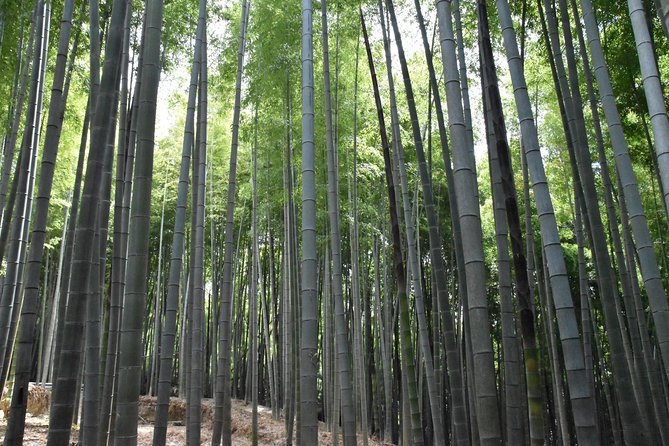
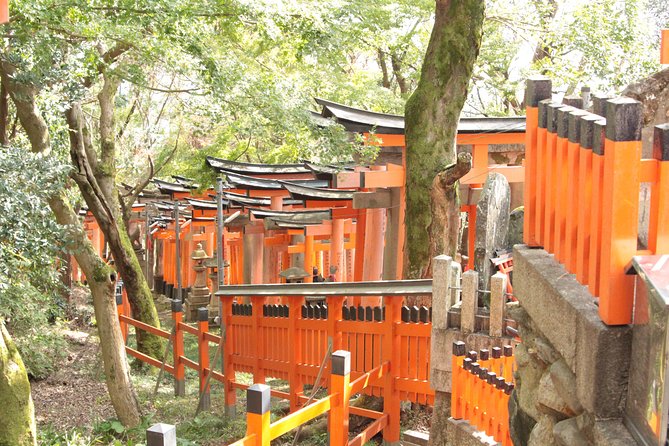
After you get your bearings, the route leads you through a peaceful forest path—bamboo and cedar—where the tone shifts instantly. It’s not just pretty scenery. This is where the shrine’s meaning becomes clearer because you’re slowing down at actual holy spots, not just passing photo angles.
You’ll visit authentic worship points, including worship stones and an area tied to a waterfall. Even if you’re not steeped in Shinto practice, these stops give you something concrete: where people pause, where they pray, and how the environment supports quiet focus.
There’s also a stop tied to a factory. This is where you can see how torii columns are made, and one guide-led highlight is the chance to watch a master carve torii columns—an added bonus that makes all those red gates feel less like a backdrop and more like crafted objects with care behind them.
The 233m Summit Shrine: A Short Uphill for Big Payoff
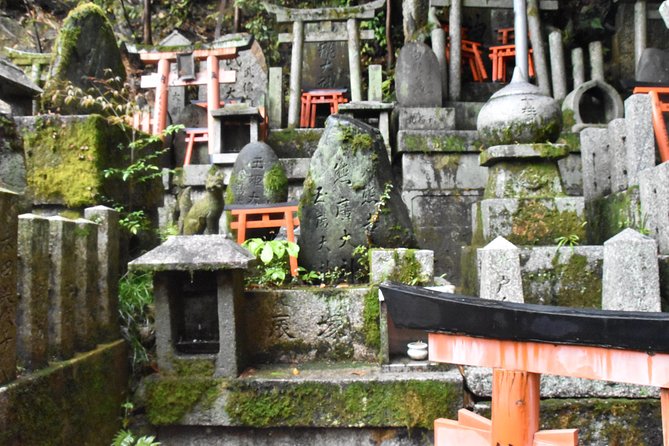
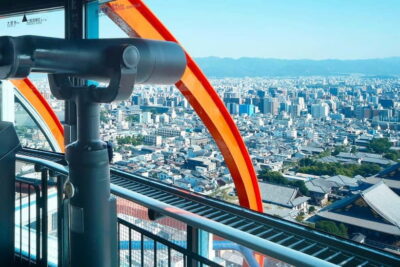
At some point you’ll go up a forest route toward the summit shrine, with about a 20-minute uphill section mentioned in the plan. The summit area sits at 233m high, and the point of that climb is simple: space and views.
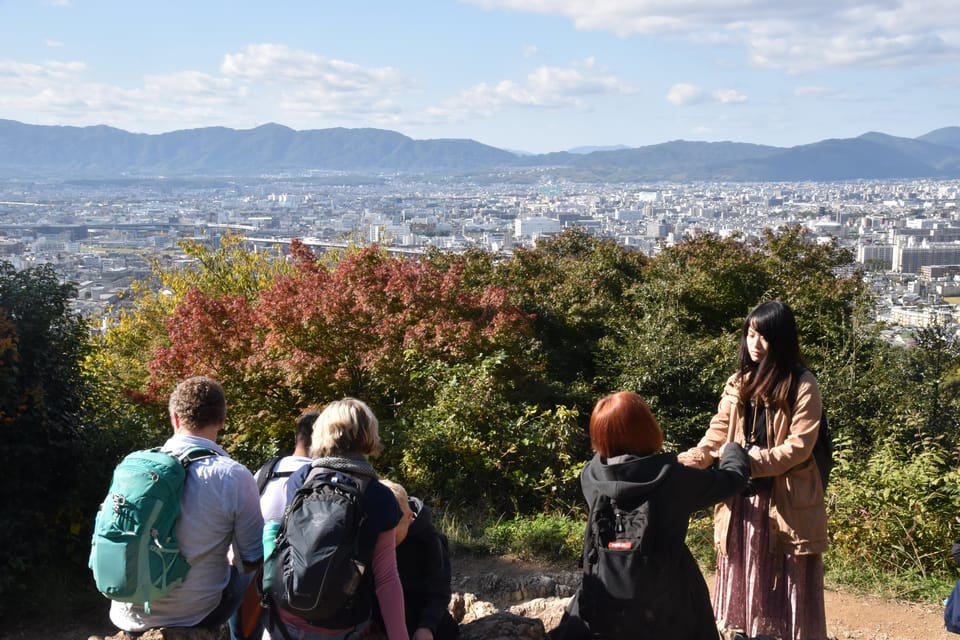
What I like about this structure is that it gives you a reason to work for the ascent. It’s not a grind for the sake of exercise. It’s a chance to step away from the main flow and get a Kyoto panorama view from a viewpoint stop on the way.
Also, the guides are the difference here. In this setting, signs and markings help, but they can still leave you wondering what matters. With an English-speaking guide (and named guides like Go, Kenji, and Yuya in the experience history), you’re not guessing why certain spots get attention, and where to focus your viewing and photos.
Photo Time Without the Crowds Running Your Day
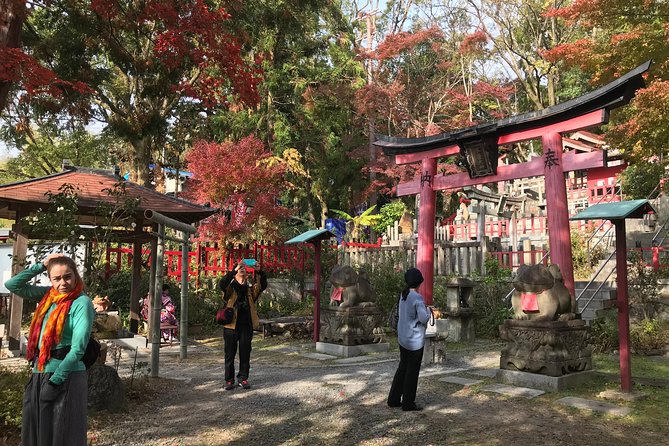
The tour includes a dedicated photo-shooting part, and it’s built around timing and route choices. That means you get chances to take pictures in areas that are usually less crowded, instead of fighting for angles right when the foot traffic spikes.
The practical advantage: you can stop, frame, shoot, and then move on without feeling like you’re holding up a line of people. Even better, on the way down, your guide points out photogenic spots that don’t require you to backtrack or wander blindly.
If you care about photos but don’t want your day reduced to camera work, this balance is exactly right.





Tea-and-Egg Break in a Mountain Hut
Hiking makes you hungry, but it also makes you a little impatient—especially in a busy spot. This tour uses a short break to reset you. You’ll have tea and a boiled egg with salt in a scenic mountain hut, which gives you a moment to catch your breath while still staying on-theme with the shrine experience.
It’s also one of those details that makes a guided tour feel worth it. Without a plan, you’d end up picking random snacks in the first place you see. Here, the timing is built around the walk.
Vegan options are available for the tea break, and the note says to tell the operator in advance. If you need a vegan-friendly version, don’t wait until you’re on-site.
Lunch at a Traditional Soba Restaurant (Plus Inari Sushi)
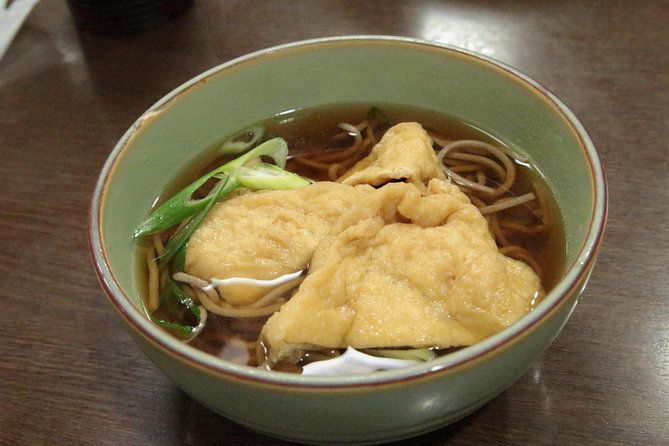
Lunch is a major part of why this tour earns its price. You don’t just get a seat near a souvenir shop. You get a 30-minute lunch at a traditional soba place, with Japanese noodle soba and fried sweet sushi (Inari sushi) as part of the included meal plan.
Vegan options are available, but again: you need to tell them in advance. That matters because last-minute changes are harder for kitchens that plan prep and ingredients in advance.
One thing I like about the way this is structured: lunch happens after you’ve already explored meaningful sections of the shrine. You don’t feel like you’re eating during the boring part. You eat when you’re ready for a real pause.
Also, drinks at the lunch restaurant are not included. That’s normal, but it’s good to know so you don’t get surprised by an extra bill at the table.
What It Feels Like with Guides Like Ko, Go, Kenji, Yuya, and Taishi
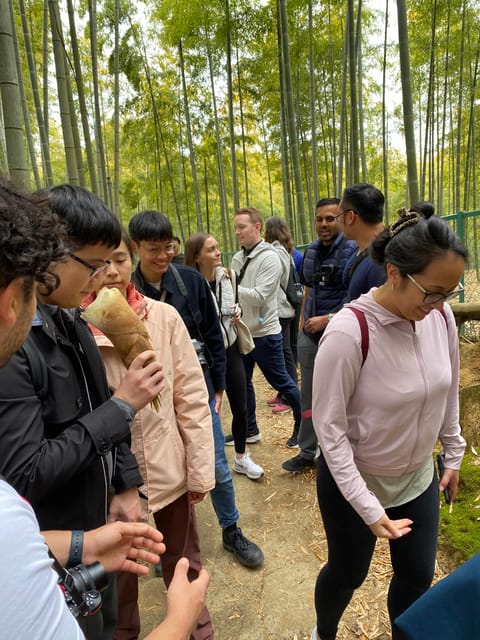
This tour runs with live English guides and keeps groups small. That’s the setup for real conversation and context, not just walking instructions.
The names that show up in the guide lineup include Ko and Go, Kenji, Yuya, and Taishi (plus assistants). The common thread is that they share history and traditions in a way that helps you understand what you’re looking at—especially around Shinto practices and what the shrine represents.
Even the route choices fit the same theme: less crowd pressure, more time at the right spots, and fewer moments where you wander and wonder if you’re seeing the shrine correctly. If you like local-style pacing, you’ll probably appreciate how the tour lets you walk at your own speed while still keeping everything moving.
Price and Value: Why $67 Can Make Sense Here
$67 per person for a 4-hour guided experience with lunch is not the cheapest option in Kyoto. But it’s also not just a walking tour with a sticker price.
You’re paying for several bundled pieces:
- Guided navigation inside Fushimi Inari’s complex flow
- Access to quieter routes and planned photo stops
- Tea-and-egg break during the hike
- A real sit-down soba lunch with Inari sushi included
- A small-group format (max 10), which reduces crowd friction
If you tried to self-guide this, you’d still pay for a lunch and you’d still want good footwear and time. What you avoid with the tour is the guesswork: which paths to take, where the shrine stops actually mean something, and how to time the hike so you’re not stuck in the densest crowd pockets.
In short: it’s best value if you want both meaning and comfort, not just red-gate sightseeing.
Who This Tour Suits Best (And Who Might Want to Skip It)
This tour is a strong fit if you want:
- A hike that’s manageable but not flat
- Smaller-group attention and route guidance
- Sacred stops beyond the most obvious torii lines
- Food included that’s actually local (soba, Inari sushi, tea and egg)
You might think twice if you hate stairs. The paths are described as well-organized, but you will go up and down stairs. You’ll also want comfortable clothes and shoes, plus a hands-free backpack for hiking.
It’s also worth considering if you’re traveling with strict dietary needs. Vegan options exist, but the instruction is to tell the operator in advance. That’s your responsibility to communicate early, so the kitchen can plan.
Final Call: Should You Book This Fushimi Inari Inside Tour?
If your goal is to experience Fushimi Inari as more than a photo circuit, I think this is an easy yes. The combination of inside-the-shrine routing, forest walking, a climb to the summit shrine for views, and the included soba lunch makes the day feel complete. You’re not just ticking off torii gates; you’re learning how the place works.
If you’re mostly after the easiest, fastest version with minimal walking, you may feel like you’re paying for structure you don’t need. But if you’re okay with a real stroll-hike and want food that tastes like Kyoto (not fast-food convenience), this tour hits the sweet spot.
FAQ
How long is the Fushimi Inari inside tour?
The duration is 4 hours.
What’s included in the lunch?
Lunch includes Japanese noodle soba and fried sweet sushi (Inari sushi).
Is there a tea or snack break during the hike?
Yes. You’ll get tea and a boiled egg with salt in a scenic mountain hut.
Are vegan options available?
Vegan options are available, but you need to tell the operator in advance.
Where do I meet the guide?
Meet at the stone pillar at the first gate of the Great Torii gate area, across from the JR Inari Station exit.
Is the tour group small?
Yes. It’s limited to 10 participants.
What’s the walking like?
It’s described as easy walking with some stairs and a forest route climb to the summit shrine of about 20 minutes. Comfortable shoes are recommended.
Does the tour include drinks with lunch?
Drinks at the lunch restaurant are not included.
Is the tour guide English-speaking?
Yes, the tour has an English live guide.