Kyoto makes more sense with one guide. This private walking tour strings together major hits and small in-between stops, from Senbon Torii at Fushimi Inari to the Arashiyama Bamboo Forest.
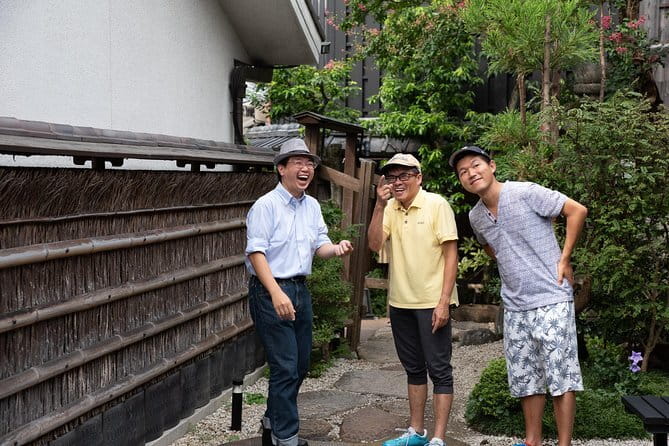
I really like the undivided pace a private format gives you. You’ll also get a guide who’s good at photography and enjoys sharing the little details that make Kyoto feel personal—whether it’s Yuhey pointing out photo angles or Kiyoto-san’s careful, thoughtful planning.
One thing to plan for: it’s mostly on foot, and food and attraction tickets aren’t included, so you’ll want budget space for admissions like Kiyomizu-dera and Kinkaku-ji.
In This Review
- Key highlights at a glance
- Private Kyoto, Actually Practical: How the Day Works
- Where You Meet (and Why It Matters)
- Pontocho, Gion Side Streets, and River-Edge Kyoto Vibes
- Fushimi Inari to Kiyomizu-dera: The Iconic Temple Loop
- Nineizaka and the Machiya Starbucks Detour You’ll Actually Remember
- Nishiki Market: Turning Kyoto Sightseeing into a Food Walk
- Golden Pavilion and Tenryuji: Big Names, Short Stops
- Arashiyama Bamboo Forest, Kimono Forest Pillars, and Togetsukyo Bridge
- Price and Value at $177.90 Per Person
- How to Get the Most From Your Guide
- Should You Book This Kyoto Private Tour?
- FAQ
- Where is the meeting point for this Kyoto tour?
- How long does the private tour take?
- Is this tour private or shared?
- Is pickup offered?
- What’s included in the tour price?
- Are temple and attraction tickets included?
- Is food and drinks included?
- Can I cancel for a full refund?
Key highlights at a glance
- Private guide attention for questions and quick course-corrections
- Photo-first sightseeing with guides known for great pictures and videos
- Classic Kyoto lineup plus shorter “in-between” stops like Tatsumi Bridge
- Machiya Starbucks option at Nineizaka, with the choice to stay inside longer
- Arashiyama time well spent with bamboo forest, Kimono Forest pillars, and Togetsukyo Bridge
Private Kyoto, Actually Practical: How the Day Works
This tour is built for a simple goal: get you oriented fast in Kyoto, without the usual scramble of reading maps and guessing what to see next. You move through the city in a tight sequence of neighborhoods, so you’re not spending half the day figuring out the next stop.
Because it’s private, your guide can slow down when something catches your eye. That flexibility is real—on rainy days, Paren kept the pace easy and still made the tour feel informative and adaptable.
You should expect a walking-heavy day. Even with pickup offered, the tour is primarily done on foot, and public transport may be used at an extra cost. So wear shoes you trust for long stretches and a few uphill moments.
You can also read our reviews of more private tours in Kyoto
Where You Meet (and Why It Matters)
You start at Kyoto Tourist Information Center Kyo-NaviJapan in the Kyoto Station building, on the 2nd floor. That’s a smart choice because it’s a central meeting point with access to transit, food, and coffee if you arrive early.
You also end back at the meeting point. That makes logistics easier at the end of the day, especially if you’re headed back to your hotel or catching dinner near Kyoto Station.
If you’re coming with a mobile ticket, you’ll be set for day-of check-in. The tour confirmation is received at booking, so you should plan to have your details handy on your phone.
Pontocho, Gion Side Streets, and River-Edge Kyoto Vibes
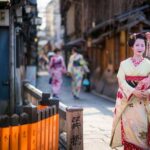
The day opens with Pontocho District, a narrow alley along the Kamo River between Sanjo and Shijo streets. It’s one of Kyoto’s geisha districts, known for its traditional atmosphere, restaurants, and tea houses. Even on a short stop, you can feel the rhythm of the old-school side of the city.
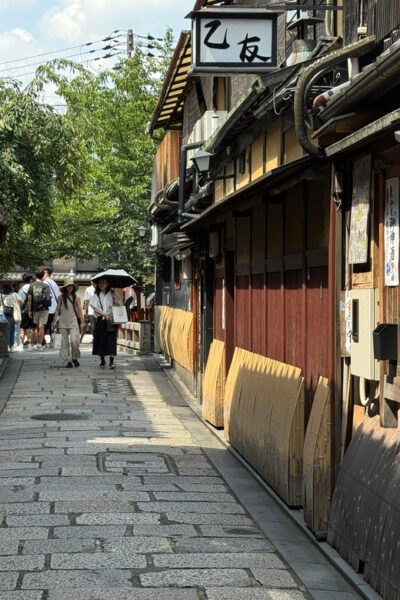
From there, the route leans into Gion’s quieter streets with short photo breaks rather than long museum-style sessions. You’ll hit Hanamikoji Street, a narrow stone-paved street that’s closely associated with Gion.
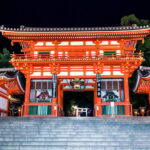
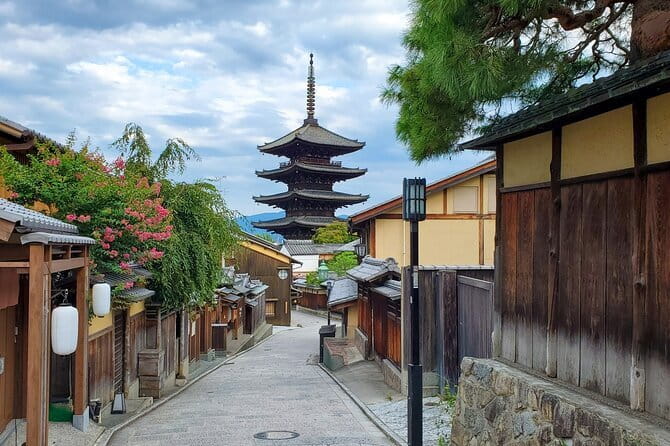
Then comes the Yasaka Pagoda (Gojunoto) and Hōkan-ji Temple area. Even with only a brief stop, the goal is the classic Kyoto photo moment—views of the pagoda silhouette in the Higashiyama district. Your guide can help you position yourself so you’re not just shooting blind from a crowded sidewalk.
A nice change of pace is Tatsumi Bridge along the Shirakawa River. It’s short, but it breaks up the temple density with a small, calm stretch you can walk through slowly for photos and atmosphere.
What I like about these sections: they’re short on the clock but long on mood. This is where private touring shines, because your guide can point out what matters visually before you even realize you’re looking at it.
Fushimi Inari to Kiyomizu-dera: The Iconic Temple Loop
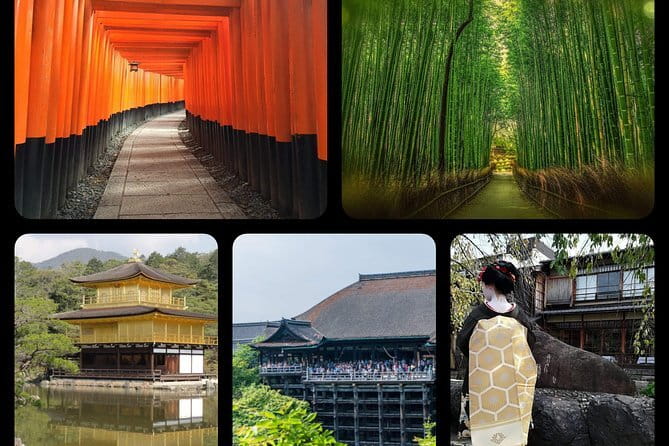
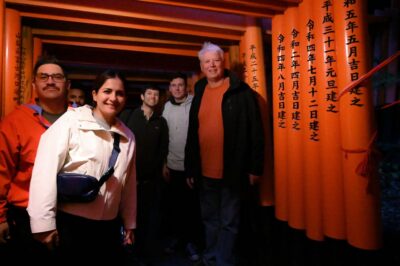
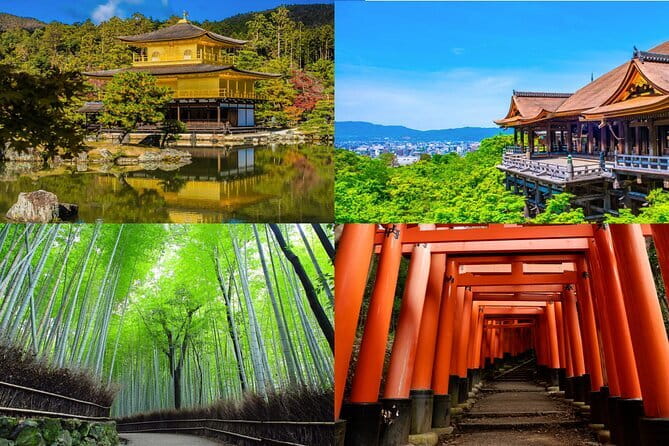
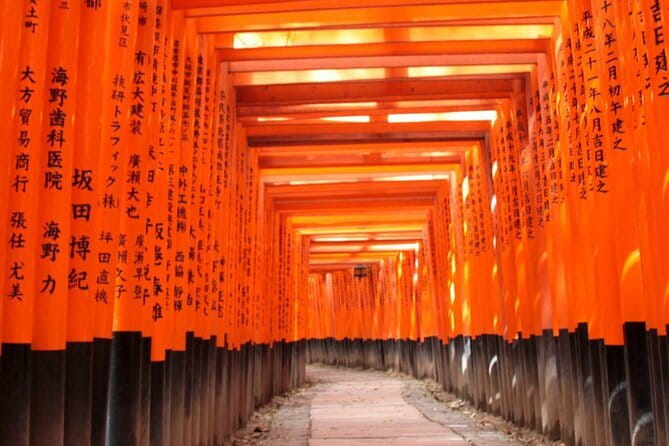
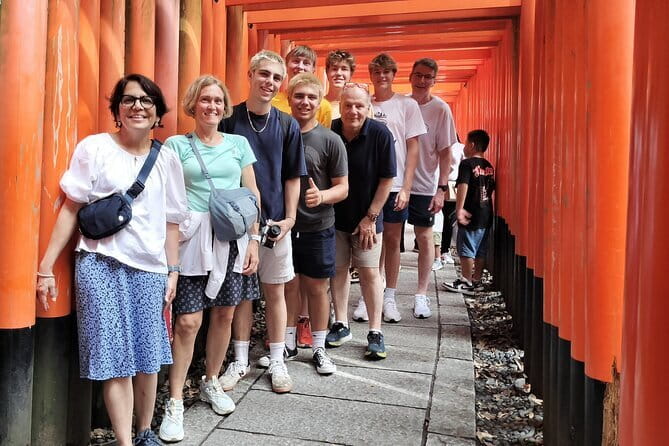
Fushimi Inari-taisha is the famous start: the Senbon Torii with its long tunnel of vermilion gates. Admission is free, and you’ll spend about an hour here. If you’ve only seen photos, you’ll be surprised by how immersive the path feels in person—every step through the gates changes the angle and lighting.
One practical tip: plan to move at a comfortable walking pace. This isn’t a “quick look and go” stop if you want the full effect. With a private guide, you can ask what to prioritize so you don’t waste time backtracking.
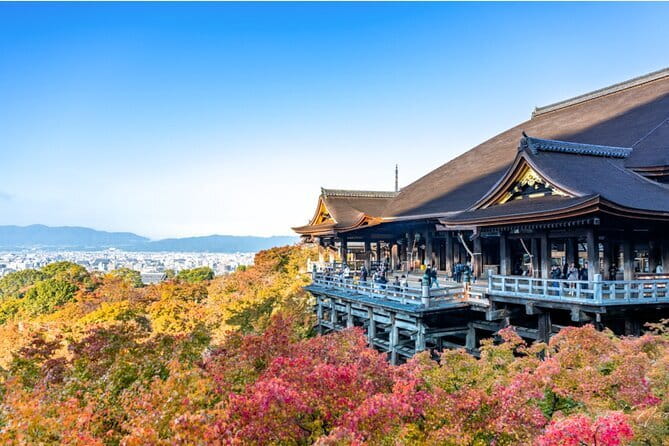
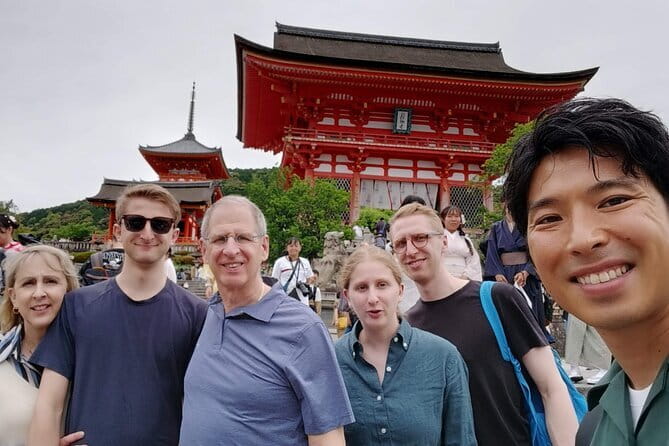
Next you’ll head to Kiyomizu-dera Temple, perched on the slopes of Mount Otowa. The stop is about an hour, and admission isn’t included. Kiyomizu-dera is famous for views and its classic temple staging, and even if you’re not a temple fanatic, it’s the kind of place where Kyoto’s scale hits you.
Then you shift into old-street Kyoto with Sannenzaka and Ninenzaka—stone-paved slopes that bring you back to the feel of older Kyoto. Admission is free, and the stop is about an hour. These streets are also a reminder that Kyoto isn’t only temples; it’s the lanes and pedestrian flow that connect everything.
Nineizaka and the Machiya Starbucks Detour You’ll Actually Remember
Here’s one of the tour’s fun surprises: the Kyoto Nineizaka Yasaka Chaya Starbucks, specifically the chance to explore inside the machiya-style building. The stop is brief, around 5 minutes, and admission is free.
The key detail is also very practical: you can leave the tour if you want to stay longer inside. That matters because this isn’t a typical “chain store quick photo” moment. It’s a Kyoto setting, and it can work well as a short reset between bigger sights.
After that, you return to the temple-and-street flow with another quick scenic stop near the Yasaka Pagoda area, then Hanamikoji and the bridge before you move toward markets.




Nishiki Market: Turning Kyoto Sightseeing into a Food Walk
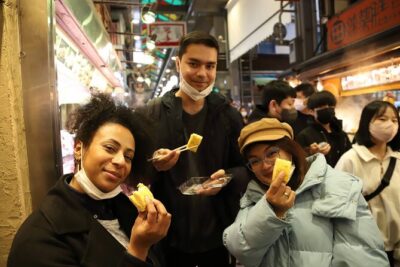
Nishiki Market is about an hour and admission is free. It’s often described as Kyoto’s kitchen, and it lives up to that idea: a dense lineup of stalls and small shops where the city’s food culture is the main attraction.
Food and drinks aren’t included, so you’ll be paying for anything you buy. But that’s also the point—this stop is flexible. If you love street snacks, you can turn the hour into a tasting mission. If you’re not shopping, you can still use the time to watch how the market works and what locals seem drawn to.
How to make the most of it: move with purpose but stop when something smells good. With a private guide, you can ask what to try first rather than standing in one aisle trying to read your way out.
Golden Pavilion and Tenryuji: Big Names, Short Stops
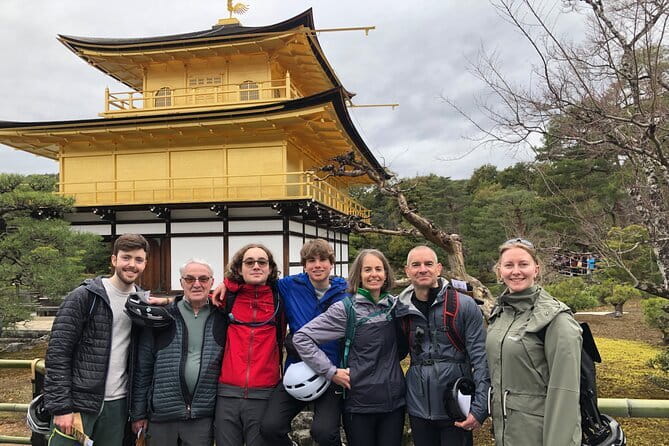
Kinkakuji Temple, the Golden Pavilion, is next. Expect about an hour here, with admission not included. The outside presence is the draw: the three-story pavilion covered in gold catches the light in a way that’s hard to get across in photos. If you’re only doing one of Kyoto’s “big” temple icons, this is one of the most memorable choices on the list.
After Kinkaku-ji, you shift to Tenryuji Temple in the Arashiyama area. This is a Zen temple founded in 1339 by Ashikaga Takauji, built on the site of a former imperial villa to honor Emperor Go-Daigo. You’ll spend about 30 minutes, and admission isn’t included.
Tenryuji works well as a contrast. Kinkakuji is about visual impact. Tenryuji gives you a different tone—calmer pacing and more room for reflection.
Arashiyama Bamboo Forest, Kimono Forest Pillars, and Togetsukyo Bridge
Arashiyama is a must in most Kyoto plans, and this tour gives it enough time to feel like a real segment rather than a rushed photo stop.
First is the Arashiyama Bamboo Forest—about 400 meters long, and you’ll have roughly 30 minutes. Admission is free. The forest effect is immediate: the walkway feels shaded and rhythmic, and sound changes under the tall stalks.
Right nearby, you’ll also see the Arashiyama Kimono Forest art installation. It’s made of about 600 cylindrical pillars, around 2 meters tall, located near Randen Arashiyama Station. The stop is short (about 10 minutes) and admission is free, but it’s the kind of visual punctuation that keeps the day from feeling like only stone and incense.
Then you’ll end this portion at Togetsukyo Bridge. It spans 155 meters across the Oi River, and it’s known as the Moon-Crossing Bridge. You’ll spend about 10 minutes, with free admission.
My advice: at this point, you’ll likely be photod out. That’s okay. Use the bridge time to slow down. Look for the interplay between river lines, bridge structure, and the surrounding hills rather than only shooting.
Price and Value at $177.90 Per Person
Let’s talk money without pretending it’s cheap. At $177.90 per person, this tour isn’t a budget add-on. What you’re paying for is private guide time and a day plan that moves through multiple major areas without you piecing it together.
Here’s where the value gets practical:
- You spend less time reading maps and more time walking into the right neighborhoods.
- You get guidance at temple stops, market areas, and street scenes where small context makes a difference.
- You can ask questions without waiting for a group to catch up.
The tour also gets strong marks for guide quality and hospitality. People have highlighted how guides like Yuhey combine easy personality with lots of city knowledge, while Akiyo balances popular sites with smaller surprises. Kiyoto-san’s style was also described as careful, respectful, and detail-focused.
The trade-off is what’s not included. Food, drinks, and attraction tickets are on you. Admissions aren’t included for several major sights, including Kiyomizu-dera, Kinkakuji, and Tenryuji. So you’ll want to estimate your day spend ahead of time.
How to Get the Most From Your Guide
A private guide turns into a superpower if you use it. I’d go in with two or three priorities, even if they’re simple:
- Do you want more photos, more history, or more street life?
- Are you good with stairs and uneven ground?
- Any must-sees beyond the big icons?
Since guides on this program are known for photo support, ask for help with angles and timing before you’re stuck behind other people. Yuhey and others have been praised for snapping great pictures, and some guides also produce a nice video of the day.
Also, don’t be afraid to slow down. One guide was praised for flexibility when the group showed interest in specific things. That’s how you turn a “sightseeing list” into a real day.
One more note: this is a private activity for your group only. That means you can set a comfortable pace without worrying about the back-of-the-line shuffle.
Should You Book This Kyoto Private Tour?
Book it if you want:
- a structured Kyoto day across multiple neighborhoods,
- a guide who’s actively helpful with photos,
- and the freedom to ask questions and adjust when something catches your interest.
Skip (or adjust your plan) if:
- you hate walking and stairs,
- you don’t want to pay separate admissions and buy your own food,
- or you’d rather do Kyoto at your own speed with no schedule at all.
If you’re planning a first or second visit and want a solid overview that still leaves room for personality, this tour fits well. The route covers the big names and the small atmospheric stops that make Kyoto feel like Kyoto, not like a checklist.
FAQ
Where is the meeting point for this Kyoto tour?
You meet at Kyoto Tourist Information Center Kyo-NaviJapan, Kyoto Station building, 2nd floor, Shimogyo Ward (600-8216). The tour ends back at the same meeting point.
How long does the private tour take?
The duration is approximately 4 to 8 hours, depending on the pace and the route flow for your group.
Is this tour private or shared?
This is a private tour/activity. Only your group participates.
Is pickup offered?
Pickup is listed as offered. The tour also notes that transportation isn’t included, and public transport may be used at an additional cost.
What’s included in the tour price?
You get the guide experience, including photo help and Japanese hospitality (omotenashi). The tour also lists a mobile ticket, and group discounts are shown as a feature.
Are temple and attraction tickets included?
No. Food, drinks, and tickets to attractions are not included. Some stops specifically note admission not included, like Kiyomizu-dera, Kinkakuji, and Tenryuji.
Is food and drinks included?
No. Food and drinks are not included, so you’ll cover purchases during stops like Nishiki Market.
Can I cancel for a full refund?
Yes. Free cancellation is available if you cancel at least 24 hours before the experience starts for a full refund.