REVIEW · KYOTO
Kyoto Nishiki Market Food and Culture Walking Tour
Book on Viator →Operated by Japan Wonder Travel · Bookable on Viator
Nishiki Market feels like a shortcut to Kyoto. I love the small-group pace and the way the food samples add up to a real meal, not just a few bites, with stops that explain local praying and everyday shopping. One thing to plan around: dietary restrictions and allergies aren’t accommodated.
This is a 3-hour walk built for people who want to eat their way through Kyoto without wrestling with menus, lines, and crowd flow. You’ll start at Nishiki Market, then move through nearby shopping streets and quick cultural stops, rain or shine.
In This Review
- Key Highlights Worth Marking on Your Map
- Entering Kyoto’s Kitchen: Nishiki Market on Foot
- Food Samples That Actually Replace a Meal
- A practical tip
- Nishiki Tenmangu Shrine Stop: Learning How People Pray
- Shinkyogoku Shopping Arcade: Pedestrian Streets With Local Energy
- Takoyakushido Eifukuji Temple: A Quick Buddhist Detour
- Teramachi-dori Street: Old Shops, New Products, and Shopping Time
- Small Group Max of 6: Why the Pace Feels Human
- Price and Value: When $80.92 Feels Worth It
- Weather, Crowd Flow, and Comfort (Rain or Shine)
- Who Should Book This Nishiki Market Walk
- Should You Book This Tour, or Explore Nishiki on Your Own?
- FAQ
- How long is the Kyoto Nishiki Market Food and Culture Walking Tour?
- What does the tour cost?
- How big is the group?
- Where does the tour begin?
- Is food included in the tour?
- Can the tour accommodate dietary restrictions or allergies?
- Does the tour run in bad weather?
- Is hotel pickup or transportation included?
- Is the meeting area near public transportation?
- What is Japan’s legal drinking age?
- Can I get a refund if I cancel?
Key Highlights Worth Marking on Your Map
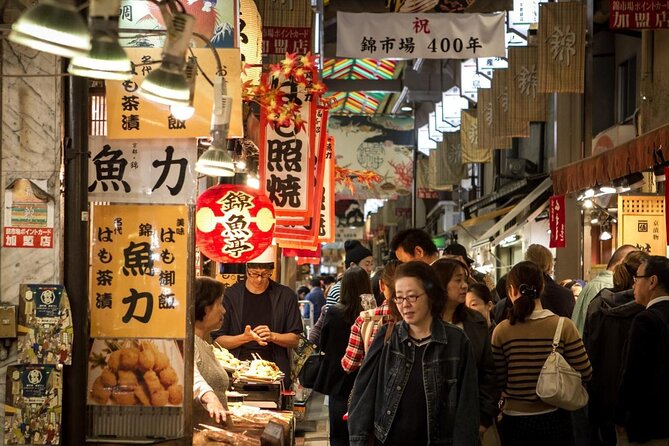
- Nishiki Market: Kyoto’s kitchen in a 400-year-old lane with about 130 shops on a narrow five-block street
- Enough tastings to feel satisfied while you’re still walking, so you don’t need restaurant reservations
- Small group max of 6 people for calmer pacing and more guide attention
- Cultural stops beyond food including Nishiki Tenmangu (a Shinto shrine) and a small Buddhist temple
- Pedestrian shopping arcades like Shinkyogoku and street-walk time along Teramachi-dori
Entering Kyoto’s Kitchen: Nishiki Market on Foot
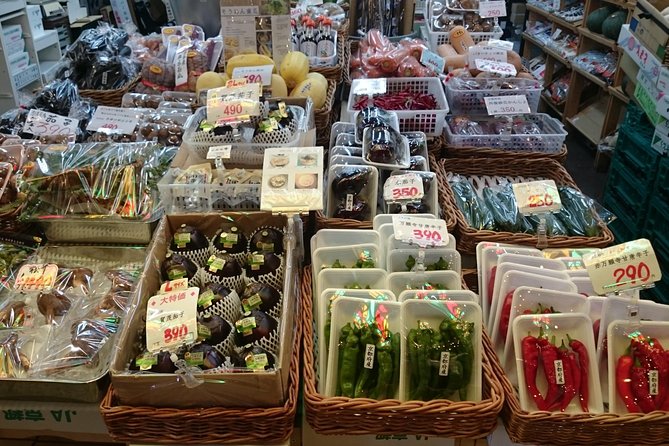
Nishiki Market is the kind of place where you’ll see why Kyoto earned a reputation for detail. It’s narrow, crowded, and full of stalls selling food, ingredients, snacks, and small edible souvenirs. That’s exactly why a guided start helps: you get your bearings fast, and you know what to look for instead of guessing.
The market sits on a five-block stretch packed with around 130 shops. In that crush, it’s easy to wander for an hour and still not feel you did anything. With a guide, you move with purpose and hit key stalls while the market is still fun instead of exhausting.
And yes, it smells incredible. But the real win is learning what you’re tasting. You’re not just eating random samples. You’re getting short explanations that tie the food to Kyoto and how locals think about ingredients and seasonal items.
You can also read our reviews of more walking tours in Kyoto


Food Samples That Actually Replace a Meal
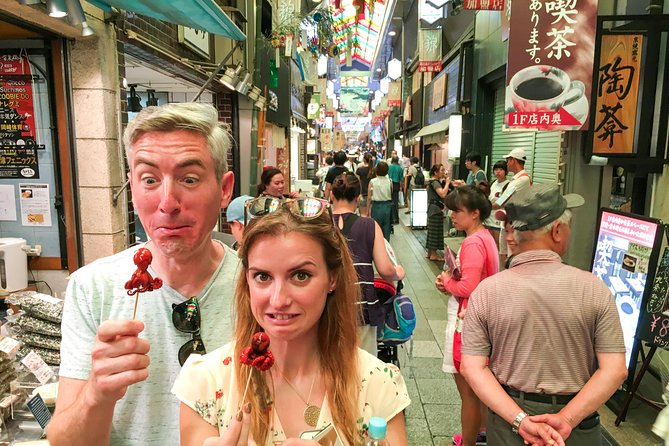
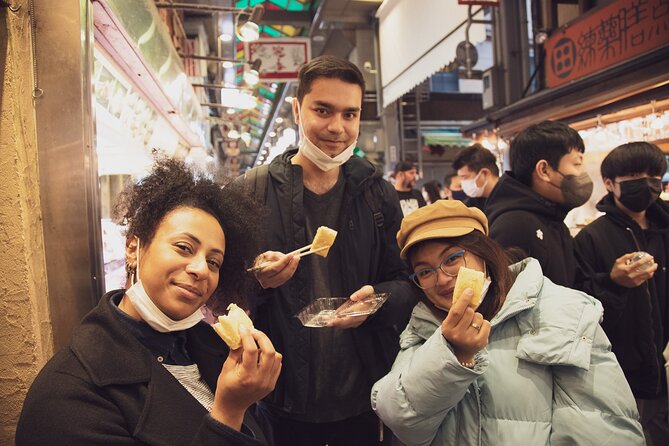
This tour is sold as a food-and-culture walk, and the “food” part isn’t an afterthought. The goal is samples that add up enough to replace a meal while you’re on the move. That matters in Kyoto, because eating on your own can turn into a decision fatigue loop: do you stop, do you line up, do you buy something that turns out boring, repeat.
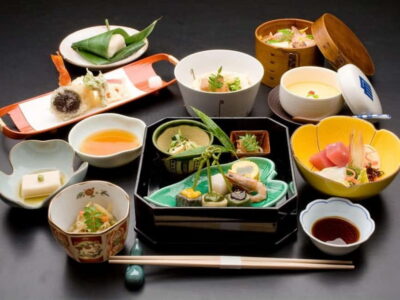
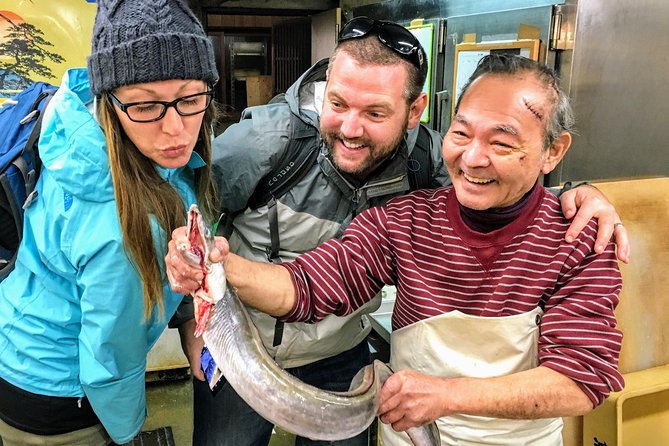
In the best moments, you’ll taste Kyoto specialties you’d likely skip if you were just browsing. From the experiences shared by past participants, the kind of items that show up can include things like yuba, soy doughnuts, omelette, pickled cucumbers, gyoza, wheat-starch snacks, and honey yuzu lemonade. Other tastings people described include tempura congi eel and a minced-meat sandwich style snack, plus market favorites like Kobe minced meat pies.
Your guide also plays matchmaker with what you’re curious about. Some guides (names that come up often include Keiko, Takuma, Toshi, Miku, Naoko, Annie, Eric, and Chizuko) are praised for pairing food choices with clear explanations and a pace that doesn’t feel like you’re sprinting. You’ll still walk a lot, but the tastings are spaced so you can actually enjoy them.
A practical tip
Go in hungry, then keep your expectations flexible. This isn’t an unlimited buffet of every stall. It’s a curated walk where you eat what your guide thinks best represents Kyoto’s food culture in a short window.
Nishiki Tenmangu Shrine Stop: Learning How People Pray
Food is the headline, but one reason this tour works well is that it steps into how Japanese daily life shows up in small rituals. Nishiki Tenmangu is the Shinto stop, and it’s a brief break that changes your mood from shopping mode to observant mode.
You’ll learn basics like what people do at a shrine, what to notice, and how to follow the flow without standing there like a confused statue. Even if you’ve seen shrines before, this kind of explanation makes it feel less like a photo stop and more like you understand what you’re watching.
The time here is short, so don’t expect a deep religious lecture. Think of it as a reset button: pause, look around, then move back to the neighborhood with better context.
Shinkyogoku Shopping Arcade: Pedestrian Streets With Local Energy
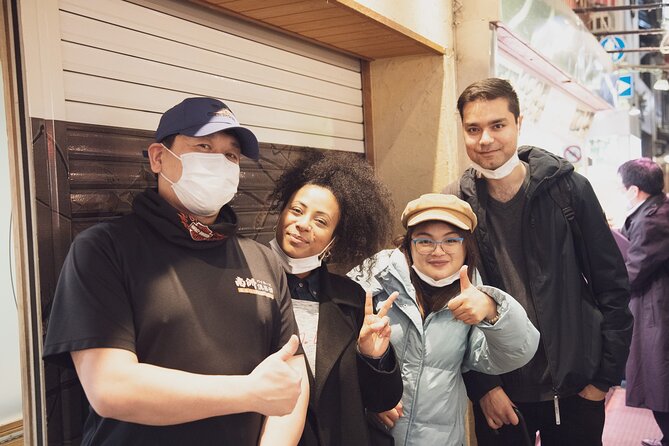
After the shrine, you walk into Shinkyogoku Shopping District, a pedestrian-only arcade area. This is where Kyoto stops feeling like a museum and starts feeling like daily life.
Arcades are handy for two reasons. First, you stay out of the worst crowd-jumping outside. Second, you see how shopping works when it’s built for people, not tourist wandering. You’ll pass storefronts and feel the mix of older Kyoto shopping habits with newer commercial trends.
This portion is about comfort and confidence. If you’ve never navigated Japanese shopping streets, your guide helps you read the space—what’s for browsing, what’s for quick stops, and where to look for practical things you might want to buy later.
You can also read our reviews of more food & drink experiences in Kyoto

Takoyakushido Eifukuji Temple: A Quick Buddhist Detour
Kyoto has temples everywhere, but the trick is noticing them without losing your place in the day. That’s why a short stop at Takoyakushido Eifukuji Temple feels useful. It’s small, it’s close to the shopping flow, and it gives you a lived-in sense of how religion sits right beside ordinary errands.
You won’t be there long, but you’ll understand the point: Kyoto doesn’t separate “sacred” and “daily.” They overlap. A brief temple detour makes that visible, and then you’re back to walking with a little more awareness.
If you like small, low-pressure cultural stops, this tour hits a good rhythm: eat, learn a little, walk, repeat.
Teramachi-dori Street: Old Shops, New Products, and Shopping Time
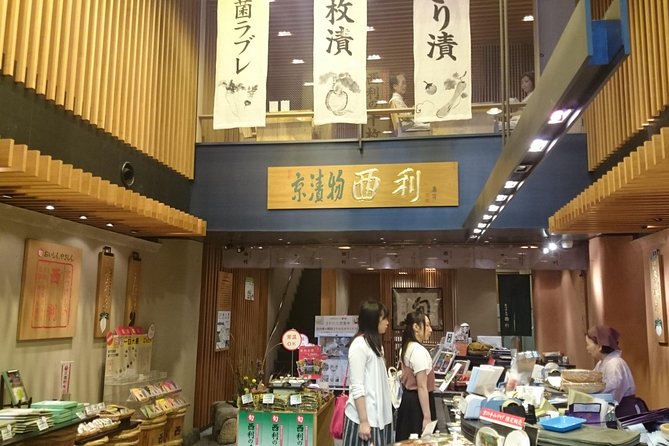
Teramachi-dori Street is another slice of neighborhood life. This area is known for a mix of long-established shops and newer stores, which is exactly what you want after you’ve toured a market packed with food.
This street walking section helps you do two things:
- Spot what you might want to buy later (seasonings, snacks, drink concentrates, and other small edible souvenirs)
- Feel how Kyoto shopping districts link together in real life, not like disconnected postcards
People in past groups described finding items like matcha salt and drink concentrates. If you like bringing something home that tastes like where you’ve been, this kind of guided shopping time is practical.
One caution: the amount of walking can surprise you. Even with breaks, you’ll be on your feet in a dense area, so wear shoes you trust.
Small Group Max of 6: Why the Pace Feels Human
The maximum group size is 6 people. That sounds like a marketing detail until you feel it. In a big group, you lose moments: a line forms, you can’t see, your questions get swallowed, and you end up rushing for photos.
Here, the small size supports calmer pacing and more interaction. Many guides on this tour are praised for being friendly and flexible—things like slowing down if someone wants to ask about an ingredient, or adjusting pace so the food doesn’t feel rushed.
This is also one reason you’re not constantly guessing where to go next. Your guide handles that busywork. You get to focus on tasting and noticing, which is the fun part.
If you hate feeling herded, you’ll probably relax on this one.
Price and Value: When $80.92 Feels Worth It
Let’s talk money, honestly. At $80.92 per person for about 3 hours, you’re paying for:
- A guided route through Nishiki Market and nearby streets
- Multiple food samples designed to add up to a meal
- Cultural context (shrine and temple stops) that makes the day more than eating
- Small-group experience max 6
Some people feel this is excellent value because the tastings fill you up, and the guide makes the market easier to navigate. Others feel it’s pricey if they expected a longer list of stalls and more variety.
Here’s how I’d judge it for yourself: if you want to come, taste several curated Kyoto items, and leave with a fuller stomach plus useful shopping guidance, the price can make sense. If you want to try dozens of things from random stalls like you’re building your own tasting crawl, you might feel limited by the short, structured time.
One useful clue is that the tour is described as visiting a handful of local shops and serving multiple items through the route. That’s not “every stall in the market,” so your expectations should be food-curated, not food-exhaustive.
Weather, Crowd Flow, and Comfort (Rain or Shine)
The tour runs rain or shine. That’s a good policy because Nishiki Market doesn’t pause for your schedule. In wet weather, you’ll likely move more carefully, and the streets can get slick, so keep your footing steady.
Nishiki Market is crowded at times. If you’re traveling with a stroller, you’ll want to plan ahead and let the operator know, since the market can be tight. For most people, the walk is doable, but the narrow lanes mean you’ll be shoulder-to-shoulder in places.
If you want the day to feel easy, come with a lightweight plan:
- Wear comfortable shoes for uneven foot traffic
- Bring water if you tend to get thirsty while walking
- Don’t overpack with heavy shopping bags before the tour ends
One nice thing: people reported that parts of the market walk feel cooler and easier even on hot days. Still, you’re outdoors enough that heat can catch you—hydrate and pace yourself.
Who Should Book This Nishiki Market Walk
This tour fits best if you:
- Want to eat in Kyoto without restaurant planning
- Like cultural context and short explanations, not long lectures
- Prefer a calmer group size (max 6)
- Feel overwhelmed by markets and shopping streets and want a guide to steer you
You might skip it if you:
- Have dietary restrictions or allergies (the tour states it cannot accommodate vegetarian, halal, kosher, gluten-free, or allergy-related requests, and severe restrictions may not be possible to arrange)
- Want completely free-form wandering where you pick every stall yourself
- Are hoping for a huge number of tastings without any structure
Also note Japan’s legal drinking age is 20. If you’re hoping to try any alcoholic drinks during your time out, plan accordingly.
Should You Book This Tour, or Explore Nishiki on Your Own?
Book this tour if you want a guided path through one of Kyoto’s most famous food areas, with tastings that add up, plus quick cultural stops that give meaning to what you’re eating. The best version of this day is when you feel like you’re learning how Kyoto food works while getting practical guidance for what to buy.
Skip it (or at least think twice) if your main goal is maximum variety and you’re comfortable navigating markets alone. Nishiki is navigable. You can absolutely eat your way through without a guide. The question is whether you want the time, stress, and decision fatigue of doing it yourself.
If you’re deciding, here’s my simplest test: if you’re going to spend your Kyoto time hungry anyway, and you’d rather not waste hours figuring out what’s worth it, this tour is a strong bet. If you’re already a confident market explorer who knows what you want, you may get more satisfaction by going solo.
FAQ
How long is the Kyoto Nishiki Market Food and Culture Walking Tour?
It lasts about 3 hours.
What does the tour cost?
The price is $80.92 per person.
How big is the group?
The tour has a maximum of 6 travelers.
Where does the tour begin?
It starts at Nishiki Market, known as 400-year-old Kyoto Kitchen.
Is food included in the tour?
Yes. It includes food samples enough to fill you up in place of a meal.
Can the tour accommodate dietary restrictions or allergies?
No. The tour cannot accommodate dietary restrictions including vegetarian, halal, kosher, gluten-free, or allergy-related requests. If your restriction is severe, it may not be possible to arrange food.
Does the tour run in bad weather?
The tour takes place rain or shine.
Is hotel pickup or transportation included?
No. Hotel pickup and drop-off, transportation to/from attractions, and extra food and drink are not included.
Is the meeting area near public transportation?
Yes, it is near public transportation.
What is Japan’s legal drinking age?
The legal drinking age in Japan is 20.
Can I get a refund if I cancel?
You can cancel for a full refund up to 24 hours before the experience’s start time.
![[Kyoto Street Shot] Recording every wonderful moment of travel with shutter (free kimono experience) - Meeting Spot and the Real Timing: When to Arrive](https://l.discoveringkyoto.com/wp-content/uploads/kyoto-street-shot-recording-every-wonderful-moment-of-travel-with-shutter-free-kimono-experience-400x267.jpg)