REVIEW · KYOTO
Kyoto: Tea Ceremony Ju-An at Jotokuji Temple
Book on GetYourGuide →Operated by Tea Ceremony Juan · Bookable on GetYourGuide
Kyoto slows down for tea. In this Jotokuji Temple Chanoyu workshop, the setting does half the work: you walk temple grounds, pause by the purification fountain, and soak in the architecture before you even touch a tea whisk. It’s a gentler Kyoto stop than the usual rush, and it’s built around a real, step-by-step ritual.
What I really like is that you’re not just watching. You’ll get guided tea instruction in English, with hosts often named Kate and tea masters whose names you might hear like Yaki or Taka, and the mood stays respectful from first instructions to the last sip.
One consideration: the temple grounds are wheelchair accessible, but the tearoom itself is not, because there are three steps. If you don’t want to sit the traditional way, stools can be provided, but wheelchairs can’t make it inside.
In This Review
- Key things to know before you go
- Tea Ceremony at Jotokuji: Why this Kyoto stop feels different
- Finding Tea Ceremony Ju-An near the Temple Main Hall
- Temple walk-through: gates, benches, and the purification fountain
- Grand Tearoom etiquette: shoes off, floor sitting, and stools
- Chanoyu workshop: matcha steps you can actually follow
- What you learn from the guide and tea master (and why it sticks)
- Small-group format: how it changes the pace
- Price and value: does $29 for 70 minutes make sense
- Weather and timing: what happens if Kyoto turns rainy
- Who should book this Kyoto tea ceremony, and who might skip it
- Should you book this Tea Ceremony Juan at Jotokuji?
- FAQ
- How long is the Kyoto tea ceremony at Jotokuji Temple?
- How much does this tea ceremony cost?
- What’s included in the price?
- Is the instructor available in English?
- Do I have to remove my shoes?
- Do I just watch, or do I also make matcha?
- Is kimono included?
- What if I’m not comfortable sitting on the floor?
- Is the tearoom wheelchair accessible?
- What happens if it rains during the ceremony?
Key things to know before you go
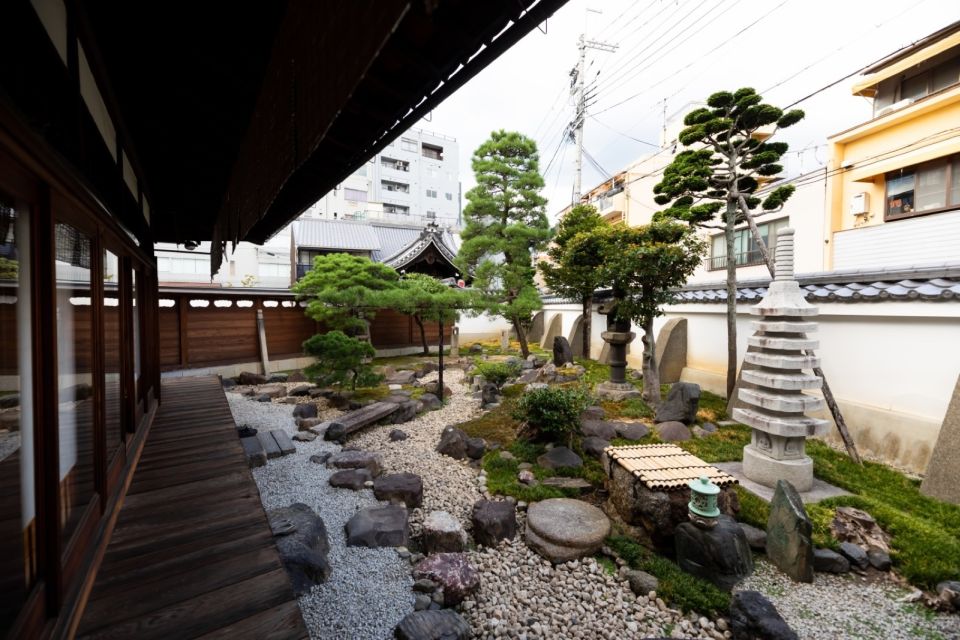
- Jotokuji Temple setting: you enter through the main gates and start on-site, not at a distant studio.
- Purification ritual first: you begin with a traditional cleansing practice before tea preparation.
- Small group size: limited to 10 participants, so you can actually follow along.
- Hands-on matcha: you’ll learn the fine art of drinking matcha and have a chance to prepare it.
- Grand Tearoom access is tricky: wheelchair access stops at the tearoom because of steps.
Tea Ceremony at Jotokuji: Why this Kyoto stop feels different
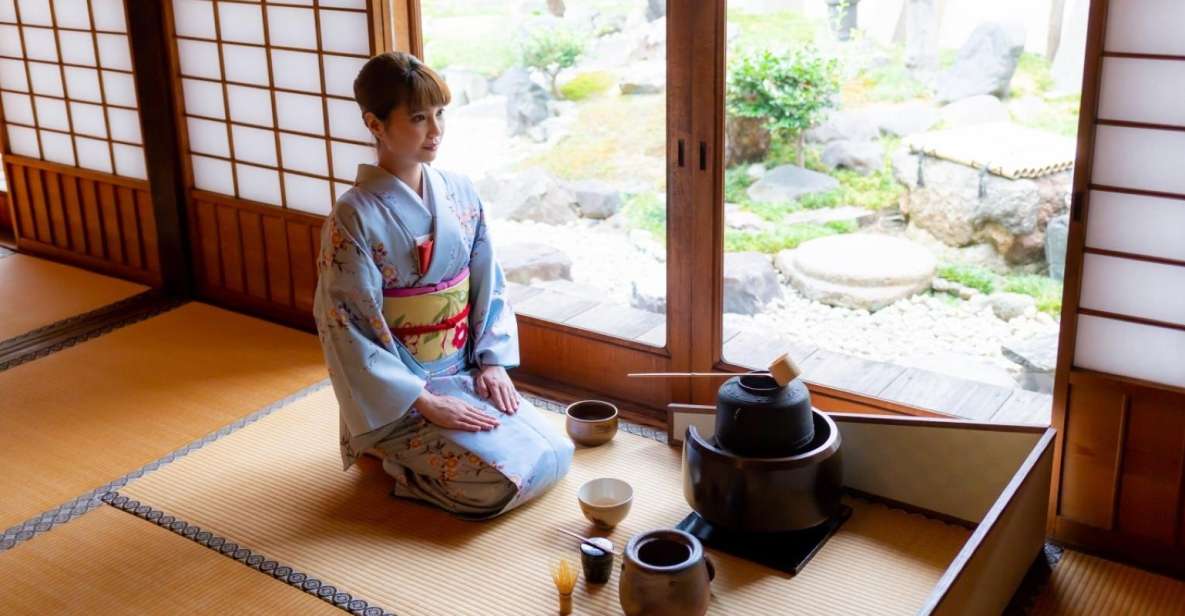
Kyoto can be loud even when you’re trying to keep it quiet. This experience is designed to slow your brain down. You start at Jotoku-ji, move through the grounds at an unhurried pace, then shift into the Grand Tearoom where the whole point is attention and calm.
I like how the experience keeps the focus on tea, not a performance. The tea master leads you through each step, and the guide supports what’s happening so the ritual makes sense instead of feeling like a checklist you just nod at. Even better, it lasts 70 minutes, so you can fit it into a busy day without turning your schedule into a stress test.
The ceremony also works well as a contrast to temples where you just walk, take photos, and move on. Here, you’re part of the process. When people get it right, it’s not about novelty. It’s about learning the why behind the actions, then trying your own cup.
You can also read our reviews of more tours and experiences in Kyoto.
Finding Tea Ceremony Ju-An near the Temple Main Hall
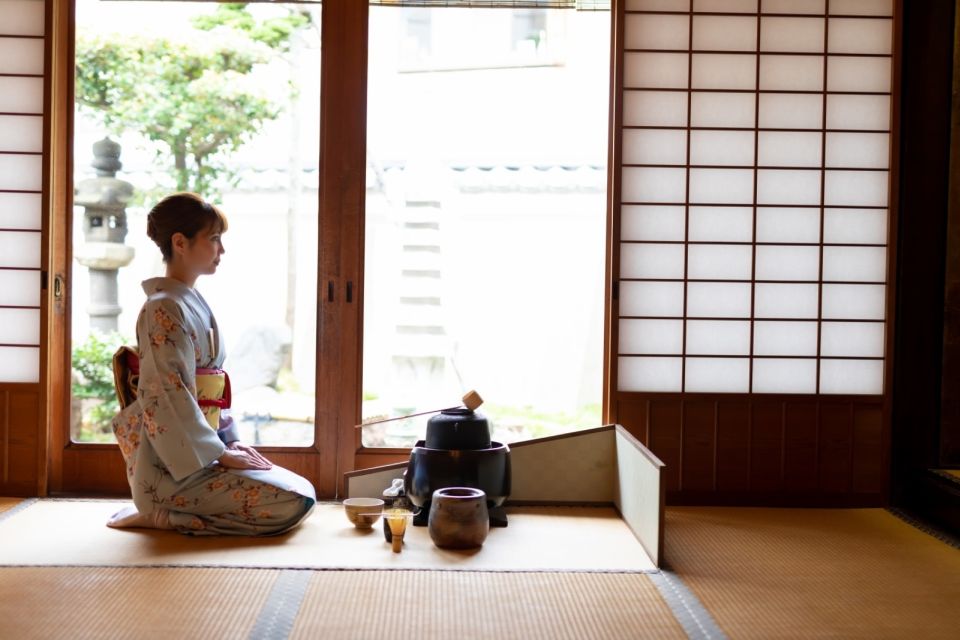
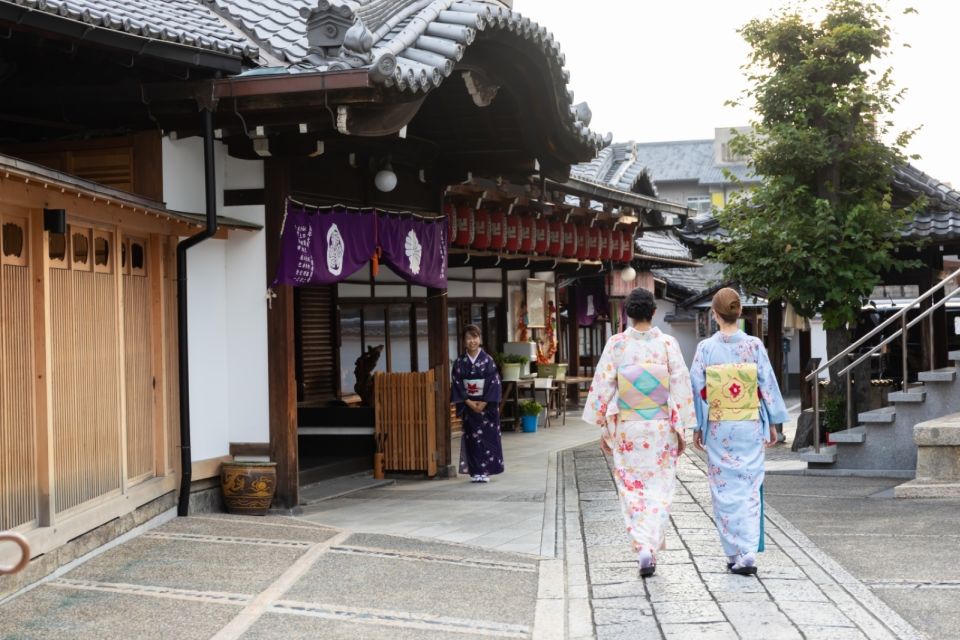
Meeting point details are straightforward, which matters in Kyoto. You meet at Tea Ceremony Juan (556, Gojo-sagaru, Tominokoji Dori, Shimogyo-Ku, Kyoto). Once you’re inside the temple area, you face the Main Hall, and the access route for the tea room is to the left.
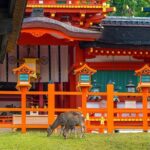
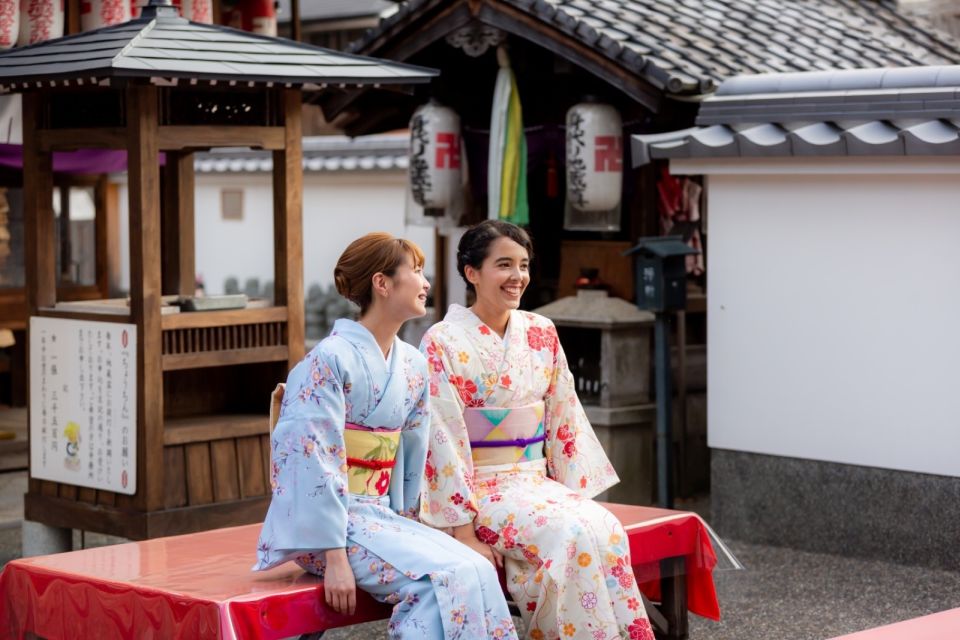
From the entrance, there are a few landmarks to help you orient fast. You’ll pass the entrance to the Grand Tearoom on your left, and there’s also a parish shop nearby. Then you gather at the nearby red benches where the guide waits.
This set-up is practical: it gives you time to arrive, settle your bearings, and notice the temple before instructions start. If you’re the type who likes to get oriented before you jump into something, you’ll appreciate this flow.
If you’re coming from elsewhere in Kyoto, budget a little extra buffer time. Not because the ceremony is hard to reach, but because temple areas can be crowded and confusing if you arrive late.
Temple walk-through: gates, benches, and the purification fountain
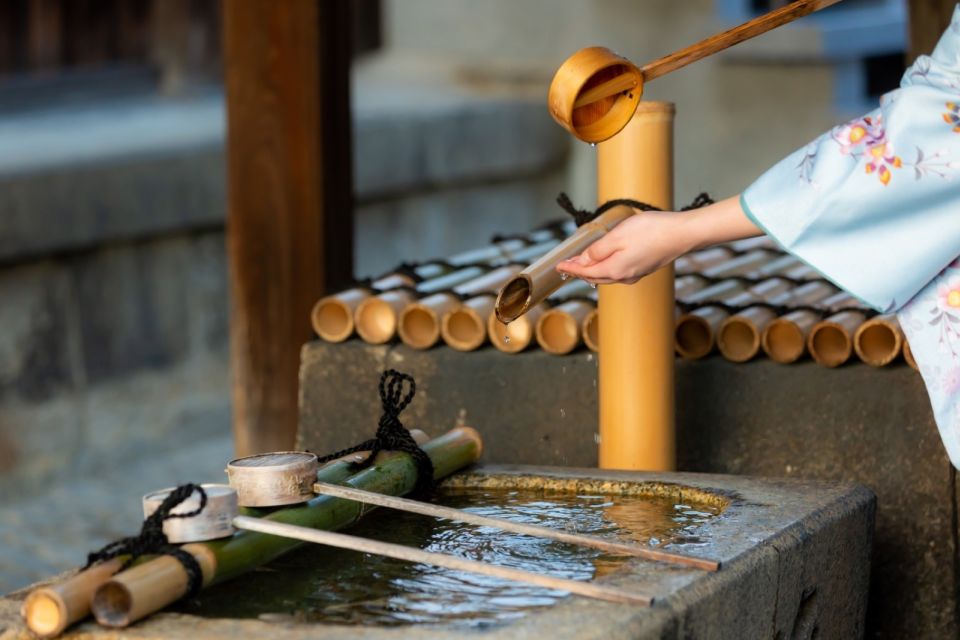
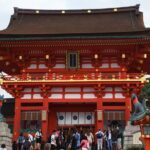
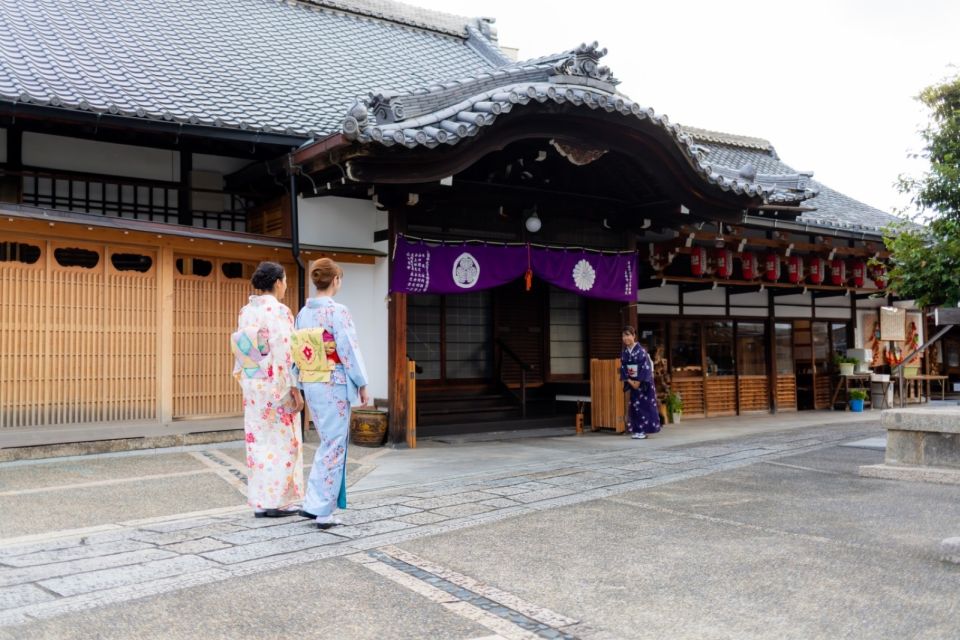
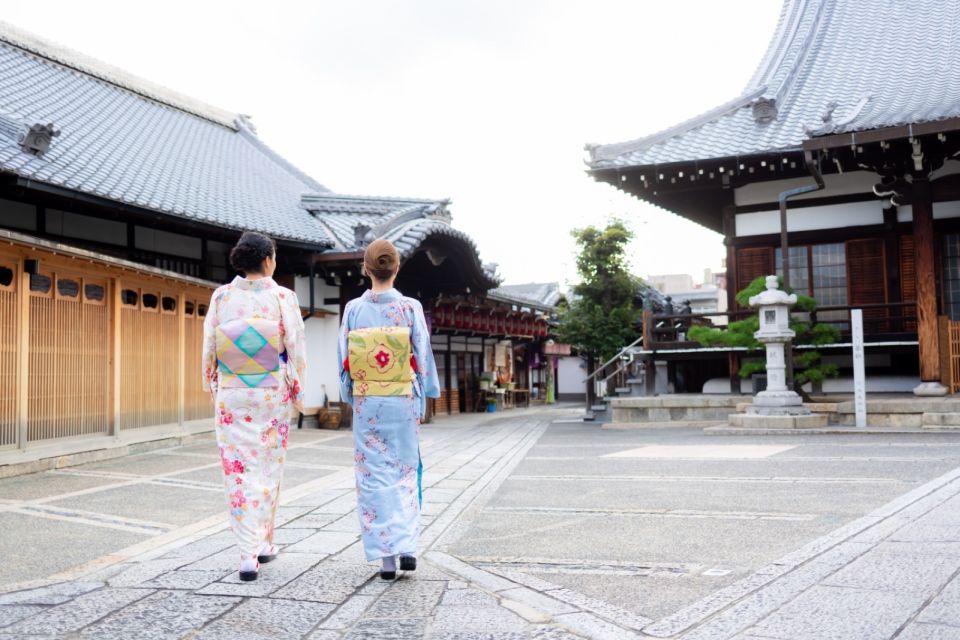
Before tea, you do the temple portion. You enter through the main gates of Jotoku-ji and take a short walk where you can enjoy the site at a slower pace. The tour doesn’t try to cram a full temple tour into the workshop window. Instead, it focuses on a few key stops.
Two moments stand out. First, you’re free to admire the temple’s architecture as you move toward the tearoom. Second, you can stand by the purification fountain. That part matters because it gives context for the ceremony. You’re not just entering a room and learning tea steps out of nowhere—you’re beginning with a ritual that sets the tone.
Weather is also handled thoughtfully. If it’s nice out, you can sit at the red benches for a break. If it rains, you won’t be left stranded in a downpour. You can stand outside under the gable of the shop, or you can wait in the Grand Tearoom until it’s time to start.
This is a small detail, but it makes a big difference. Kyoto weather can flip quickly, and you’ll feel better when you’re not rushing because of wet sleeves and cold air.
Grand Tearoom etiquette: shoes off, floor sitting, and stools
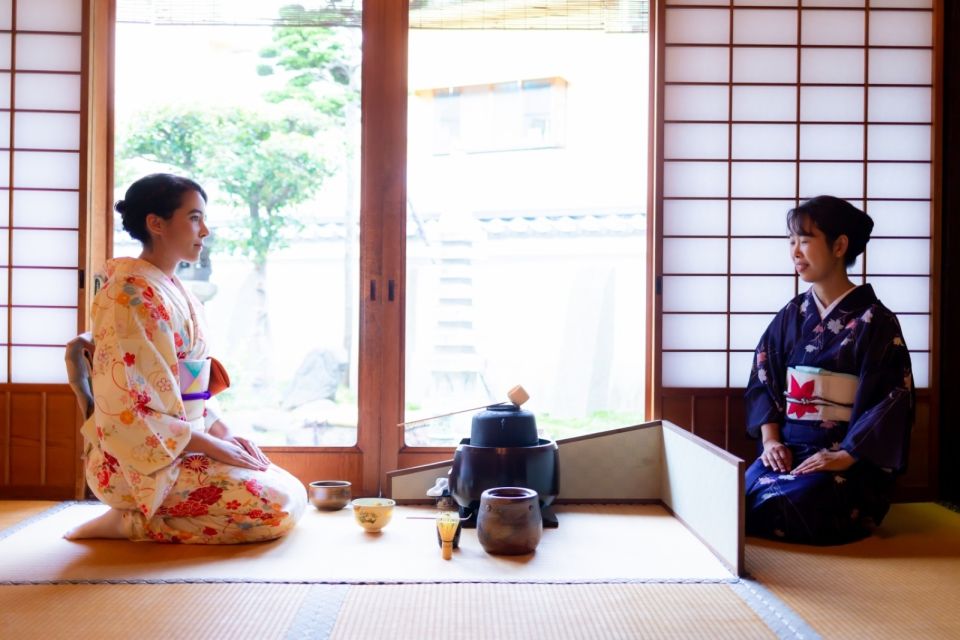
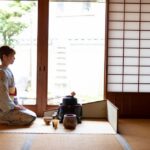
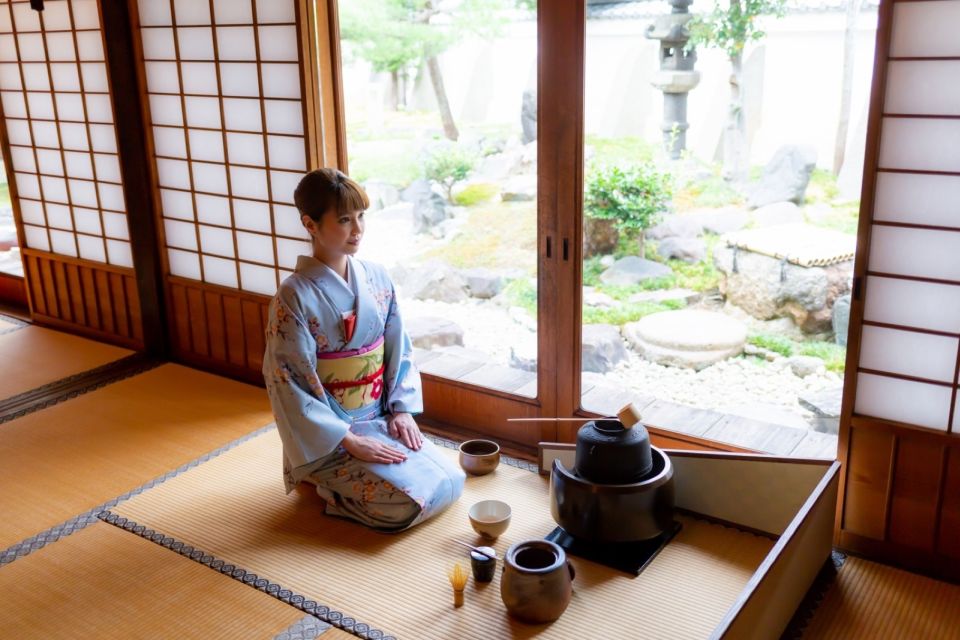
Once you’re ready, you enter the Grand Tearoom. At the tearoom entrance, you remove your shoes. After that, your group proceeds inside to your seats.
The room is built for the traditional sitting position. If you’re comfortable sitting on the floor, you’ll likely sit that way. If not, seats and stools can be provided for those who aren’t comfortable sitting traditionally. That’s a helpful option because it lets you participate without forcing your body to “power through” in a way that can distract you from what you’re learning.
Wheelchair access is the key limitation. The temple itself is wheelchair accessible, but the tearoom is not because there are three steps. If you need wheelchair access to the main seated area, this particular ceremony won’t work as described.
One more practical note: because the tearoom uses traditional space, you’ll want to stay calm and follow instructions closely. People often assume tea ceremony etiquette is only about politeness. It’s also about staying on schedule so the tea master can keep the flow steady for everyone.
Chanoyu workshop: matcha steps you can actually follow
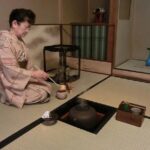
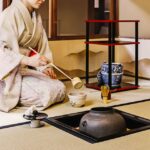
The main event is the Chanoyu workshop ceremony. This is where you sample matcha, and where the tea master guides you through the fine points of preparation and drinking.
Here’s what makes this valuable for first-timers: you’re taught the sequence, not just the outcome. You’ll learn the importance of the ceremony as you go, which means you understand what each gesture is meant to do, and why the process feels deliberate.
You also get the best part for your senses. Matcha isn’t just offered as a sip. You’re shown, explained, and then invited to participate. Multiple experiences in the same session are usually structured around demonstration first, then your turn, so you’re not guessing.
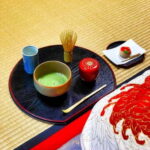
From what’s been described, the tea experience often includes sweets alongside the matcha. That matters because sweetness can change how you perceive the matcha’s flavor. It can also make the workshop feel more complete without turning it into a meal.
If you want a ceremony you can leave understanding, this format is one of the reasons it’s so well liked. A lot of tea ceremony experiences can feel like observation-only. This one is built to get your hands involved, at least for the parts participants can safely do.
What you learn from the guide and tea master (and why it sticks)
In Kyoto, it’s easy to watch something traditional and still leave with vague impressions. This workshop is designed to avoid that.
The guide and tea master guide you step-by-step and explain what’s happening. The English instruction is a big deal. When the explanations are clear, the ritual stops feeling mysterious and starts feeling logical and meaningful. You’re taught the art of drinking matcha and the importance of the ceremony, so you’re not just tasting—you’re learning.
A pattern shows up in people’s feedback: they praise how patiently instructions are delivered, how much time is taken to explain each step, and how welcoming the tea master feels during the practical part. That combination makes it easier to relax and ask questions, too. It’s also why the small group size matters so much. In a group that’s too big, the tea master has to speed up, and you lose the chance to catch details.
If you’re the type who wants to know the story behind the ritual, you’ll appreciate that the workshop includes explanation of the history and culture surrounding matcha and the ceremony itself. Even if you only catch a few key ideas, you’ll have a framework you can use next time you see a tea setup in Japan.
Small-group format: how it changes the pace
This is limited to 10 participants, and that has real impact. In a big class, you can feel like a spectator. Here, the ceremony supports participation. You have time to follow the pace, see what’s happening close up, and get help if you need it.
Another practical advantage: with a smaller group, your guide can manage flow between the temple walk, red benches break, and tearoom entry. That matters on a schedule like this, where you’re timed to start the tearoom portion once everyone is ready.
The session also seems to stay interactive. People often describe leaving feeling zen, but the workshop isn’t only about silence. You’re taught, you’re asked to do things, and you get answers as you go. It’s a nice balance for anyone who wants authenticity without feeling trapped in an overly formal museum-style experience.
If you tend to get impatient waiting for instructions in group settings, this size should help.
Price and value: does $29 for 70 minutes make sense
At $29 per person for about 70 minutes, the question isn’t just cost. It’s what you’re getting for that time.
You’re paying for:
- A guided temple walk-through in the same space as the ceremony
- A purification ritual as part of the start
- A Chanoyu workshop with instruction from an English-speaking guide and a tea master
- Time to taste matcha (and often sweets)
- A chance to do a hands-on part of the ritual under guidance
So you’re not only paying for the tea. You’re paying for the teaching and the setting. The tearoom experience is short enough to fit most Kyoto itineraries, but structured enough that you won’t feel like you blinked and the whole thing ended.
Kimono rental is not included, and meals are not included. That’s normal for a workshop like this, but it means you should plan your day accordingly—especially if you’re visiting around lunch or dinner time.
If you’re trying to choose between a “quick photo tea” and a guided ritual, this sits firmly in the guided, participatory lane. For many visitors, that’s exactly what makes it worth the price.
Weather and timing: what happens if Kyoto turns rainy
Kyoto weather can be unpredictable, and your comfort matters when you’re sitting in quiet spaces. This experience builds in weather options.
If the weather is good, you can sit at the red benches and take in the atmosphere before entering the Grand Tearoom. If it rains, you can wait outside under the gable of the shop, or you can wait in the Grand Tearoom. That way, you’re still positioned near the action rather than wandering until conditions improve.
Timing also matters. The ceremony is 70 minutes, so you’ll want to arrive early enough to gather at the red benches and not feel rushed during transitions. You’ll start the tearoom portion once the group is ready and your instructor is waiting.
Bottom line: rain doesn’t automatically ruin the experience. It changes where you wait, not whether you get the ceremony.
Who should book this Kyoto tea ceremony, and who might skip it
This works best for:
- First-timers who want a clear, step-by-step introduction to matcha and tea ceremony basics
- People who like hands-on learning more than passive watching
- Travelers who want a calmer Kyoto moment that still feels authentic and meaningful
- Anyone who values English instruction and patient guidance
You might consider skipping if:
- You need wheelchair access to the tearoom seating area, since there are three steps into the Grand Tearoom
- You strongly prefer long, multi-hour tea sessions. This is a 70-minute workshop, so it’s more focused than the longest traditional formats.
If you can handle a short seated ritual, you’re in the sweet spot. And if you’re worried about sitting on the floor, stools can be provided, which takes away a lot of the stress.
The tone also seems to fit travelers who want respect, quiet, and the chance to ask questions without feeling pressured.
Should you book this Tea Ceremony Juan at Jotokuji?
If you want one Kyoto activity that feels truly different from temples you walk past, I’d book this. The setting is in the temple itself, you get a purification start, and you learn matcha through a guided workshop instead of only observing. The small group size and English instruction are a big part of the value.
However, check your body and mobility needs first. The temple grounds can work for wheelchair access, but the tearoom has steps. If that’s a dealbreaker, look for another ceremony format that matches your access needs.
If you’re flexible on timing and you want a calm, practical introduction to Chanoyu, this is the kind of Kyoto stop you’ll remember when the rest of the city blurs into checklists.
FAQ
How long is the Kyoto tea ceremony at Jotokuji Temple?
The tea ceremony experience lasts about 70 minutes.
How much does this tea ceremony cost?
It costs $29 per person.
What’s included in the price?
The price includes a tour guide and the Chanoyu workshop ceremony.
Is the instructor available in English?
Yes, the instructor provides instruction in English.
Do I have to remove my shoes?
Yes. You remove your shoes at the entrance of the Grand Tearoom before entering.
Do I just watch, or do I also make matcha?
You can sample matcha, and the tea master guides you through the steps. You also have the chance to prepare your own tea as part of the workshop.
Is kimono included?
No. Kimono can be rented separately.
What if I’m not comfortable sitting on the floor?
Seats and stools can be provided for those who aren’t comfortable sitting on the floor in the traditional position.
Is the tearoom wheelchair accessible?
The temple is wheelchair accessible, but the tearoom is not because there are three steps.
What happens if it rains during the ceremony?
Weather permitting, you sit outside at the red benches. If it rains, you can stand outside under the gable of the shop or wait in the Grand Tearoom until it’s time to begin.