REVIEW · KYOTO
Kyoto: Kimono Rental and Matcha Experience
Book on GetYourGuide →Operated by MK TRAVEL · Bookable on GetYourGuide
Your first kimono day in Kyoto is oddly empowering. You start at Kyoto Station, get dressed with help in plain English, then whisk matcha in a calm tatami room before heading into the classic Kiyomizu lanes.
Two things I especially like: the location is right by Kyoto Station (less stress, more sightseeing), and you get to do the matcha yourself, not just watch. A possible drawback: you’ll be on a schedule—kimono pickup/return times are limited, and you’ll want to plan your walking loop around Kiyomizu-dera.
In This Review
- Key Points Before You Go
- Kyoto Station Start: Finding MK Kimono Rental Mimosa Fast
- Kimono (and Yukata) Fit Check: What’s Actually Included
- Getting Dressed, Then Getting Moving: The Taxi to Kiyomizu
- Inside Ichinenzaka 362 Café: Tatami Tea, Ceremony Watch, Then You Whisk
- The Kiyomizu Area Photo Walk: Wooden Streets in Full Kimono
- Itinerary Flow in Plain Terms: How the Day Actually Feels
- Price and Value: Does $50 Deliver in Kyoto?
- Timing, Hours, and Returns: Avoid the Last-Minute Crunch
- Who This Suits Best (and Who Might Want a Different Plan)
- Should You Book This Kyoto Kimono and Matcha Day?
- FAQ
- FAQ
- Where is the kimono rental shop located?
- What’s included in the kimono set?
- Is English support available?
- Do I only watch the tea ceremony, or do I participate?
- Is transportation included?
- Can I return the kimono at the end of the day?
- What time are the rental and café hours?
- What are the next-day return fees for kimono?
- Is this a private group experience?
- What are the important restrictions?
Key Points Before You Go
- Kyoto Station start point: MK Kimono Rental Mimosa is 1 minute from the Hachijo exit
- Everything included in the outfit: kimono or yukata (seasonal), obi, socks, shoes, bag, and innerwear
- English-speaking guidance: you’re guided throughout the tea and photo-walk, even on your first try
- Hands-on matcha: you watch a short ceremony, then whisk and drink your own bowl
- One-way taxi included: you’re transported from Kyoto Station to the Kiyomizu area to save your legs
Kyoto Station Start: Finding MK Kimono Rental Mimosa Fast
Kyoto has a lot of “where do I go?” moments, especially when you’re tired and hungry. This experience helps by starting you near transit. The kimono shop is in the Kyoto Station area, in front of the Hachijo exit, and the walk from there is said to take about 1 minute. That means you can do the dressing before you commit to a long day of uphill streets.
You’ll also be able to store luggage for free, which is a big deal. Kyoto streets and train stations are not built for dragging around suitcases while you’re in soft-soled shoes.
I also like that the experience is built for first-timers. The staff are English-speaking, and they guide you through the steps so you’re not stuck guessing how to wear layers, tie an obi correctly, or figure out what comes next.
You can also read our reviews of more tours and experiences in Kyoto.
Kimono (and Yukata) Fit Check: What’s Actually Included
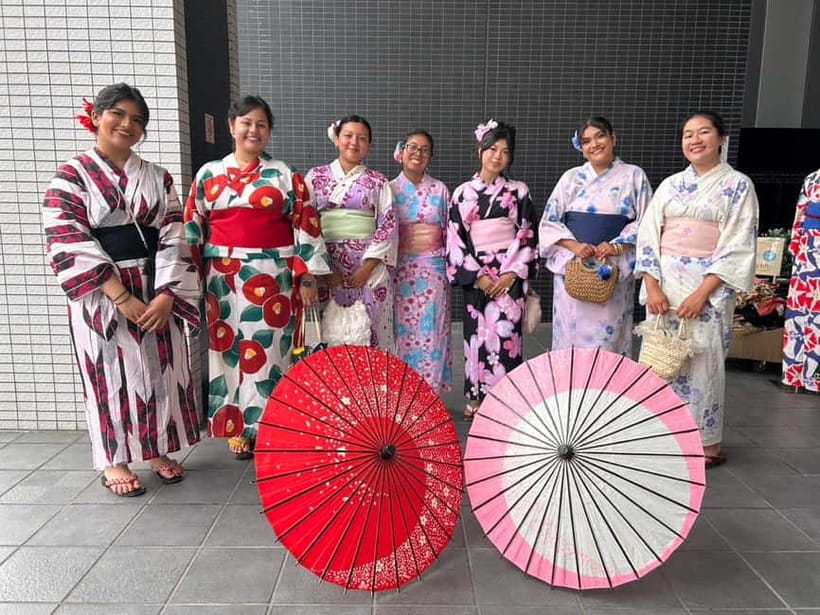
This is one of those Kyoto “do it once, do it right” setups. Your outfit includes the essentials so you don’t have to hunt for extras:
- kimono (or yukata in summer)
- obi belt
- socks, shoes
- a bag
- innerwear
In winter, men also get a haori jacket, which is helpful because Kyoto air can feel sharp when the sun drops.
Here’s the practical value: a good kimono day is about comfort and mobility, not just looking good in photos. You’ll be dressed and ready to move, and you’re not spending extra time or money assembling accessories.
And yes, the grooming details matter. One booking mentioned a beautiful hairstyle for the wife as part of the prep. So if you care about the full look—hair, not just clothing—this is the kind of place that takes that seriously.
Getting Dressed, Then Getting Moving: The Taxi to Kiyomizu
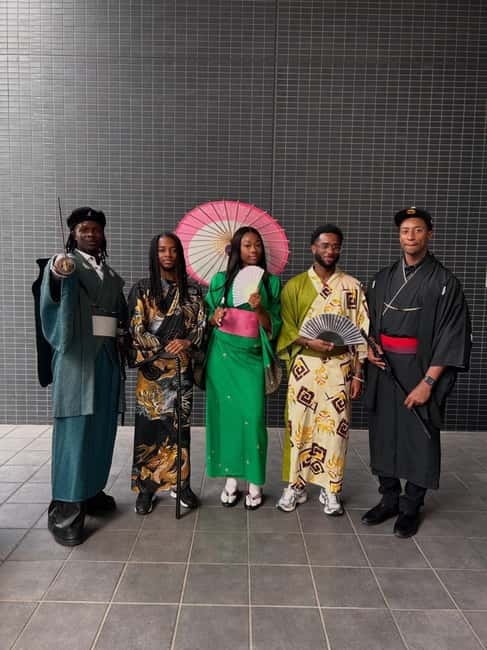
Once you’re dressed, you won’t start with a long stomp across town. A one-way taxi from Kyoto Station to the Kiyomizu area is included. For many people, that’s the difference between a fun outfit day and a sore-feet day.
Kyoto’s famous areas are often reachable by foot, but they can be slow in kimono footwear. The taxi helps you spend more energy on the parts that matter: the matcha experience and the photo-walk.
The move also keeps the day feeling clean and simple. You’ll get dressed, head to the café area, then transition into the stroll when your eyes can actually enjoy the streets instead of focusing on where your feet hurt.
Inside Ichinenzaka 362 Café: Tatami Tea, Ceremony Watch, Then You Whisk
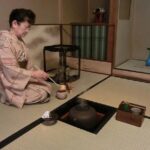
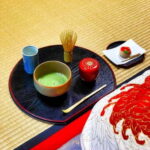
This is the heart of the day: Ichinenzaka 362 Café, near Kodaiji Temple. After the taxi ride, you go into a tatami room in a renovated townhouse setting. You’ll first watch a short tea ceremony, then whisk the matcha yourself.
That hands-on moment is what makes the experience memorable. Anyone can sip tea. Not everyone gets to practice the motions that create frothy matcha. The staff and the flow keep it calm and easy, which matters because tea etiquette can feel intimidating when you don’t know what to do.
You’ll enjoy your own bowl of matcha after whisking. If you’re a coffee person who loves the idea of rituals, this is a good gateway. If you’re already a matcha fan, it still feels fresh because you’re participating, not consuming.
Time-wise, plan on about 30 minutes for the tea portion. That’s enough for the ceremony watch, the whisking practice, and a relaxed sip—without turning the whole day into one long workshop.
The Kiyomizu Area Photo Walk: Wooden Streets in Full Kimono
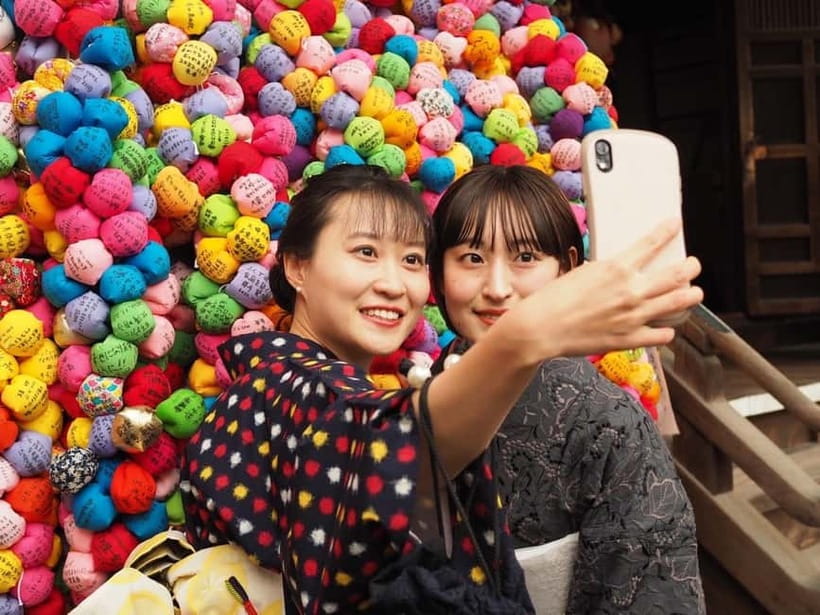
After matcha, you stroll through the traditional streets around Kiyomizu-dera wearing your kimono. This is where the outfit earns its keep. The streets and shops are the kind that look good in regular clothes, sure, but kimono adds scale and mood. The narrow lanes, the traditional shop fronts, and the wooden-house feel all connect into one visual story.
The walk is also your chance to take the photos you actually want. You’re not waiting in a photo line for a scripted shot. You’re moving through the streets at your own pace while the setting does the work for you.
One practical note: kimono shoes are different from regular sneakers. They’re often okay for short walks, but you’ll want to keep your route manageable. Think slow browsing, photo pauses, and not trying to “win” the whole Kiyomizu area before you’re tired.
Also, you’ll be near classic lanes associated with Ichinenzaka. The vibe is traditional and photogenic, and it’s the kind of area where you’ll see lots of textured walls, signage, and wood details that look great in daylight.
Itinerary Flow in Plain Terms: How the Day Actually Feels
The day moves in a straightforward sequence that’s easy to follow, even if you’re new to Kyoto:
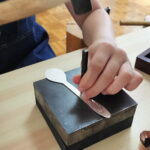
- You start at the shop area near Kyoto Station for an introductory segment (including a calligraphy class).
- You then move into the kimono prep and the matcha portion at 362 Café.
- Afterward, you enjoy time walking around the Kiyomizu area in your kimono.
What I like about the structure is that it keeps the day balanced. You’re not only dressing up and then rushing into photos. You also get a cultural activity (tea, and calligraphy) that gives your outfit day a point beyond aesthetics.
The matcha time is the emotional “slow-down” part. Then the streets are the release. That rhythm works well for most people: you learn something briefly, do a hands-on task, then go enjoy the atmosphere while you’re feeling relaxed.
Price and Value: Does $50 Deliver in Kyoto?
At $50 per person for a one-day experience, the best way to judge value is not just the kimono price tag. Look at what you get for that amount:
- the kimono set (kimono/yukata plus belt, socks, shoes, bag, innerwear)
- English guidance throughout
- matcha experience with you whisking your own bowl
- a one-way taxi from Kyoto Station to the Kiyomizu area
In Kyoto, the hidden costs add up fast. If you try to rent a kimono on your own and separately arrange tea time, transportation, and guidance, you can easily spend more once you factor in convenience. Here, the taxi and the structured tea activity are doing the heavy lifting.
So for many visitors, this is a good deal because it’s built to reduce decision fatigue. You don’t have to figure out which tea room you can get into, how to get there in time, or whether your schedule lines up. You just show up, get dressed, and follow the plan.
Timing, Hours, and Returns: Avoid the Last-Minute Crunch
This is the part that can trip people up, so it’s worth being deliberate.
Kimono rental runs 9:00 am to 6:00 pm. The last check-in is 3:00 pm, and kimono return is due by 5:30 pm. The matcha café runs 10:00 am to 6:00 pm, with the last order at 5:30 pm.
What this means for you: plan your day so you’re not trying to squeeze in one more long stop at the end. If you want extra shopping in the Kiyomizu area, go early enough to still return smoothly.
Also consider next-day returns if you’re extending your stay. If you return the kimono the next day:
- 9:00 am to 10:00 am costs +1,100 yen
- 10:00 am to 6:00 pm costs +2,200 yen
And you have two return options: you can change and return at the same location where you enjoyed the matcha, or you can go back to Kyoto Station (transport back is not included in the price).
Who This Suits Best (and Who Might Want a Different Plan)
This experience is a great fit if you want a classic Kyoto day with structure. It’s especially appealing for:
- first-time Kyoto visitors who want an easy, English-guided kimono day
- people who like hands-on cultural activities (whisking matcha beats watching from the sidelines)
- photo lovers who want a reason to roam the streets in kimono without planning every detail
It’s not a fit for everyone. The experience is not suitable for:
- pregnant women
- people over 95 years
- anyone traveling with pets
- situations involving alcohol and drugs (not allowed)
If you’re bringing a fragile schedule, you’ll appreciate the clear time window, but you still need to respect the return deadlines.
The private group aspect is another plus. You can move at a comfortable pace rather than getting swept along like a numbered stop on a checklist.
Should You Book This Kyoto Kimono and Matcha Day?
Book it if you want an outfit day that has real substance, not just costumes. You get kimono dressing help, a hands-on matcha moment, and a guided entry into Kiyomizu’s streets with transportation that saves your energy.
Skip it if you’re the type who hates time windows. The day is timed to fit within rental and café hours, and kimono return deadlines mean you’ll need a plan for your finish.
If you want a memorable Kyoto experience with practical logistics—start near Kyoto Station, ride by taxi to the right area, then enjoy the traditional streets in style—this one is hard to beat for the price.
FAQ
FAQ
Where is the kimono rental shop located?
The kimono rental shop (MK Kimono Rental Mimosa) is near Kyoto Station, in front of the Hachijo exit.
What’s included in the kimono set?
It includes the kimono (or yukata in summer), obi belt, socks, shoes, bag, and innerwear. Men also receive a haori jacket in winter.
Is English support available?
Yes. The instructor and staff are English-speaking, and they guide you throughout the experience.
Do I only watch the tea ceremony, or do I participate?
You watch a short tea ceremony, then you whisk your own matcha and enjoy the bowl you make.
Is transportation included?
You get a one-way taxi from Kyoto Station to the Kiyomizu area included in the price. Transportation after the experience is not included.
Can I return the kimono at the end of the day?
Yes. You can change and return at the same location where you enjoyed the matcha, or you can return at Kyoto Station (transport to the station is not included).
What time are the rental and café hours?
Kimono rental is 9:00 am to 6:00 pm (last check-in 3:00 pm, return by 5:30 pm). The matcha café is 10:00 am to 6:00 pm (last order 5:30 pm).
What are the next-day return fees for kimono?
Next-day returns cost +1,100 yen if returned from 9:00 am to 10:00 am, and +2,200 yen if returned from 10:00 am to 6:00 pm.
Is this a private group experience?
Yes, it’s listed as a private group experience.
What are the important restrictions?
Pets are not allowed, and alcohol and drugs are not allowed. It’s also not suitable for pregnant women and people over 95 years.