REVIEW · KYOTO
Kyoto: Quiet and Graceful Tea Ceremony
Book on Viator →Operated by Omotenashi tea ceremony 南茶道教室 · Bookable on Viator
Kyoto does quiet really well, and this tea ceremony delivers. You get a guided lesson on authentic matcha preparation plus traditional seasonal sweets, all led by a tea master in a private, elegant setting. The catch to consider: it’s not a dressed-up, photo-friendly performance, and there’s no kimono rental.
What I like most is how the pacing favors attention over spectacle—the host’s movements are deliberate, and etiquette is explained clearly (including how to enter and sit). Another win is value for the experience you get: for a little under an hour, you’re not just watching—you’re tasting and learning in a maximum of 8 people format.
If you’re hoping for a fancy show, or a lot of time for photos, this may feel a bit plain. Also, the setting can run cold in chilly months, so plan for comfort.
In This Review
- Key Things That Make This Tea Ceremony Worth Your Time
- A Quiet Tea Room in Kyoto: What the Experience Really Feels Like
- Who this is best for
- The 45-Minute Flow: What Happens During Your Ceremony
- 1) Meeting and entering the space
- 2) The host’s lesson: matcha, tools, and timing
- 3) Mixing and tasting: you’re not just an observer
- 4) Sweets first, then tea (and why that order matters)
- 5) Q&A time for questions
- Price and Value: Is $56.49 Worth It?
- A note on “fancy vs authentic”
- The Biggest “Pay Attention” Tips Before You Go
- Plan for limited photos (and no photos during the ceremony)
- Dress for comfort in a cool room
- Arrive on time (early arrivals can break the calm)
- Etiquette and Participation: What You’re Expected to Do
- Matcha Quality and the Seasonal Sweets Pairing
- Service Style: Calm, Personal, and Small-Group Friendly
- Location and Getting There Without Stress
- Should You Book This Kyoto Tea Ceremony?
- FAQ
- How long is the Kyoto tea ceremony?
- What is the price per person?
- How many people are in the group?
- Where is the meeting point?
- Is tea and snacks included?
- Is kimono rental included?
- Are photos allowed during the ceremony?
- Do I need to bring a paper ticket?
- Is public transportation nearby?
- Is free cancellation available?
Key Things That Make This Tea Ceremony Worth Your Time
- Tea master instruction you can follow, not a talk while you wait in line
- Premium matcha and seasonal sweets included, so you actually taste the ritual
- Small group size (max 8) keeps the room calm and personal
- A private tea-house style space, often described as quiet and graceful
- No kimono rental, and photography is limited during the ceremony
A Quiet Tea Room in Kyoto: What the Experience Really Feels Like
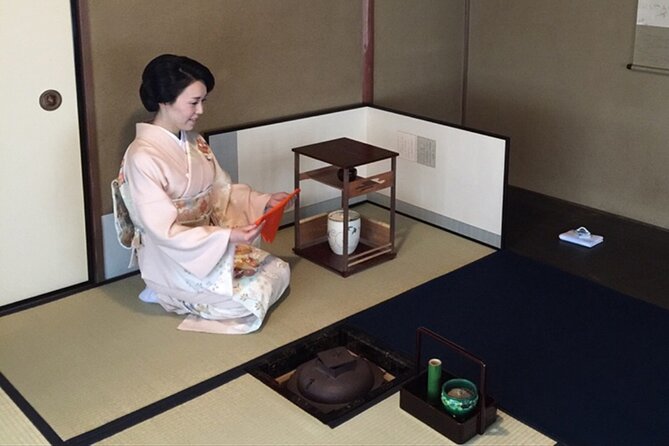
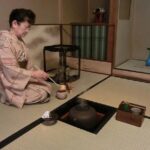
Kyoto tea culture is famous for being controlled, precise, and respectful. This experience leans into that. You’ll be guided through the tea-making steps in a tranquil space where attention matters—voice levels, timing, and even movement are part of the lesson.
Think of it like a reset button. The best moments aren’t the big “tea trick” parts; they’re the small ones: how the utensils are handled, how the host keeps the rhythm, and how you learn what to look for in the final bowl. One guest highlighted how watching every choreographed movement created a mindful calm. That vibe matches the intent of the place.
You can also read our reviews of more tours and experiences in Kyoto.

Who this is best for
This works especially well if you want something that feels Kyoto, not a busy highlight stop. It’s also a nice fit for couples and for people who prefer calmer cultural activities in the evening or late morning. Families can work too—one review mentioned a host providing Oreos if kids didn’t like the sweets, which tells you they’re paying attention to different tastes.
The 45-Minute Flow: What Happens During Your Ceremony
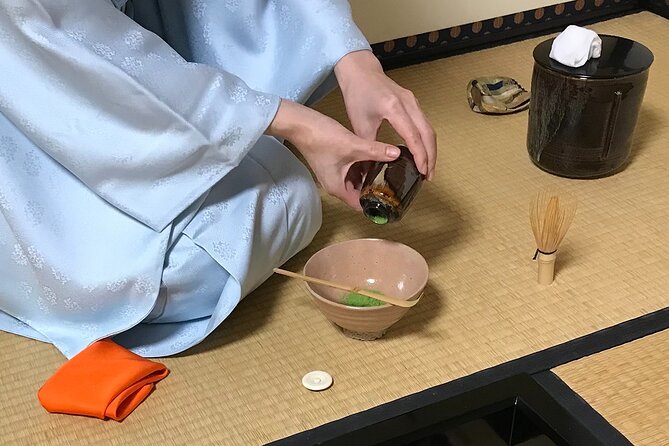
The whole experience runs about 45 minutes. There isn’t time for a long museum-style lecture, so expect a focused sequence: arrive, learn the basics, participate, then enjoy.
1) Meeting and entering the space
You’ll meet at 南総合会計事務所 450-1 Sanbongichō, Nakagyo Ward, Kyoto, 604-0871. From there, the experience is in a private, dedicated tea setting (not a restaurant dining area). Reviews describe it as the host’s home-style tea room, with a tatami feel.
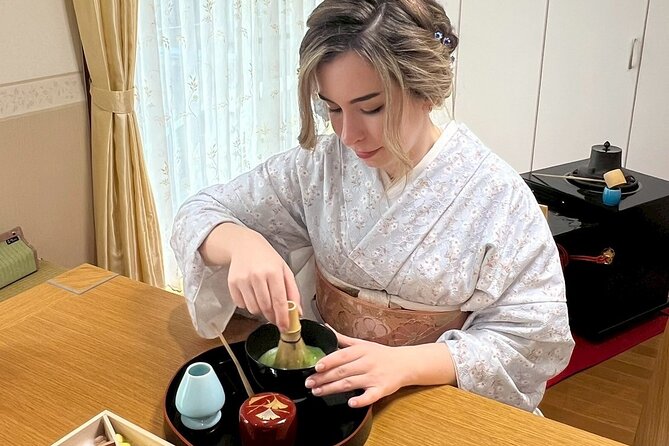
You’ll get etiquette guidance for entering and sitting properly. That matters because Japanese tea is as much about respectful behavior as it is about matcha. If you’re a first-timer, this is a big help—you’ll know what to do, when to do it, and how not to accidentally “break the spell.”
2) The host’s lesson: matcha, tools, and timing
A tea master walks you through how matcha is prepared. The focus is on the precise steps, not just the story. You’ll learn what each motion is for and what the host is aiming for with the texture and flavor.
One review specifically praised the host’s English explanations and how comfortable the group felt, even for beginners. Another described a patient, thoughtful teacher who made the lesson relaxed rather than intimidating. That tells you the style here isn’t “silent and stare.” You get enough explanation to understand what’s happening.
If your host is Mai (she’s named in multiple comments), expect very clear guidance. Reviews call out her grace, warm hospitality, and the way she answers questions.
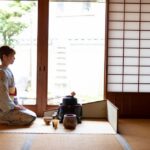
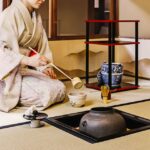
3) Mixing and tasting: you’re not just an observer
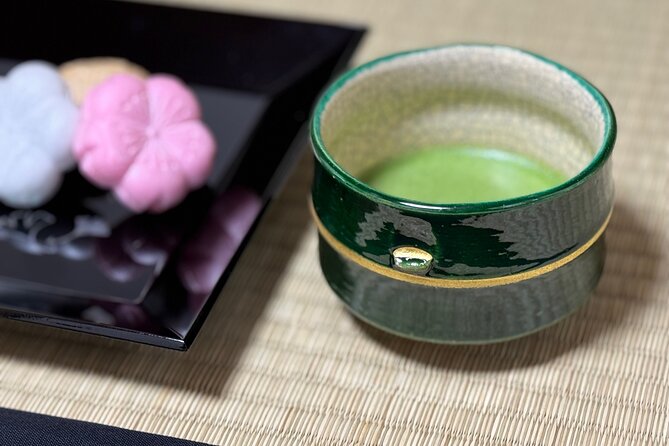
You’ll enjoy premium matcha and traditional Japanese sweets included with the ceremony. And yes—you’ll typically get to participate in preparing the tea yourselves, not just watch a demonstration. One of the most common takeaways was how fun it is to make your own matcha after the explanation.
This is a key value point. If your travel style is hands-on, this is the kind of cultural activity that doesn’t require you to be an expert. You follow the steps, you taste the result, and the ritual clicks faster than it would from reading or watching online.
4) Sweets first, then tea (and why that order matters)
Seasonal sweets are part of the pairing. The host will guide you through tasting in a way that feels paced and intentional. In many tea moments, the sweets aren’t just dessert—they help shift your palate so the matcha tastes clearer and more balanced afterward.
Reviews repeatedly mention sweets and matcha being delicious. One family-friendly detail: if someone doesn’t care for the sweet, the host may offer an alternative (Oreos were mentioned). That’s not “tea tradition cosplay.” It’s practical hospitality.
5) Q&A time for questions
There’s usually room for questions. At least one review highlighted an enlightening Q&A session. If you want to understand the why behind the movements—why certain gestures look the way they do, or what the host is watching for—this is where you can ask.
Price and Value: Is $56.49 Worth It?
At $56.49 per person for about 45 minutes, the price is fair when you look at what you’re actually buying:
- Instruction by a tea master (not a generic host reading from a script)
- Premium matcha plus traditional seasonal sweets
- Small group size (maximum 8), which keeps the experience quiet and personal
- Hands-on preparation, so you’re participating
What this price does not include: kimono rental. Some tea experiences cost a bit more and add costumes and extra photo angles. Here, the focus stays on the ritual itself. That can feel like great value if you care about authenticity and learning. If you mainly want Instagram-friendly extras, the lack of kimono and limited photography might sting.
A note on “fancy vs authentic”
One review felt it was slightly rushed and not fancy—like being in someone’s house (which, for some people, is the point). If you’re expecting a polished stage performance, it may not hit that level. If you like quiet, respectful culture where the room stays calm, it will likely feel right.
The Biggest “Pay Attention” Tips Before You Go
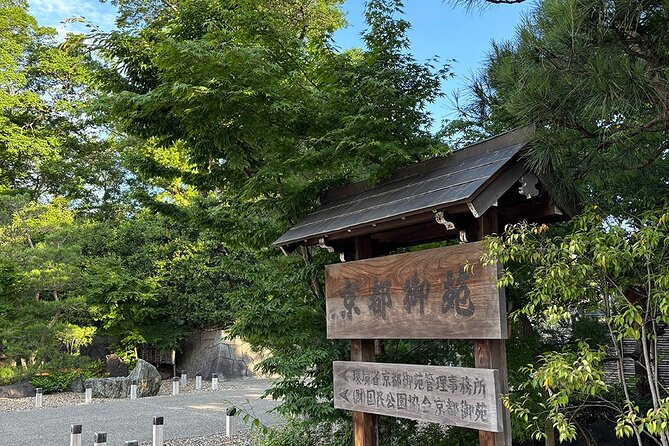
This is the part that saves your mood.
Plan for limited photos (and no photos during the ceremony)
Photography is restricted. Reviews indicate no photos or videos during the tea performance and that you can take photos before and after. If you want a lot of ceremony shots, you’ll have to accept that you’re mainly there to participate and watch quietly.
Dress for comfort in a cool room
One comment mentioned the house staying very cold in November. The fix is simple: wear layers or something warm enough that you can sit comfortably for the duration without getting distracted.
Arrive on time (early arrivals can break the calm)
A review mentioned a moment of interruption due to people arriving too early. That can happen anywhere, but the lesson is clear: be punctual so the room can stay in its rhythm.
Etiquette and Participation: What You’re Expected to Do
Even if you’ve never done a tea ceremony, you’re not left to guess. You’ll get guidance for entering and sitting, and the host will explain the steps as the ceremony proceeds.
Here’s what to keep in mind as you participate:
- Watch the host’s pacing. Tea is timing-sensitive.
- Follow the instructions rather than copying from memory.
- Treat the utensils with care. The ritual is about respect.
The good news: the host style is described as patient and comfortable. Reviews mention hosts who make you at ease, including for first-time visitors.
Matcha Quality and the Seasonal Sweets Pairing
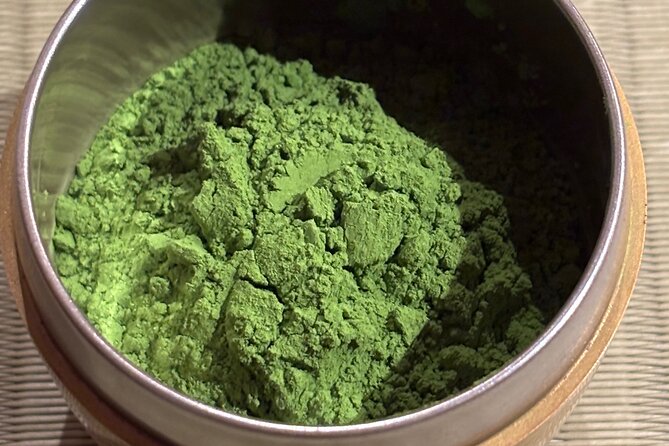
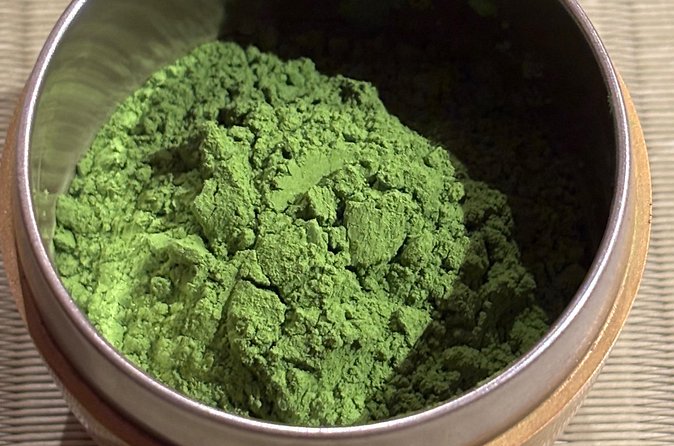
This tea ceremony centers on flavor you can actually detect. You’ll be served premium matcha sourced from Kyoto’s finest producers (as described by the experience), and you’ll have traditional seasonal sweets as accompaniment.
Why this matters: matcha isn’t one-size-fits-all. Quality and preparation style change the taste and texture. A well-run ceremony helps you notice that difference.
If you’re a matcha fan already, you’re likely to enjoy the step-by-step method because it explains what you’re tasting. If you’re new, you’ll leave with a better sense of why matcha varies and how technique affects it.
Service Style: Calm, Personal, and Small-Group Friendly
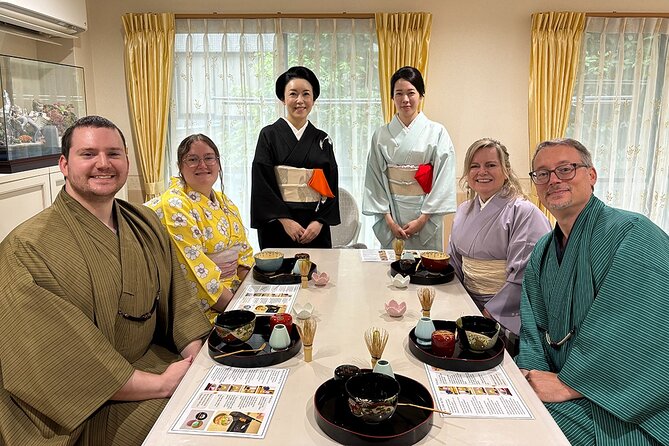
This isn’t a “walk through a checklist” activity. The room feels designed for quiet interaction. With a maximum of 8 travelers, you get room for questions and a slower experience that doesn’t feel shoved into a schedule.
English support is mentioned in reviews, including one that praised a host named Mai for speaking beautiful English and explaining everything clearly. That’s a comfort factor if your Japanese isn’t strong. And even if you’re not fluent, the demonstration plus basic guidance typically makes it understandable.
Location and Getting There Without Stress
The meeting point is in Nakagyo Ward, at 南総合会計事務所 450-1 Sanbongichō. It’s described as near public transportation, so you shouldn’t need a car or a long taxi ride.
If you’re planning it around other Kyoto sights, choose a time when you can arrive calm, not rushed. Tea ceremonies punish stress—not because anyone is mean, but because the whole ritual depends on stillness.
Should You Book This Kyoto Tea Ceremony?
Book it if you want:
- A quiet, traditional matcha experience in Kyoto
- A small-group setting where you can ask questions
- Hands-on learning plus tea and sweets included
- A calmer alternative to crowded tourist tea stops
Skip it (or adjust expectations) if you:
- Want kimono rental as part of the experience
- Expect lots of photos and video during the ceremony
- Prefer a more theatrical, fancy “show” format
- Get uncomfortable in cooler indoor spaces—plan layers
For most visitors seeking something authentic and thoughtfully paced, this is a strong use of time in Kyoto. It’s short, focused, and designed to slow you down rather than entertain you loudly.
FAQ
How long is the Kyoto tea ceremony?
It runs for about 45 minutes.
What is the price per person?
The price is $56.49 per person.
How many people are in the group?
The ceremony has a maximum of 8 travelers.
Where is the meeting point?
You meet at 南総合会計事務所450-1 Sanbongichō, Nakagyo Ward, Kyoto, 604-0871, Japan.
Is tea and snacks included?
Yes. Tea and snacks are included, along with traditional Japanese sweets.
Is kimono rental included?
No, kimono rental is not included in this tea ceremony.
Are photos allowed during the ceremony?
Photos and videos are not allowed during the tea performance. You can take photos before and after.
Do I need to bring a paper ticket?
No, it’s listed as a mobile ticket.
Is public transportation nearby?
Yes, it’s near public transportation.
Is free cancellation available?
Yes. You can cancel for a full refund if you cancel at least 24 hours in advance.