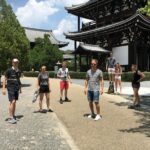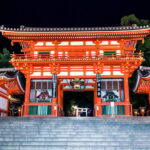
Kyoto by bike makes the city feel twice as close. This small-group e-bike tour turns north-east Kyoto into an easy, conversational ride with Aska, a guide who has lived in North Carolina and London. I love the mix of riding time and real stops, not just temple photo ops, and I especially like how the route avoids the busiest places so you can chat and chill as you go. One thing to consider: you need to be comfortable riding a bike in a city, even with e-bike help.
You’ll start around Gojo, pick up an e-bike and helmet, then cruise toward Ginkaku-ji and along the Kamogawa River. I like that it includes time for wandering a nearby shopping street and grabbing casual treats like coffee and matcha crepes. The one possible drawback is weather and bike-fit: if it’s raining, the tour will use raincoats or reschedule, and some routes include moderately trafficked roads where confidence matters.
In the end, you roll back at the rental shop with a solid sense of Kyoto’s quieter side—plus at least one new Japanese friend from the guide’s approach. You’ll also hear about Japanese culture from Aska’s international background, and you get a route that’s paced for comfort rather than speed. If you’re looking for a fully car-free fantasy or zero-cycling experience, this isn’t that.
In This Review
- Key Things I Found Most Worth Your Time
- Why Kyoto Feels Easier on an E-Bike
- Meeting at Gojo and Getting Set Up Fast
- First Stop: Ginkaku-ji and the Shopping-Street Break
- Kamogawa River Ride: Stepping Stones and That Calm Kyoto Feeling
- Philosopher’s Path to Nanzen-ji: The Route Turns Scenic
- Heian Jingu Shrine Finish: A Peaceful Wrap-Up
- Aska the Guide: Why Her Background Changes the Tour
- Price and What You’re Actually Paying For
- Pace, Traffic, and Safety: The Real-World Consideration
- Who This Tour Suits Best (and Who Should Skip It)
- What About Rain?
- Should You Book This Kyoto E-Bike Tour?
- FAQ
- How long is the Kyoto e-bike tour?
- Where do I meet the guide?
- What sights are included?
- Do I need previous biking experience?
- What’s included in the price?
- What happens if it rains?
Key Things I Found Most Worth Your Time
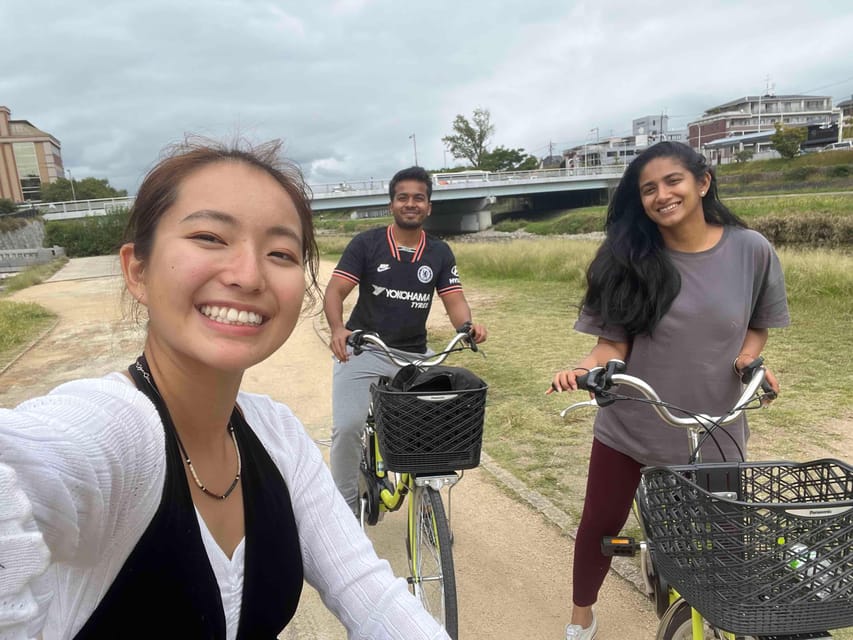
- Aska’s international perspective: lived in North Carolina and London, and shares Japanese culture while learning from your questions
- Less-crowded routing: you skip the biggest crush so conversation and pacing stay relaxed
- Kamogawa River stepping-stone moment: a fun break that makes the ride feel local, not touristy
- Classic Kyoto sights, but stitched together well: Ginkaku-ji, Philosopher’s Path, Nanzen-ji, Heian Jingu Shrine
- E-bike makes hills feel doable: you can pedal lightly and still keep up
- Small group (max 8): easier for the guide to match your pace and answer questions
Why Kyoto Feels Easier on an E-Bike
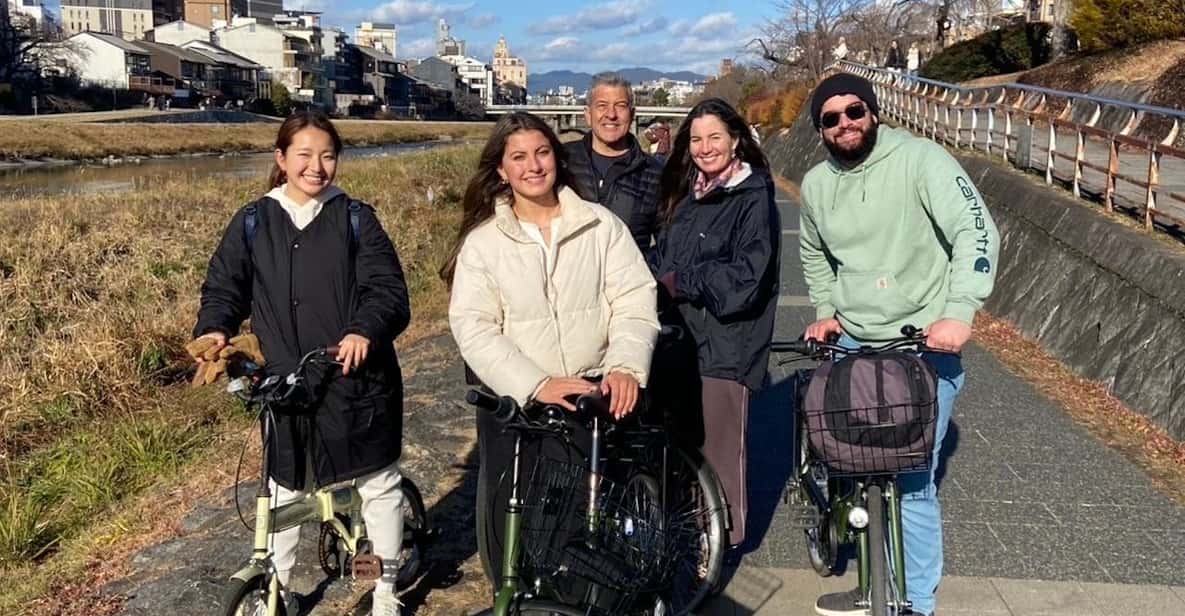
Kyoto is beautiful, but it can be tiring in a very specific way: distances add up fast, and walking between sights often turns into a shuffle through crowds. On this tour, the e-bike changes the rhythm. You’re not just seeing temples—you’re also moving like a local, with short rides that connect scenes instead of forcing long walks.
The e-bike also matters because Kyoto has gentle slopes and stretches where your legs would otherwise take over the trip. With the motor assistance, you can ride at a comfortable effort level while still doing the small pedaling that keeps you in control. Reviews consistently note that the bikes make things easy even with uphill sections, which is exactly what you want if you’re sightseeing for a few hours but don’t want a full cardio mission.
You can also read our reviews of more cycling tours in Kyoto
Meeting at Gojo and Getting Set Up Fast
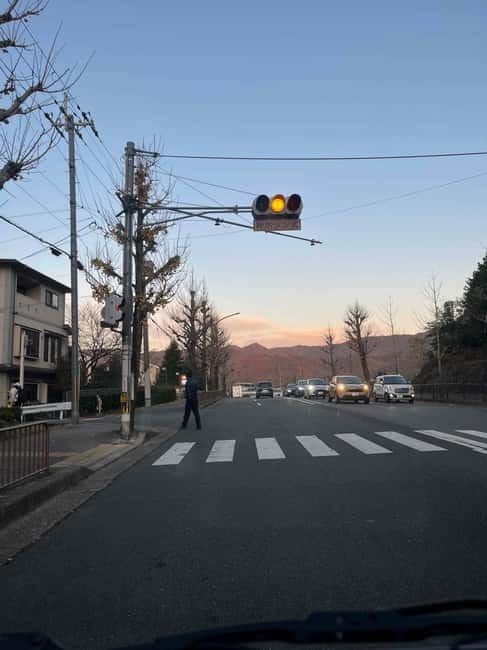
Your tour meets at a rental cycling shop in the Gojo area. It’s convenient to reach: about 6 minutes from Kyoto Station by train, plus roughly 20 minutes on foot to the shop. That matters because you can plan your day without locking yourself into an early hotel pickup.
After you meet, you get the key equipment—electric bike and helmet—and you should feel ready to go before the sightseeing starts. A good sign here is that the tour is designed for smooth movement rather than frantic rushing: you’ll bike off to the first major stop, then keep a steady flow through the route.
Important for your planning: the tour doesn’t include water or food, and you’re also not getting hotel pickup or drop-off. So I recommend you treat this like a morning-or-afternoon outing that needs a quick snack strategy. Wear comfortable clothes and shoes, and keep luggage minimal—no oversize bags or large luggage.
First Stop: Ginkaku-ji and the Shopping-Street Break
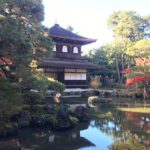
You’ll head first to Ginkaku-ji (Ginkaku Temple). This is a smart starting point because it gives you a strong Kyoto anchor early, before the route warms up and you start adding smaller rhythm breaks.
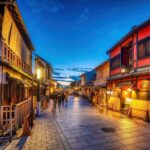
Ginkaku-ji is paired with an experience that feels very Kyoto: after you visit, you get a window of free time on a nearby shopping street. This is where the tour becomes more than a route—it becomes a chance to browse at an easy pace. You can pick up souvenirs, and the guide-time pacing leaves space for simple pleasures like coffee and matcha crepes.
What I like about this stop structure is that it doesn’t trap you. You’re not forced to stay stuck in one place for too long, and you’re also not rushed through. The result is a better overall tour feeling: ride, see, snack, reset, then continue.
One small practical consideration: shopping streets can get busy at peak times, so treat that free time as part hangout, part quick wandering. If you prefer wide-open quiet, you’ll still find calmer stretches later on the route.
Kamogawa River Ride: Stepping Stones and That Calm Kyoto Feeling
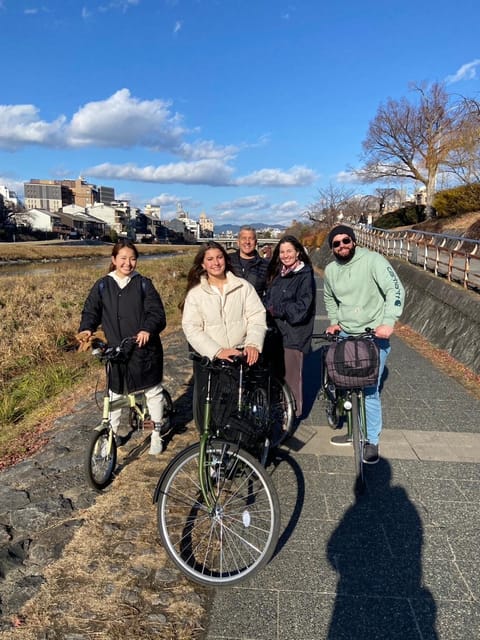
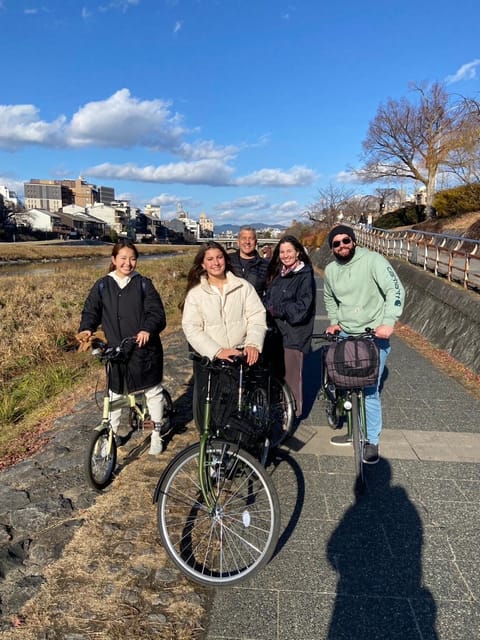
One of the most memorable parts is what happens on the way to Ginkaku-ji and beyond: you bike by the Kamogawa River, including a chance to cross by jumping on the stones. This is not just a gimmick stop. It’s a break in tempo that makes the ride feel playfully local and visually pretty.
Riding along a river changes how you experience Kyoto. Instead of constantly scanning for entrances, signage, and crowd flow, you’re watching scenery slide by—water, greenery, and everyday neighborhoods. That kind of movement helps the temples feel less like checkpoints and more like chapters in a story.
There’s also a safety reality to mention. Some segments include pedestrians and city cycling conditions. Reviews highlight that you should be a confident cyclist—especially if you tend to wobble or second-guess your balance. The e-bike helps, but it won’t replace basic bike control.
Philosopher’s Path to Nanzen-ji: The Route Turns Scenic
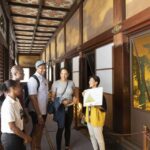
After Ginkaku-ji, you bike onto the Philosopher’s Path, then continue toward Nanzen-ji. Philosopher’s Path is a classic Kyoto corridor, and the reason it works on a bike tour is simple: you can actually experience its flow without treating it like a stop-and-stare stamp.
Then comes Nanzen-ji, and the tour aims for the payoff: you get to enjoy the big views from the temple area. Reviews describe the day as well paced, with a comfortable rhythm between cycling and time on foot. That pacing matters more than you’d think. If a tour compresses everything, you spend half your energy looking at your watch. Here, the structure is designed so you can actually take in the place.
Also, Nanzen-ji is known for features around the complex that can include an aqueduct area, and at least some groups catch that as part of the experience. Even if the exact sight highlight varies with the route moment, the stop still delivers a distinct sense of scale and atmosphere.
You can also read our reviews of more guided tours in Kyoto

Heian Jingu Shrine Finish: A Peaceful Wrap-Up
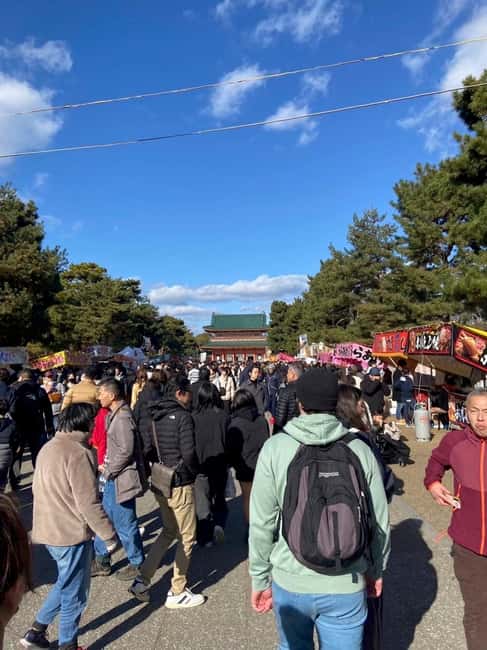
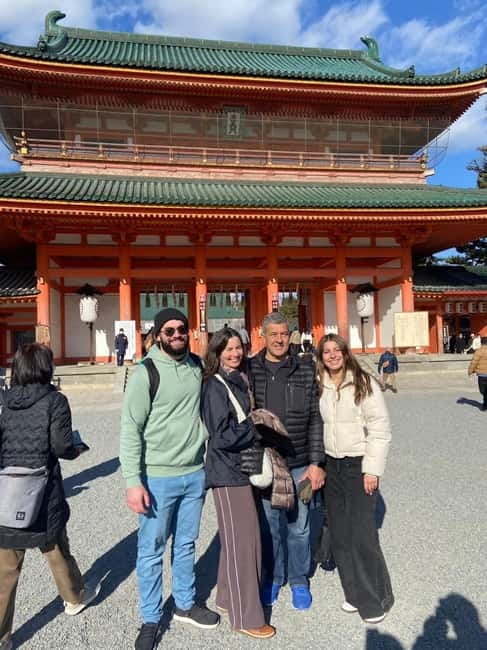
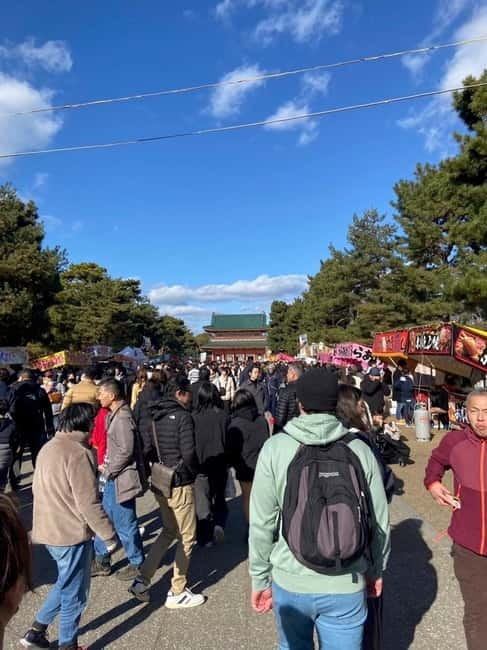
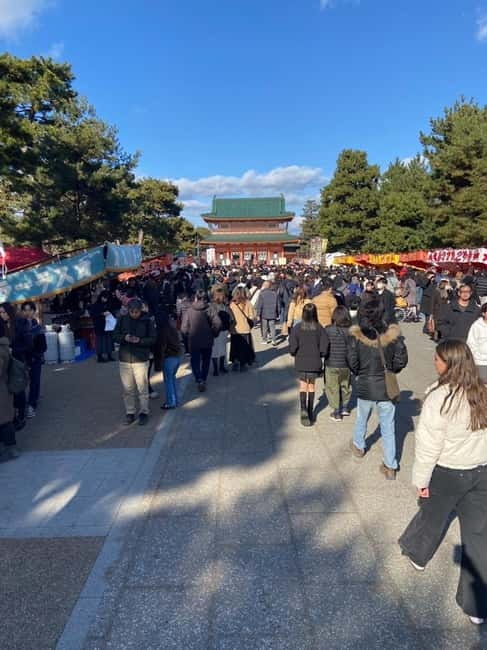
The final temple stop is Heian Jingu Shrine. Ending here is a good choice because it shifts the energy from the heavier temple-structure moments into something lighter and ceremonial. By the time you arrive, you’ve already gotten the big visual hits, plus the calmer river segments and path riding.
This is also a moment where the guide’s tone matters. A relaxed, patient guide makes the final leg feel like part of the journey rather than a checklist item. Reviews repeatedly mention how guides—especially Aska—are friendly, flexible with time, and careful about keeping the group together.
When the tour ends, you return to the rental bike shop. If you want to keep exploring on your own, the provider can arrange continued rental if you let them know. That’s one of those small extras that makes the whole outing feel like it gives you momentum, not just a fixed schedule.
Aska the Guide: Why Her Background Changes the Tour
The guide is a core part of the value here, not just a nice bonus. This tour is led by Aska, who has lived in North Carolina and London as a student. She studied Sociology and International Relations, and she’s interested in social problems like global warming and poverty. You’ll feel that through the way she talks: more curiosity, less lecture.
She also enjoys meeting people from different backgrounds and sharing Japanese culture while learning from your questions. That’s why many people walk away not only with photos, but with an easy human connection. The tour also mentions that sometimes the guide can be a different Japanese young person, but the key is that they’re friendly and have lived abroad too.
A practical tip: ask real questions. This tour format works best when you treat it like a conversation walking alongside a local. You’ll get more from the route if you use the guide’s international perspective—what surprised them, what they think visitors miss, and how Japanese daily life connects to what you’re seeing.
Price and What You’re Actually Paying For
At $75 per person for about 210 minutes (roughly 3 to 3.5 hours), this isn’t a bargain if you compare it only to a self-guided rental. But it’s strong value if you compare it to what you’d otherwise have to solve yourself: bike setup, route planning, English guidance, entry tickets, and the small-but-real safety/flow help in a busy city.
What’s included is pretty important:
- Electric bike rental and helmet
- Tour guide
- Entering ticket
- Parking fees
What’s not included:
- Water and food
- Tip
- Hotel pickup/drop-off
So the math is basically you paying for convenience plus the guide’s work. And because the group is limited to 8 participants, you’re not stuck in a large crowd where questions get swallowed. Reviews repeatedly praise the friendly social vibe and the careful pace, which is exactly the kind of experience you’re paying for.
If your goal is to see Kyoto without spending hours figuring out routes and crowd timing, this price starts to look fair fast.
Pace, Traffic, and Safety: The Real-World Consideration
This tour can feel very easy, but it comes with one clear requirement: you need to know how to ride a bike. The tour provider also notes they can’t take responsibility for injuries, so ride like you’re responsible for your own body—because you are.
From the route description and reviews, you’ll mix:
- quieter river riding sections, and
- segments with moderately trafficked roads and pedestrians
That’s why confidence matters. One review calls out that you need to be a confident cyclist. Another says the route stayed safe and comfortable, so it’s not chaotic—but it is still city cycling.
The good news: the e-bike makes it easier to keep steady control, and guides appear attentive about moving the group together. Still, if your bike balance is shaky, practice on flat ground before you arrive or choose a different tour style.
Who This Tour Suits Best (and Who Should Skip It)
This experience is aimed at adults and generally fits people with low to moderate fitness needs, but not low bike skills. It’s not suitable for:
- children under 12
- pregnant women
- wheelchair users
- people who can’t ride a bike
- people with diabetes
- people with altitude sickness
- people with low level of fitness
- people over 95
If you’re in the sweet spot—able to ride a bike comfortably, want a few key temples plus local scenery, and you like meeting people—this tour is a strong pick. It’s also great if you’re tired of big group bus tours and want a calmer pace where you can ask questions.
It’s less ideal if you:
- only want a walking tour,
- dislike sharing a road space with pedestrians, or
- want to spend all day inside major headline sites with heavy crowd energy.
What About Rain?
If it rains, the tour uses raincoats or it can reschedule. That flexibility is handy in Kyoto, where weather can shift. Either way, you should expect a tour that tries to keep things safe and practical rather than cancelled at the first drop.
Should You Book This Kyoto E-Bike Tour?
If you want Kyoto in a format that feels human—slow enough to talk, structured enough to cover meaningful sights, and easy enough to handle hills—you should book it. The big reason is the pairing of English guidance with a route that avoids the worst crowd pressure, plus the fact that you’re riding the city instead of just being transported through it.
I’d book this tour if you:
- can ride a bike and feel comfortable in a city environment,
- enjoy less-crowded temple time,
- want a guide who answers questions in clear English (especially Aska),
- like the idea of river scenery and a calm pace.
I’d skip it if you:
- aren’t comfortable cycling, even with an e-bike,
- need full hotel pickup and drop-off,
- want zero road-sharing with pedestrians,
- or fall into the tour’s stated non-suitable categories.
If that all sounds like you, this is the kind of Kyoto day that sticks. You get temples, but you also get the ride that makes Kyoto feel like a place you could actually live in.
FAQ
How long is the Kyoto e-bike tour?
The tour lasts about 210 minutes, which is roughly 3 to 3.5 hours.
Where do I meet the guide?
You meet at a rental cycling shop in the Gojo area. It’s about 6 minutes from Kyoto Station by train, or about 20 minutes on foot.
What sights are included?
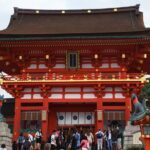
The tour includes stops at Ginkaku-ji, cycling via Philosopher’s Path, Nanzen-ji, and finishing at Heian Jingu Shrine. You also bike by the Kamogawa River.
Do I need previous biking experience?
Yes. You should make sure you know how to ride a bike before joining.
What’s included in the price?
Included are the electric bike rental and helmet, the tour guide, entering tickets, and parking fees.
What happens if it rains?
If it rains, you can wear raincoats or the tour may reschedule.