REVIEW · KYOTO
Kyoto: Early Morning Tour with English-Speaking Guide
Book on GetYourGuide →Operated by GuideMe Japan · Bookable on GetYourGuide
Kyoto looks its best when you see it before the day-trippers arrive. This early morning tour hits Kyoto’s top sights fast, with an English-speaking guide and the kind of pacing that keeps you from feeling rushed. I especially like that you start at Kyoto Station and use public transport, so you’re not just chauffeured past highlights. Two big wins: Fushimi Inari early feels calm, and Arashiyama plus Kinkaku-ji in one morning makes the day efficient. One drawback: it’s a walking tour with multiple trains (and a short bus/coach leg), so it’s not ideal if you’re dealing with mobility limits.
What makes it work for real people is the structure: small group (up to 8), guide-led timing, and you’re done by lunch. If you follow the rules (be on time, bring an IC card, wear comfy shoes), you’ll get more than photos. You’ll also leave with practical know-how—how to get around Kyoto’s rail system and where to slow down when the magic is happening.
In This Review
- Key highlights in plain terms
- Why Kyoto Looks Different Before Lunch
- Meeting at Kyoto Station Without Losing Time
- Getting Around: Trains, Short Walks, and One Bus Leg
- Fushimi Inari Taisha: Torii Gates With Space to Think
- Arashiyama at Morning Speed: Bamboo, Atmosphere, and Views
- Kinkaku-ji (Golden Pavilion): A Morning Visit Worth the Effort
- Price and Value: What $101 Really Buys You
- Group Size and Pace: Small Group Comfort, Not a Sprint
- Who This Tour Fits Best (and Who Should Skip It)
- What Makes the Guides Matter
- Tips You’ll Be Glad You Follow
- Should You Book This Early Morning Kyoto Highlights Tour?
- FAQ
- How long is the Kyoto early morning tour?
- Where do I meet the guide?
- Is this a private tour?
- Is it a bus tour?
- Which sights are included?
- Is lunch included?
- Are transportation and entrance fees included?
- What do I need to bring?
- Do I need an IC card or JR Pass?
- What happens if I arrive late to the meeting point?
Key highlights in plain terms
- Fushimi Inari first thing: quieter torii steps and time to pause near the shrine
- Arashiyama in a small group: an easier route into the bamboo area and famous riverside views
- Kinkaku-ji timing: Golden Pavilion in the morning stretch before peak congestion
- Public transport done for you: trains plus a short bus/coach segment, all guided
- Photo-friendly guides: several guides are praised for spotting great photo angles and helping with pictures
Why Kyoto Looks Different Before Lunch
Kyoto’s famous because it’s packed with beautiful, meaningful places. The downside is that it can also feel like an obstacle course once tour groups multiply. This tour is built to solve that problem with a simple strategy: start early, move with purpose, and be finished by lunch.
You’re not just ticking off landmarks. You’re seeing how Kyoto changes between early calm and later crowds. At Fushimi Inari, that early window matters because torii gates can feel almost reverent when there’s space to walk and breathe. At Kinkaku-ji, the morning timing helps you experience the Golden Pavilion without the worst crush.
It’s also a smart fit if Kyoto is part of a faster Japan itinerary. If you only have a day or two, this gives you the big hits without wasting your morning trying to decode routes, ticket machines, and station-to-temple walking paths.
You can also read our reviews of more guided tours in Kyoto
Meeting at Kyoto Station Without Losing Time
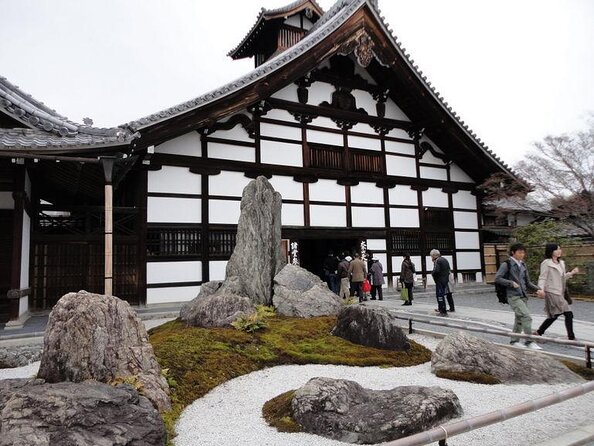
The meeting point is Kyoto Station Central Ticket Gate, at the big gate you can see Kyoto Tower from outside. It’s next to a 7-Eleven, and the guide will be holding a board that says GuideMe Japan.
Do two things that make the whole tour smoother:
- Arrive 5 to 10 minutes early. Late guests can’t join once the tour starts, and there’s no refund.
- Download WhatsApp before you go. The guide contacts you through WhatsApp to confirm the meeting area.
This might sound basic, but Kyoto Station is huge. Being early means you’ll actually get to relax for a minute instead of sprinting inside with your IC card in hand.
Getting Around: Trains, Short Walks, and One Bus Leg
This is a walking tour using public transportation, not a coach-bus day. You’ll use trains for the core legs, plus one bus/coach segment near the end of the morning.
A typical flow goes like this:
- Kyoto Station to Fushimi Inari Taisha by train
- Train travel onward to Arashiyama
- Travel again toward Kinkaku-ji, with a short bus/coach hop as part of the route
- Return back to Kyoto Station
What you’ll need:
- An IC card (SUICA, ICOCA, PASMO) or a JR Pass to pay for local transit
- Cash, since entrance fees and some costs aren’t included
Why this matters: you’ll learn how to navigate Kyoto’s transit rhythm without betting your entire day on guesswork. Many people find that confidence is the real hidden value, because it makes the rest of Kyoto easier after the tour ends.
Fushimi Inari Taisha: Torii Gates With Space to Think
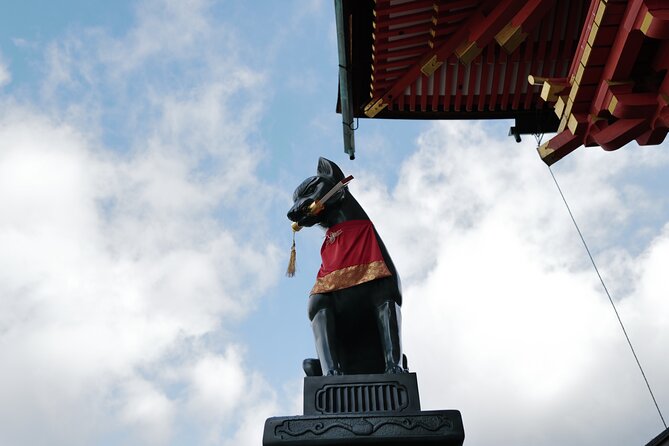
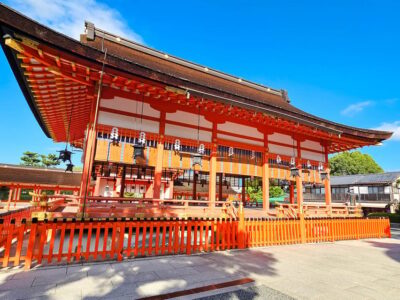
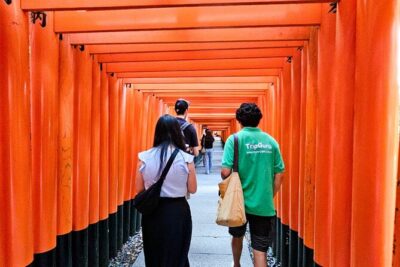
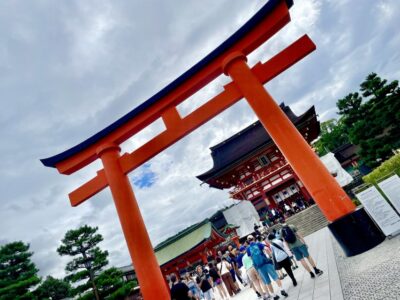
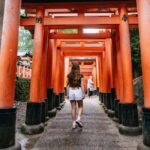
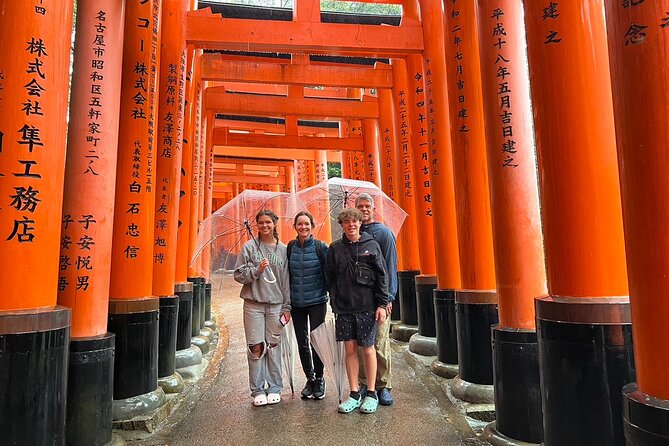
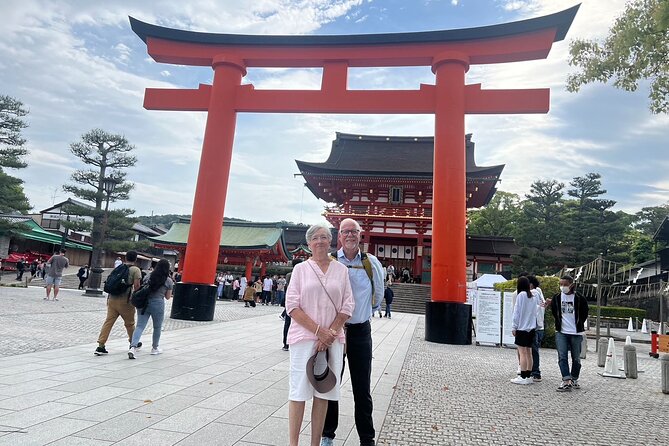
The tour’s first guided stop is Fushimi Inari Taisha, and it’s the centerpiece for the early start. You get about 70 minutes here, which is enough time to walk the torii paths at an unhurried pace, see the most iconic views, and still have time to pause.
The guide also sets a thoughtful tone at the shrine. There’s time for reflection and contemplation, not just photo stops. That’s a big deal at Fushimi Inari, because it can turn into a busy tunnel of people if you go later. Starting early helps you experience the shrine as a lived spiritual place, not only a picture backdrop.
What to expect on the ground:
- A lot of walking on stairs and paths
- Crowds that grow as the morning progresses
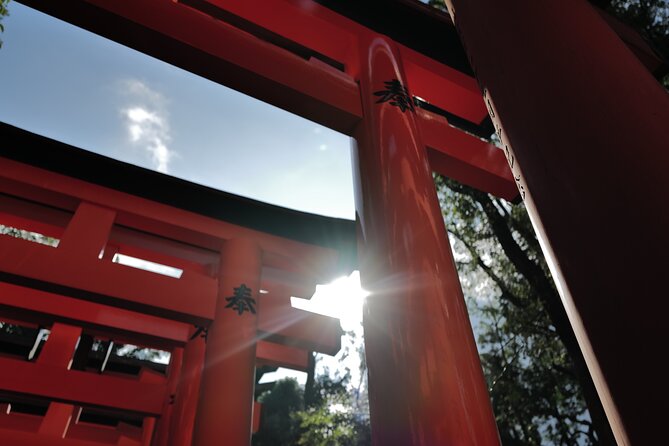
- Plenty of photo angles, especially from the torii corridor
If you’re the type who likes to understand what you’re looking at, you’ll appreciate how the guide explains the shrine’s role and how the torii gates fit into the experience. Even if you’re not super into details, the guide keeps the route sensible so you don’t wander and waste time.
Arashiyama at Morning Speed: Bamboo, Atmosphere, and Views
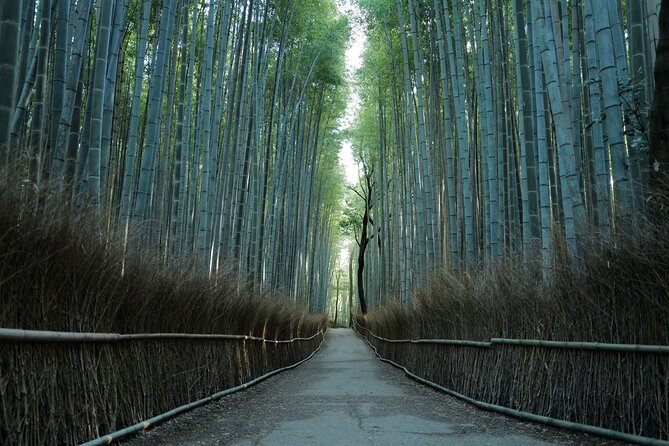
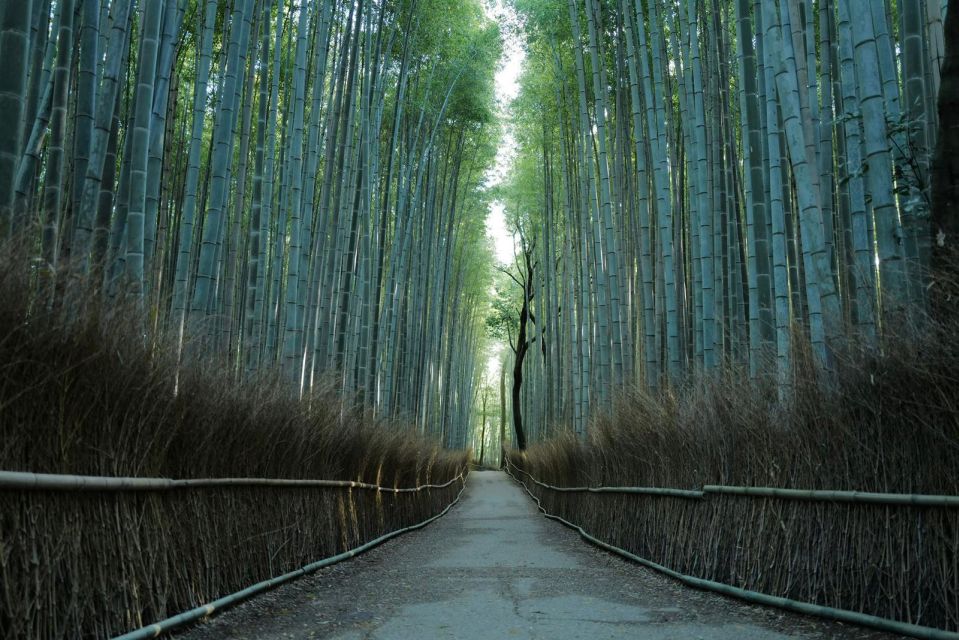
Next comes Arashiyama, guided for about one hour. This is where Kyoto turns cinematic. You’ll get a feel for the district and its signature scenery, including the bamboo area that people come from all over the world to see.
One of the best parts of a guided morning here is timing. In one winter example, the group benefited from seeing the bamboo in snow, and it was described as genuinely magical. Even if you’re not there in snowy season, the early light and calmer foot traffic make Arashiyama easier to enjoy.
You also get something that’s harder to replicate alone: the guide keeps the day flowing between transit legs and on-site walking. That means less time asking strangers where to go and more time actually absorbing the place.
A possible consideration: Arashiyama is popular, and even in the morning it isn’t empty. If you’re hoping for a totally private experience, no Kyoto tour can promise that. The win here is that you’ll reach the highlights earlier than most independent schedules.
You can also read our reviews of more tours and experiences in Kyoto
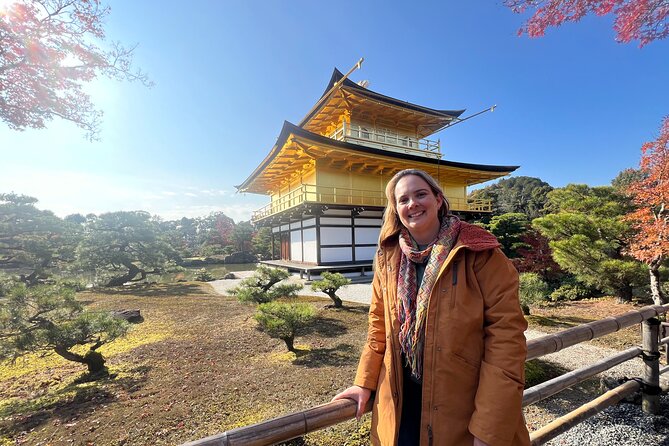
Kinkaku-ji (Golden Pavilion): A Morning Visit Worth the Effort
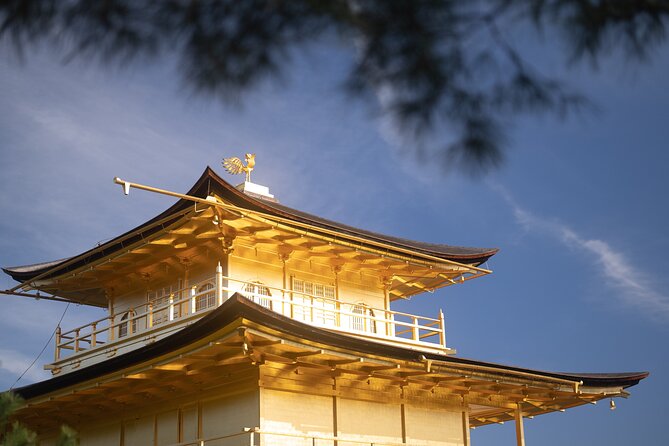
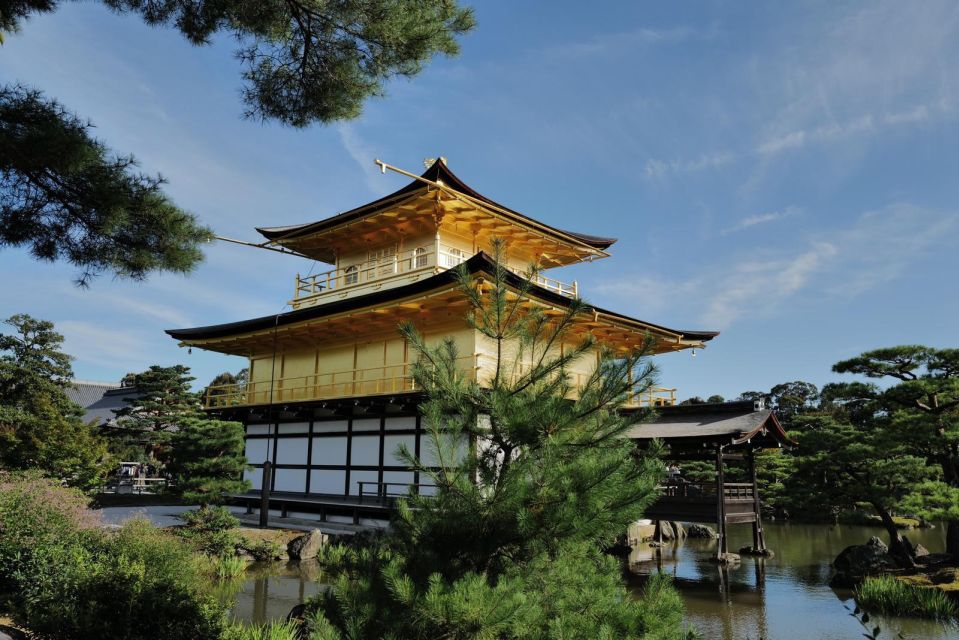
The final big stop is Kinkaku-ji, guided for about one hour. The entrance fee isn’t included (it’s listed as 500 yen), so plan to bring cash.
Kinkaku-ji is famous for a reason: that gold pavilion look has a gravity to it. But the real payoff of a guided morning visit is pacing and crowd avoidance. You get a structured visit instead of bouncing between viewpoints while the line grows behind you.
There’s also a practical benefit to this tour format. If transit conditions get messy, the guide manages the day in real time. In one winter instance, there was a bus glitch on the way to Kinkaku-ji, and the guide arranged a taxi to keep the visit on track. That kind of problem-solving is exactly what you’re paying for.
When you’re at Kinkaku-ji, focus on three things:
- The main pavilion view from the most popular angle
- The reflections and surrounding garden feel (where rules allow)
- Your timing for photos, so you’re not stuck photographing the crowd instead of the pavilion
Price and Value: What $101 Really Buys You
At $101 per person, this is not a budget bargain, but it also isn’t overpriced when you look at what’s included. You’re paying for:
- A real English-speaking guide
- Guided time at three major sights that are hard to string together smoothly
- The logistics of public transport planning and on-the-ground route management
- A schedule designed to get you done by lunch, which helps if you want to keep exploring later
Not included costs to budget for:
- Local transportation fee listed at about 1240 yen
- Kinkaku-ji entrance fee (500 yen)
- Lunch (not included)
So the true cost is closer to a total you can calculate before you arrive: tour price plus transit plus that temple entrance. Even then, you’re still likely getting value because you’re saving time and reducing stress. If you’ve ever tried to plan Kyoto transit between Fushimi Inari, Arashiyama, and Kinkaku-ji in one morning, you already know that the challenge isn’t the sights—it’s the moving parts.
Group Size and Pace: Small Group Comfort, Not a Sprint
This is a small group tour capped at 8 people. That group size keeps things from feeling chaotic while still giving you a shared experience with other visitors.
The pace is described as well balanced. You’re moving early and hitting major stops, but you’re also getting real time at each site instead of feeling like you’re getting dragged through. Guides are often praised for:
- clear explanations
- helping the group move smoothly between transportation legs
- good photo help at key moments
If you’re worried about being herded, don’t. The structure is more like guided sightseeing with transit support, not a fast museum sprint.
Who This Tour Fits Best (and Who Should Skip It)
This tour is a strong choice if:
- You want Kyoto highlights in a single morning
- You prefer not to plan every transit step yourself
- You’re okay with moderate walking on temple paths and stairs
- You like history and cultural context, not just scenery
It’s less suitable if:
- You use a wheelchair or need stroller access (it’s not wheelchair/stroller accessible)
- You’re using a cane and want an easier day (it’s specifically noted as not recommended for cane users)
- You have heart problems or mobility concerns
- You’re traveling with baby strollers (not allowed)
Also, this isn’t built for a one-person pace. You’re part of a group schedule. If you like total freedom to wander without timing, you might find this tour feels structured. But if you want a smart Kyoto plan that gets you out before the chaos, it fits nicely.
What Makes the Guides Matter
The guides are a major part of why this tour works. In the feedback examples, guides stand out for being friendly, interactive, and practical—often helping with both the sites and the rest of your day.
A few guide strengths shown in the examples you’ll see:
- Natsuki described as helpful with a good pacing feel
- Hinano Yoshida noted for customizing the tour and answering questions
- Ramu praised for Kyoto history context
- Genki singled out for friendliness and lots of answers
- Koi described as handling a transit hiccup thoughtfully and staying helpful
- Chihiro and Aya praised for making the route easy and sharing explanations that make the sights click
- Haruki noted for answering questions and also showing how to use Kyoto public transit
- Rin and others praised for photo-friendly viewpoints and storytelling
Even if you don’t remember names while you’re traveling, it’s good to know the operator’s guides are consistently described as doing more than repeating facts. They help you navigate, understand, and enjoy without turning the morning into a scramble.
Tips You’ll Be Glad You Follow
Before you go, pack like you’re walking a lot, because you are.
- Comfortable shoes are not optional. You’ll be moving between sites and on temple paths.
- Bring cash for entrance fees and any costs not included.
- Have your IC card ready so transit doesn’t turn into a delay.
- Keep an eye on the meeting rules. If you’re late, you can’t join.
And one smart mindset: treat this as a guided route to the biggest hits, then stay flexible for the rest of your day. You’ll likely want a slower follow-up visit after you’ve seen the famous areas once.
Should You Book This Early Morning Kyoto Highlights Tour?
If your goal is to see Fushimi Inari, Arashiyama, and Kinkaku-ji in one well-managed morning, I think this tour earns its place. You’re buying a guide, early timing, and logistics support—exactly what makes a Kyoto day feel smooth instead of stressful.
I’d book it if:
- you want fewer crowds and more time to actually enjoy
- you don’t want to figure out transit under time pressure
- you like getting context so the sights make more sense
I’d skip it if:
- you need an easy, low-walking day
- you’re allergic to structured timing
- you’d rather fully self-plan and linger wherever the mood takes you
If that sounds like you, then you’ll probably leave happy, with great photos and a calmer first look at Kyoto than most people get.
FAQ
How long is the Kyoto early morning tour?
The duration is about 330 minutes (about 5 hours). The tour time can vary by around 30 minutes.
Where do I meet the guide?
You meet at Kyoto Station Central Ticket Gate. It’s the big gate near Kyoto Tower and next to a 7-Eleven, with a board that says GuideMe Japan.
Is this a private tour?
No. It’s a group tour with a maximum group size of up to 8 participants.
Is it a bus tour?
No. It’s a walking tour that uses public transportation. There is a short bus/coach segment during the route, but it’s not a full-day coach-bus experience.
Which sights are included?
The guided stops are Fushimi Inari Taisha, Arashiyama, and Kinkaku-ji (Golden Pavilion).
Is lunch included?
No, lunch is not included.
Are transportation and entrance fees included?
Transportation fees are not included (about 1240 yen). The Kinkaku-ji entrance fee is not included (500 yen).
What do I need to bring?
Bring comfortable shoes and cash.
Do I need an IC card or JR Pass?
Yes. The tour recommends bringing an IC card (SUICA, ICOCA, PASMO) or a JR pass because it uses public transportation.
What happens if I arrive late to the meeting point?
You must be there 5–10 minutes early. If you’re late, you can’t join once the tour starts and there is no refund.