REVIEW · KYOTO
Kyoto: Morning Japanese Bento Cooking Class
Book on GetYourGuide →Operated by Cooking Sun · Bookable on GetYourGuide
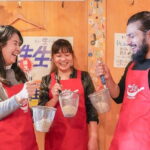
Bento cooking turns Kyoto breakfast into a skill. This 3-hour morning class at Cooking Sun teaches you sushi, tempura, teriyaki chicken, and miso soup, then you plate and eat your own bento lunch. I love the hands-on cooking part because the chefs show you what to do and you actually do it, not just watch.
One practical downside: there’s no hotel pickup, so you’ll need to get yourself to the meeting point in Shimogyo Ward. And like any small local venue, a couple people noted that it can be a little tricky to find if you’re arriving on your own.
In This Review
- Key Things I’d Pencil Into Your Kyoto Morning
- Cooking Sun in Shimogyo Ward: Your Bento Workshop Start
- The Bento Lesson: What You’re Really Learning Before You Cook
- What You’ll Cook: Sushi, Tempura, Teriyaki Chicken, and Miso Soup
- Sushi: Getting the feel, not just the shape
- Tempura: Crisp texture depends on technique
- Teriyaki chicken: Sauce flavor you can recreate
- Miso soup: The comfort anchor
- How the Chefs Teach: Clear English, Patient Guidance, and Real Tips
- Recipes and Practice You Can Use at Home
- Lunch: Eating a Bento Box That Actually Feeds You
- Price and Value: Is $67 Worth Your Morning?
- Dietary Requirements: Tell Them Up Front and Get a Better Result
- Who This Kyoto Bento Class Is Best For
- Should You Book This Kyoto Morning Bento Cooking Class?
- FAQ
- How long is the cooking class?
- What dishes will I learn to make?
- What’s included in the $67 per person price?
- Is there an English-speaking instructor?
- Do I need to bring anything, and is hotel pickup included?
- Is the class wheelchair accessible?
Key Things I’d Pencil Into Your Kyoto Morning
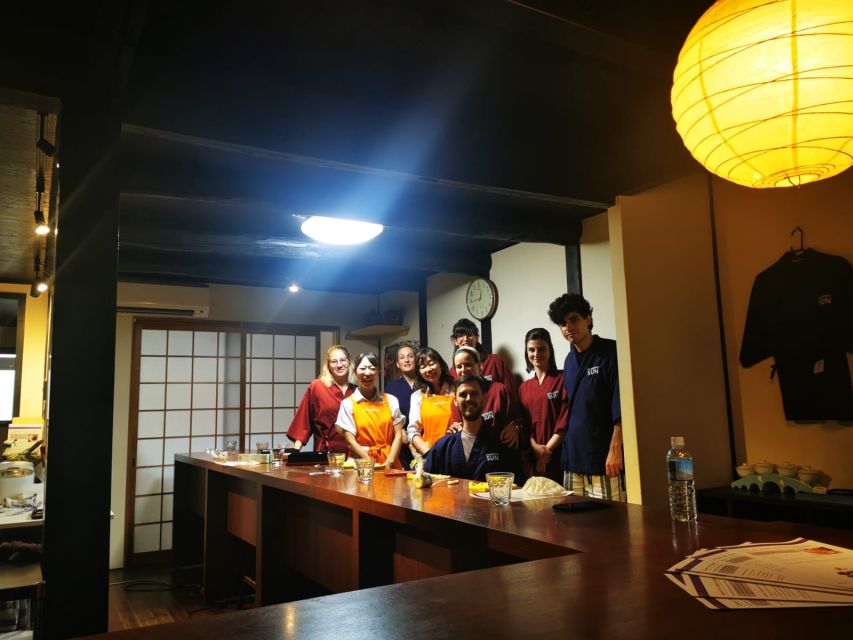
- Make your own bento with sushi, tempura, teriyaki chicken, and miso soup, plus a satisfying lunch you get to eat right away
- English support from the instructor, with clear step-by-step guidance described as patient and easy to follow
- Small groups that feel personal, from very small classes to groups around 8 (so questions don’t get lost)
- Cultural context on what bento is and why it matters, including its roots traced to the late Kamakura Period (1185–1333)
- Dietary flexibility when you share needs ahead of time, including no-shellfish and vegetarian options
Cooking Sun in Shimogyo Ward: Your Bento Workshop Start
This class runs as a morning session, geared toward getting you from ingredient pickup to full lunch without rushing. You meet at Cooking Sun, Funayacho, Shimogyo Ward, Kyoto 600-8466, and once you arrive you’ll collect what you need—apron and utensils included—then get started.
What I like about this setup is that it treats cooking like a learnable craft. You’re not just collecting photos or tasting a finished meal; you’re building the meal with guidance and timing that makes sense for a short 2.5 to 3-hour experience.
There’s no hotel pickup or drop-off, so plan for an independent arrival. If you’re the type who likes to stroll in Kyoto without feeling late, give yourself a little buffer to find the kitchen at your own pace.
You can also read our reviews of more cooking classes in Kyoto
The Bento Lesson: What You’re Really Learning Before You Cook
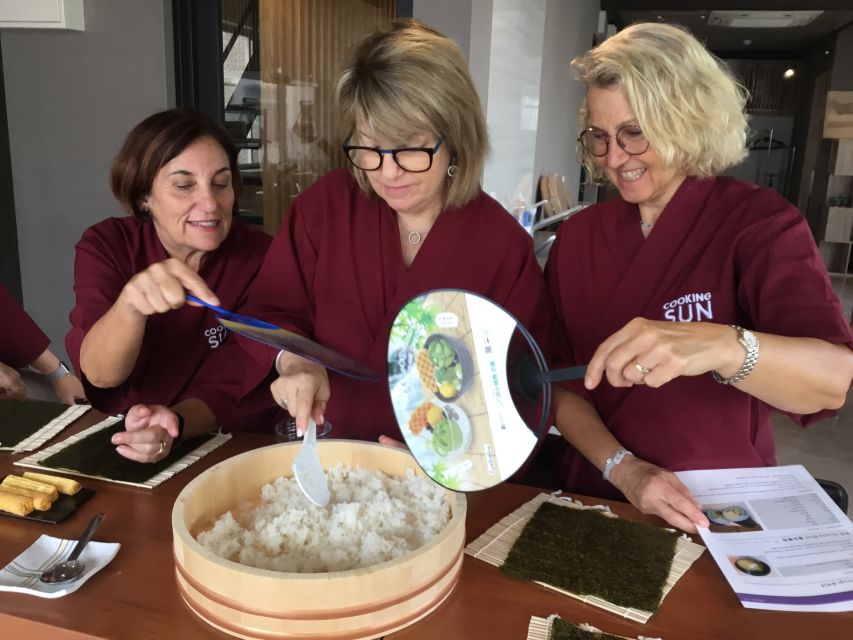
Bento is more than a lunch box. You’ll hear how the idea evolved into a Japanese staple, and why it still works as a practical, thoughtful way to pack food.
The class connects that story to real technique. You’ll learn the kind of portioning and arrangement that makes a bento look neat and intentional, even when you’re cooking multiple dishes in one session. That’s the part people often miss when they only think about the food—bento is about planning your lunch so each component has its own role.
Also, this is not presented as a high-speed “knife skills only” class. A number of participants noted that ingredients are often prepped, so you can focus more on seasoning, cooking, assembling, and getting the right results.
What You’ll Cook: Sushi, Tempura, Teriyaki Chicken, and Miso Soup
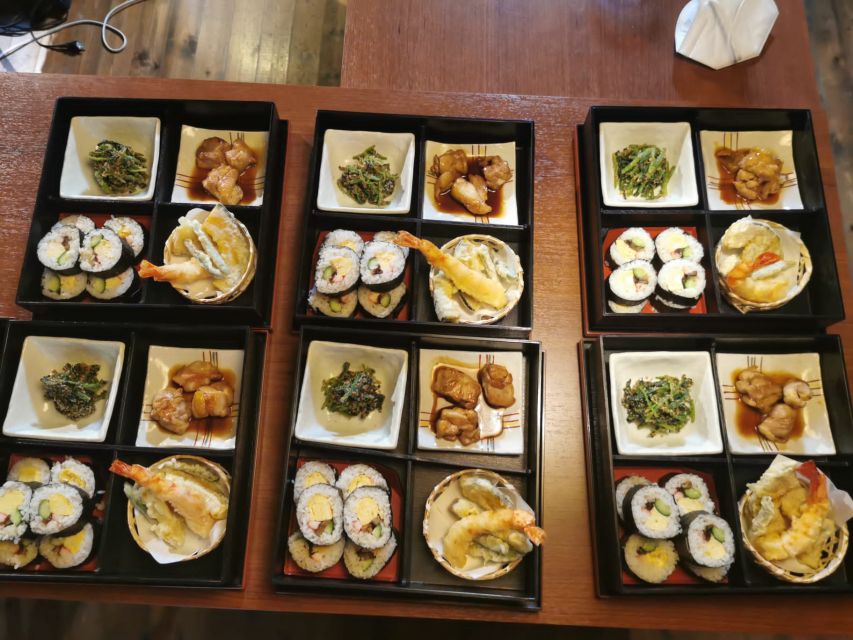
The headline dishes are classic and very teachable in a group setting: sushi, tempura, teriyaki chicken, and miso soup. That’s a smart mix if you want the full picture of Japanese flavors—vinegar-seasoned rice, crisp fried texture, sweet-salty glazed chicken, and savory broth with depth.
Sushi: Getting the feel, not just the shape
Sushi in a cooking class is a great way to learn control. You’ll see how the pieces come together, then follow along through the steps your chef demonstrates. The goal isn’t complicated artistry for its own sake; it’s building a workable sushi that tastes right and looks good in your bento.
Tempura: Crisp texture depends on technique
Tempura is one of those dishes where tiny differences matter. You’ll get hands-on practice using a variety of ingredients, and you’ll learn the practical tricks that help the batter behave and the fried pieces come out properly.
You can also read our reviews of more tours and experiences in Kyoto

Teriyaki chicken: Sauce flavor you can recreate
Teriyaki chicken gives you a foundation sauce and a repeatable method. You’ll cook it, then assemble it into the bento so you get a sense of how the dish holds up as part of a meal box, not just on its own plate.
Miso soup: The comfort anchor
Miso soup is the calming counterpart to everything fried and sauced. You’ll learn the timing and approach to make a broth that feels balanced with the rest of your lunch.
One of the most consistently praised parts of the class is that, for the time you’re given, you typically end up making several dishes and packaging them into one satisfying lunch. Some sessions are described as producing enough variety for a bento box with about 6 to 7 items, which is a big payoff for a short morning.
How the Chefs Teach: Clear English, Patient Guidance, and Real Tips
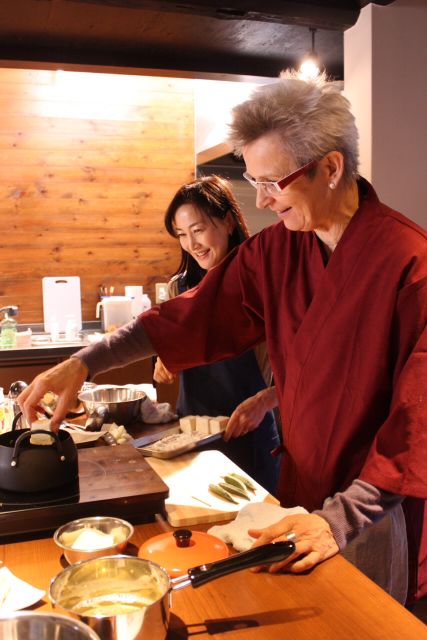
A lot of the praise lands on the same theme: instruction that stays clear even when you’re cooking multiple dishes. People mention easy-to-understand English directions and chefs who explain what’s happening and why.
The names that show up in participant accounts include Mei, Mae, Tomoko, Yukari, Coco, and Ikari. Across those different sessions, the pattern is the same: chefs slow things down when needed, keep the pace moving, and give useful tips you can carry home.
If you’re worried about language or teaching style, this class is built for an English-speaking audience. And if you’re a beginner, that matters. Several comments point out that the direction quality made it feel manageable to cook and then eat what you made without feeling lost.
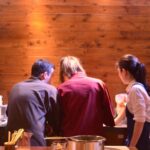
A small but meaningful detail: some participants noted the instructors took photos and videos without anyone needing to ask. That’s helpful because you’ll be busy cooking, and you won’t always remember to grab a shot of the finished bento before it gets eaten.
Recipes and Practice You Can Use at Home
One reason this kind of class sticks with people is that it leaves you with more than memories. Many participants mentioned getting written recipes and finding the instructions practical for recreating at home.
The real advantage here is the “do it once with a teacher” effect. You learn how to manage timing and seasoning in a kitchen setting, then you take the recipes home with you. That makes it far easier to repeat dishes later than if you just watched a cooking video and hoped for the best.
Also, a few people specifically said they purchased some items from the class so they could keep cooking those bento components later. Even if you don’t buy anything extra, the recipes plus the technique you practiced give you something tangible.
Lunch: Eating a Bento Box That Actually Feeds You
After cooking, you sit down and eat your own bento lunch. This isn’t a token bite; it’s a full meal made from the dishes you worked on during the session.
What I like about this structure is the immediate feedback loop. You can taste as you go mentally, noticing what needs balancing and what tastes right. Then at the end, you get the satisfaction of eating it while it’s still fresh and planned together as a bento meal.
Participants repeatedly call the lunch delicious, and many say the bento experience itself is a highlight of Kyoto. The fact that you pack and assemble your meal components also makes it more than just a cooking class—it becomes a small “Kyoto breakfast-to-lunch” transformation.
Price and Value: Is $67 Worth Your Morning?
At $67 per person for about 3 hours, this class is priced like a guided, hands-on workshop—not a cheap snack experience. The value comes from what’s included:
- cooking class
- ingredients
- apron and utensils
- lunch
- and English instruction
When you add up those pieces, it makes sense. You’re not paying just for the teaching; you’re paying for the kitchen time, the ingredient sourcing, and the finished meal you’ll eat.
The most reassuring value signal is the cooking-to-eating ratio. You don’t come out hungry and disappointed. You come out with an entire lunch you made, plus recipes you can use again.
Dietary Requirements: Tell Them Up Front and Get a Better Result
This class asks you to advise of any dietary requirements when booking. That’s not just a checkbox—it changes what you prepare and how the chefs adapt.
In participant accounts, the class handled a no-shellfish version and also accommodated vegetarians. If you have food restrictions, you’ll do best by sharing them clearly during booking so the kitchen can plan the right ingredients and substitutions ahead of time.
Who This Kyoto Bento Class Is Best For
This is a strong pick if you want a practical Kyoto experience you can repeat at home. It’s also a good fit if you enjoy hands-on learning more than museum-style sightseeing.
You’ll likely enjoy it if:
- you’re a foodie who wants technique, not just a tasting
- you travel with someone who learns best by doing
- you want a morning activity that results in a real meal
If you hate kitchens and prefer eating out, you may find this too hands-on. But if you’re curious about how Japanese lunch components work together, this class is built for you.
Should You Book This Kyoto Morning Bento Cooking Class?
I’d book it if you want a short, focused morning activity that teaches you multiple dishes and ends with a bento lunch you can actually take seriously as a meal. The combination of English instruction, small-group teaching, and hands-on cooking is exactly the kind of experience that feels worth paying for in Kyoto.
I’d also book it if you care about recreating the flavors later. The emphasis on clear steps, practical recipes, and tips that help you cook at home makes the class more than a one-day memory.
Just don’t forget the one caution: plan to reach Cooking Sun on your own since there’s no hotel pickup. If you can handle that logistics piece, this is one of the easiest ways to turn a Kyoto morning into something skill-based and delicious.
FAQ
How long is the cooking class?
The duration is 3 hours.
What dishes will I learn to make?
You’ll learn how to make sushi, tempura, teriyaki chicken, and miso soup.
What’s included in the $67 per person price?
The price includes the cooking class, ingredients, an apron and utensils, and lunch.
Is there an English-speaking instructor?
Yes, the instructor speaks English.
Do I need to bring anything, and is hotel pickup included?
Hotel pickup and drop-off are not included. You’ll need to make your own way to the meeting point at Cooking Sun, Funayacho, Shimogyo Ward, Kyoto 600-8466.
Is the class wheelchair accessible?
Yes, the activity is listed as wheelchair accessible.