REVIEW · KYOTO
Kyoto: Japanese Washoku Bento Small Group Cooking Class
Book on GetYourGuide →Operated by Yamamoto Rie · Bookable on GetYourGuide
Cooking a bento in Kyoto sounds simple. It’s not. This small-group class teaches you washoku basics through hands-on prep you can actually repeat at home.
I especially like two things: you get taught practical techniques like making dashi and frying tempura, and you also learn a Japanese way of working with a knife instead of just following steps. The food portion is big too—after cooking, you sit down and eat the bento you built with your chef and the group.
One caution: you need to be on time. The chef picks you up at Kyoto Laundry Cafe, and if you arrive more than 15 minutes late, your spot can be canceled automatically.
In This Review
- Key things I think you’ll care about
- Kyoto Bento Cooking Class, Not Just a Demo
- Washoku in Real Life: Seasonal Balance in a Lunch Box
- The Bento Lineup: Tempura, Dashi, Rolled Omelette, and More
- Frying Tempura and Making Dashi the Way You’ll Remember
- Knife Skills: The Japanese Approach That Changes Everything
- What the Class Feels Like During the Meal
- Price and Value: Paying $58 for Skills and Dinner
- Where It Fits in Your Kyoto Plan
- Who Should Book This Class (and Who Might Skip It)
- Before You Go: Come Hungry, Wear Comfort
- Should You Book It?
- FAQ
- How long is the Kyoto Japanese washoku bento cooking class?
- Where do I meet the chef?
- How large is the group?
- What languages does the instructor speak?
- What dishes will I cook?
- Do I eat what I cook?
- Is there free cancellation?
- Who might not be able to join this class?
- Is the price per person?
Key things I think you’ll care about
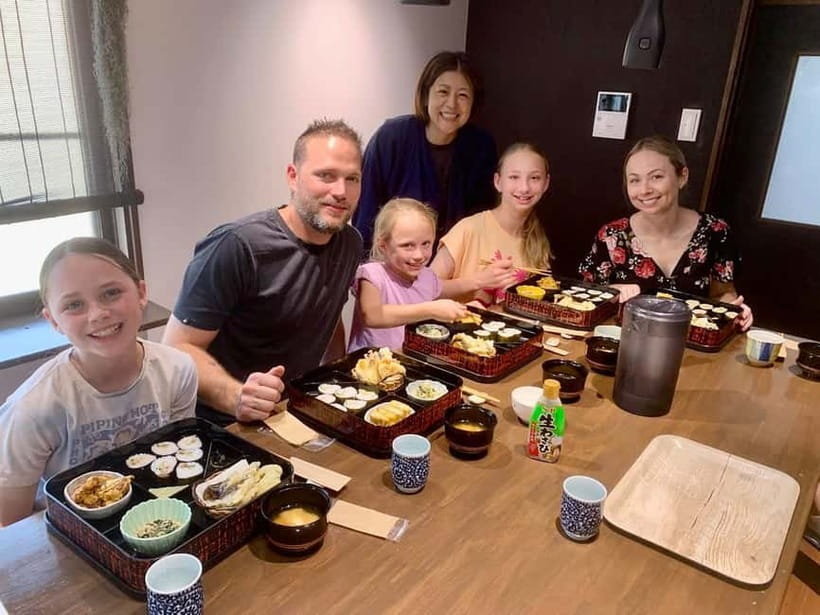
- Small group of up to 5, so the chef can watch your technique
- Dashi and tempura skills taught hands-on, not as a lecture
- Knife approach for washoku, including how to handle your tools properly
- A full bento to eat, made from multiple components (so it feels like a real meal)
- English and Japanese support, with chefs like Ai and Miyu leading classes
- Recipes after class have been mentioned by past participants, so you can cook again later
Kyoto Bento Cooking Class, Not Just a Demo
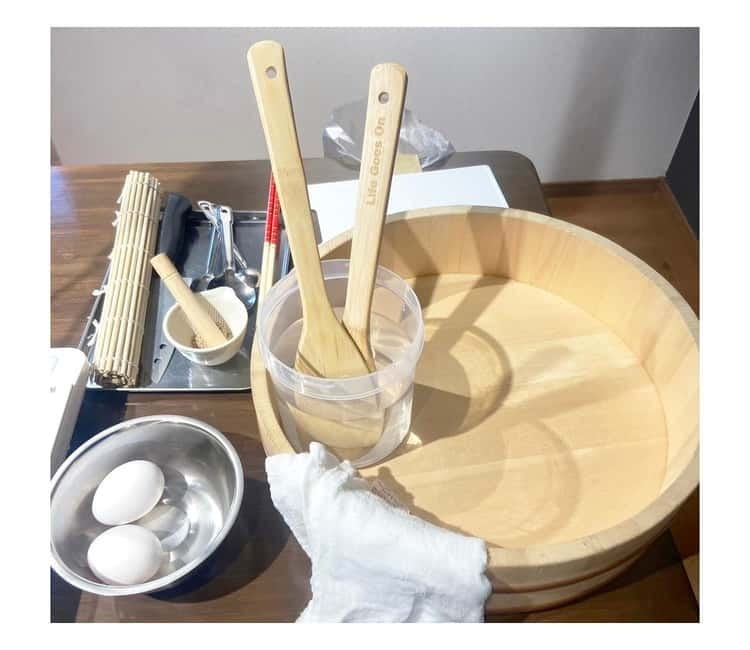
Kyoto is full of food experiences, but this one stands out because you’re not watching. You’re cooking. The format is built around washoku—Japanese home cooking that prizes fresh, seasonal ingredients and a balanced mix of flavors, color, and texture.
You’ll start at Kyoto Laundry Cafe (about a five-minute walk from Saiin Station on the Hankyu Railway). From there, the chef comes to pick you up at the meeting point. It’s a nice setup if you’re already exploring the west side of Kyoto and want something more local than the usual tourist loop.
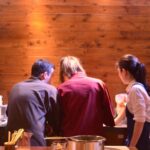
And because the class is limited to 5 participants, you get real feedback. In my experience, that’s the difference between a “fun activity” and a class that actually upgrades your skills. You can feel that here when the chef demonstrates how to fry properly, then has you work with the utensils and pacing yourself.
You can also read our reviews of more cooking classes in Kyoto
Washoku in Real Life: Seasonal Balance in a Lunch Box
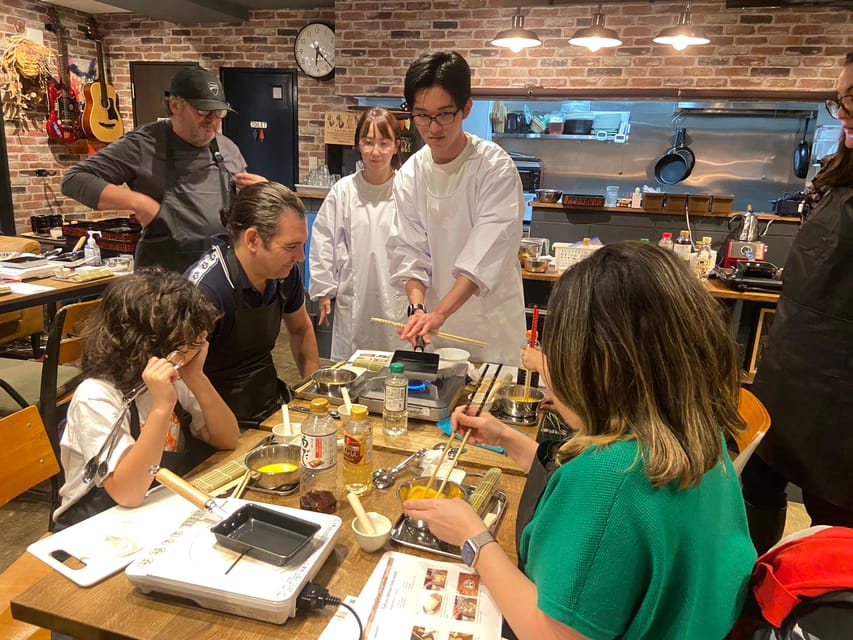
A bento isn’t just a cute container. It’s a portable way of eating, with separate dishes that make lunch feel complete without being messy or time-sensitive. That’s the core idea you’ll build toward in class.
Washoku focuses on harmony—how ingredients work together and how each bite has its own job. You’ll hear and practice that concept while making multiple bento components, so you’re not just learning one dish. You’re learning how Japanese meals are structured: something savory, something with crunch, something comforting, and something bright or light to keep the whole box from feeling flat.
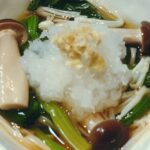
If you’ve ever wondered why Japanese food tastes so clean and well-balanced, washoku is a big part of the answer. The dashi step alone shows the philosophy: gentle flavor extracted from simple ingredients, then used as a foundation instead of overpowering with sauces.
The Bento Lineup: Tempura, Dashi, Rolled Omelette, and More
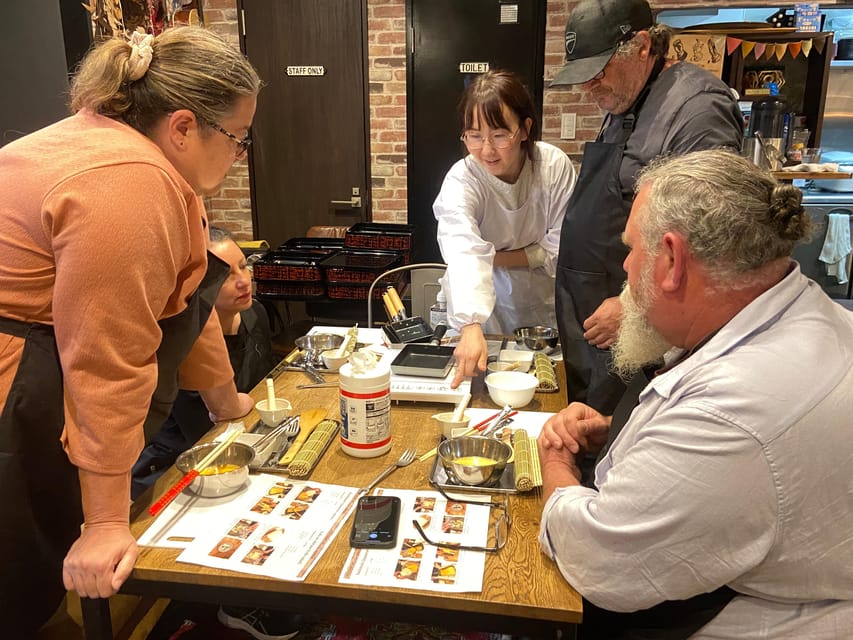
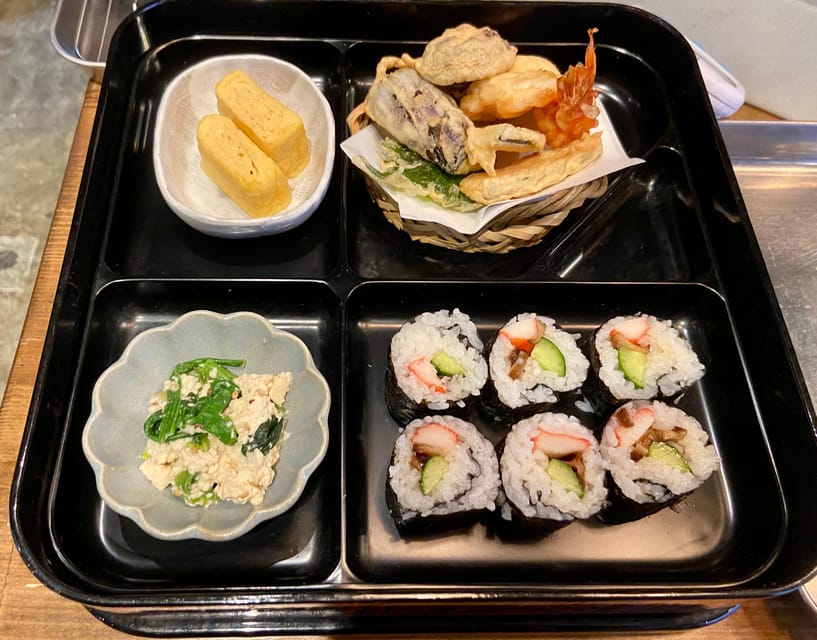
Your class centers on building a bento box made up of four dishes. Exact dishes can vary a bit by session, but the structure is consistent: you’ll create multiple components that fit together as one satisfying meal.
Here’s what you can expect based on the class description:
- Sushi rolls
- Tempura
- Tofu salad
- A Japanese rolled omelette (often referred to as dashimaki in similar contexts, and several participants mention making a rolled omelette)
Tempura is more than frying something. You’ll learn techniques for how to fry it so it comes out right—this usually means getting the batter behavior and oil temperature in your head, not just cooking until it looks done. Dashi stock is the other big technical anchor. Instead of treating stock as an afterthought, you’ll learn to make it so the flavor actually has a backbone.
And yes, you’ll get to use the utensils and tools that match each component. Past participants mention sessions that also included things like sesame tofu and an egg-roll style dish, which suggests some flexibility depending on timing and ingredient availability. If you’re the type who likes variety, you’ll probably enjoy that.
Frying Tempura and Making Dashi the Way You’ll Remember
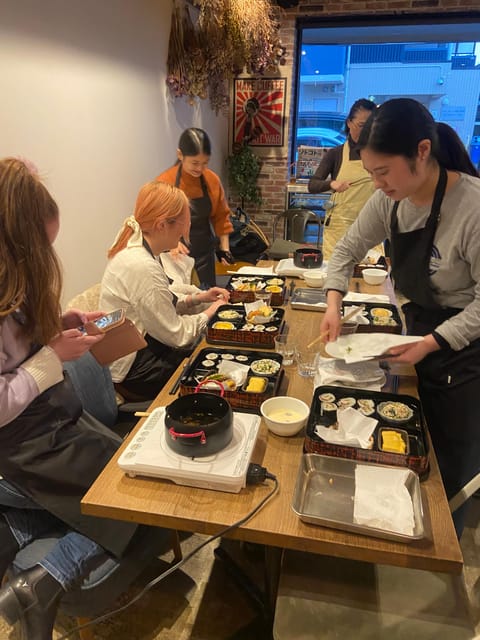
Two skills drive the whole experience: tempura frying and dashi stock.
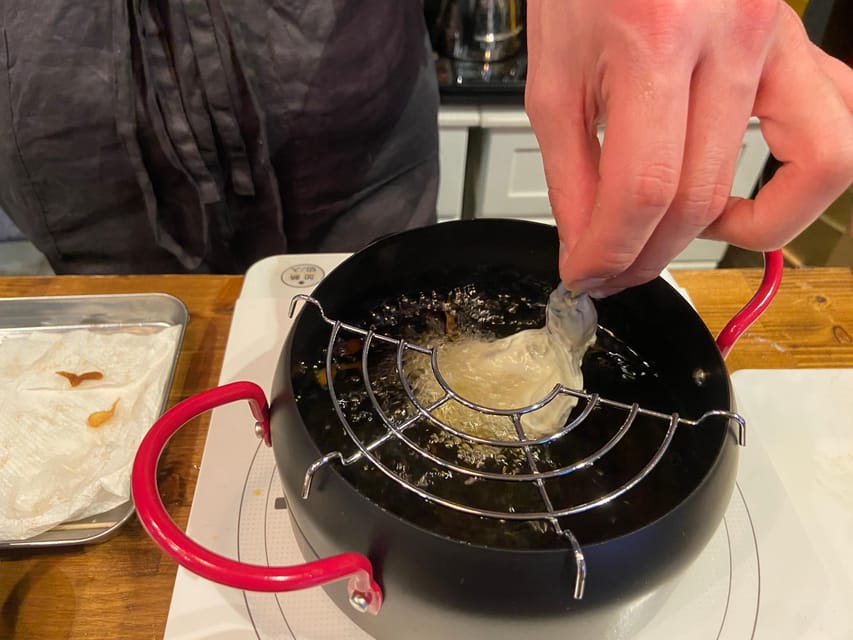
Tempura teaches patience. If your oil is too cool, you get soggy batter. Too hot and the outside can brown before the inside is cooked. In a good class, you learn the rhythm: prep, timing, and how to handle the pan so you don’t panic when the batter hits the oil. That’s exactly the kind of “repeatable” technique you’re aiming for.
Dashi teaches restraint. It’s not about strong seasoning; it’s about extracting flavor and using it as a base. You’ll follow the chef’s process for making dashi stock, then apply it in the bento components. Once you understand dashi as a foundation, many Japanese dishes start making more sense, because they rely on that same gentle depth.
I also like that the class doesn’t make dashi and tempura feel like “special restaurant-only” tasks. The teaching style reported by participants is practical, step-by-step, and encouraging—whether your chef is Ai, Miyu, or Chef Rie (Yamamoto Rie is listed as the provider).
Knife Skills: The Japanese Approach That Changes Everything
Knife work is one of those topics where a little guidance goes a long way. Here, the class specifically focuses on improving your knife skills and learning the proper Japanese approach.
That matters because knife technique isn’t just about speed. It affects consistency, texture, and even how ingredients cook. In washoku, ingredients often need to be cut with purpose—so they cook evenly and look good in the finished bento.
What to watch for: how the chef positions the knife and how you’re guided to hold and move it. In small-group cooking, you can’t hide. If your cuts are uneven, the chef can see and correct quickly. That’s a big advantage over cooking classes where the teacher is mostly talking from across the room.
If you’ve never used Japanese-style knife habits before, don’t worry. The tone described by participants is supportive, and many mention English instruction was clear and easy to follow.
You can also read our reviews of more tours and experiences in Kyoto

What the Class Feels Like During the Meal
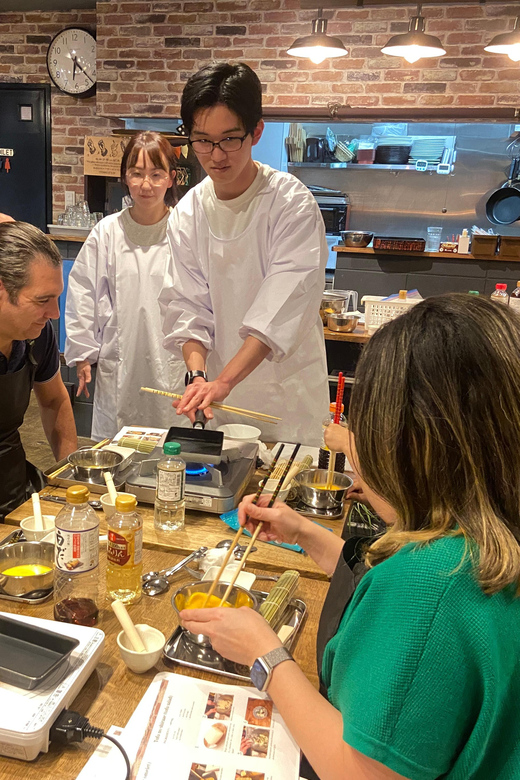
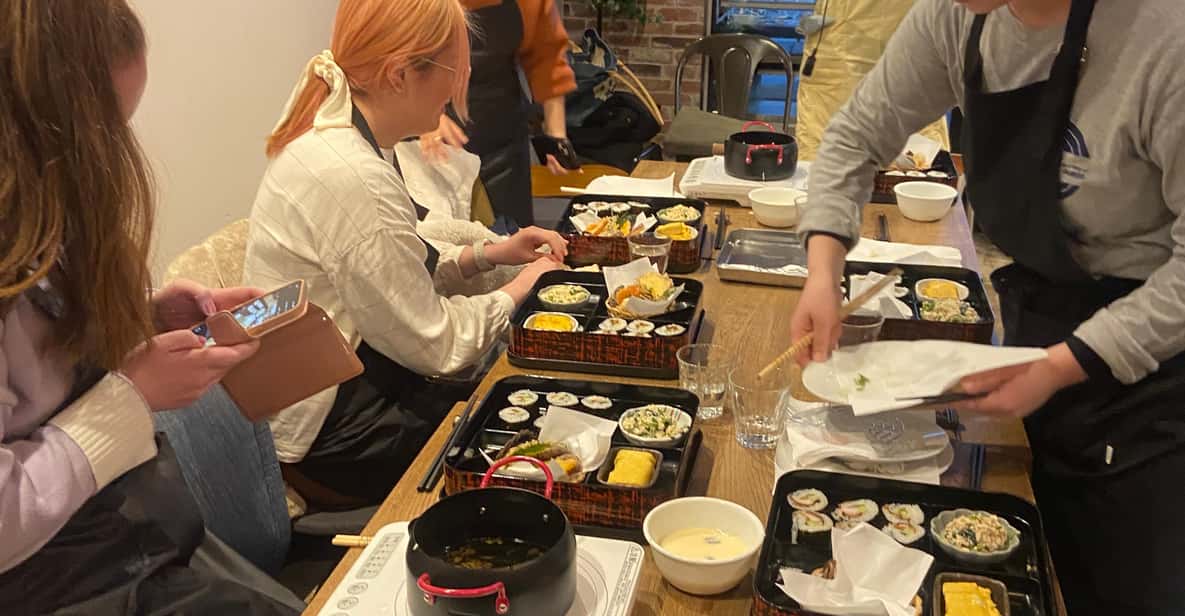
After cooking, you eat together. That part sounds basic, but it’s actually part of why the class works.
You get to see what the bento components taste like when they’re all on the same table—how the tofu salad balances the heavier elements, how dashi-based flavor rounds out the meal, and how tempura’s crunch contrasts with softer dishes. That tasting context helps you understand the “why,” not just the “how.”
It also becomes a social moment. Since it’s small, you can chat during the meal and ask questions you might not think to ask in a big group. Several participants highlight that the chef explained not only food technique but also Japanese culture connected to bento and daily eating. That turns the class into more than food prep; it becomes a mini language lesson in everyday habits.
Price and Value: Paying $58 for Skills and Dinner
Let’s talk value, because $58 can either feel like a deal or a rip-off depending on what’s included. Here, it’s a straightforward case for value.
You’re paying for:
- A 150-minute hands-on class
- A small group setting (up to 5)
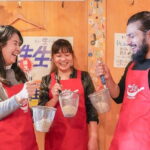
- Ingredients and equipment (including aprons)
- Instruction in multiple techniques: tempura frying, dashi stock, knife approach, and assembling bento components
Most importantly, you eat what you cook. A bento class where you leave hungry isn’t the same experience. This one is designed so the meal is a payoff, not an afterthought.
And there’s another value layer: skills you can use later. Dashi stock and tempura frying are not one-time tricks. Once you learn the process, you can incorporate them into future cooking at home. Add the fact that participants mention recipes being shared after class, and the $58 starts to look less like entertainment and more like an investment in practical cooking.
Where It Fits in Your Kyoto Plan
This class makes a great “first-week in Japan” activity. It gives you home-cooking grounding early, so when you later eat bento, ramen, or izakaya dishes, you understand the building blocks.
If your days are packed with temples and day trips, this is a calmer option. It’s still active, but it’s indoors and structured. Also, since the meeting point is near Saiin Station (Hankyu line), it’s easy to slot into an itinerary on Kyoto’s west side.
The only time it doesn’t fit well is when you’re running late or have very unpredictable timing. Because you need to be at the meeting point in time for pickup, you’ll want buffer time built in.
Who Should Book This Class (and Who Might Skip It)
This class is ideal if you want a practical Kyoto experience:
- You like hands-on cooking
- You want to learn classic skills like dashi and tempura
- You care about technique, not just tasting
- You enjoy small-group interaction and conversation over shared food
It may not be a fit if you need accessibility accommodations or if you’re traveling with very young children. The class information lists it as not suitable for children under specific ages, and it also notes restrictions such as wheelchair users not being accommodated, plus people with diabetes.
If you’re traveling solo, this can still be a good choice because the group is small and the chef instruction is hands-on. If you’re traveling as a couple, it can feel cozy and personal, based on how past groups described the class size and pace.
Before You Go: Come Hungry, Wear Comfort
Plan to show up ready to cook and ready to eat. This class involves multiple components, so you’ll be working with your hands for the majority of the session.
Wear comfortable clothes you don’t mind getting kitchen-adjacent. You’ll get aprons and equipment, but cooking is still cooking. Bring a little patience with yourself, too. Knife skills and frying technique are learned fastest when you focus on one correction at a time instead of trying to be perfect from the first batch.
Also, double-check your route to Kyoto Laundry Cafe ahead of time. The chef meets you there, and the pickup timing matters.
Should You Book It?
If you want a Kyoto experience that feels authentic and useful, book this class. You’re getting taught core washoku techniques—dashi, tempura, and Japanese knife approach—then you sit down to eat a full bento you made with your own hands. It’s the kind of activity where the payoff lasts past your trip.
I’d pass only if you’re likely to be late, or if you need a setting that’s specifically accommodating for wheelchair access or special health considerations listed as not suitable. Otherwise, this is an excellent way to learn Japanese home cooking in about 2.5 hours, without guessing your way through the fundamentals.
FAQ
How long is the Kyoto Japanese washoku bento cooking class?
The class lasts 150 minutes (about 2.5 hours).
Where do I meet the chef?
You meet at KYŌTO LAUNDRY CAFE (Kyoto Laundry Cafe). It’s about a five-minute walk from Saiin Station (Hankyu Railway), and the chef comes to pick you up there.
How large is the group?
The class is a small group limited to 5 participants.
What languages does the instructor speak?
Instruction is available in English and Japanese.
What dishes will I cook?
You’ll make a bento box with four dishes, including sushi rolls, tempura, tofu salad, and a Japanese rolled omelette.
Do I eat what I cook?
Yes. After cooking, you sit down to eat together.
Is there free cancellation?
Yes, the class offers free cancellation up to 24 hours in advance for a full refund.
Who might not be able to join this class?
The information states it is not suitable for wheelchair users and for children under certain ages (including children under 2, 3, and 4 years listed), plus it notes people with diabetes.
Is the price per person?
Yes, it’s priced at $58 per person.