REVIEW · KYOTO
The Original Small-Group Sushi Making Class in Kyoto
Book on Viator →Operated by atelier SUSHI · Bookable on Viator
Sushi lessons feel better in a real townhouse. This Kyoto class is small (max 8), taught in English by a Japanese instructor, and focused on hands-on technique you can actually repeat later. You do the work, then you eat what you make in a calm, restored historic space near Kiyomizu-dera and Gion.
I love the personal feedback you get in a tight group, with Kana and her husband helping you fix details as you go. I also love that you learn both nigiri and maki, not just one style, and you leave with practical take-home materials like a sushi mat and chopsticks.
One catch: there’s no vegetarian or vegan option listed. If your diet is strictly plant-based, you’ll need a different class.
In This Review
- Key highlights
- Entering Atelier SUSHI: a restored Kyoto base near Kiyomizu and Gion
- The 90-minute plan: what you do from rice to rolls
- Kana’s coaching style: why the small group feels like real instruction
- Nigiri: making it look easy, then making it actually work
- Maki rolls: rolling technique without chaos
- The meal: you eat what you made, plus tea/coffee
- Price and value: why $69.64 can be fair for what you get
- Allergies and diet fit: what to plan for before you arrive
- Who this Kyoto sushi class suits best
- Quick FAQ before you book
- FAQ
- How long is the sushi-making class?
- What is the group size?
- Is the class taught in English?
- Where do we meet, and does it end there?
- What kinds of sushi will I make?
- Is a meal included?
- What is included besides the lesson?
- Is there a vegetarian or vegan option?
- Can I get a full refund if plans change?
- Final call: should you book this sushi class?
Key highlights
- Max 8 people for real one-on-one coaching as you shape sushi
- Kana leads in English, often with her husband assisting in the same warm, family-run feel
- Hands-on rice seasoning plus nigiri shaping and maki rolling (the whole workflow)
- You eat a sushi meal at the end, and it’s plenty of food
- Traditional restored townhouse near Kiyomizu-dera and Gion gives you a calmer setting than busy streets
- Take-home keepsakes reported in reviews: class notes, sushi mat, and chopsticks
Entering Atelier SUSHI: a restored Kyoto base near Kiyomizu and Gion
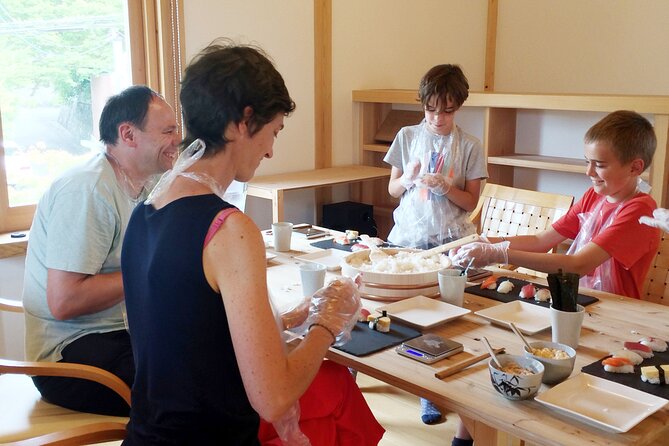
The meeting point is Atelier SUSHI at 1-1 Kitatōryōchō in Higashiyama Ward, close to major sights, and near public transportation. The location matters more than you might think. When you’re in a proper neighborhood base instead of a loud storefront, you can focus on the tiny stuff: how rice feels in your hands, how much pressure you use, and how you keep rolls tight without turning the whole thing into a squished science project.
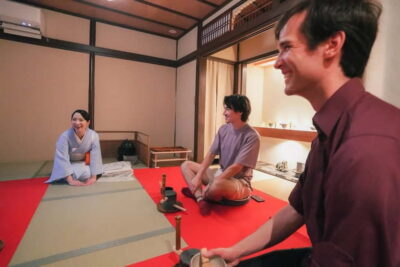
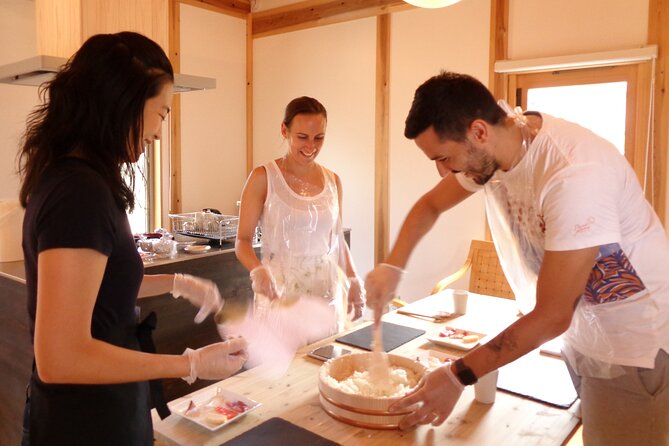
This class happens in a beautifully restored historic townhouse. That creates a big difference in tone. You’re not bouncing between stations or shouting over background noise. You walk in, put on the apron and gloves provided, and settle into a workshop pace that feels like learning from people who care.
Also, plan to come a bit hungry. Multiple reviews point out the final meal can be a lot of food, so you won’t just taste one bite and call it done. You’re building multiple pieces, then eating them.
You can also read our reviews of more tours and experiences in Kyoto

The 90-minute plan: what you do from rice to rolls
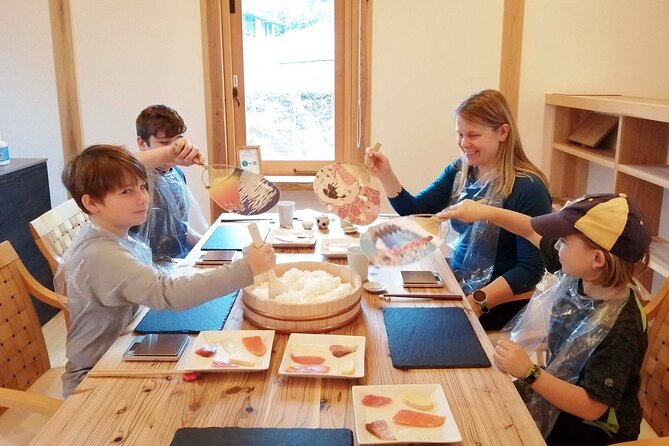
The whole experience runs about 1 hour 30 minutes. With a tight time window, the class stays focused on the core skills you need right away. Here’s the practical flow you can expect.
First, you tackle the foundation: how to season sushi rice. This is the step that turns “cooked rice” into sushi rice, and it’s also where most people struggle at home. The class is designed to show you the right method and help you understand what correct rice should feel like.
Then you move into shaping nigiri. The goal isn’t just to make something that looks like sushi. It’s to learn technique: getting the rice portion sized properly and shaping it so it holds together without becoming dense or dry. You’ll practice during the workshop, so you’re not only watching.
Next comes maki rolls. You’ll learn the basics of rolling and the hands-on adjustments that keep the roll from loosening up. The class doesn’t treat rolling like a magic trick. It breaks it into steps you can repeat later.
Finally, you eat. The workshop includes a sushi meal served as lunch or dinner depending on the time you choose. You’re not waiting to leave Kyoto full. You leave full.
Kana’s coaching style: why the small group feels like real instruction
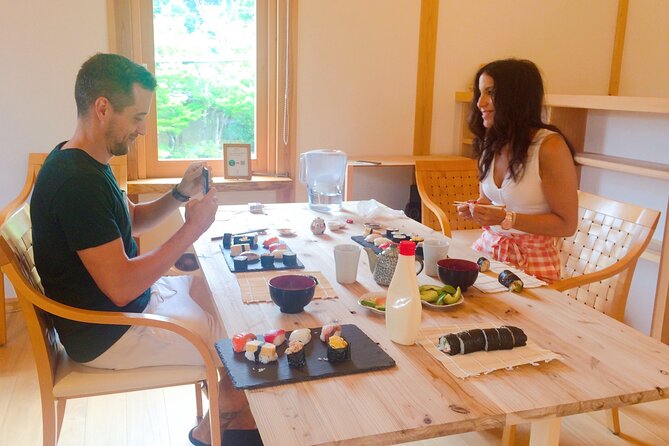
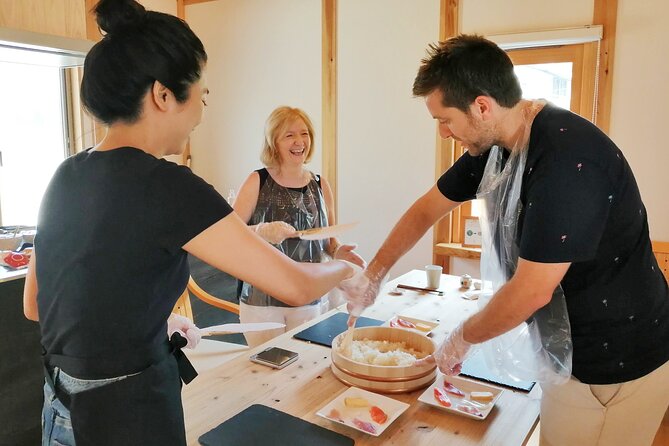
This is limited to 8 travelers, which changes the entire experience. In a bigger class, you might spend half your time waiting for your turn. Here, you get correction when you need it. That’s why people consistently mention Kana’s patience.
Kana is the lead instructor, and multiple reviews describe her as kind, encouraging, and very good at explaining what to do next. Her husband often assists, which helps because you’re not stuck staring at a demo table. You’re learning in a space where someone can spot what’s going wrong with your rice, your grip, or your shaping.
There’s also a cultural layer to the instruction. Some reviews mention Kana sharing her own journey and fun facts about Japanese culture, and even travel tips for the rest of your Kyoto days. That’s not just small talk. When you understand the why behind a technique, the whole process sticks better in your head.
One more practical advantage: you come out with more than a memory. Reviews mention keepsakes like class notes, a sushi mat, and chopsticks, plus tips that help you recreate what you learned.
Nigiri: making it look easy, then making it actually work
Nigiri can look simple in photos. In reality, it’s all about proportion and touch. In this class, you practice nigiri as part of the hands-on workshop, with guidance from Kana.
The key things you’re learning here are:
- how to handle seasoned sushi rice so it stays cohesive
- how to shape rice and pair it with fish and topping in a way that holds together
- how to work without overthinking every motion
What I like about this approach for you: it builds confidence. If you’ve never made nigiri before, the first attempts are usually awkward. A small class with patience helps you avoid the common trap of giving up because the first roll or first shape doesn’t look perfect.
If you’re concerned about the fish part, you should know the class emphasizes premium fresh fish and local ingredients. One review specifically calls out that a participant was initially uneasy but ended up enjoying the freshness. That suggests the quality is taken seriously, and the overall experience is geared toward making the food feel approachable, not intimidating.
Maki rolls: rolling technique without chaos
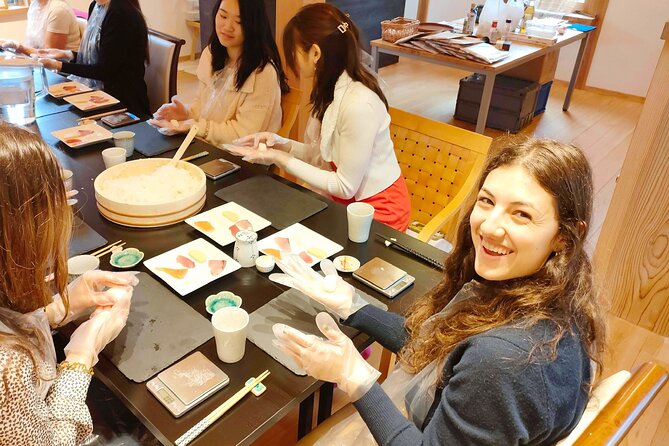
Rolling maki sounds like one technique. It’s really three: setting up the mat and tools, managing what goes inside, and getting the roll tight enough to slice cleanly.
In this class, you practice rolling during the session, not just at the end. That matters because rolling is a muscle memory skill. The more reps you get, the better your results will be when you try at home.
A helpful detail from reviews: people take home a sushi rolling mat and class materials. That’s gold for you because maki is hard to recreate well without the right setup. If you already have a mat, you’ll waste less time figuring out your own equipment and more time practicing the method you learned in class.
Also, keep an eye on the pace. The workshop is described as relaxed and interactive, so you’ll have time to ask questions and get feedback while you’re still in the middle of the process.




The meal: you eat what you made, plus tea/coffee
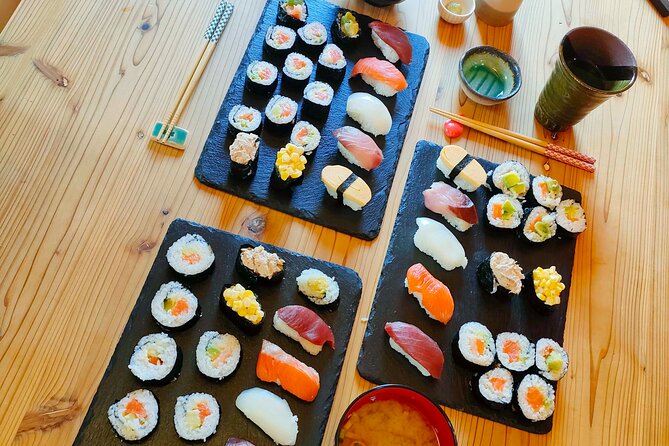
This is a class where the food isn’t an afterthought. The included meal is served as lunch or dinner depending on your workshop time, and your creations are part of what you sit down to enjoy.
You also get coffee and/or Japanese tea. Small add-ons like this can seem minor, but in a class setting it keeps you comfortable, especially when you’re working with rice and then suddenly shifting to eating.
And yes, you should expect plenty. Multiple reviews mention that once people finish, there’s a lot of sushi and they don’t leave hungry. That’s part of the value equation too, because you’re basically combining a cooking lesson with a real meal.
Price and value: why $69.64 can be fair for what you get
At $69.64 per person for about 1.5 hours, the price feels “reasonable” only if you compare it to what’s included. Here’s why it can be good value for you:
- Small group size (max 8): you’re paying partly for coaching, not just ingredients.
- Premium fresh fish and local ingredients: sushi classes that use high-quality components taste better, and the lesson sticks.
- Hands-on workshop: you’re not just watching. You’re practicing key steps like rice seasoning, nigiri, and maki rolling.
- Meal included: you eat the results of your work, served as lunch or dinner.
- Gear included: aprons and gloves are provided, which means less hassle and more comfort during prep.
- Take-home keepsakes reported in reviews: sushi mat, chopsticks, and class notes/recipes. That’s the part that helps you keep the lesson going after Kyoto.
If you’re the type who likes practical souvenirs instead of useless postcards, this class checks that box.
Allergies and diet fit: what to plan for before you arrive
There’s no vegetarian or vegan option listed. So if your diet is strictly plant-based, don’t plan on swapping fish. You’ll need a different workshop.
If you have other dietary needs, the data you have suggests the team can sometimes accommodate common allergies. Reviews mention gluten and shellfish allergies being handled well. The safest move is to ask directly when you book, and be clear about what you need to avoid.
Also, think about comfort with sushi as an idea. The class focuses on premium fresh fish, and while it’s taught with care, it’s still sushi making—not a cooking class that avoids the raw-fish concept.
Who this Kyoto sushi class suits best
This class is a strong fit if you want:
- a hands-on food experience rather than a long lecture
- small-group attention from Kana and her husband
- to learn both nigiri and maki in one session
- a calm setting near major Kyoto sights so you’re not rushing all day
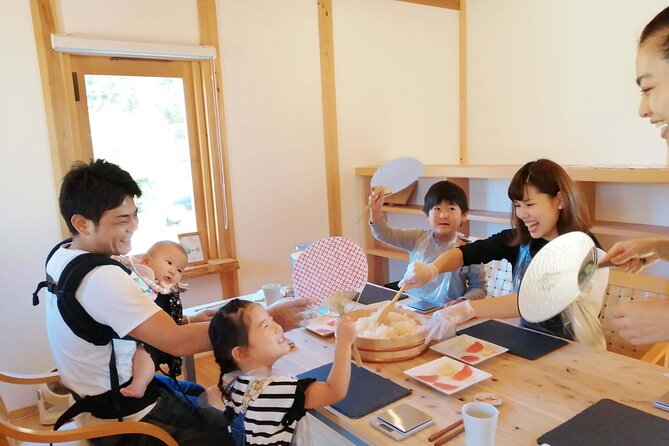
It also works well for couples, solo travelers, and families. Reviews specifically mention a 12-year-old sushi-loving daughter enjoying the class, which suggests it can be approachable even if you’re not a kitchen expert.
One extra tip: if you’re thinking about the rest of your trip, consider booking earlier rather than late. Several reviews include advice and travel tips from the hosts, and having that info sooner can help you choose the right neighborhoods and timing for your Kyoto days.
Quick FAQ before you book
FAQ
How long is the sushi-making class?
It lasts about 1 hour 30 minutes.
What is the group size?
The class has a maximum of 8 travelers.
Is the class taught in English?
Yes. It is conducted in English.
Where do we meet, and does it end there?
You meet at Atelier SUSHI, 311-1 Kitatōryōchō, Higashiyama Ward, Kyoto 605-0918, Japan. The activity ends back at the meeting point.
What kinds of sushi will I make?
You’ll learn to make sushi including nigiri and rolling maki, with instruction on seasoning sushi rice.
Is a meal included?
Yes. A sushi meal is included, served as lunch or dinner depending on the workshop time.
What is included besides the lesson?
Apron and gloves are provided, and you also get coffee and/or Japanese tea. Reviews also mention you take home class materials such as notes, a sushi mat, and chopsticks.
Is there a vegetarian or vegan option?
No vegetarian or vegan option is listed.
Can I get a full refund if plans change?
Yes. You can cancel up to 24 hours in advance for a full refund.
Final call: should you book this sushi class?
If you want a Kyoto experience that’s practical, tasty, and actually teaches skills you’ll use again, this is an easy yes. The combo of small group size, patient coaching by Kana, and hands-on practice with nigiri plus maki gives you value beyond the meal.
Skip it only if vegetarian/vegan is a must for you. If you’re comfortable with sushi and want a calmer, more authentic setting near Kiyomizu-dera and Gion, book it. Come hungry, ask questions, and don’t be surprised if you leave thinking you could make sushi at home after all.