REVIEW · KYOTO
Sushi Making in Kyoto! Same-day bookings welcome!
Book on Viator →Operated by SUSHI MASTER JAPAN · Bookable on Viator
Sushi in Kyoto turns eating into making. In about 90 minutes at Sushi Master Kyoto Kawaramachi, you learn sushi rice basics, shape nigiri and rolls, and get to eat what you made. It’s a practical food class in the middle of a tourist-friendly neighborhood.
I especially like the English-speaking instruction that keeps things calm for first-timers, including families. I also like the hands-on flow—rice, shaping, rolling—so you leave with usable technique, not just a lecture.
The main drawback is simple: the place can be tricky to find, since it’s on a smaller side street and tucked away up in the building.
In This Review
- Key things to know for this sushi class
- Why this Kyoto sushi workshop feels different from a typical food stop
- Finding Sushi Master Kyoto Kawaramachi: go early and use maps
- What you actually do: the 90 minutes, step by step
- The quick intro: sushi, Japanese food culture, and expectations
- Learning sushi rice: the foundation of everything
- Hands-on sushi making: nigiri and roll, piece by piece
- Time to eat: you taste your own work
- Gifts and a small celebration
- What’s included (and what costs extra)
- Allergies and vegetarian preferences: tell them before you go
- Price and value: is $53.72 a good deal in Kyoto?
- The main watch-outs (so you don’t lose time)
- 1) You need to treat the location like a priority
- 2) It’s hands-on, not a full technical training
- 3) Drinks are where surprises happen
- Who should book this Kyoto sushi class
- Practical tips to get better results during your sushi-making class
- Should you book Sushi Making in Kyoto?
Key things to know for this sushi class
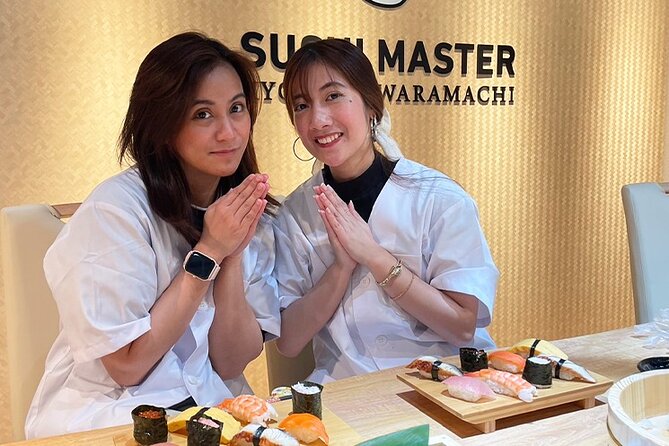
- Beginner-friendly, English-led practice that helps you shape nigiri and roll with less stress
- Nigiri & roll (about 10 pieces) with a timed, hands-on structure
- Sushi rice focus so you understand how the rice should feel and stick
- Small group feel (maximum 30 people), which makes questions easier
- You eat what you make, so there’s no awkward “watch and wait” part
- Sake and drinks are extra (soft drinks and alcohol can be ordered during class)
Why this Kyoto sushi workshop feels different from a typical food stop
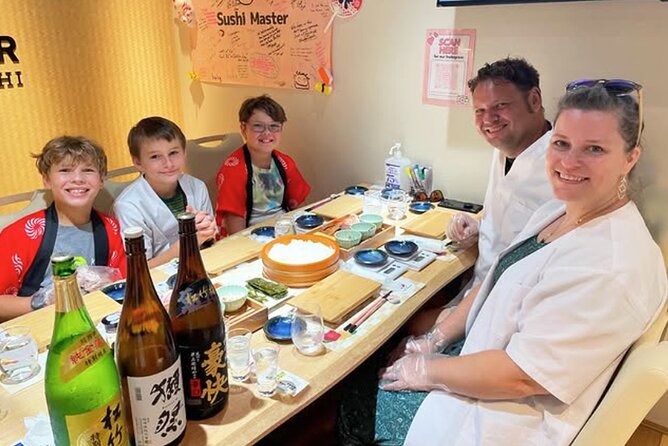
Kyoto can be a lot of walking. This class turns food into a hands-on activity, so your day gets a break that still feels fun and local. You’re not just tasting sushi—you’re learning why it works.
The setting is also practical. The meeting spot is in Kyoto Kawaramachi, a hub that’s easy to reach and easy to pair with other plans before or after. That matters when you’re on a tight schedule and don’t want a “maybe this will be easy” situation.
Two things make this workshop especially appealing. First, the instruction is designed for mixed groups, including beginners. Second, the class ends with a meal you made yourself, so the value is very tangible.
You can also read our reviews of more tours and experiences in Kyoto.
Finding Sushi Master Kyoto Kawaramachi: go early and use maps
Location is where your success or frustration starts. The restaurant is listed as Sushi Master Kyoto Kawaramachi, and you should search that exact name on Google Maps.
In practice, I’d plan like this:
- Look for the small street approach rather than expecting a big street-front sign.
- Be ready for a room that feels a bit hidden inside a shopping area.
- Check for the stair access since it’s described as being up, next to a well-known store (Sketchers came up in feedback).
If you’re coming from a different part of Kyoto, give yourself buffer time. You don’t want your sushi class to turn into a stealth navigation mission. Once you arrive, the rest is smooth.
What you actually do: the 90 minutes, step by step
This course runs about 90 minutes total, and the structure is designed to keep you moving from learning to making to eating.
The quick intro: sushi, Japanese food culture, and expectations
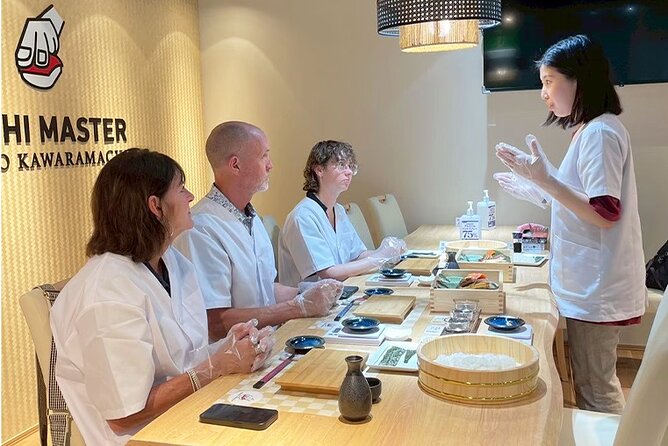
The class starts with a brief introduction to sushi and Japanese food culture. You also get an overview of what the session covers—especially the rice and the specific formats you’ll make.
This intro is useful even if you already love sushi. It sets the “why” behind the “how,” so when you’re shaping rice and building nigiri or rolling, it feels purposeful rather than random.
Learning sushi rice: the foundation of everything
You’ll learn how to make perfect sushi rice. The rice is the heart of the whole experience—get that right and the rest makes sense. This portion is where beginners usually gain confidence fast.
You’re also able to ask questions as you go. If you’ve ever eaten sushi and wondered why one piece feels different from another, this is the moment to connect the taste to the technique.
Hands-on sushi making: nigiri and roll, piece by piece
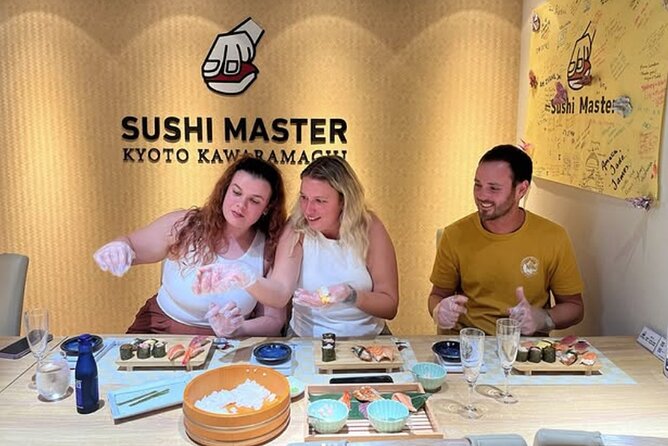
The standard course is Nigiri & Roll, totaling 10 pieces. You work with friendly English-speaking instructors, and the pace is built for first-time sushi makers.
This is the fun part: hands get sticky, you learn how to press and shape rice without crushing it, and rolling turns from intimidating to surprisingly manageable. You’ll typically build the pieces in the class so you’re not guessing later at home.
In feedback from earlier classes, instructors like Kioko and Rio were specifically praised for being patient and encouraging with kids and beginners. That’s exactly the vibe you want in a hands-on workshop.
Time to eat: you taste your own work
After the making portion, you eat the sushi you created. This is a big deal. Many cooking classes are “cook and leave.” Here you get the immediate payoff.
You’re also likely to try Japanese sake with your meal, since the experience is described as offering that. Drinks aren’t included across the board, but soft drinks and alcohol can be ordered during the class. If you want to keep costs predictable, you can skip alcohol and stick to what’s included in the meal.
Gifts and a small celebration
You get special gifts, and some classes include a Sushi Master Certificate. It’s a small souvenir, but it also reinforces that you did something real—learned technique and produced a meal.
What’s included (and what costs extra)
Here’s the deal in plain terms.
Included:
- Sushi ingredients for the experience
- English-speaking staff
- The sushi meal (the pieces you make)
- Special gifts
Not included:
- Drinks (soft drinks and alcohol can be ordered)
- Hotel pickup and drop-off
Why this matters for value: you’re paying for a complete “learn + make + eat” package. If you’re already the type who orders sushi anyway, this class gives you a skill and a souvenir of sorts—not just a plate.
Also note: ingredients may vary depending on availability. If you have dietary needs, tell the team early.
Allergies and vegetarian preferences: tell them before you go
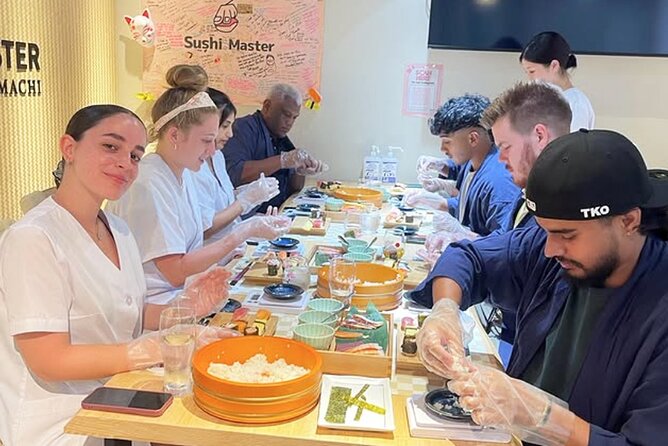
The class asks you to inform them in advance about allergies or vegetarian preferences in the Special Requirements section.
Since ingredients can vary depending on availability, don’t assume your request will be possible on the day unless the staff has it in advance. If you have a serious allergy, be extra clear and specific when booking.
This small step can save you from a stressful moment right before the class starts.
Price and value: is $53.72 a good deal in Kyoto?
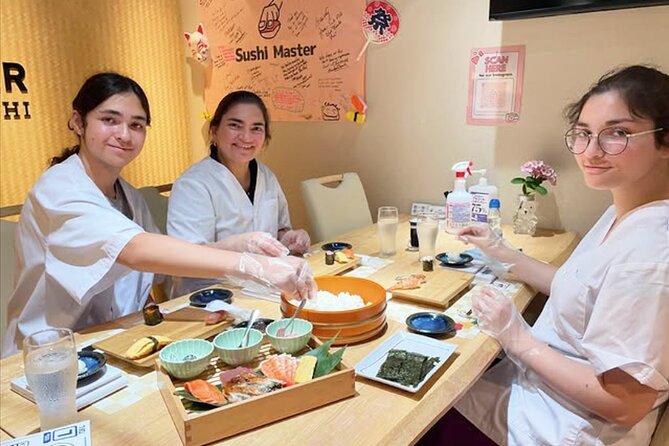
At $53.72 per person, this is priced as an activity, not just a meal. Whether it’s good value depends on what you want out of the experience.
If you want:
- a guided sushi lesson in English,
- hands-on practice shaping nigiri and rolling,
- and a meal you can eat immediately,
then the price makes sense. You’re also getting ingredients, staff time, and small extras (gifts/certificate). For families, this kind of structured activity can be worth more than another dinner outing because it keeps everyone engaged.
Where the price can feel less fair is in the add-ons. Drinks are extra. One piece of feedback noted that drinks can be expensive for the quality. So if you’re strict about budget, treat alcohol or premium drinks as optional.
The main watch-outs (so you don’t lose time)
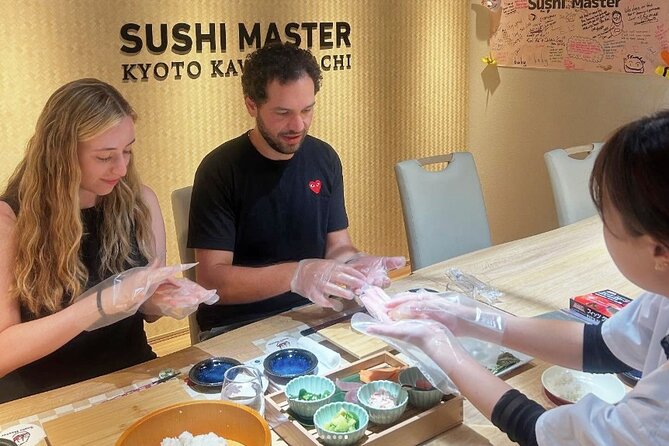
This class is strong for beginners, but it’s not perfect for every learning style.
1) You need to treat the location like a priority
Because the space can be hard to spot, plan arrival time carefully. If you show up late, you’ll feel it during the intro and rice portion.
2) It’s hands-on, not a full technical training
Some people want more deep, step-by-step instruction—especially around rice-making details and precise fish prep. This class is still very practical, but it’s designed for a fun, approachable session, not a kitchen workshop for pro-level technique.
If your goal is serious skill mastery (like sushi chef training), you might feel the pace is more about doing than dissecting every technique.
3) Drinks are where surprises happen
The meal is included. Drinks are not. If you plan to add sake or other beverages, budget for it ahead of time.
Who should book this Kyoto sushi class
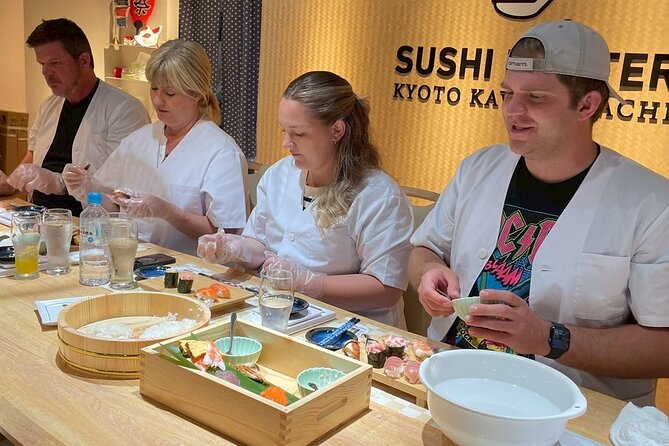
This workshop is a great fit if:
- you’re a beginner who wants structured, friendly instruction,
- you’re traveling with kids (including school-age kids),
- you want an activity that breaks up Kyoto sightseeing,
- you love sushi and want to understand how sushi rice and shapes work.
It also suits couples looking for something different than another dinner reservation. Making sushi together turns the meal into an event.
If you hate sticky hands, you’ll still survive—but you may have a different tolerance for kitchen mess than most people.
Practical tips to get better results during your sushi-making class
A few small moves help you enjoy the session more.
- Pay attention during the sushi rice part. That’s where your final pieces either hold together or fall apart.
- Ask questions early, not after you finish your first piece. In small classes, instructors can usually help while you’re still practicing.
- Give your instructions a fair try before assuming you’ve failed. Sushi shaping takes a couple attempts, even for adults.
- If you’re sensitive to strong smells, remember you’ll be working with typical sushi ingredients in a restaurant kitchen environment.
And for your sanity: bring curiosity. The class is meant to be playful, not intimidating.
Should you book Sushi Making in Kyoto?
I’d book it if you want a fun, structured sushi experience in Kyoto Kawaramachi that ends with real food you made. The value is strong because you get instruction in English, ingredients, and a meal, all in about 90 minutes with a small group size.
Skip it or consider a different style of class if you’re chasing very technical, chef-level fish handling or super deep theory. Also, go in knowing the location may take a little extra effort to find, so don’t schedule it as the last stop of your day.
If you’re unsure, you can usually cancel without penalty up to 24 hours before (local time rules apply), which gives you a safety net.
If your goal is “learn enough to understand sushi, then eat your own,” this workshop delivers.


![[Kyoto Street Shot] Recording every wonderful moment of travel with shutter (free kimono experience) - Meeting Spot and the Real Timing: When to Arrive](https://l.discoveringkyoto.com/wp-content/uploads/kyoto-street-shot-recording-every-wonderful-moment-of-travel-with-shutter-free-kimono-experience-400x267.jpg)