REVIEW · KYOTO
Kyoto Food Tour of 10 Tastings with Wagyu, Mochi & More Surprises
Book on Viator →Operated by Secret Food Tours · Bookable on Viator
Kyoto can be hard to pin down. This food tour gives you a simple route with 10 tastings and a Karasuma to Gion walk, plus stops like Nishiki Market, Pontocho, and a matcha tea tasting. I like how the pace stays relaxed in a small group and how you get Kyoto staples like yuba tofu paired with things like katsudon and okonomiyaki. One thing to consider: if you expect lots of deep meal history and very detailed English, you may want to choose your tour style carefully—guides can be fairly soft-spoken.
You’ll meet at a very easy landmark near Karasuma Oike Station, then spend the next 3 hours 30 minutes eating your way across neighborhoods that most visitors only skim. The tour is priced at $142 per person, and the value really depends on whether you enjoy guided tasting (with sake and beer included) more than sampling everything DIY.
In This Review
- Key highlights worth clocking before you go
- Starting line: Karasuma Oike to a comfy first bite
- Kyoto Tonkatsu Katsuda: Katsudon with a local twist
- Nishiki Market: yuba tofu, sake, and fish cakes you didn’t know to search for
- Wagyu sushi and the hidden rhythm of tasting
- Walking breaks in Gion: Pontocho, the Kamo river, and views that change the mood
- Kyoto-style okonomiyaki: warm comfort in a quaint setting
- Matcha tea tasting: the Kyoto endgame
- Where the tour ends: Minami Gion, Yasaka Shrine area, and transit convenience
- Price and value: $142 worth it for 10 tastings?
- Who should book (and who might skip)
- Quick FAQ (practical answers)
- FAQ
- What’s the duration of the Kyoto food tour?
- How many people are in the group?
- Where does the tour start?
- Where does the tour end?
- What’s included in the tastings?
- Are drinks included?
- Do I need to contact the provider for dietary needs?
- Is hotel pickup included?
- How much walking is involved?
- What happens if the weather is bad?
- Should you book this Kyoto food tour?
Key highlights worth clocking before you go
- Karasuma-to-Gion route: you finish near Minami Gion with the Yasaka Shrine area close by.
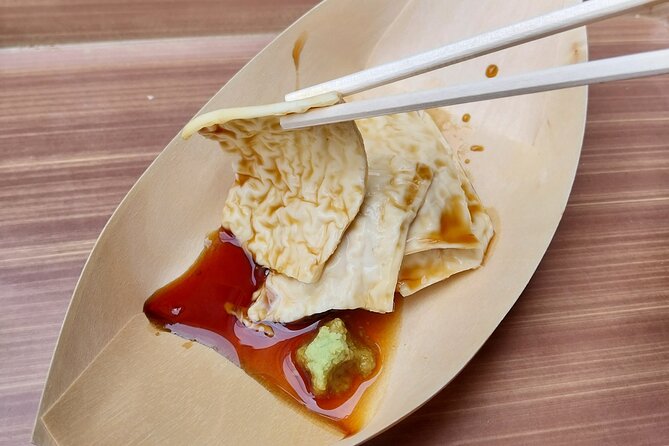
- Yuba tofu presentation: you get context for Kyoto’s famous tofu skin before you taste.
- Wagyu sushi and mochi included: the menu isn’t just basic street snacks.
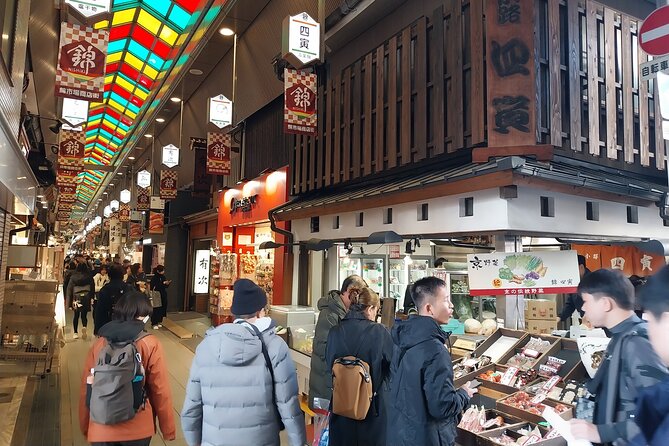
- Nishiki Market time: you’ll walk the market street and sample along the way, not just look.
- Sake and draft beer tastings: included drinks are a real part of the experience.
- Small group size (max 10): easier conversation, less crowding, more chill.
Starting line: Karasuma Oike to a comfy first bite
The tour starts in central Kyoto at a Starbucks near Karasuma Oike Station (Subway exit 5 area). Look for the guide in an orange umbrella. That small detail matters in Kyoto—streets are crowded, signage can be confusing, and you don’t want to waste your first 15 minutes wandering.
After a quick introduction, you’ll head straight into your first tasting. This is one of the reasons I like this tour style: you don’t “earn” food by waiting. You get rolling fast, then the rest of the walking makes sense.
You’ll want comfortable shoes. The experience is about 3 hours 30 minutes and involves enough walking to make footwear a bigger deal than usual. If your plan includes other sightseeing the same day, I’d schedule a slower afternoon or evening afterward.
You can also read our reviews of more food & drink experiences in Kyoto

Kyoto Tonkatsu Katsuda: Katsudon with a local twist
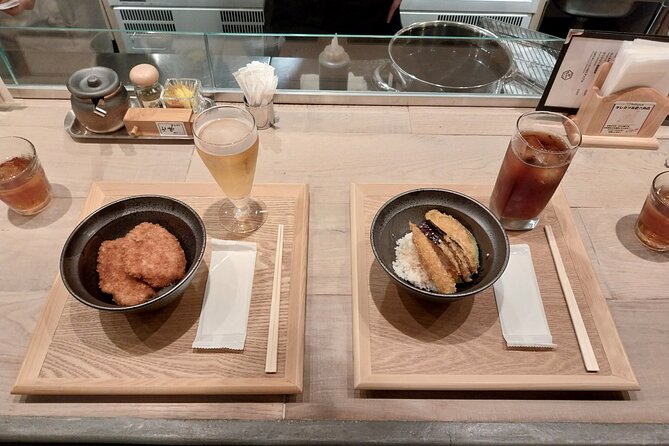
One of your earliest stops is a traditional katsudon spot—kyoto-style pork cutlet rice. Even if you’ve had katsudon elsewhere, this stop is about the regional flavoring twist the tour includes. Think of it as your comfort-food anchor: crispy pork, savory sauce, and that Kyoto “this is how we do it here” adjustment.
What makes this part work for most people is the timing. You’ll likely be fresh enough in the morning or early afternoon to enjoy the heavier comfort food before the market section, where you’ll be tasting multiple items.
A small caution based on what you should expect: the tour includes multiple fried items across the tastings. If you get burned out on fried food quickly, consider bringing a water bottle and planning mentally for some crunch.
Nishiki Market: yuba tofu, sake, and fish cakes you didn’t know to search for
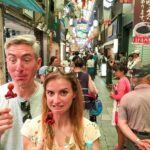
Nishiki Market is the main reason many people come to Kyoto food-wise, but most visitors treat it like a photo stop. Here, you actually use it.
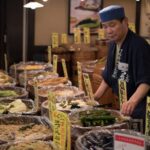
You’ll spend about 1.5 hours along the market street where you’ll learn about local artisans and their trades while tasting Kyoto’s most renowned yuba tofu. Yuba tofu is the star ingredient because it’s a Kyoto-specific preparation—its flavor and texture are different from what most people expect from tofu. A presentation is included, so you’re not just handed a bite; you’ll learn what you’re eating.
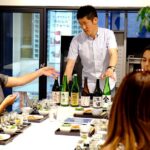
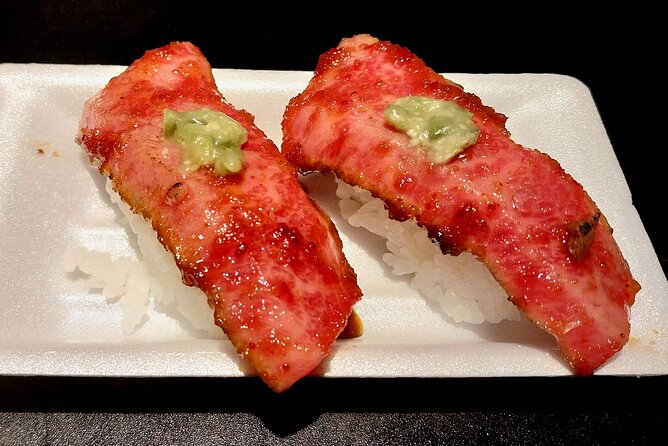
This is also where the tour folds in drinks. A sake tasting is included, and you’ll have chances to try items like freshly made fish cakes with different flavors. I like that the tour uses the market as a guided “choose-and-compare” environment. You’re tasting in sequence, which helps you understand what you like without having to decide every purchase on your own.
If you want a lot of background detail—food history, ingredients, and the deeper why behind each dish—this tour can be a mixed bag depending on your guide. Some guides focus more on keeping things moving and letting you eat, while others talk more. You can still have a great time either way; just calibrate expectations.
Wagyu sushi and the hidden rhythm of tasting
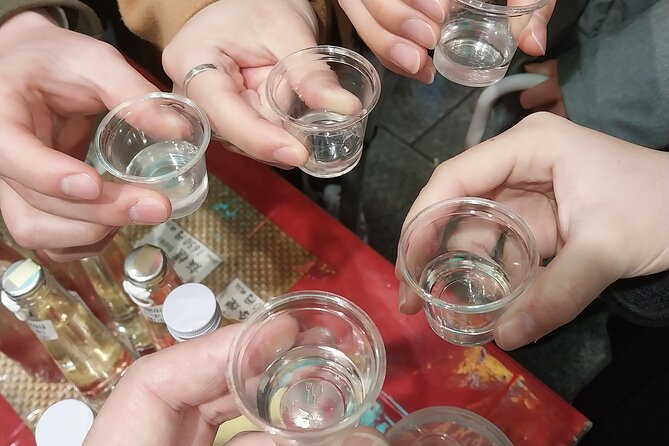
The tour includes wagyu sushi (seared) as part of the 10 tastings. It’s a nice contrast to all the warm, fried, handheld bites you’ll see around Kyoto. Wagyu sushi also helps break up the texture pattern—soft rice, rich beef, and that clean bite feel that resets your palate.
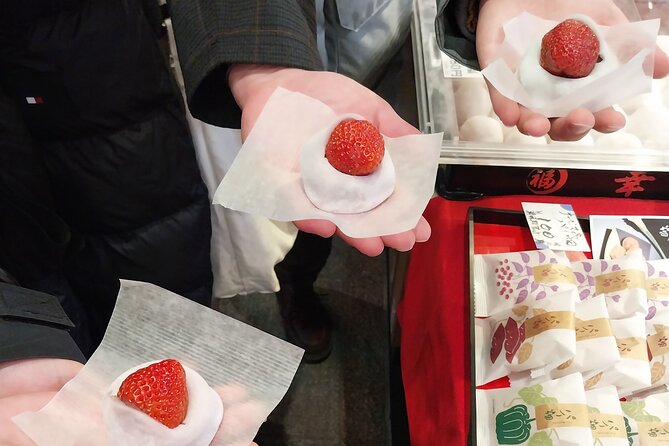
You’ll also get additional sweets and surprises. The included menu list mentions daifuku mochi with a seasonal fruit filling, plus a secret dish. The secret dish element is fun because Kyoto has hundreds of food options, and you don’t want your first day to turn into decision fatigue.
The value angle here is that tasting tours do the selection work for you. DIY is possible, but it’s time-consuming, and it’s easy to accidentally buy a lot of the same type of item. Guided tasting gives you range: savory, sweet, and drinks.
Walking breaks in Gion: Pontocho, the Kamo river, and views that change the mood
At some point you shift from pure eating to Kyoto scenery. You’ll walk through the streets and get views of Pontocho and the Kamo river before reaching the Gion area.
This section is more than a breather. It’s where the tour helps you “place” the food in Kyoto geography. When you eat in Japan, the neighborhood matters—what you’re tasting feels more meaningful when you can picture the surroundings it belongs to.
You get about 30 minutes here, and it’s enough time to take a few photos without turning the tour into a sightseeing marathon.
You can also read our reviews of more tours and experiences in Kyoto
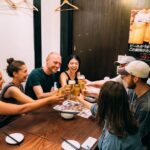
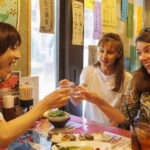
Kyoto-style okonomiyaki: warm comfort in a quaint setting
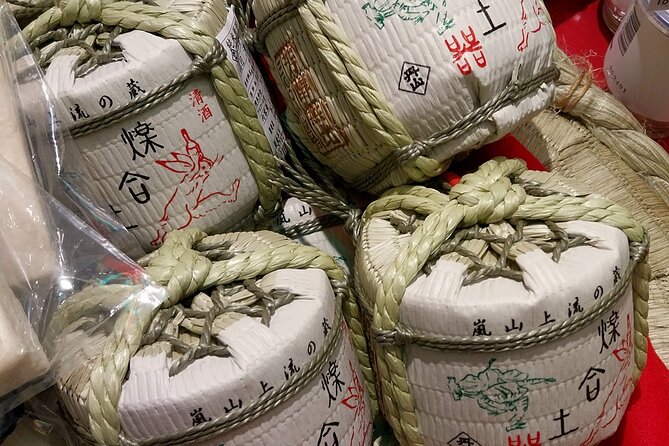
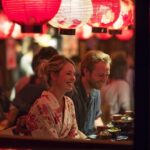
Then comes okonomiyaki, prepared in the Kyoto way. Your stop is a quaint restaurant where you get a well-deserved rest and a hearty bite. Okonomiyaki is a good mid-tour reset because it’s warm, filling, and satisfying even if your stomach is starting to feel full of tastings.
This stop also helps balance the earlier savory bites. Earlier you’re likely dealing with heavier cutlet textures and market flavors. Okonomiyaki adds a different cooking method and a more pancake-like structure.
If you’re the type who hates being “stuck” in one restaurant, don’t worry—the tour keeps moving. The okonomiyaki stop is a pause, not an all-day sit-down.
Matcha tea tasting: the Kyoto endgame
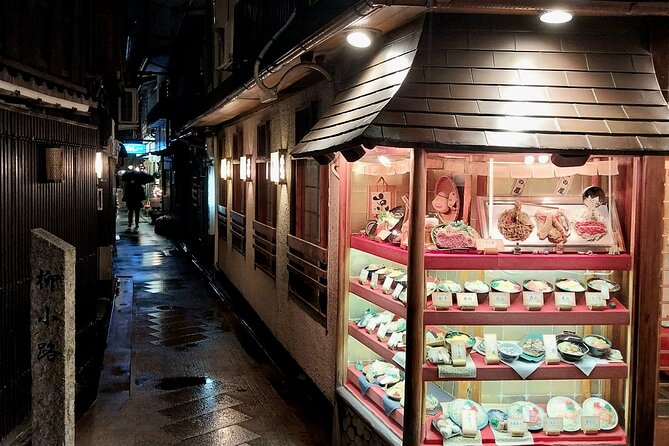
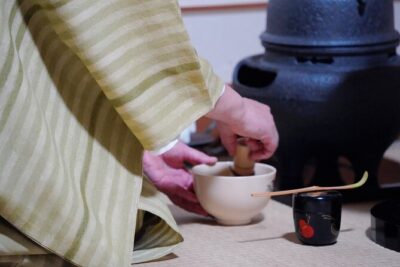
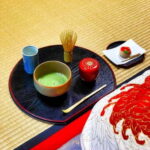
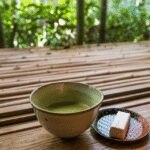
The tour ends with Japanese tea tasting tied to Kyoto’s matcha culture. You’ll stop at a well-known matcha venue, and depending on the season you’ll enjoy either hot or cold tea from a selection.
I like that the finale isn’t just another sweet. Tea works as a palate cleaner after savory fried items, rich wagyu, and mochi. It also gives you something practical to remember: how matcha can taste different depending on how it’s prepared and served.
If you’re a tea person, this is a strong closer. If you’re not, at least you’ll have a quick way to experience what Kyoto is doing with matcha beyond the souvenir tin.
Where the tour ends: Minami Gion, Yasaka Shrine area, and transit convenience
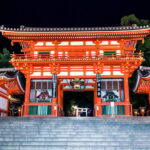
You finish at the entrance to Minami Gion. The closest subway option is a couple minutes away at Gion Shijo Station on the Keihan Line, and the Yasaka Shrine area is just steps away.
This is ideal if your Kyoto plan includes evening atmosphere in Gion. It also means you can keep your night simple: walk a bit, explore nearby streets, and you’re not stuck far from transit.
Price and value: $142 worth it for 10 tastings?
At $142 per person, this tour isn’t a budget snack crawl—it’s a structured tasting experience. The value makes sense if you factor in what’s included:
- 10 tastings (including wagyu sushi, yuba tofu, mochi, and more)
- A glass of draft beer
- Sake tastings
- Japanese tea tasting
- Plus an included secret dish and multiple guided food stops
DIY in Kyoto can be cheaper on paper, but it’s not always cheaper in reality. You pay in time, decision stress, and the risk of repeating flavors or missing Kyoto-specific items like yuba tofu presentations. Here, you get the selection for you.
The main value risk is if you don’t like the tour’s style—more fried and street-style items, plus a guide who may not provide lots of granular meal explanations. If that sounds like your biggest concern, you should make sure your travel style matches a calm walking format.
Who should book (and who might skip)
I think this tour fits best if you:
- want a guided tasting route through central Kyoto instead of building your own plan
- enjoy market wandering with structure (not just browsing)
- like food variety, including sweets and drinks
- prefer a small group max of 10
I’d be more cautious if you:
- strongly prefer fresh, non-fried foods only
- need very detailed meal history and very strong English explanations
- hate walking in one continuous route (it’s not a sit-and-eat tour)
Quick FAQ (practical answers)
FAQ
What’s the duration of the Kyoto food tour?
It’s about 3 hours 30 minutes.
How many people are in the group?
The tour has a maximum of 10 travelers.
Where does the tour start?
It starts at Starbucks Coffee – Kyoto Sanjo Karasuma Building, near the Subway Karasuma Oike Station exit 5 area.
Where does the tour end?
It ends at the entrance of Minami Gion, near Gion Shijo Station on the Keihan Line, with Yasaka Shrine a few steps away.
What’s included in the tastings?
The included menu list covers yuba tofu, katsudon with a sweet local twist, okonomiyaki, wagyu sushi, fresh fish cakes, daifuku mochi with seasonal fruit filling, a secret dish, draft beer, sake tastings, and Japanese tea tasting (hot or cold).
Are drinks included?
Yes. You get a glass of draft beer and a tasting of various Kyoto sakes, plus Japanese tea tasting.
Do I need to contact the provider for dietary needs?
Yes. The tour asks you to contact them in advance for any dietary requirements so they can cater as best as possible.
Is hotel pickup included?
No. Hotel pickup and drop-off are not included.
How much walking is involved?
There’s a fair amount of walking, so comfortable shoes are recommended.
What happens if the weather is bad?
The experience requires good weather. If it’s canceled due to poor weather, you’ll be offered a different date or a full refund.
Should you book this Kyoto food tour?
If you want an easy, guided way to eat Kyoto specialties and end in the Gion/Yasaka Shrine area, I’d book it. The strongest selling points are the combo of yuba tofu presentation, wagyu sushi, mochi, and the included drinks (sake, beer, and matcha). It’s also well suited for a first-time Kyoto food day because the route stitches neighborhoods together with the right amount of walking and rest.
Just match it to your preferences: if you’re not a fan of fried foods, or you need lots of in-depth commentary, plan accordingly. For everyone else, it’s a solid way to turn 3.5 hours into multiple Kyoto flavors you’d be unlikely to assemble on your own.