REVIEW · KYOTO
South Kyoto in a Nutshell: Gentle Backstreet Bike Tour!
Book on Viator →Operated by Cycle Kyoto · Bookable on Viator
Backstreets make Kyoto feel personal. This gentle south Kyoto bike tour threads together famous places with quieter side streets, and you’ll get help with crowd-smart routing and map-free riding.
I love that you cover a lot of ground without rushing through everything on foot. I also like the fact that gear is handled for you: a Cannondale bike plus helmet and bottled water are included. The main thing to consider is that photo-heavy stops can feel a bit time-managed, so if you want long pauses for shots, you’ll want to move briskly with the group.
If you’re comfortable riding a bike and you’re at least 13, this works really well. The tour runs about 3 to 4 hours and keeps groups small (max 8), which helps it stay calm instead of chaotic.
In This Review
- Key highlights you’ll feel right away
- Why biking south Kyoto beats walking or bus-hopping
- Getting started at Cycle Kyoto (and why 9:00 am helps)
- Stop 1: Nishi Honganji’s massive wooden presence
- Takase Canal by bike: calmer water streets and easy photos
- Gion at human speed: riding through the geisha district
- Tofuku-ji Temple: quick access to big Zen views
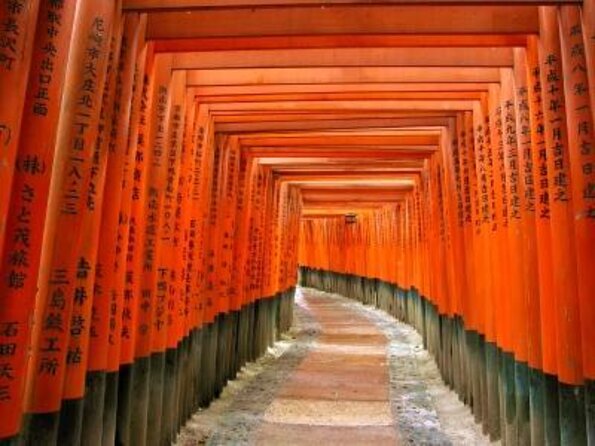
- Fushimi Inari-taisha: the crowd-smart part of the day
- The ride experience: pace, safety, and what the bike feels like
- What’s included for $79.59, and why that’s good value
- Who this tour is best for (and who may want something else)
- Should you book this South Kyoto bike tour?
- FAQ
- How long is the tour?
- What does it cost?
- Where is the meeting point?
- What time does the tour start?
- What is included with the tour?
- What places will you visit?
- Are admission tickets included?
- What is the group size limit?
- Is there a minimum age or riding requirement?
- Is the tour dependent on weather?
Key highlights you’ll feel right away
- Backstreet riding: fewer big-road interruptions and more Kyoto-at-street-level views
- Guide-led “crowd paths”: especially helpful for Fushimi Inari-taisha
- Bike + helmet + water included: no gear hunt before you start
- Major sights in one loop: Nishi Honganji, Takase Canal, Gion, Tofuku-ji, and Inari
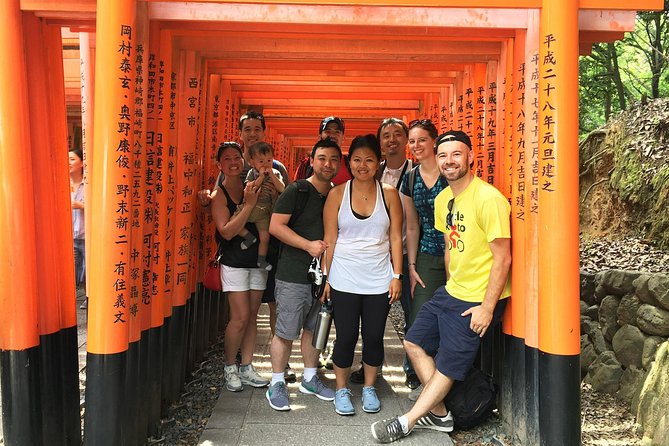
- Small group size: max 8, which makes pacing easier to manage
Why biking south Kyoto beats walking or bus-hopping
Kyoto is famous for crowds, but it’s also famous for streets that don’t make sense on a big bus loop. This tour’s whole trick is simple: you ride through the neighborhoods between the big ticket sights. That means you see more “everyday Kyoto” while still checking off the places most people travel here for.
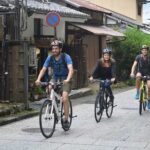
A second win is speed with control. Walking is slow, and you can burn hours just going from one highlight to the next. Riding lets you shift your focus from directions to noticing things—temple gates, canals, side streets, and street signs you’d miss at a slower pace.
You also get one of the best forms of stress relief in Japan travel: someone else handles the route choices. When you’re steering around pedestrians and busier pockets, having a guide makes the whole ride feel smooth and safe.
You can also read our reviews of more cycling tours in Kyoto
Getting started at Cycle Kyoto (and why 9:00 am helps)
The tour meets at Cycle Kyoto in Minami Ward, Kyoto. The address is 7 Higashikujō Nishisannōchō, Minami Ward, Kyoto, 601-8003, Japan, and the start time is 9:00 am.
That early start matters more than you’d think. It helps you get to key areas before the heaviest crush, and it also sets the tone for a gentle ride instead of a late-day scramble. One rider even described the ride as relaxed and said the timing felt right for half a day.
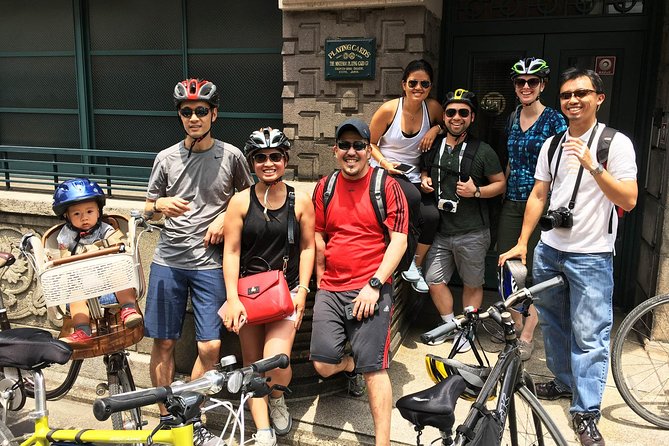
Before you go anywhere, you’ll meet your guide and the other group members, then get your bike fitted. The tour includes bottled water, so you’re not dealing with the practical stuff while you’re trying to enjoy the day.
Stop 1: Nishi Honganji’s massive wooden presence
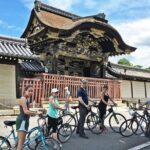
Nishi Honganji is a great early stop because it’s impressive without being the kind of place you always see on every Kyoto checklist. It’s described as one of the least visited religious sites in the city and also as having one of the largest wooden buildings in the world.
What I like about starting here is the contrast. The ride is already moving you through side streets, and then you step into a setting that feels weighty and calm. Even if you don’t go deep into architecture, you can still feel the scale right away—something big and different from the smaller shrine experiences.
Timing here is short (about 15 minutes). That’s good if you want to keep energy for later photo stops, but it also means you won’t have hours for slow wandering. Go in ready to look, read only what grabs you, and then move on when your guide signals it’s time.
Takase Canal by bike: calmer water streets and easy photos
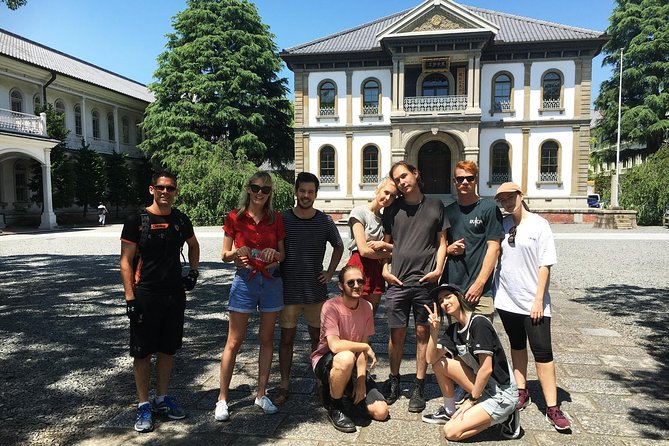
After Nishi Honganji, the tour follows the Takase Canal. This is one of those Kyoto spaces that feels made for two wheels: you get movement along the water, and you can still stop for photos without turning it into a whole detour.
The tour description also frames the canal as part of Kyoto’s history, and that context helps you look past the scenery. You’ll likely hear why this kind of waterway mattered to the city, and then you can connect the explanation to what you see as you ride.
The main drawback here is timing is flexible but not unlimited. You’ll want to keep an eye on where your guide wants you to meet back up, since the canal stretch is where people naturally want to linger for pictures.
Gion at human speed: riding through the geisha district
Then you hit Gion, Kyoto’s famous geisha district. The big benefit of doing Gion by bike is that you don’t spend the whole time stuck at the edge of crowds. You pass through at street-level, with the added advantage of moving through areas that buses can’t use as easily.
The tour keeps this stop to about 15 minutes. That’s enough for a few good photos and a feel for the lanes and atmosphere, but it’s not enough for people who want long sit-down time just soaking it in. One common note from riders is that portions of Gion can feel a little rushed if you stop to take multiple photos and linger for extra moments.
Here’s the practical move: decide what you want most before you arrive. If you want wide street photos, keep your stops tight. If you want to catch glimpses of performers, you’ll still want to stay patient, but don’t slow down the whole group—stay with the guide’s pacing and take shots when the lane opens up.




Tofuku-ji Temple: quick access to big Zen views
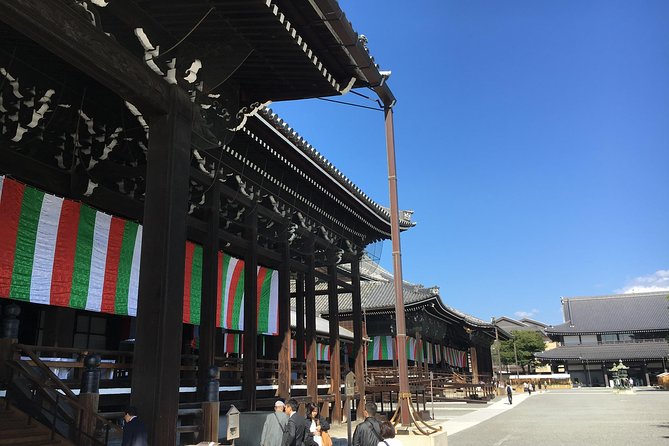
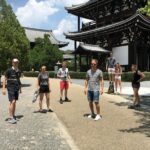
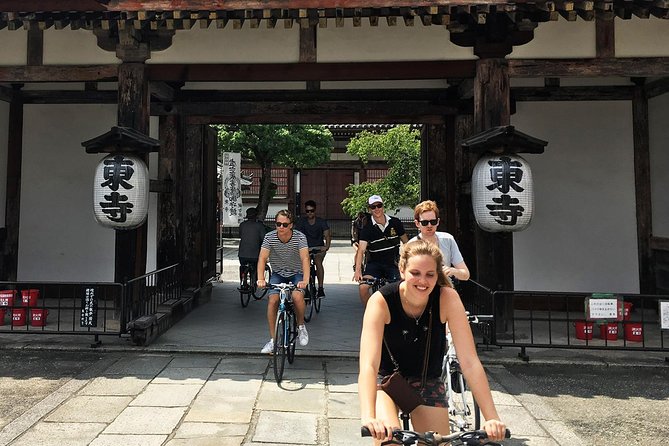
Next is Tofuku-ji Temple for about 5 minutes. That short window might sound like a tease, but it works within the tour’s goal: cover multiple major sites without turning the whole morning into museum time.
Even in a brief stop, you can still appreciate what makes Tofuku-ji worth the detour: it’s described as one of the oldest and largest Zen temples in Japan, and you’ll get views from the bridge plus wide temple grounds.
If you’re someone who loves architecture and temple layouts, you might wish you had more time. But as part of a loop ride, it still gives you the essential “I was here” moment without swallowing the rest of your morning.
Fushimi Inari-taisha: the crowd-smart part of the day
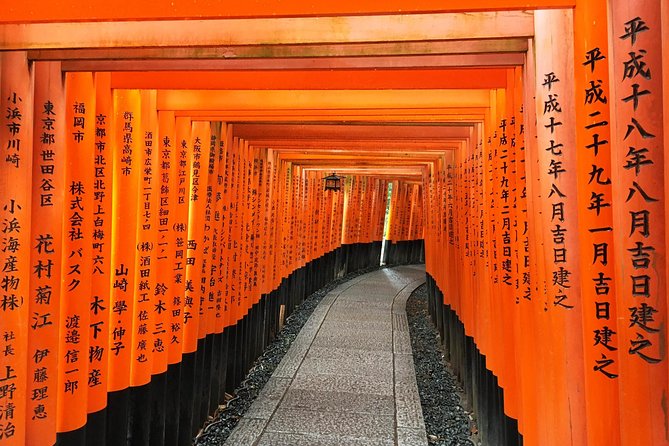
Finally, you reach Fushimi Inari-taisha Shrine, which is described as the city’s most visited attraction and also as tough to navigate.
This is exactly where a guide-led bike route pays off. The tour notes that guides pick a path between crowds so you can enjoy the shrine without getting stuck in the heaviest bottlenecks. In practice, that means less time waiting and more time actually walking through and photographing what you came for.
The stop here is about 25 minutes, which is a solid chunk for Inari. It’s long enough to see key parts and still take photos if you move with purpose. It’s also short enough to avoid the “stuck in the crowd” feeling that can make Inari exhausting late in the day.
One thing to consider: Inari is photo-driven. If you want multiple angles, plan your pace. You’ll enjoy it more if you treat this like an efficient photo walk rather than a slow meander.
The ride experience: pace, safety, and what the bike feels like
This is billed as a gentle backstreet bike tour, and the small group size (maximum of 8) is a big part of why it stays manageable. A group that small means fewer stops and less waiting for everyone to catch up.
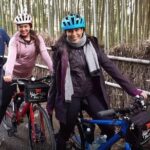
Your bike and helmet are included, and the bike is described as a high quality Cannondale. That matters because Kyoto roads can feel uneven in places, and a comfortable bike makes the whole morning feel lighter.
Riders must be at least 13 years old and be comfortable riding a bike. That’s the key filter. If you’re a brand-new rider, you might still manage with the guide’s instruction, but you should honestly assess your comfort level before booking.
A detail worth knowing from rider feedback: guides give clear instructions about pedestrian and traffic behavior. That’s not just safety talk—it changes how relaxed you feel moving through busy streets.
Also, weather matters. The experience requires good weather. One rider mentioned it was chilly and rainy and reported extra cold-weather items like gloves and a hat. Still, don’t count on weather-friendly conditions—bring layers and expect the day’s temperature to change your comfort on the bike.
What’s included for $79.59, and why that’s good value
At $79.59 per person, the price is easiest to judge by what you don’t have to do. You don’t need to organize bike rentals. You don’t need to bring a helmet. You also get bottled water and a use-of-bike included.
For many first-time Kyoto visitors, bike logistics are a headache: finding a shop, picking a bike, dealing with time limits, and figuring out what to do with it once you’re done. This tour compresses all that into a morning with a guide and a ready-to-go setup.
You’re also not just buying transport. You’re paying for time-saving route selection and on-the-ground decision-making—especially helpful for crowded sights like Fushimi Inari. Even if you know Kyoto basics, the “which streets now” problem is real, and this tour solves it for you.
It’s also a good value if you want a mix of major sights and neighborhood atmosphere. You’re not stuck doing only temples or only market areas. You move through religious sites, canal views, a historic district, and shrine crowds in a single loop.
Who this tour is best for (and who may want something else)
This tour is a strong fit if you:
- want a faster way to cover Kyoto’s south highlights without feeling frantic
- like city walking but also want a break from constant uphill, down-street, and map checking
- enjoy photo stops but can accept a guided pace
- prefer small groups
It may be less ideal if you:
- need very long time at each stop for photos or quiet contemplation
- are easily thrown off by structured timing (some riders felt parts were rushed at photo moments)
- want total freedom to roam without rejoining the guide’s schedule
Should you book this South Kyoto bike tour?
I’d book it if you want the smartest half-day experience: backstreet riding, famous sights, and a route planned to reduce crowd frustration. It’s especially worth it if it’s your first time in Kyoto and you don’t want to spend your morning solving logistics.
If you’re the type who plans to spend 45 minutes alone in every shrine lane, consider a different pace or add time on your own after the tour ends back at Cycle Kyoto. But if you’re okay moving with the group and you want a calm, guided way to see the south side of Kyoto, this is a clear yes.
One more practical check: make sure you’re genuinely comfortable biking. This is gentle compared to aggressive city cycling, but you still need that baseline confidence to enjoy it.
FAQ
How long is the tour?
The tour lasts about 3 to 4 hours.
What does it cost?
The price is $79.59 per person.
Where is the meeting point?
The tour starts at Cycle Kyoto, 7 Higashikujō Nishisannōchō, Minami Ward, Kyoto, 601-8003, Japan.
What time does the tour start?
The start time is 9:00 am.
What is included with the tour?
You get a high quality Cannondale bike, a helmet, bottled water, and use of the bicycle.
What places will you visit?
The tour includes Nishi Honganji, Takase Canal, Gion, Tofuku-ji Temple, and Fushimi Inari-taisha Shrine.
Are admission tickets included?
The itinerary lists admission tickets as free at the stops.
What is the group size limit?
This activity has a maximum of 8 travelers.
Is there a minimum age or riding requirement?
Riders must be at least 13 years old and be comfortable riding a bike.
Is the tour dependent on weather?
Yes. The experience requires good weather, and if it’s canceled due to poor weather you’ll be offered a different date or a full refund.