REVIEW · KYOTO
5 Top Highlights of Kyoto Full Day Bike Tour (E-bike option)
Book on Viator →Operated by Kyoto Bike Tour · Bookable on Viator
Kyoto works best when you move like a local, not a bus seat. This full-day bike tour strings together five of the city’s top sights with real riding time in between. You’ll see the Golden Pavilion, the red torii of Fushimi Inari, and Gion without spending half your day in traffic or queues.
Two things I really like: you choose between a traditional bike and an optional e-bike, and the tour keeps things small-group so the guide can actually manage the pace. You also get practical extras baked in, including helmets, bottled water, and a light lunch plus snacks, so you can focus on riding.
The one drawback to plan around: it’s a long day with moderate fitness expectations, plus there’s walking at several stops. Even with an e-bike, you’re still covering up to about 27 miles (44 km) total.
In This Review
- Key highlights at a glance
- Why Saga-Arashiyama makes this Kyoto day tour feel efficient
- E-bike vs traditional bike: your decision comes down to hills and stamina
- Bamboo Forest Street: start with the sound you’ll remember
- Fushimi Inari-taisha’s red torii tunnel: photos, walking, and crowd sense
- Gion by bike: old Kyoto atmosphere without feeling trapped
- Kiyomizu-dera’s iconic city view: the longest stop is the payoff
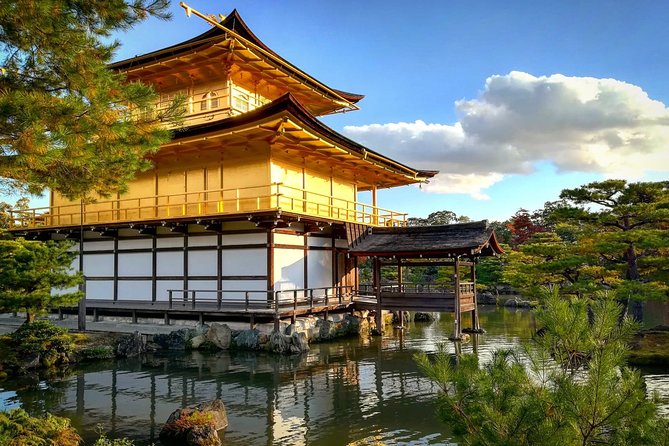
- Kinkakuji’s Golden Pavilion: the final wow moment, timed right
- What’s included (and how it improves your day)
- Group size, guide style, and safety: the stuff you feel most
- How to prepare for a 7–8 hour Kyoto riding-and-walking day
- Price and value: is $172.44 per person a good deal?
- Who this Kyoto bike tour suits best
- Should you book this Kyoto Bike Tour?
- FAQ
- What time does the tour start?
- Where does the tour meet?
- How long is the full-day bike tour?
- How far will I ride?
- Are admission fees included?
- Is the e-bike included?
- What is included in the tour price?
- What is the minimum age?
- Is hotel pickup available?
- Can I cancel for a full refund?
- What happens if the weather is poor?
Key highlights at a glance
- Choose your ride style: traditional bike or optional e-bike for tougher stretches
- Big sights in one sweep: bamboo, torii gates, Gion, Kiyomizu-dera, and Kinkakuji
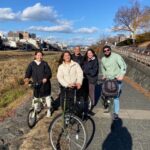
- Small group size: maximum 8 travelers for less waiting and more attention
- Included essentials: bicycle, helmet, water, lunch, snacks, and admission fees
- Guides matter here: past groups singled out guides like Cass, Rob, Peter, Ray, and Kes for safety and culture context
Why Saga-Arashiyama makes this Kyoto day tour feel efficient
This tour starts at Saga-Arashiyama Station at 8:30 am and ends back at the same meeting point. That matters because Kyoto traffic can be a slow tax on your day, and bike time cuts through the gridlock in a way buses can’t. Starting early also helps you beat some crowds, especially around the morning sights.
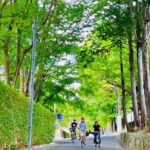
The ride is designed to connect places that are spread out across Kyoto. Instead of hopping in and out of transport all day, you’re actually traveling—then stopping only when it’s worth your time. With a maximum of 8 people, the group usually keeps moving at a human pace instead of a “line up here” pace.
You can also read our reviews of more cycling tours in Kyoto
E-bike vs traditional bike: your decision comes down to hills and stamina
You can ride a traditional bike, or pick the e-bike option for an additional fee (and you’ll need confirmation). The tour can cover up to about 27 miles (44 km), so even the “light day” still adds up.
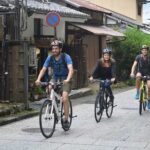
If you’re a confident cyclist and enjoy a workout, the traditional bike can feel great—Kyoto gets more interesting when you’re physically part of the movement. If you’re not trying to arrive at dinner wiped out, the e-bike is the smarter comfort choice, especially on inclines. I’d treat the e-bike as a way to spend your energy on enjoying sights, not fighting your gears.
One more practical thought: this is not just riding. Several stops include walking time at temples and shrine areas. So even if you pick an e-bike, you should plan for a long day on your feet.
Bamboo Forest Street: start with the sound you’ll remember
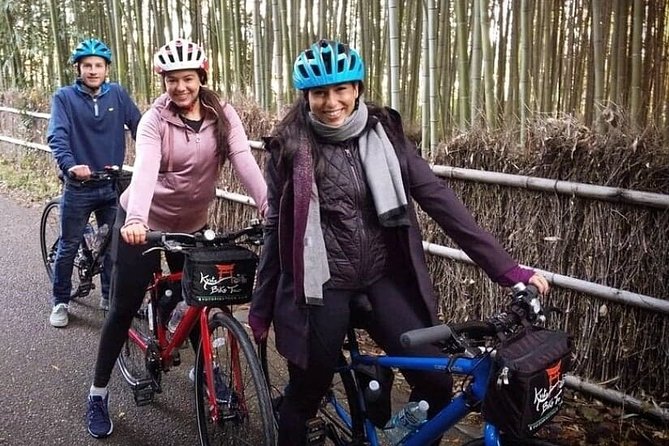
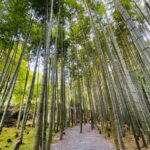
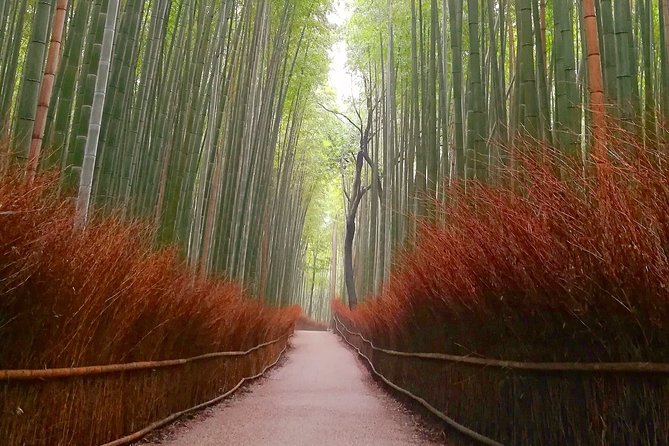
The tour’s first stop is Bamboo Forest Street, with about 20 minutes on the ground and an admission ticket included. Kyoto bamboo can feel almost theatrical—tall stalks, strong shadows, and that distinctive “rustle” that makes the space feel alive.
This is also a good starter stop because it sets the mood without demanding too much time climbing around. You get your first photos, a quick stretch, and a moment to slow down before you hit the busier Kyoto landmarks later.
The only thing to watch: timing matters with any popular bamboo area. Go with the flow, but don’t linger so long that you arrive late for the next sections.
Fushimi Inari-taisha’s red torii tunnel: photos, walking, and crowd sense
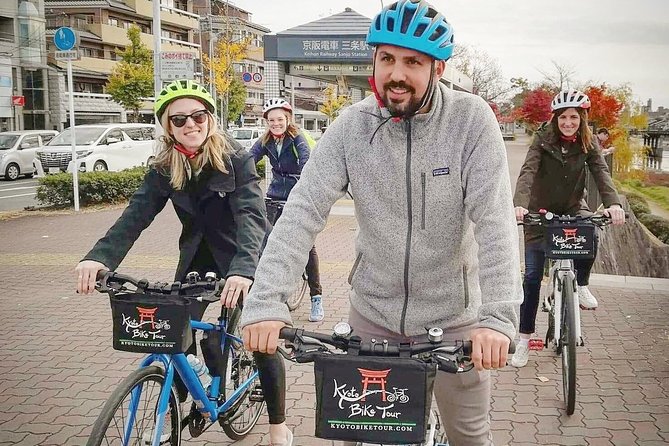
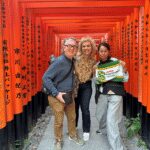
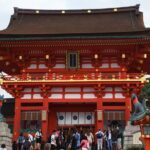
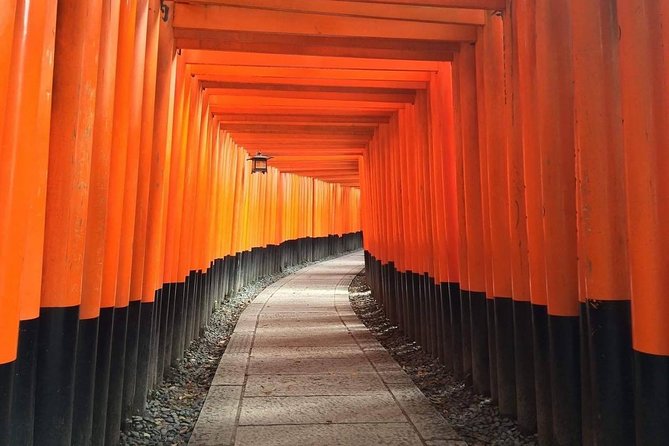
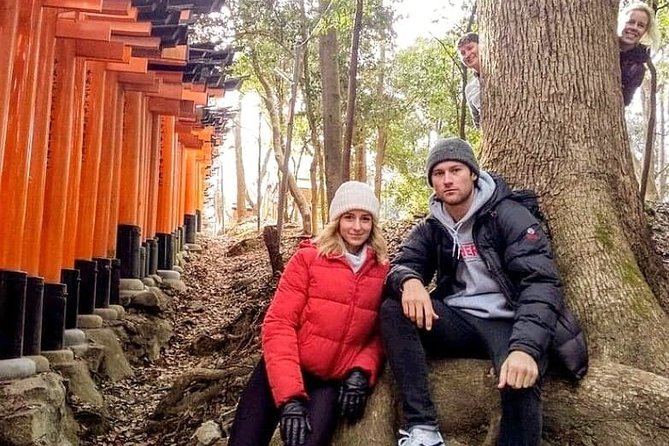
Next up is Fushimi Inari-taisha Shrine, with about 30 minutes. This is the famous red torii gateway tunnel people dream about, and for good reason—it’s one of the most instantly recognizable spots in Japan.
What I like about pairing this with biking logistics is simple: you can arrive and leave on a set rhythm without burning your day on long transfers. You also get enough time to stroll, photograph the gates, and soak up the energy without trying to race through everything.
Drawback to consider: Inari is popular. Even with a scheduled visit, you’ll still feel some crowd pressure. If you’re prone to impatience in lines, arrive ready to walk with calm. Your best photos usually come from finding your position and waiting for a brief gap in the flow.
Gion by bike: old Kyoto atmosphere without feeling trapped
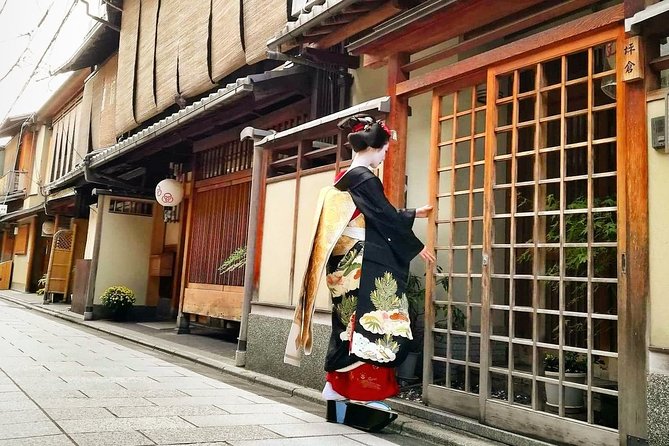
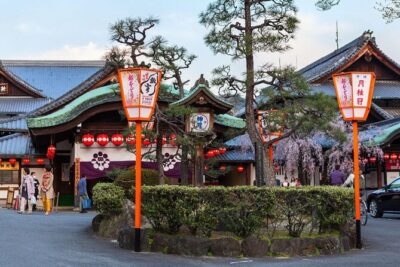
Your Gion stop is about 20 minutes. This is the geisha district area, and it’s one of those places where details jump out when you’re moving steadily—streets, traditional storefronts, and the sense of history in the layout.
The bike approach helps. You can shift your viewpoint quickly and get a better sense of the neighborhood than you would from one parked spot. Plus, a short scheduled stop keeps you from turning Gion into an exhausting stamp-collecting exercise.
If you’re hoping for a very specific photo moment, set expectations. In Gion, the streets feel alive, but you still need patience and a little luck. Focus on the streets and the vibe, not just one perfect shot.
You can also read our reviews of more tours and experiences in Kyoto
Kiyomizu-dera’s iconic city view: the longest stop is the payoff
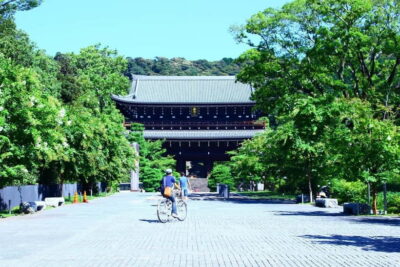
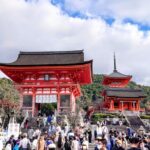
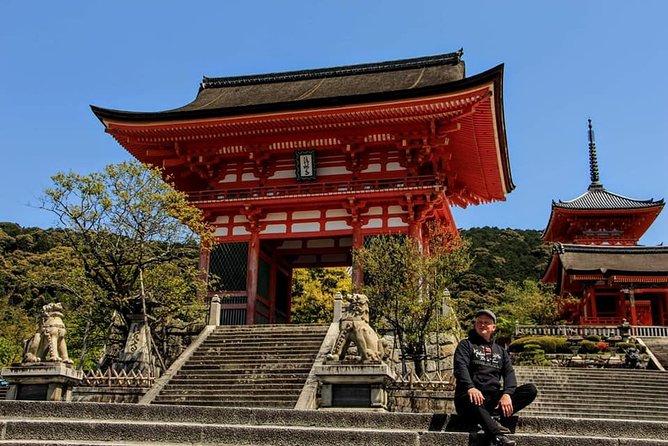
Kiyomizu-dera is where the tour gives you time to actually enjoy the place. The stop runs about 1 hour, with an admission ticket included. This temple is famous for its views, and the experience tends to feel bigger than the short riding segments around it.
Why this stop works in a full-day bike plan: you already spent earlier time in shrine and neighborhood atmosphere, so Kiyomizu becomes the “big view” chapter. It’s a natural break where you can slow down, walk around, and take in the city scene.
Consideration: Kiyomizu-dera involves walking and standing time. Plan for heat and sun, especially if you travel in warmer months. I’d wear comfortable shoes with grip, because temple areas can get crowded and uneven underfoot.
Kinkakuji’s Golden Pavilion: the final wow moment, timed right
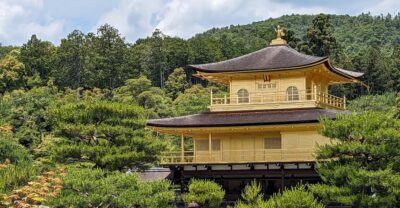
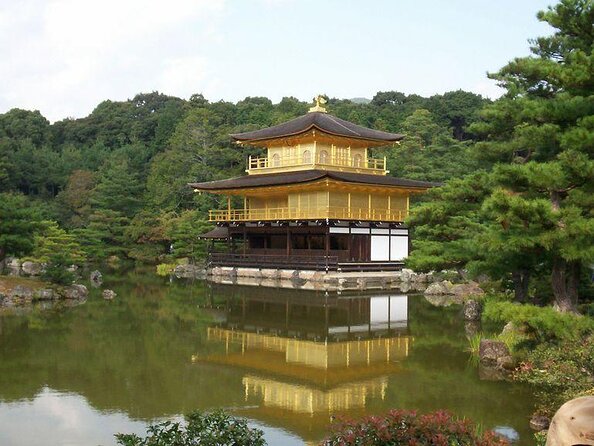
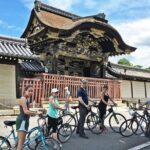
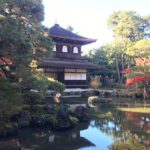
The last major stop is Kinkakuji Temple, about 30 minutes with an admission ticket included. This is the glimmer-and-grandeur finale: the Golden Pavilion is one of those sights that looks stunning from multiple angles, and 30 minutes is a good amount of time to see it without turning your end of day into a sprint.
This stop also benefits from the tour’s full-day structure. When you reach Kinkakuji, you’ve already seen the “Kyoto themes”—bamboo calm, shrine intensity, neighborhood tradition, then temple views. The Golden Pavilion lands like a reward.
One thing to keep in mind: because it’s a top attraction, the final stop can feel busier. If you’re flexible, you can still find good viewing spots by moving a little and not forcing one exact viewpoint the whole time.
What’s included (and how it improves your day)
The tour package is packed with the stuff that usually ruins a day if you have to manage it yourself. You get a bicycle, helmet, bottled water, light lunch, snacks, and admission fees for the included attractions. There’s also a native English speaking bilingual guide, which is a big deal in Kyoto—simple things like pronunciation, context, and etiquette help you enjoy the stops instead of feeling lost.
Not included: hotel pickup or drop-off. That means you should plan to reach the meeting point on your own (Saga-Arashiyama Station is the start, and the tour ends there too). The location is near public transportation, which keeps things practical.
About e-bikes: they’re not included in the base price. If you want one, you’ll need to arrange the additional fee and confirmation in advance. If you’re on the fence, think about your fitness and how you want to feel at the end of the day.
Group size, guide style, and safety: the stuff you feel most
Kyoto is scenic, but it’s also complicated to navigate—streets, bikes, pedestrians, and turns that appear simple until you’re actually riding. A strong guide is what turns this into a stress-free day.
Across past experiences, guides such as Cass, Rob, Peter, Ray, and Kes have been praised for safety and for helping riders feel confident in real traffic situations. That’s exactly what you want to hear. Knowing where to look, how to move with cars and bikes, and when to hold back is the difference between enjoying the city and white-knuckling your handlebars.
You also get culture context, not just trivia. The guides are known for sharing history and present-day perspective so the sites stop being disconnected photo backdrops. You start connecting the dots between shrine life, temple traditions, and the way neighborhoods function today.
And yes, people also mention photo help. If you care about getting good shots, it’s worth noting that some guides are especially attentive with pictures along the route and at stops.
How to prepare for a 7–8 hour Kyoto riding-and-walking day
This is listed at about 7 to 8 hours. You’ll ride, then stop, then walk. It’s not a casual pedal around a park, even if the pace is managed for a mixed group.
Here’s how I’d prep if I were doing it again:
- Start with a hearty breakfast. You’ll hit multiple attractions before lunch.
- Wear sunscreen and don’t treat shade as guaranteed. Kyoto sun can be strong.
- Bring a light layer if the morning feels cool, then plan to shed as the day warms.
- Use comfy, grippy shoes for temple and shrine walking.
Moderate physical fitness is the requirement, and there’s an age restriction: minimum 16 years old. If you’ve got mobility limits or you’re recovering from an injury, it’s worth considering the e-bike option or skipping a day like this.
Weather matters too. The experience is set up for good weather, and if it’s canceled due to poor conditions, you’ll be offered another date or a full refund.
Price and value: is $172.44 per person a good deal?
At $172.44 per person, this tour costs less than you’d expect if you tried to recreate it with guide services plus transportation plus multiple paid entries. The key is what’s included: admissions for the attractions, bicycle and helmet, bottled water, light lunch, and snacks.
You’re paying for time efficiency and stress reduction. Kyoto’s top sights are famous partly because they’re popular and scattered. A bike day with a competent guide can cut the “logistics fatigue” that comes with trying to do five major stops in one day.
If you already planned to visit all these sites anyway, the included admission fees alone help justify the price. If you’re trying to see highlights with less hassle and more movement, this is a strong value play.
Who this Kyoto bike tour suits best
This tour fits best if you:
- Want to see major Kyoto sights in one day without long transfers
- Like riding bikes and don’t mind walking at temples and shrines
- Prefer a small-group experience with a guide who can manage safety and pace
- Want culture context alongside the photos
It may not be ideal if you:
- Expect a fully relaxed day with minimal walking
- Are sensitive to riding time or have limited stamina
- Don’t want to ride at all (because even the e-bike option still involves biking segments)
If you’re an active traveler in Kyoto for a short stay, this is a practical way to get oriented and cover the city’s signature landmarks.
Should you book this Kyoto Bike Tour?
I’d book it if you want a full-day Kyoto highlight circuit that feels efficient and fun, with the bonus of included meals and admission fees. The combination of small-group guidance, strong safety focus, and the ability to choose e-bike vs traditional makes it flexible for different fitness levels.
If you hate long days, expect heavy walking, or you’re unsure about cycling comfort, choose your ride option carefully—or consider a lighter alternative. But if you can handle a long day with short walks and enjoy moving through neighborhoods, this is one of the most sensible ways to experience Kyoto’s greatest hits.
FAQ
What time does the tour start?
The tour starts at 8:30 am.
Where does the tour meet?
The meeting point is Saga-Arashiyama Station (11-1 Sagatenryūji Kurumamichichō, Ukyo Ward, Kyoto).
How long is the full-day bike tour?
The tour runs about 7 to 8 hours.
How far will I ride?
The tour can cover up to 27 miles (44 kilometers).
Are admission fees included?
Yes. Admission fees for the included stops are included.
Is the e-bike included?
No. The e-bike is an additional fee and requires confirmation.
What is included in the tour price?
Included items are a bicycle, helmet, bottled water, light lunch, snacks, a native English speaking bilingual guide, and admission fees.
What is the minimum age?
The minimum age is 16.
Is hotel pickup available?
No. Hotel pickup or drop-off is not included.
Can I cancel for a full refund?
Yes. You can cancel up to 24 hours in advance for a full refund.
What happens if the weather is poor?
This experience requires good weather. If it’s canceled due to poor weather, you’ll be offered another date or a full refund.