REVIEW · KYOTO
Strengthen the immunity!! Making miso in Japanese old house.
Book on Viator →Operated by maiyuur culture retreat · Bookable on Viator
Forget the recipe book; you mix your own miso. In Kyoto, you’ll learn okara miso the Japanese way inside a Japanese old house, guided by Naomi, who brings a body-and-mind wellness background to a very practical food lesson. I like that this isn’t just cooking trivia—it’s tied to why fermentation matters for your daily life and how you eat.
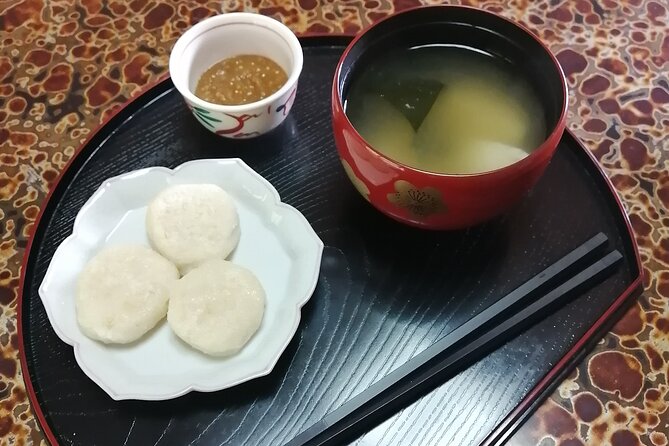
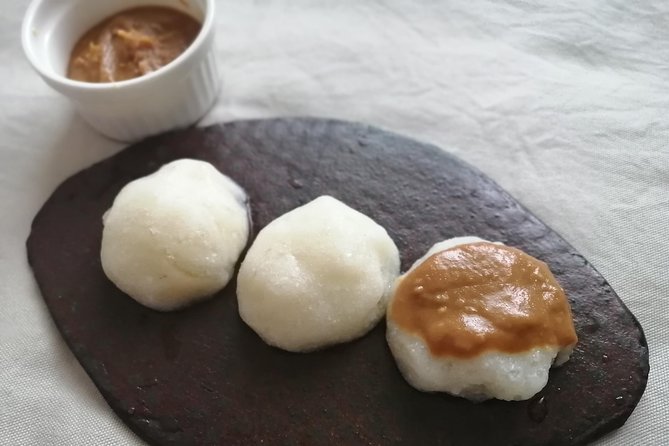
I also love the hands-on, peaceful vibe. You’ll actually stir and work with the ingredients yourself, then taste what you made, including miso soup, miso paste, and okara mochi. One thing to consider: the class is about 1 hour, but miso needs more than 3 months to ferment, so the best flavor is something you build at home over time.
In This Review
- Key things to know before you go
- What You’re Really Making: Okara Miso You Start at Class
- Wellness Lessons That Actually Connect to Eating
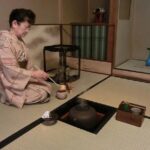
- Inside the Japanese Old House: Atmosphere Meets Focus
- The Class Flow: Benefits, Intestinal Environment, Mixing, Then Tasting
- Food Choices: Gluten-Free, MSG-Free, and Vegan Available
- Price and Value: Why $46.15 Can Be Worth It
- Where It Starts and How to Plan Your Day in Kyoto
- Who This Miso Class Is For
- Should You Book This Okara Miso Experience?
- FAQ
- How long is the miso-making class?
- What do I take home after the class?
- What dietary options are available?
- What method does the class use to make miso?
- Will there be tasting during the experience?
- How large is the group?
- What happens if weather is bad?
Key things to know before you go
- Okara-based miso (soy pulp) instead of whole soybeans: easier and quicker, while still using a nutritious byproduct of tofu-making.
- Wellness angle from a long-time therapist and instructor: the focus is body and mind, not just food-making steps.
- Hands-on mixing and tasting: you’re not watching from the side; you taste what you create.
- Smart sustainability: soy pulp is often treated as industrial waste, and this class uses it on purpose.
- Diet-friendly options: the class ingredients are gluten-free and MSG-free, with vegan availability.
- You take your batch home: you leave with about 500g of miso you made.
What You’re Really Making: Okara Miso You Start at Class
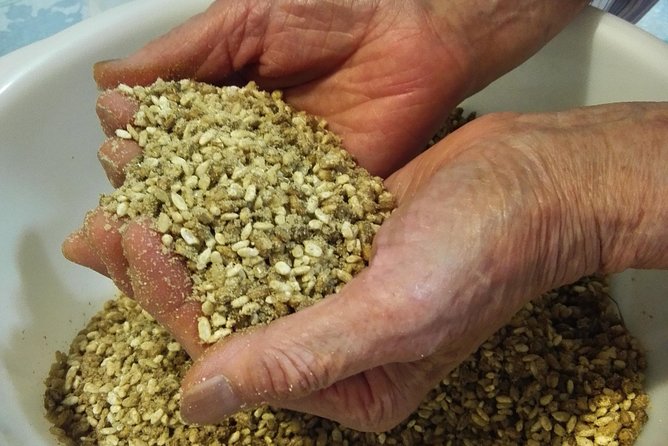
This experience is all about making miso using okara. Okara is the soybean pulp linked to tofu production, and it’s healthy and nutrient-rich. The twist here is that many people don’t get to use it, because it’s commonly treated as industrial waste—so this class turns that byproduct into something useful and delicious.
You’ll learn the traditional concept of miso—fermented Japanese seasoning—but with a faster route. The classic process uses whole soybeans: soaking, boiling until soft, then mashing. Here, the method is structured to be easier and quicker because you work with okara instead of starting from dried beans.
And then there’s the timing reality. You’ll be taught that miso fermentation takes more than 3 months. That matters because you’re not tasting the final, fully matured seasoning the same day. Think of class day as the moment you kick off your batch, so later you get to cook with your own fermentation results.
You can also read our reviews of more tours and experiences in Kyoto.
Wellness Lessons That Actually Connect to Eating
Naomi’s background changes the feel of the session. She’s a massage therapist with 20 years of experience, and she’s also a Japanese tea and cooking instructor. That’s why the class doesn’t stop at how to mix ingredients. You’ll also talk about how miso can support the body, including ways to think about improving the intestinal environment.
What I like about this approach is that it frames fermented food as part of wellness habits, not as a one-off novelty. If you’re the kind of traveler who reads ingredient labels and wonders how your food choices affect your energy, this will click. You’ll leave with a clearer idea of what miso is doing and why it’s treated as a go-to pantry seasoning in Japan.
Inside the Japanese Old House: Atmosphere Meets Focus
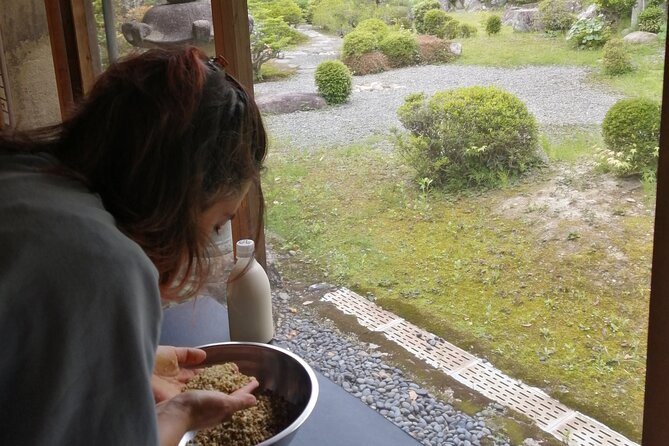
The setting is a Japanese old residence. That detail isn’t cosmetic. When you’re working with fermentation ingredients, timing and attention matter. A quieter, traditional space helps you slow down, follow steps, and concentrate on the task in front of you.
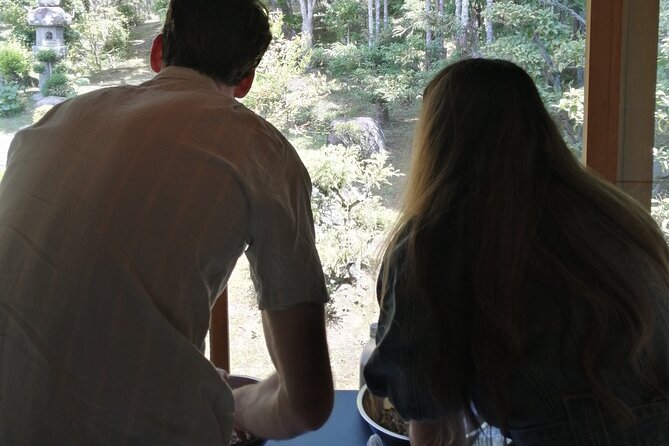
The group size is kept small, with a maximum of 6 travelers. Small groups usually mean you’re not lost in the crowd, and you get the chance to ask questions during the process. For a class that’s part wellness education and part hands-on work, that small size helps a lot.
The Class Flow: Benefits, Intestinal Environment, Mixing, Then Tasting
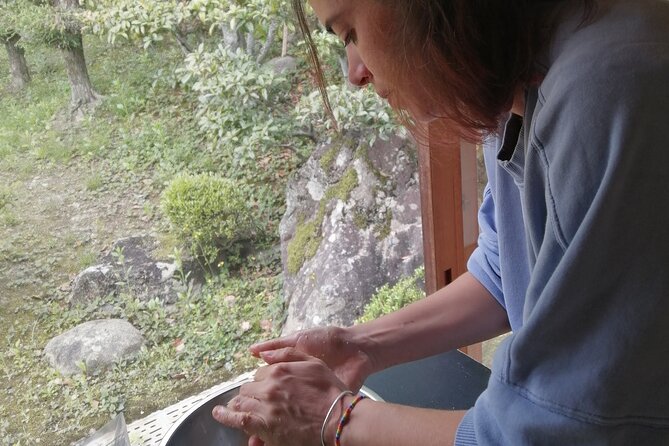
Plan on about 1 hour total. You’ll arrive at the reserved time, then the session runs like a tidy sequence rather than a chaotic food festival.
Here’s what happens during the experience:
1) Welcome and explanation of miso and its benefits
You’ll hear what miso is, why it’s used in Japanese kitchens, and how fermentation ties into wellness.
2) A talk about improving the intestinal environment
This isn’t medical advice or complicated science. It’s more about helping you connect your food choices to how your body feels and functions.
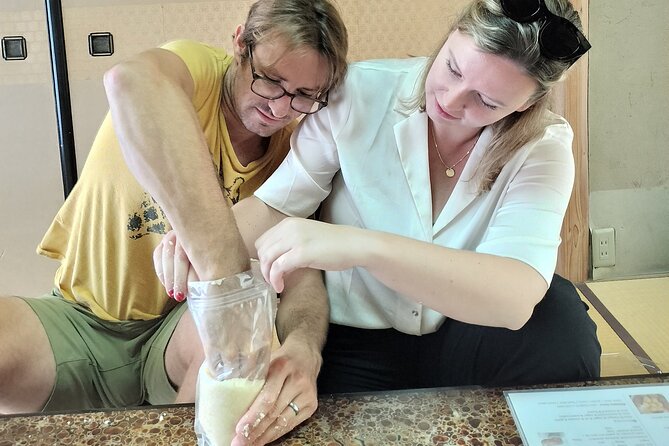
3) Make the okara miso (hands-on mixing)
This is the core moment. You’ll make the batch yourself using the class method. The approach is designed to be easy and fast compared with the traditional whole-soybean route, while still using the key idea of miso fermentation.
One important context point you’ll learn: your miso-making is only the beginning. Fermentation takes time, so your job is to start the process correctly and then let it develop.
4) Tasting and sampling
You’ll try several items made around the miso theme:
- miso soup
- miso paste
- okara mochi
This tasting piece is where you can calibrate your palate. You’ll get to experience miso’s flavor profile in more than one form, so you’re not left guessing how to use it later.
5) Take home what you made (about 500g)
At the end, you leave with your own batch, roughly 500g. That amount is practical. It’s enough that you can actually use it in cooking, not just gift it or keep it as an experiment.
Food Choices: Gluten-Free, MSG-Free, and Vegan Available
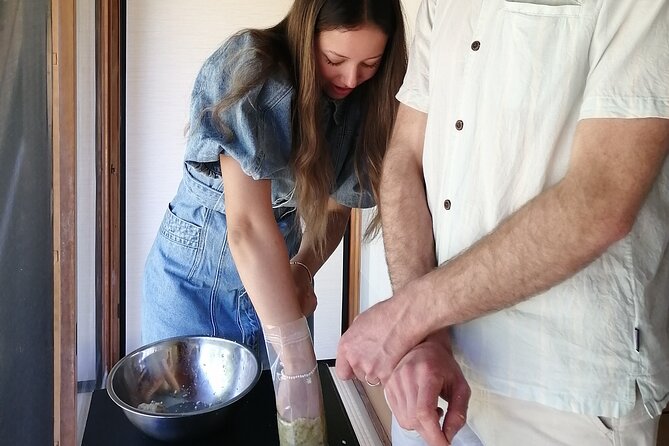
If you travel with dietary limits, this part is a big win. The class dishes are set up to be gluten-free and MSG-free, and vegan availability is mentioned as an option.
That doesn’t mean every bite is the same for every person, but it does mean the experience is built with common dietary issues in mind. It also signals that the instructors think about ingredient choices, not just the cooking steps.
You’ll also use koji seasoning and Japanese traditional natural seasoning as part of the process. Koji is a major ingredient in Japanese fermentation, and it’s one of those things you’ll be glad you learned in context, not only from a cookbook.
Price and Value: Why $46.15 Can Be Worth It
At $46.15 per person for about 1 hour, the key question is what you get for your time and money. In this case, the value comes from a few practical pieces:
- You leave with about 500g of miso you made. That’s a real take-home product, not just a tasting flight.
- It’s hands-on instruction, led in a small group (up to 6). You’re not just spectating.
- You get structured education: benefits, intestinal-environment talk, the method using okara, and how fermentation timing works (more than 3 months).
- Dietary considerations are built in: gluten-free and MSG-free, with vegan available.
Also, you’re paying for the instructor’s expertise. Naomi isn’t just explaining; she’s teaching you how to work with ingredients and how to think about fermentation as a wellness practice. For travelers who like learning by doing, the class format justifies the price.
Where It Starts and How to Plan Your Day in Kyoto
The meeting point is Kaze no Waon, 14 Utanokitanoinchō, Ukyo Ward, Kyoto (616-8201). It’s near public transportation, so you’re not stuck with long taxi rides just to start the experience.
The session ends back at the meeting point, which keeps your schedule simple. Because the class depends on good weather, it’s smart to keep your day flexible. If weather is bad and the experience can’t run, you’ll be offered another date or a full refund.
One more practical point: you’re usually booking about 8 days in advance on average, so don’t wait until the last minute if you’re traveling in peak season. Confirmation comes within 48 hours of booking, so you’ll know your slot quickly.
Who This Miso Class Is For
This is a great fit if you:
- want a hands-on Kyoto fermentation experience that’s more than a quick snack lesson
- care about wellness and would like a food practice connected to gut health ideas
- have dietary needs and want gluten-free, MSG-free, with vegan availability
- like sustainability thinking and enjoy the concept of turning okara into something valuable
It might feel less exciting if you’re only looking for a traditional, whole-soybean miso class. This one is designed for an easier, faster okara-based method.
Should You Book This Okara Miso Experience?
Yes—if you want a practical Kyoto class that blends food, wellness, and a take-home batch. The strongest reasons to book are simple: you make okara miso yourself, you get tasting (miso soup, paste, and okara mochi), and you leave with about 500g to use after fermentation starts.
If you’re the type who loves learning by doing and you don’t mind that the real payoff (full flavor) happens over time, this is a smart use of an hour. Just remember: the miso you take home isn’t instant magic. It’s a project you start today and enjoy later.
FAQ
How long is the miso-making class?
It’s about 1 hour.
What do I take home after the class?
You take home the handmade miso you made, about 500g.
What dietary options are available?
The dishes are gluten-free and MSG-free, and vegan availability is mentioned.
What method does the class use to make miso?
The class makes miso using okara (soy pulp), described as easier and faster than the traditional whole-soybean process.
Will there be tasting during the experience?
Yes. You’ll taste miso soup, miso paste, and okara mochi.
How large is the group?
There is a maximum of 6 travelers.
What happens if weather is bad?
The experience requires good weather. If it’s canceled due to poor weather, you’ll be offered a different date or a full refund.