REVIEW · KYOTO
Traditional Japanese Knife Sharpening Class in Kyoto
Book on Viator →Operated by Japanese Knife Sharpening · Bookable on Viator
A sharp knife is a love language. In Kyoto, this hands-on class teaches the whetstone method step by step, plus the thinking behind it, so you’re not just copying moves.
I really like the small group size (max 6), because it means the instructor can spot what you’re doing wrong while you’re still doing it. I also like that the session starts with knife history, steel types, and sharpening theory before you get to the stones.
One possible drawback: this activity requires good weather, so plan with some flexibility if you’re visiting on a rainy or stormy week.
In This Review
- Key highlights you’ll feel right away
- Traditional Japanese sharpening class in Kyoto: what makes it different
- Where you meet and what to expect on arrival
- The teaching flow: history, steel types, and sharpening theory
- Whetstones and grits: what you learn before you start rubbing the blade
- Hands-on sharpening: getting your edge while an instructor watches
- Kamo Onsen stop: what it likely means for your experience
- Price and value: is $97.55 worth it?
- Who should book this class in Kyoto (and who might pass)
- Practical tips for making your sharpening day go smoothly
- Should you book this Kyoto Japanese knife sharpening class?
- FAQ
- How long is the Japanese knife sharpening class in Kyoto?
- Where do I meet for the class?
- What is the group size?
- What will I learn during the class?
- What do I take home?
- What happens if weather is bad?
- Is cancellation free?
Key highlights you’ll feel right away
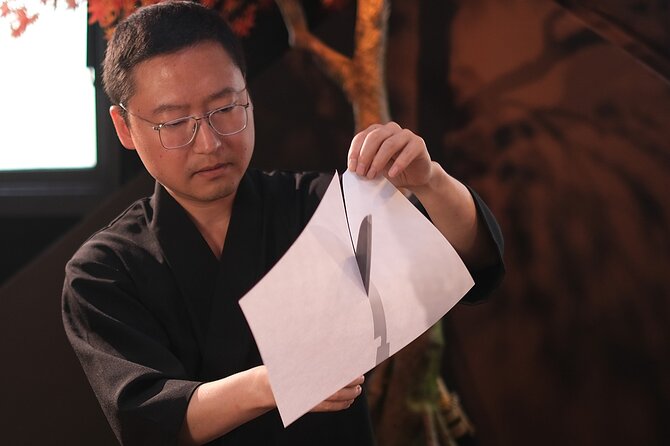
- Up to 6 people: more attention as you learn the angles and grit changes
- Whetstone training across grits: learn why coarse and fine aren’t interchangeable
- Knife theory first: steel types and sharpening principles make the hands-on part click
- Personal guidance from Clement: the leader is known for explaining while chatting and teaching
- Take-home result: you leave with the knife you sharpened during the class
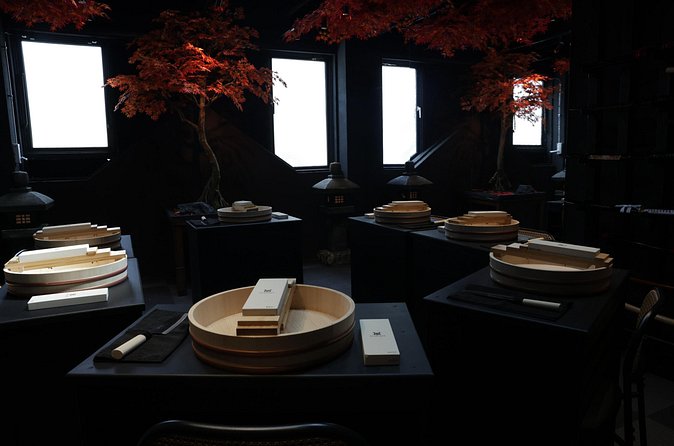
- Kyoto location at a real knife shop: it’s not a generic classroom setup
Traditional Japanese sharpening class in Kyoto: what makes it different
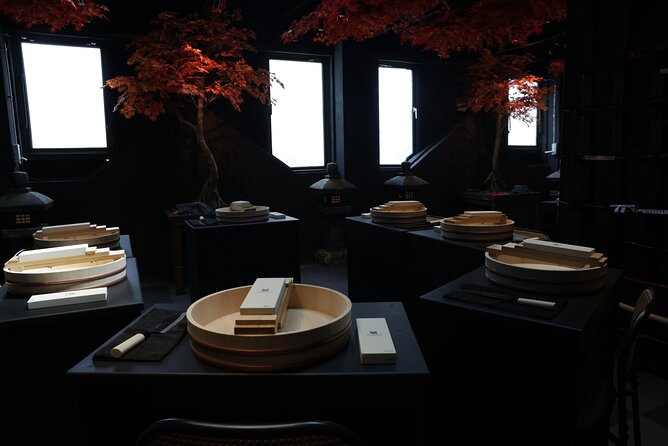
Kyoto has a way of turning everyday skills into something you can feel in your hands. This class is built around that idea. You’ll work on traditional Japanese knife sharpening using whetstones of different grits, but you’ll also get the background that makes the process logical.
What I like most is the balance: hands-on practice plus real context. Instead of only repeating motions, you learn what the sharpening is trying to accomplish and how steel type can change your approach. That matters because sharpening isn’t just a finishing step—it’s tool maintenance that affects performance in real cooking.
Also, you don’t spend the time staring at diagrams. You’ll sharpen your own blade under experienced supervision, then walk away with a freshly sharpened knife that you worked on. That’s a souvenir with actual use value, not just a photo prop.
You can also read our reviews of more tours and experiences in Kyoto

Where you meet and what to expect on arrival
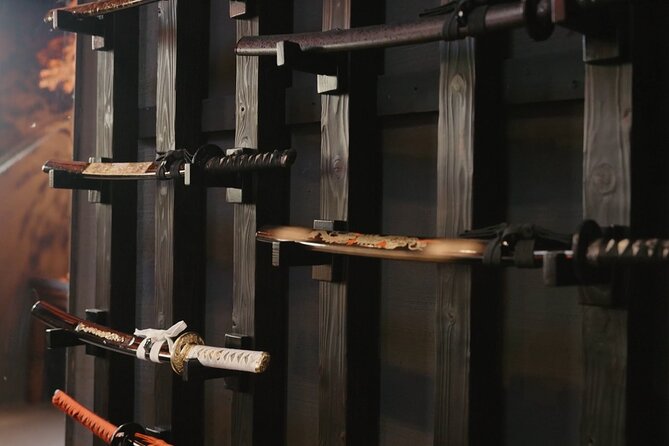
You’ll start at MUSASHI JAPAN 京都三条店 Knife Shop Japan, at 604-8036 Kyoto, Nakagyo Ward, Ishibashichō, BigBoss. It’s near public transportation, so you can usually fit this into a busy Kyoto day without major detours.
The class runs about 2 hours, and the group stays small (maximum 6). That short duration is useful if you want a skill you can apply back home without losing half a day to logistics.
You’ll also receive confirmation at booking and the tour uses a mobile ticket. In practice, that means you’ll want your phone charged and ready when you arrive at the shop, since that’s what you’ll likely use for entry.
The teaching flow: history, steel types, and sharpening theory
A lot of classes skip the “why.” This one doesn’t. Before you start working on a stone, you’ll cover knife history and explore different steel types. You’ll also get sharpening theory—how whetstones work and what sharpening should accomplish.
Here’s why that first part helps you. When you understand the materials and the goal, you can adjust faster when the instructor says something like: your angle is drifting, your pressure is inconsistent, or you’re not getting uniform contact. With theory in your head, corrections land immediately.
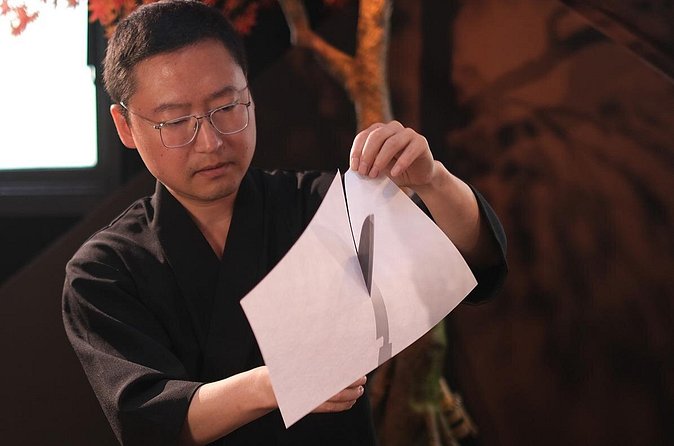
The best feedback point from the experience is the quality of instruction. One set of reviews highlighted the leader, Clement, as phenomenal and chatty in a good way while still teaching. That style can make a skills class feel less intimidating, especially if you’ve never sharpened anything before.
Whetstones and grits: what you learn before you start rubbing the blade
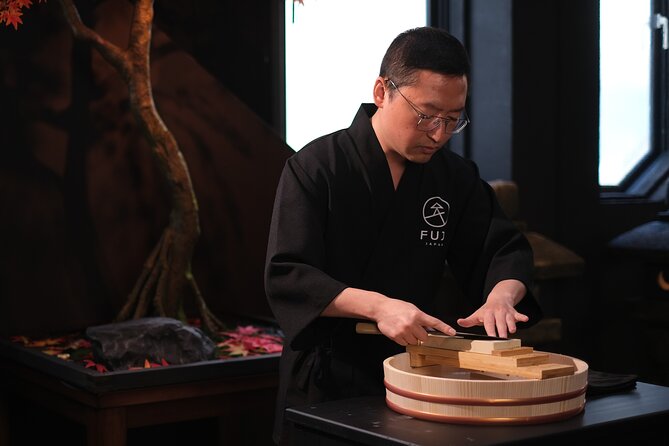
The core technique in this class is traditional Japanese sharpening with whetstones. You’ll work with whetstones of different grits, which is important because grit size affects how aggressively the stone removes metal.
Even if you’ve never sharpened before, this structure gives you a clear progression:
- You start with a rougher grit to shape and create the edge geometry.
- You then move to finer grits to refine the edge and improve the finish.
The practical advantage of learning grit progression is that you can take the concept home and use it later. Instead of only knowing that you should do multiple passes, you learn why multiple stones are used and how the finishing stone changes what you feel in cutting performance.
If you already own Japanese knives, this knowledge can also help you avoid two common mistakes: using the wrong stone order or trying to force a fine edge with a coarse stone. The class framework is built to prevent that kind of guesswork.
Hands-on sharpening: getting your edge while an instructor watches
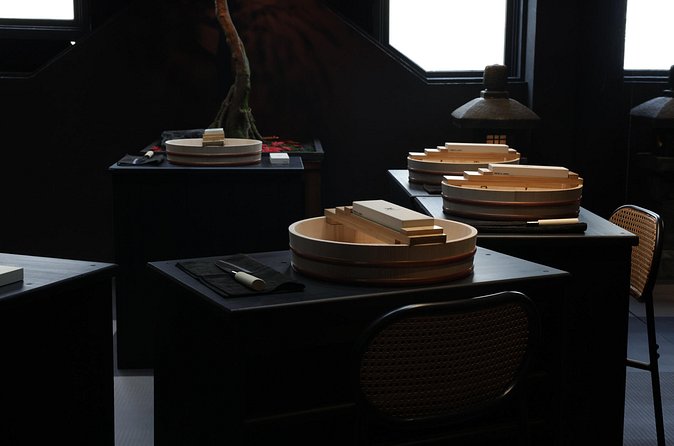
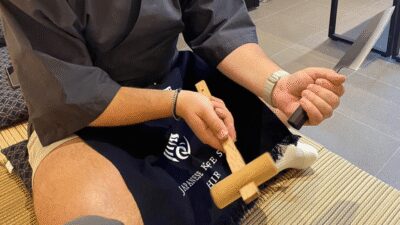
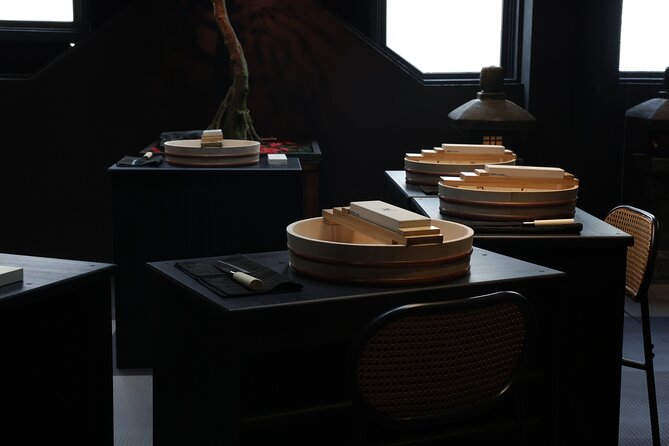
Then comes the part you actually came for: sharpening your own blade under supervision. This is where the small group size pays off. With up to 6 people, you’re more likely to get hands-on correction rather than general guidance from across the room.
In a whetstone class, the details that matter are usually the ones you can’t see unless someone points them out:
- keeping a consistent angle across the stroke
- using pressure that helps the stone do the work
- maintaining even contact so the edge doesn’t end up lopsided
- understanding when you’ve done enough before moving to a new grit
That’s why the experienced instructors matter. And based on the feedback from the sessions, the leadership style is supportive. Clement was specifically praised for being fantastic and informative, with real conversation while teaching. That means you’re not just left with a worksheet after the first correction—you get coaching while you practice.
Also, the class ends with the satisfaction of taking home a freshly sharpened knife. You’ll leave with something you can use right away, and it’s a clear marker of progress. If you’ve ever wanted a skill souvenir that doesn’t sit in a drawer, this scratches that itch.


Kamo Onsen stop: what it likely means for your experience
The itinerary lists a stop at Kamo Onsen. The schedule details beyond that are minimal in the information provided, so I’d treat this as a short on-the-day connection rather than a full spa experience you can count on for long relaxing time.
That said, it can still add value. Kamo Onsen is a known point in Kyoto’s everyday life, and a stop like this often helps break up the session and make the class feel grounded in the city rather than isolated inside a shop.
If your plan includes other time-sensitive activities that day, keep this in mind: because the class is weather-dependent and the total duration is around 2 hours, the timing around stops may not be flexible enough to turn into a long detour.
Price and value: is $97.55 worth it?
At $97.55 per person for about 2 hours, you’re paying for three things that are hard to replicate on your own:
- Guided technique on real whetstones, with supervision
- A structured learning path (history, steel types, then theory, then practice)
- The take-home outcome: you sharpen a knife and leave with it
For value, the key question is whether you want understanding or just an edge. You can buy whetstones and watch videos, sure—but getting the angles and progression right quickly is the part most people struggle with. This class compresses that learning curve into a single session with feedback.
The “max 6 travelers” limit also affects value. In a larger class, you’d spend more time waiting for the instructor and more time guessing. Here, the attention density is higher, which makes the money feel less like a fee and more like instruction time.
If you’re a cooking enthusiast, a craft-minded person, or someone who cares about tools, the price starts to make sense quickly—because your sharpening skill improves knife performance and can extend the life of your blades.
Who should book this class in Kyoto (and who might pass)
This is a strong fit if:
- You cook regularly and want your Japanese knives to perform better
- You’ve got a santoku or similar blade and want to learn the correct sharpening approach
- You like learning the reasoning behind a technique, not just the steps
- You’d rather take a small-group skill class than an impersonal demo
In particular, one review mentioned being happy with the santokiu/santoku knives they were bringing home after the session. That’s a good sign that people leave with the results they were hoping for, not just a lesson.
You might want to think twice if:
- You need an experience that’s mostly sightseeing and light participation. This is technique-focused, and you’ll be working with the stones.
- You’re traveling on a week where weather uncertainty could disrupt your schedule. The class requires good weather, and in poor conditions you’ll be offered a different date or a full refund.
Practical tips for making your sharpening day go smoothly
Based on what’s offered and how these classes tend to run, here are smart moves you can use:
- Wear comfortable sleeves you don’t mind getting wet or dusty. Whetstone sessions can be messy in the most normal way.
- Plan a bit of buffer time before and after. Even with a 2-hour duration, your day may need flexibility.
- Ask questions while you’re practicing, not only at the start. If Clement and the instructors are talking and coaching, jump in early.
- Treat the grit progression seriously. If you rush through grits, you often end up with a weak edge. Follow the learning flow.
And one more thing: if you’re bringing a knife experience into your trip, this class is a rare one where the result matters after you leave Kyoto. You’re not just learning a story—you’re gaining a skill that shows up every time you slice.
Should you book this Kyoto Japanese knife sharpening class?
If you want a hands-on Kyoto experience with real take-home value, I think this is an easy yes. The small group size, the theory-to-practice teaching style, and the chance to sharpen your own blade under experienced guidance make it a practical choice.
Book it if you’re the type who likes doing. You’ll feel the difference in your knives, and you’ll understand what you did enough to repeat it later.
Skip it if you’re expecting a mostly observational tour or you can’t handle the weather-dependent timing. But if you’re flexible and you care about tools, this is exactly the kind of skill class that turns a travel day into a lasting upgrade.
FAQ
How long is the Japanese knife sharpening class in Kyoto?
The class lasts about 2 hours.
Where do I meet for the class?
You meet at MUSASHI JAPAN 京都三条店 Knife Shop Japan, 604-8036 Kyoto, Nakagyo Ward, Ishibashichō, BiGBoSS.
What is the group size?
The experience has a maximum of 6 travelers.
What will I learn during the class?
You learn knife history, steel types, and sharpening theory. Then you use whetstones of different grits to sharpen your own blade under expert supervision.
What do I take home?
You end the session by taking home the knife you sharpened during the class.
What happens if weather is bad?
This activity requires good weather. If it’s canceled due to poor weather, you’ll be offered a different date or a full refund.
Is cancellation free?
Yes. You can cancel for a full refund up to 24 hours before the experience starts. If you cancel less than 24 hours before, the amount you paid will not be refunded.