REVIEW · KYOTO
Kyoto: 10-hour Customized Private Tour
Book on GetYourGuide →Operated by EverTravel · Bookable on GetYourGuide
Kyoto is easier when you skip the map. I like the freedom to shape a custom itinerary around your interests, and I also appreciate the comfort of a private car with a professional driver that handles pickup and drop-off. One thing to consider: the optional English-speaking guide can make or break the day if they are not a strong fit for the sites you choose.
What makes this tour feel practical is that it is built for real timing. You get to bounce between areas like the Kinkaku-ji region, the Higashiyama temple streets, and later Fushimi Inari without wrestling buses, trains, and station transfers.
The tradeoff is that the tour price covers getting you there, not the day’s extras. Admission tickets and food are on you, and if you run long you will pay overtime (more if you bring the guide).
In This Review
- Key points before you book
- A 10-hour private car is the real Kyoto superpower
- Building your day around Kyoto’s must-sees
- Kinkaku-ji and the Golden Temple approach
- Kiyomizu-dera plus the walking lanes of Ninenzaka and Sannenzaka
- Watch for the one drawback of this neighborhood combo
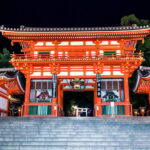
- Yasaka Shrine and Gion after the temples
- Fushimi Inari Shrine and the Vermilion Torii gates
- Price and logistics: does $707 per group feel worth it?
- The optional English guide: useful stories or a missed match?
- How the 10 hours usually should flow
- Practical notes that can affect your day
- Should you book this Kyoto private tour?
- FAQ
- What’s the price and group size for the Kyoto private tour?
- Does the tour include hotel pickup and drop-off?
- Is an English-speaking guide included?
- Are admission tickets included?
- What happens if the tour runs longer than 10 hours?
- Can I cancel for a full refund?
Key points before you book

- Hotel pickup and drop-off mean you start Kyoto without logistics brain.
- 10 hours with a driver gives you real pacing for temples and walking streets.
- Admissions and meals aren’t included, so budget for entry fees and lunch.
- Optional English guide can add value, but verify you want that added narration.
- Overtime fees are clearly stated, so plan your last stop with care.
A 10-hour private car is the real Kyoto superpower

Kyoto looks simple on a map. In real life, it’s a patchwork of neighborhoods with slow cross-town travel and lots of walking once you arrive. This kind of private tour is popular for a reason: it reduces the friction between “I want to see that” and actually getting there.
You’re not doing navigation, translation, or route planning. You’re also not timing your day around crowded public transit. With an air-conditioned vehicle and a professional driver, you can treat the day like sightseeing instead of commuting.
Another small but meaningful detail: the package includes parking fees and all fees and taxes. That matters because Kyoto parking and “extra charges” can quietly wreck a good plan.
You can also read our reviews of more private tours in Kyoto
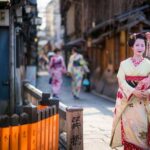
Building your day around Kyoto’s must-sees
The core idea is customizable: you choose what you want to include, and the day is built as a total of 10 hours. That sounds vague until you realize what it lets you do. You can spend more time at the places that match your travel style, and you can cut the parts that do not.
The tour description clearly points to several top Kyoto areas you can mix in your own order: Kinkaku-ji and Kiyomizu-dera, plus the Higashiyama walking zone (Ninenzaka, Sannenzaka, Kodaiji Temple, Yasaka Shrine, Gion district, and Hanami-koji). Then it adds a major capstone stop at Fushimi Inari Shrine.
Here’s how I’d use the flexibility. Pick one “big wow” temple early, then plan a walking streets block in the middle of the day, and finish with a shrine experience that encourages slower wandering. That rhythm keeps you from spending your best energy in traffic.
Kinkaku-ji and the Golden Temple approach
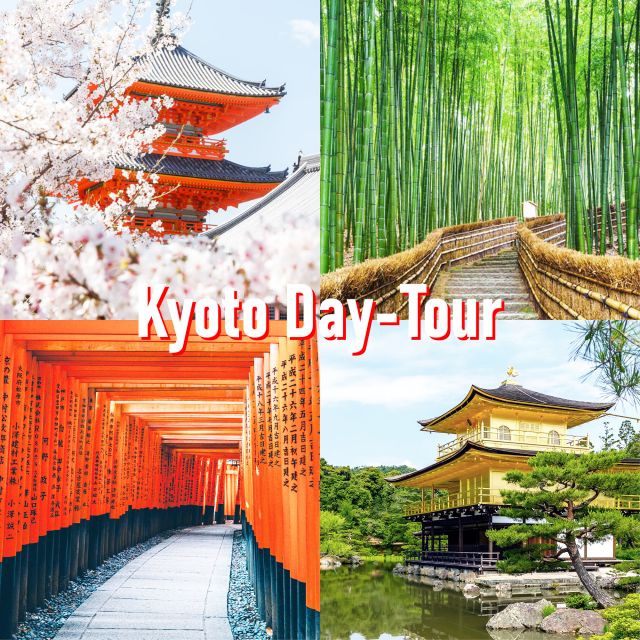
Kinkaku-ji is the famous Golden Pavilion area, and it’s named directly as a key stop. What you should expect is a classic Kyoto temple setting where the views and the atmosphere matter as much as the main scene.
This stop is a strong choice for a private tour because it benefits from timing and pacing. If you want calm photos, you need time to settle and look around. If you want to move faster, you can do that too. A driver lets you stay in control of when you arrive and when you leave.
Practical note: temple areas often come with crowds and lots of foot traffic. You’ll be happier if you plan to do some standing and slow walking. The tour structure helps because you can allocate more or less time without re-scheduling public transit.
Kiyomizu-dera plus the walking lanes of Ninenzaka and Sannenzaka
After Kinkaku-ji, the tour leans into Kyoto’s classic old-streets experience. Kiyomizu-dera is named as another anchor stop, and it pairs naturally with Ninenzaka and Sannenzaka—two well-known lanes for strolling and people-watching.
The description also highlights several places in this same general zone: Kodaiji Temple, Yasaka Shrine, and the Gion district with Hanami-koji. If you like walking and atmosphere, this block is where Kyoto feels most like Kyoto.
Why this pairing works: you get architecture and temple sights, then you switch into street-life mode. The energy changes from quiet shrine grounds to lively lanes, and that keeps the day from feeling like one long museum loop.
The tour even calls out Ninenzaka and Sannenzaka as a great area to experience the streets while wearing a kimono. You can treat this as an optional style choice, not a requirement. Either way, the lanes themselves are the point: steep little streets, old-school shop fronts, and a sense of stepping into another pace of time.
Watch for the one drawback of this neighborhood combo
This whole Higashiyama cluster is walking-heavy. If you have limited mobility, tight shoes, or you’re traveling with kids who get tired fast, you’ll need to manage your pace carefully. With a private car, you can shorten the walking sections, but you still have to physically cover the streets once you’re there.




Yasaka Shrine and Gion after the temples
Yasaka Shrine is mentioned as part of the day’s sightseeing, and it pairs well with the transition into Gion and Hanami-koji. In Kyoto, this is the shift from temple viewing to cultural streets and evening-feeling neighborhoods.
Gion district and Hanami-koji are included by name, which matters because people sometimes pick the wrong “Kyoto shopping street” by mistake. Hanami-koji is specifically the kind of lane that gives you that classic postcard Kyoto look without turning the entire day into a shopping sprint.
When I plan a day like this, I look for variety. Temples give you scale and spirituality. Shrines give you ritual and local texture. Streets like Gion and Hanami-koji give you the everyday Kyoto vibe—especially when you slow down and just watch how people move through the space.
If you plan to go later in the day, this block can feel extra atmospheric. If you plan to go earlier, it can still be enjoyable—just expect more visitors.
Fushimi Inari Shrine and the Vermilion Torii gates
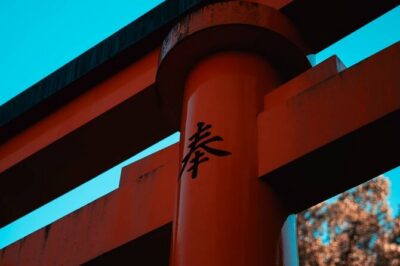
The tour description ends with Fushimi Inari Shrine, including the Vermilion Torii gates. This is an excellent final stop because the experience is built for wandering. Once you start moving through the torii paths, you naturally slow down and choose how far you want to go.
The text also notes blessing and praying for good luck at the shrine grounds. That ritual element is a big part of why Fushimi Inari is more than a photo stop. Even if you are not doing every step, you’re in a place people visit with intention.
From a day-planning perspective, this works well as a closer because it can be flexible. If you feel energetic, you can continue exploring the torii paths. If you’re tired, you can end the walk earlier and still feel like you completed something meaningful.
Price and logistics: does $707 per group feel worth it?
The price is $707 per group up to 3 people for a 10-hour service. That means your value depends on whether you have 1, 2, or 3 people splitting the cost. Private Kyoto tours can swing from a smart deal to an expensive splurge based on that math.
Where the money goes:
- Hotel pickup and drop-off (no solo transfers, no station stress)
- Air-conditioned vehicle (comfort matters in Kyoto traffic)
- Professional driver
- All fees and taxes, including parking
- 10-hour service (extendable, but with overtime fees)
Where the money does not go:
- Admission tickets
- Food and drinks
- The English-speaking guide (optional)
So the real value question is not only cost. It’s whether you will actually use the time. If you plan to pack in multiple zones—Kinkaku-ji, Higashiyama streets, and Fushimi Inari—then a private driver can save you more time than you expect.
If your plan is mostly one area and lots of wandering within a tight radius, you might consider cheaper transportation. But if you want a “Kyoto highlights plus atmosphere” day without being tied to schedules, this price is often easier to justify.
The optional English guide: useful stories or a missed match?
This is the part I’d pay extra attention to. The guide is optional, and the tour includes live guide languages of Japanese and English. If you choose the English-speaking option, the guide should provide local insights and stories.
One provided review raised a clear concern: the itinerary was fine, but the guide was not local and had limited knowledge of the sites visited. That traveler asked for a refund for the guide portion.
That’s a real-world reminder for you: “optional” does not mean “automatic value.” If you want a guide for history and context, you should treat it like you’re hiring a specialist. If you do not, skip the guide fee and let the day be about the places themselves.
My practical advice: if you are spending real money on an English guide, confirm the guide experience and fit for the exact stops you plan (Kinkaku-ji, Kiyomizu-dera, Yasaka Shrine, Gion/Hanami-koji, Fushimi Inari). A strong guide can turn Kyoto from scenic to understandable.
How the 10 hours usually should flow
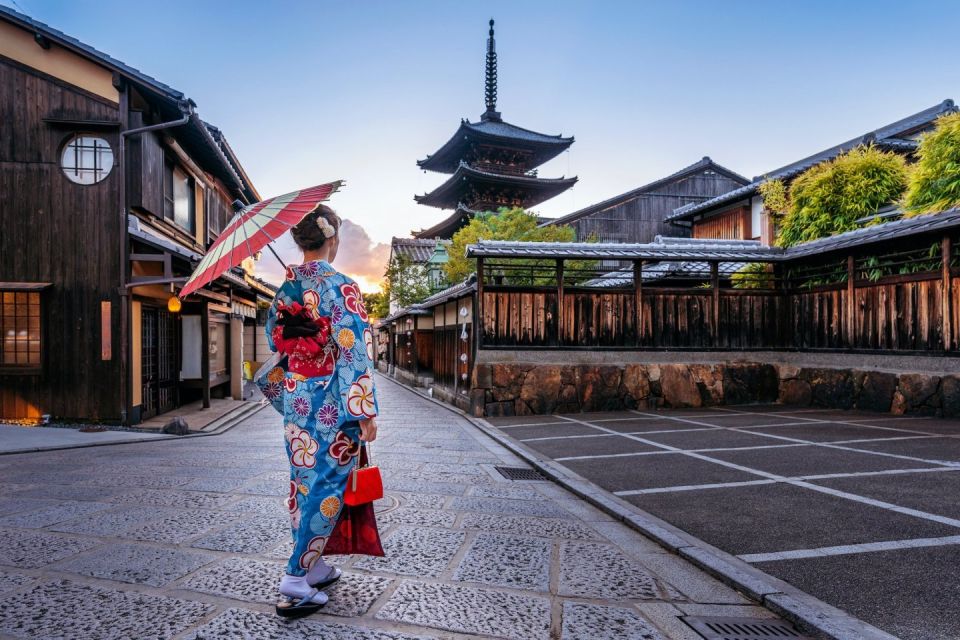
Even with customization, the day has a natural structure based on the places named. Here’s a pacing logic that usually works in Kyoto:
- Morning: start with a “big anchor” temple like Kinkaku-ji
- Midday: transition to the Higashiyama walk zone around Kiyomizu-dera, Ninenzaka, and Sannenzaka, plus Kodaiji Temple / Yasaka Shrine
- Afternoon to evening: shift into Gion and Hanami-koji
- Final act: Fushimi Inari for torii-walk time and praying/blessing
This flow also helps you manage energy. Walking-heavy zones are best when you’re not already worn out from travel. Torii-walking at Fushimi Inari works as a flexible finale because you can set your own stopping point.
If you get behind schedule, overtime can get expensive (50 USD per hour without the guide, 70 USD per hour with the guide). So it’s smart to decide your “must do” and your “nice to do” before the day starts.
Practical notes that can affect your day
Two small details can have big impact:
- You need to contact customer service in advance to confirm your itinerary.
- A baby or child counts as one participant, so plan group size accordingly.
Also, remember what’s not included: admission tickets and food/drinks. Kyoto days can get surprisingly expensive once you add entries and lunch. If you budget for it ahead of time, you avoid that end-of-day sticker shock.
Lastly, check how you want to handle the walk areas. The tour includes major sightseeing clusters, and that means footwear matters. You’ll be moving through streets and temple precincts where you will feel every step.
Should you book this Kyoto private tour?
Book it if you want a Kyoto day that is flexible, comfortable, and not dependent on public transit. This is especially worth it if you are traveling with family, you hate navigating, or you want to stitch together distant areas like Kinkaku-ji, Higashiyama, and Fushimi Inari in one go.
Skip or reconsider the guide option if you are price-sensitive or if your priority is simply to see the landmarks at your pace. The optional English guide can be great, but the provided concern about guide knowledge is enough to justify extra caution.
If your group is up to 3 people, the pricing also becomes more reasonable. If you’re traveling solo, it can still work if you value comfort and saved time more than the cost.
In short: this tour is best for travelers who want Kyoto without the hassle. If you match that goal with a solid guide choice (or skip the guide), you’ll come away feeling like your day ran smoothly—and that’s half the battle in Kyoto.
FAQ
What’s the price and group size for the Kyoto private tour?
The price is $707 per group, up to 3 people.
Does the tour include hotel pickup and drop-off?
Yes. Hotel pickup and drop-off are included.
Is an English-speaking guide included?
An English-speaking guide is optional, and it is not included in the base package.
Are admission tickets included?
No. Admission tickets are not included.
What happens if the tour runs longer than 10 hours?
Overtime is available for an extra fee: 50 USD per hour without the guide and 70 USD per hour with the guide.
Can I cancel for a full refund?
Yes. You can cancel up to 24 hours in advance for a full refund.