REVIEW · KYOTO
Treasures of Kyoto: Gion & historical Walking Tour
Book on GetYourGuide →Operated by Guydeez Tours · Bookable on GetYourGuide
Gion at night is a different Kyoto. This 3-hour walk is set up to show you the key streets fast while your guide explains what you’re seeing and what to do next. I like the way the tour blends the obvious sights with useful local guidance on culture and what to visit afterward. One thing to consider: it’s a walking tour, so if you’re not into steady strolling (with a few short stops), you’ll feel it.
If you want a compact evening plan that still feels personal, this one fits well. With a live guide in English, French, Spanish, or Italian—and private group options—you get a smoother route through the Higashiyama area than trying to stitch it together yourself.
In This Review
- Key things to know before you go
- Why a 3-Hour Gion Night Walk Works So Well
- Starting at 213 Nakanocho: How You’ll Find Your Rhythm
- From Pontocho Park to Nene-no-michi: Getting Oriented Fast
- Chion-in and Maruyama Park: Temples and Greens Without the Time Sink
- Hanamikoji Street at Night: Where the Stories Make the Scene
- Yasaka Shrine and Shijo-dori: From Sacred Moment to Street Life
- Kyōto Minami-za Finish: A Strong Ending Point for Your Next Move
- Price and What You Get for $44
- Who This Tour Fits Best (and Who Might Not)
- Should You Book This Gion & Historical Walking Tour?
- FAQ
- How long is the Treasures of Kyoto: Gion & historical Walking Tour?
- How much does the tour cost?
- Is it private or small group?
- Where does the tour start?
- What languages are available for the live guide?
- What sights are included on the walking route?
- Is food or drink included?
- Does the tour include transportation?
- Can I cancel or pay later?
Key things to know before you go

- Private or small group format keeps the pace comfortable and questions easy
- 3 hours is ideal for a single evening plan without exhausting your day
- Lantern-lit Gion streets plus stops at famous spots like Yasaka Shrine
- A guide who can spot what matters—history, etiquette, architecture, and customs
- Built-in photo and sightseeing pauses at every stop
- Chance to see a geiko or maiko, depending on availability
Why a 3-Hour Gion Night Walk Works So Well
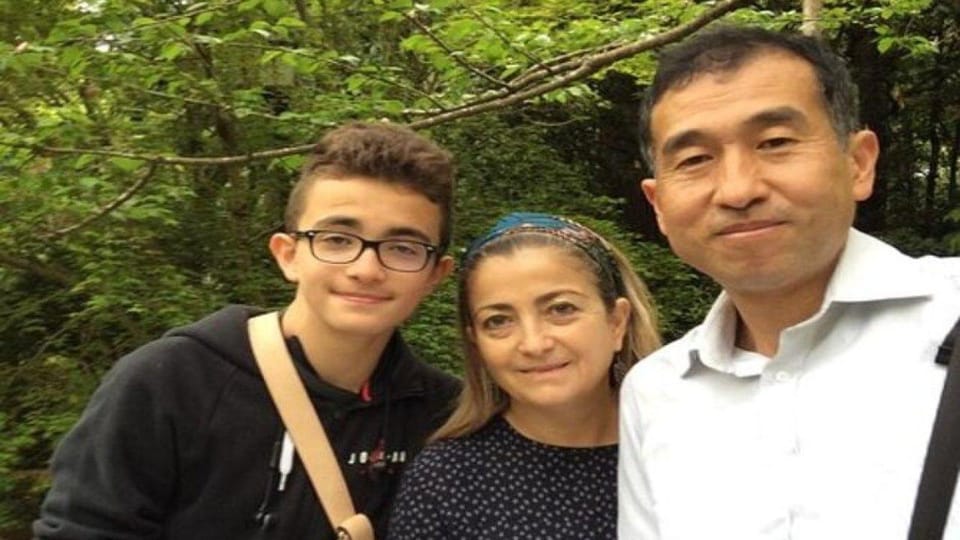
Kyoto can feel like you need a whole itinerary just to cover one neighborhood. This tour keeps it realistic: a three-hour window where you hit major sights, then wander into the side streets that make Gion feel like Gion.
Night is when Gion clicks for most people. The streets take on a softer mood, and the lighting makes the traditional buildings and lanterns easier to appreciate. Add a guide who can explain what you’re looking at, and you stop treating it like a checklist and start understanding it.
The best part for me is how the tour is designed for limited time. If you’re only in Kyoto for a few days, you can use this evening walk to learn the neighborhood’s logic—then plan your remaining visits with fewer wrong turns.
You can also read our reviews of more walking tours in Kyoto

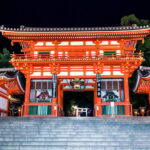
Starting at 213 Nakanocho: How You’ll Find Your Rhythm

The meeting point is 213 Nakanochō, Higashiyama Ward. That’s in the historic area of Kyoto where the streets still feel old-school, and it helps you start immediately in the right atmosphere instead of wasting time commuting across town.
Expect the tour to move in a steady rhythm: walk, photo stop, quick visit, then move on. Each segment is short enough to stay lively, and long enough to actually see details—not just pass by.
If you want to get the most out of it, show up a little early. Kyoto evenings can be busy, and you’ll want a moment to settle in, check shoes, and mentally switch from sightseeing mode to listening mode. When the guide is talking about customs and architecture, you’ll get more from those minutes if you’re not hustling.
From Pontocho Park to Nene-no-michi: Getting Oriented Fast
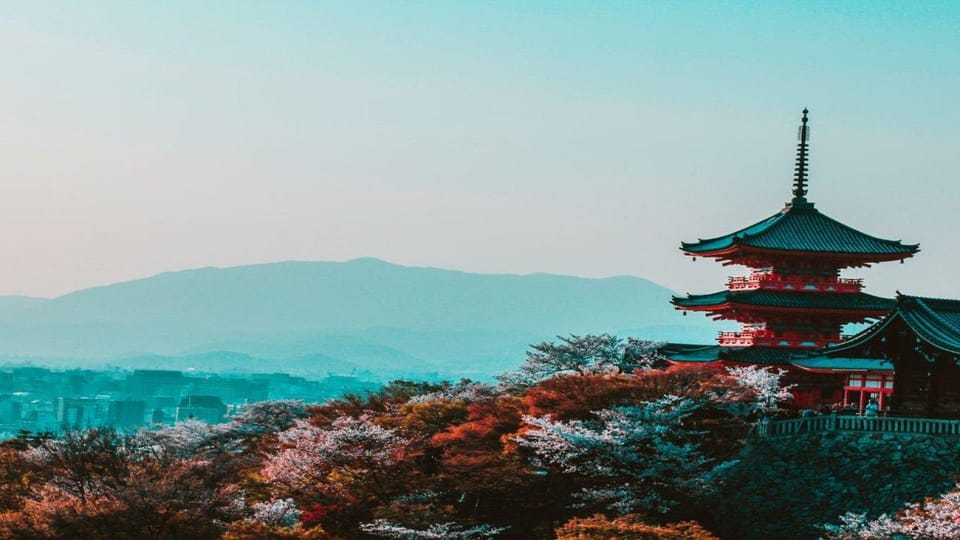
The route kicks off with a stop at Pontocho Park, with time for photos and a guided walk. Pontocho is the kind of area where the street layout matters. If you’ve ever felt lost in Kyoto’s old districts, this first segment helps you get your bearings quickly.
Next comes Nene-no-michi, another photo stop and guided sightseeing segment. This is the part that teaches you how the neighborhood connects—how you move from one “scene” to the next without feeling like you’re crossing a random maze. You learn what to look for as you go: building styles, street rhythm, and the way the evening atmosphere changes block by block.
Then you’ll pause at the Statue of Izumo-no-Okuni for photos and a short visit. A statue might sound like a quick blink-and-miss moment, but it works here because it gives the guide something human to connect to—one marker that helps you understand why this area carries so much cultural weight.
Practical tip: wear shoes you can trust. The route is designed for walking, and the streets in older Kyoto areas can vary in slope and surface.
Chion-in and Maruyama Park: Temples and Greens Without the Time Sink
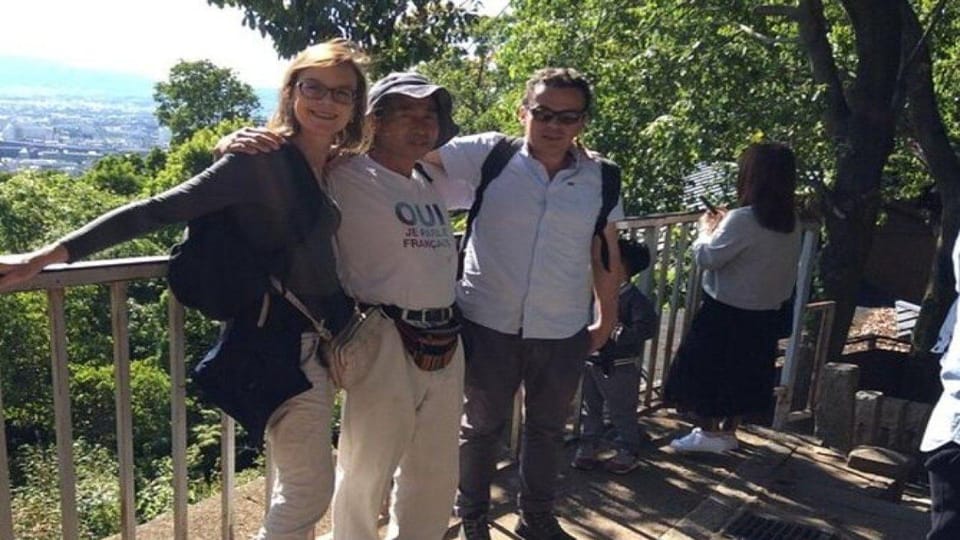
After you’ve set the neighborhood frame, the tour brings you to Chion-in for another guided sightseeing stop. This is where you’ll see how faith and daily life overlap in Kyoto. Even if you’ve visited temples before, having a guide explain what you’re noticing turns a quick look into something you remember.
Then you shift to Maruyama Park. This is a useful change of pace. Parks give you breathing room, and in Kyoto they also help you understand sightlines—where people naturally gather, how the neighborhood opens up, and why certain streets feel more dramatic at night.
What I appreciate is that these stops aren’t thrown in randomly. They break up Gion’s nightlife atmosphere with places that help you understand Kyoto as a whole, not just a geisha district.
If you’re short on time and still want variety in one evening, this middle section is exactly what you want. You get temples and calm spaces, without sacrificing the classic Gion streets that you came for.
Hanamikoji Street at Night: Where the Stories Make the Scene
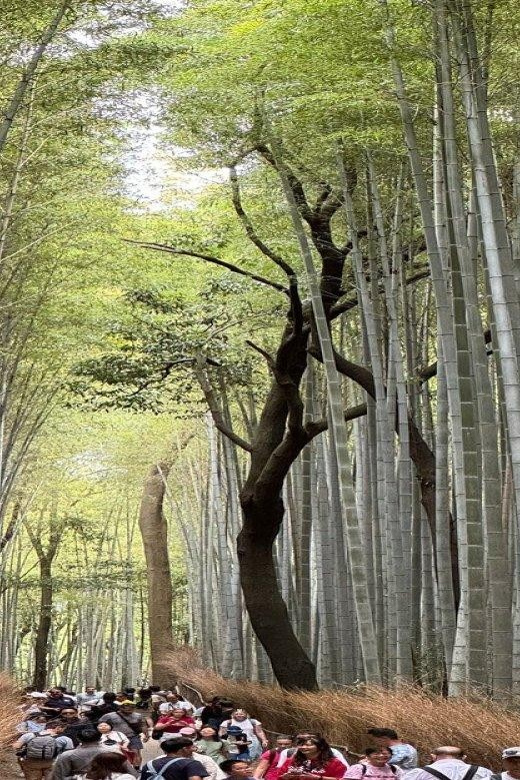
No Kyoto evening in Gion feels complete without Hanamikoji Street. This is one of the signature areas, and you’ll get time here for photos, guided walking, and sightseeing.
What makes this stop especially worthwhile is what your guide focuses on. The tour includes explanations about history, distinctive architecture, and cherished customs of the area. That changes how you interpret the street: you start noticing the details you’d normally miss—rather than just admiring the look for a few seconds.
This is also where the tour’s “night” theme becomes tangible. The lantern-lit atmosphere is part of the draw, but the guide helps you understand why that atmosphere matters—how the street functions in evening life and why it’s such a strong identity for Kyoto.
And yes, there’s the chance of spotting a geiko or maiko moving through the area, depending on availability. Don’t count on it like a guarantee, but do expect your guide to tell you what to watch for and how to behave respectfully if you’re lucky enough to see it.
You can also read our reviews of more historical tours in Kyoto


Yasaka Shrine and Shijo-dori: From Sacred Moment to Street Life
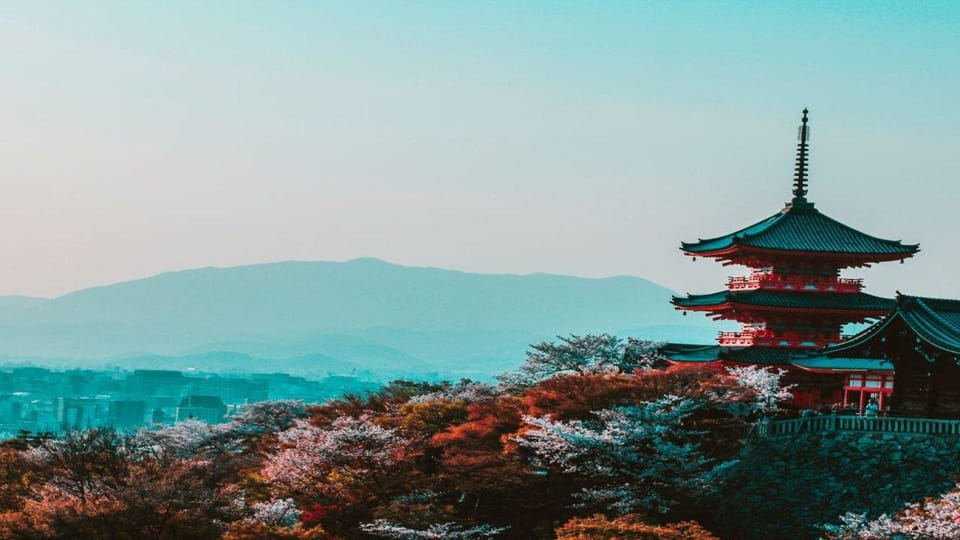
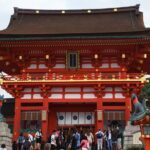
The tour then heads to Yasaka Shrine, also known as Gion Shrine, for a photo stop, guided tour, and sightseeing. Shrines like this anchor the neighborhood. You’re not just walking for atmosphere—you’re stepping into a place that shapes local rhythm and tradition.
After that, you move to Shijo-dori, another timed photo stop and guided segment. This is the reality check part of the evening: Kyoto’s old districts sit next to major thoroughfares, and Shijo-dori shows how the city blends past and present in the same view.
I like that the tour doesn’t treat “tourist Kyoto” and “everyday Kyoto” as separate worlds. You see the contrast and understand it instead of choosing one side of the fence.
If you’re wondering how to handle photos at sacred or traditional locations: follow your guide’s cues, keep it respectful, and don’t block people trying to pass through. You’ll get better pictures when you’re calm and patient.
Kyōto Minami-za Finish: A Strong Ending Point for Your Next Move
The last scheduled stop is Kyōto Minami-za, again with a photo stop, visit, and guided sightseeing. Even if you don’t know the building from before, the value of a final stop like this is practical: it gives you a recognizable “wrap-up” point to regroup before you head to dinner or your next Kyoto target.
A good walking tour ending matters. Without one, you’re left figuring out where you are and what direction to go in—especially when the evening crowds start to swell. Finishing at a known spot helps you take the next step with confidence.
This tour is also designed to leave you with follow-on ideas. One of the strongest signals from guides is how they share good plans beyond the walk itself. In particular, guides like Raphaël have been praised for clear explanations about maiko and geiko, and Jérôme and Déborah have been highlighted for finding extra “treasures” and giving strong suggestions for more things to do. That kind of advice is gold when you’re trying to stretch a limited number of days.
Price and What You Get for $44
At $44 per person for a 3-hour walking experience, you’re paying for more than just walking through scenic streets. You’re paying for interpretation: the guide’s storytelling, cultural context, and practical pointers you can use immediately afterward.
If you were doing this on your own, you could absolutely “see the spots.” But you’d miss the layer that turns them into understanding—why people do things the way they do, how the architecture communicates identity, and what to look for on the next street over.
I also like that the tour is private or small group. That format often means less waiting and more time to ask questions, which you can’t replicate with a crowded group tour. If you enjoy asking why instead of just snapping photos, this price starts to feel fair.
Food and drinks are not included. That’s not a negative—it usually means you’re free to pick exactly what you want nearby. Just plan your hunger level so the night stays fun, not stressful.
Who This Tour Fits Best (and Who Might Not)
This tour is a great match if you:
- want a compact evening plan in Gion
- like learning etiquette and cultural context while you walk
- prefer a private or small group experience over large tours
- want help deciding what to do after you’ve seen the main sights
It may be less ideal if you hate walking or your schedule is extremely tight with lots of stairs, because you’ll be on your feet for the full three hours. Also, if you’re only interested in quick photos with no interest in customs or story, a guided tour’s value may not feel as strong.
Where it shines is for people who want to leave Kyoto’s streets with a sense of place. You’ll understand what you saw and how to build the next part of your day.
Should You Book This Gion & Historical Walking Tour?
If you’re trying to get the most out of limited time in Kyoto, I think this tour is a solid booking. The biggest reason is the combination of key Gion sights plus a guide who helps you read the neighborhood instead of just walking through it.
Book it if you want a structured route that still feels flexible, and if you value practical advice about what to do next. If you’re the type who asks questions, you’ll likely enjoy this one.
Skip it only if you want a self-paced, no-guidance wander. This experience is built around the guide’s explanations, and that’s where much of the value lives.
FAQ
How long is the Treasures of Kyoto: Gion & historical Walking Tour?
It lasts 3 hours.
How much does the tour cost?
The price is $44 per person.
Is it private or small group?
Yes. The tour is listed as private or small group.
Where does the tour start?
The meeting point is 213 Nakanochō, Higashiyama Ward, Kyoto, 605-0075, Japan.
What languages are available for the live guide?
The live guide is available in English, French, Spanish, and Italian.
What sights are included on the walking route?
The tour includes stops at Pontocho Park, Nene-no-michi, the Statue of Izumo-no-Okuni, Chion-in, Maruyama Park, Hanamikoji Street, Yasaka Shrine, Shijo-dori, and Kyōto Minami-za.
Is food or drink included?
No. Drink or Food is not included.
Does the tour include transportation?
It includes walking and public transport (except if you select one of the options). It’s also described as a walking tour, with local transportation around the city not included.
Can I cancel or pay later?
Yes. It offers free cancellation up to 24 hours in advance for a full refund, and there’s a reserve now & pay later option.