REVIEW · KYOTO
Kyoto Gion: 2-Hour Geisha Culture & History Walking Tour
Book on Viator →Operated by Local Guide Stars · Bookable on Viator
Gion can look like just another pretty neighborhood until you walk with context. This 2-hour geisha culture and history stroll uses small streets, shrines, and old-town alleys to explain how Gion works. I especially like that you get both the famous sights and the quieter corners where the story feels real.
I also love the pace: short stops, smart photo moments, and a route that hits the core of Gion without cooking you in the heat. Plus, the group stays small (up to 15), so the guide can answer questions as you go. One drawback to think about: if your main goal is seeing a geisha, there’s no guarantee, so you should treat spotting one as a bonus, not the plan.
In This Review
- Key things I’d highlight before you go
- Why this 2-hour Gion walk makes sense
- Starting point and what to expect from the walk
- Hanamikoji Street: where the geisha world feels closest
- Sannenzaka and Ninenzaka: the photo street with a spooky rumor
- Yasaka Shrine: the 1,000-year-old anchor in the middle of Gion
- Hokan-ji Temple and Pontocho: photos and atmosphere that actually pay off
- Gion Shirakawa: Edo-period townhouses and the quieter side of Gion
- Yasui-Konpiragu: Shinto worship that feels local, not staged
- How good are your odds of seeing a geisha?
- Price and value: what you pay for at $23.88
- Who this tour is best for
- Quick practical advice before you book
- Should you book this Gion geisha culture and history tour?
- FAQ
- How long is the Kyoto Gion Geisha Culture & History Walking Tour?
- What is the price per person?
- Where do I meet for the tour?
- Do I need to buy tickets for the stops?
- Is this tour a private experience?
- Will I definitely see a geisha?
- What kinds of places does the tour include?
- Is the tour suitable for everyone in terms of walking?
- What happens if the weather is bad?
Key things I’d highlight before you go
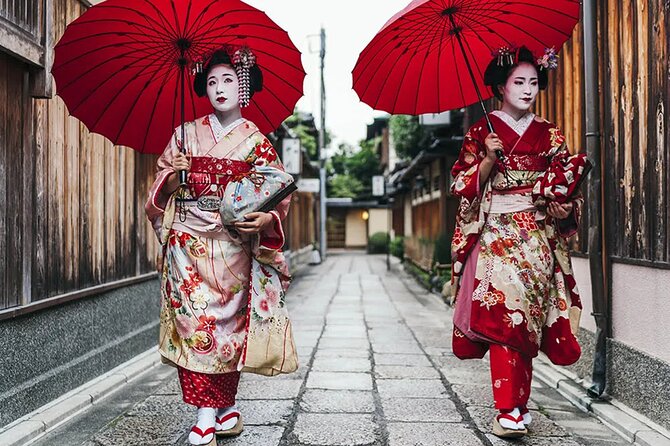
- Hanamikoji Street timing gives you your best shot at a glimpse of geisha or maiko life
- Free stops along the way mean your money goes to the guide and walking time
- Old-town streets like Sannenzaka/Ninenzaka turn Kyoto into something you can feel
- Yasaka Shrine and Hokan-ji add real religious depth, not just photo ops
- Pontocho and the Kamogawa River area help you end with atmosphere, not just landmarks
Why this 2-hour Gion walk makes sense
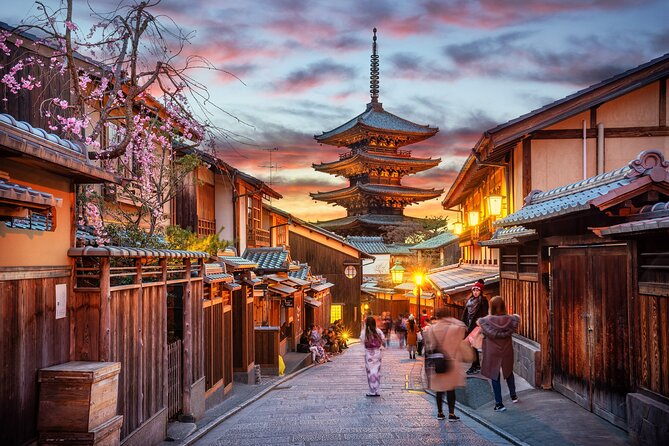
Gion is one of those Kyoto districts where first impressions can be misleading. From a distance, it looks elegant and postcard-clean. Up close, it’s a living neighborhood shaped by tradition, rules, and daily rhythms that most visitors never notice.
This tour is built for that gap. You get a focused route that mixes geisha culture context with classic Kyoto walking scenery. And because it’s about two hours, it feels manageable even when your day is packed with other temples.
You’ll also get local guidance in a way that’s practical, not lecture-style. Guides associated with this experience (like Dan, Uta, Soyo, Naoya, Oliver, Alex, and others) are described as story-driven and helpful with what to do next. That matters in Kyoto, where you can easily spend a full day seeing sights but miss the “how to understand this place” part.
One more value point: the stops don’t eat your budget. The route includes areas where you don’t pay admission on the spot, so the tour price mainly buys you the guide’s explanations and the walking plan that saves time.
You can also read our reviews of more walking tours in Kyoto


Starting point and what to expect from the walk
You meet at McDonald’s near Shijo-ohashi Bridge (105-1 Hashimotochō, Shimogyo Ward). It’s an easy landmark, and the tour info notes it’s near public transportation. That’s a big deal if you’re coordinating with buses or trains in Kyoto, where transfer time can creep up on you.
This is a walking tour with a moderate fitness level. You’re not doing anything extreme, but you will be on your feet for stretches. Wear shoes you trust. If it’s hot or raining, take it seriously—this experience is described as requiring good weather, and the tour may be canceled or rescheduled if conditions are poor.
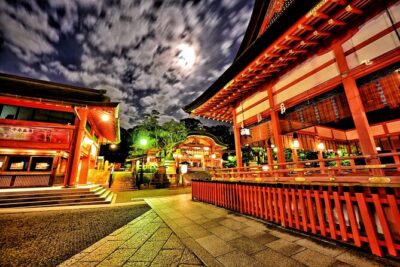
Timing also matters. In the reviews, people who wanted the best chance to spot geisha pointed to doing the tour around 5 to 6 PM and enjoying it after the worst crowd pressure drops. That fits how Gion looks at night: quieter side streets, softer lighting, and a better chance to see someone moving through the district at normal pace.
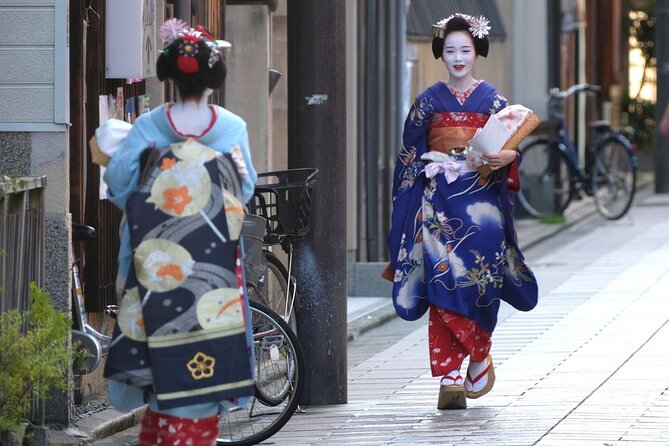
Hanamikoji Street: where the geisha world feels closest
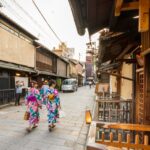
Your first stop is Hanamikoji Street, the “heart” of Gion’s geisha district. This is the kind of street that photographs well in any season, but the tour makes the difference by giving you the background first.
Instead of treating geisha and maiko as just costumes, you learn about the training and discipline behind the culture. The tour highlights how long the process takes and how much craftsmanship goes into things like kimono presentation and traditional hair styling. That context changes what you notice on the street. You start seeing details in the way people carry themselves, not just “an interesting figure in traditional dress.”
You also get the very real possibility of spotting a geisha. Again, it’s not promised. But the guide’s route and timing are clearly aimed at increasing your odds. If you want to photograph, keep it respectful and brief. If someone seems to be working or moving through with purpose, step back and let the moment pass.
Practical tip: stand where you can see foot traffic without blocking it. Watch patterns—someone arriving or leaving a nearby area can appear quickly. Then it’s gone.
Sannenzaka and Ninenzaka: the photo street with a spooky rumor
Next you walk through Sannenzaka Ninenzaka, the old-street lanes that many people associate with Kyoto’s classic atmosphere. This stop is short—about 15 minutes—but it’s one of those places where a short time feels enough if you understand what you’re seeing.
There’s also a famous rumor tied to this area: people say that if you fall there, you’ll die in two years. The tour includes a guide explanation of what the rumor really means. I like this approach. Kyoto has plenty of myths, and it’s refreshing when the guide turns spooky folklore into something you can laugh at with context, not panic about.
What I’d take from this stop is simple: it’s an excellent way to help you “read” Kyoto’s streets. You get the atmosphere, the architecture vibe, and the idea that old neighborhoods come with old rules and old stories.
Consideration: if you’re photographing, do it early here. Later stops may feel more crowded depending on the time of day, and you don’t want to waste your best light standing in the same spot.
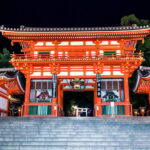
Yasaka Shrine: the 1,000-year-old anchor in the middle of Gion
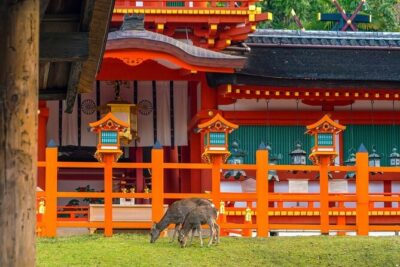
Then you head to Yasaka Shrine, listed as about a 20-minute visit. This is one of Kyoto’s most important shrine areas, and the tour’s framing matters. They call out its 1,000-year-old significance, which gives you a sense of scale fast.
Shrines in Kyoto are more than scenic backdrops. Even if you don’t know the details of Shinto practice, you can feel the purpose—people come to pray, make offerings, and take part in local tradition. The guide helps you connect that “place” energy to the wider neighborhood, including how Gion’s culture sits next to these long-standing spiritual roots.
If you like understanding architecture and ritual spacing—how people move, where they pause, and how the space shapes behavior—this is a good stop. It’s also a nice break from constant street-watching.
Practical note: expect a calm but active flow of visitors. Give people room to approach, and don’t rush through. A shrine visit isn’t a checklist item here.
You can also read our reviews of more historical tours in Kyoto


Hokan-ji Temple and Pontocho: photos and atmosphere that actually pay off
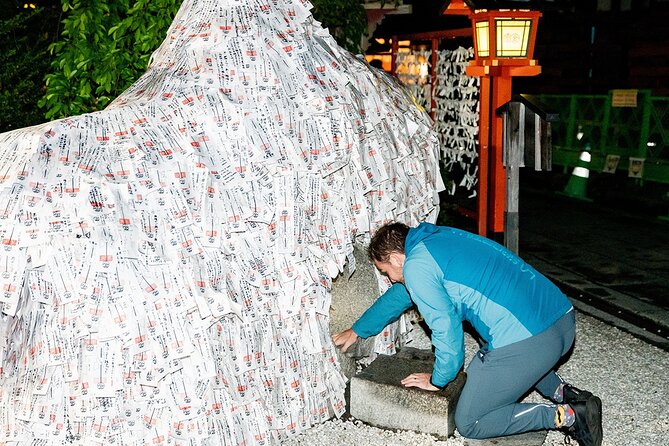
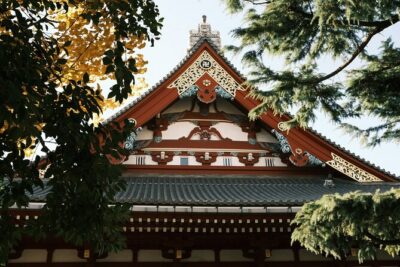
After Yasaka Shrine, you go to Hokan-ji Temple for about 20 minutes. The tour describes it as the most photogenic spot in Kyoto. Whether you agree with that after you see it, you’ll probably understand why people hype it: the views, the composition, and the way the area photographs are strong.
A good temple stop has two parts: what you see, and what you learn to notice. The tour keeps you moving at a walking pace, but it gives you enough narrative so you’re not just shooting pictures. You’ll also be able to compare what you’ve seen so far—Gion’s geisha context—against Kyoto’s spiritual and visual traditions.
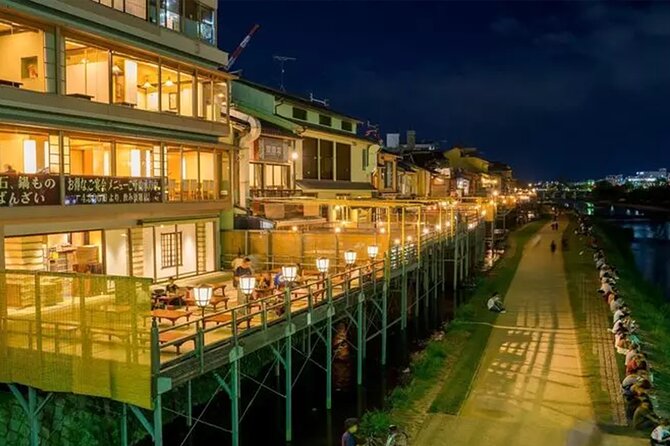
Then comes Pontocho, a historic gourmet street, about 15 minutes. This is where Kyoto shifts from “daytime sights” to something closer to an evening mood. Pontocho is the kind of street that feels like it belongs to candlelight and conversations, even if you’re there in daylight or early evening.
To top it off, the route includes time by a local chill-out spot by the Kamogawa River. That’s not just a pause. It helps you reset your eyes after dense streets. Also, river air can be a relief on a warm day.
Tip for timing: if you’re doing this later in the day, you’ll often feel the atmosphere lift. If you’re doing it early, you’ll still enjoy it, but don’t expect the night vibe to be fully in play yet.
Gion Shirakawa: Edo-period townhouses and the quieter side of Gion
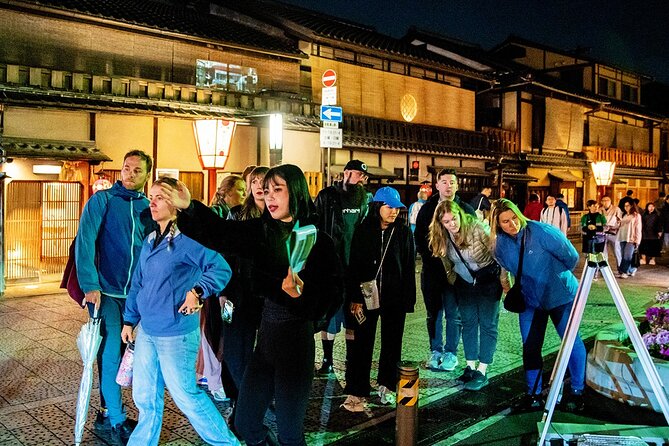
Next is Gion Shirakawa, where you see Edo-period townhouses. This stop is about 20 minutes and is designed for you to slow down and notice how old neighborhoods were built to last.
Townhouses from this era aren’t just “old buildings.” They’re evidence of how people lived, where space mattered, and how streets were arranged around daily life. The guide’s job here is to connect wood, layout, and era details into a story you can picture.
I like this part because it balances the tour’s geisha-focused theme. You’re not only learning about performance and training. You’re also learning about the physical stage where that culture still echoes.
If you’re the type who enjoys small architecture details—materials, shape, and the feel of narrow streets—this is likely one of your favorite segments.
Yasui-Konpiragu: Shinto worship that feels local, not staged
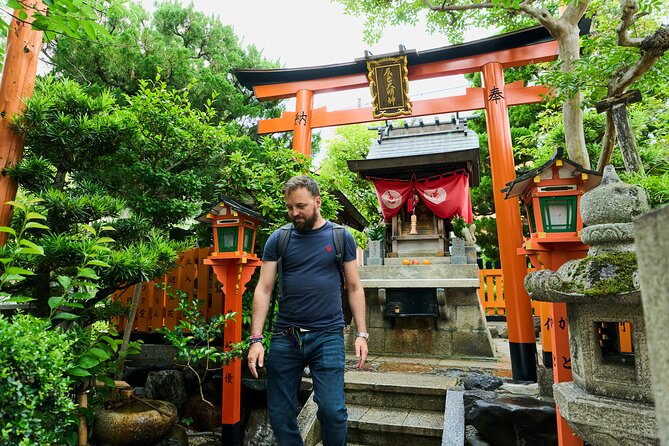
The tour finishes with Yasui-Konpiragu, about 15 minutes, with a focus on Shinto worship. This stop rounds out the day by reminding you that Kyoto’s tradition isn’t limited to one neighborhood or one kind of attraction.
A lot of cultural tours stop at “pretty streets plus a temple.” This one adds a shrine stop that reinforces the spiritual context running through the whole city. It’s a smaller moment than the headline stops, but it’s often the kind you remember because it feels more direct and less photo-driven.
After that, you return back toward the meeting point area, keeping the entire experience within the easy 2-hour frame.
How good are your odds of seeing a geisha?
Here’s the honest travel math: you might spot a geisha, or you might not. This tour is set up to maximize your odds by placing you in the right areas and keeping you there long enough to notice what’s happening.
What makes the difference is when you go. Based on tips from people who did this successfully, aim for around 5 to 6 PM if seeing a geisha is a top priority. One reason is simple: the district settles and the street energy changes. Also, you’re more likely to catch someone moving between appointments.
If you don’t see one, you’ll still get value. The guide’s explanations about training, hairstyles, and the rules around appearance make the cultural part land. And the shrine/temple segments keep the tour from feeling like a hunt.
Respect tip: if you do see geisha or maiko, don’t chase. Don’t film from close range. Step aside, let them pass, and keep your voice down. That’s how you stay part of the neighborhood, not an intruder.
Price and value: what you pay for at $23.88
The price is $23.88 per person for about two hours with a local guide. That’s not a free walking tour. So what’s the value?
You’re paying for:
- A route that covers multiple key areas without wasting time
- Context that turns “sightseeing” into understanding
- A small group size (maximum 15), which makes questions actually possible
- A guide who can point you toward local recommendations during and after the walk
Also, many of the stops listed are admission ticket free, which helps your money go toward the guided experience rather than stacking entrance fees. This matters in Kyoto, where it’s easy to accidentally build a pricey itinerary just from entry tickets.
There’s no heavy “activity” element here. It’s not a workshop or a performance. It’s interpretation through walking. If you like culture best when it has stories attached—who people are, why places look the way they do—this cost makes sense.
Who this tour is best for
This tour is ideal if you:
- Want to see Gion without over-planning your day
- Like history and culture explained in plain language
- Care about geisha culture, but also want shrines and classic Kyoto streets
- Prefer a small group and an organized route
It’s a good fit for first-timers who feel overwhelmed by Kyoto’s size. It’s also a good second-visit choice because it focuses on Gion’s identity instead of trying to hit every landmark in Kyoto in one day.
If you only care about photographing temples and you don’t want guided storytelling, you might find it less exciting. But if you enjoy learning how a place works, you’ll probably feel the tour’s value quickly.
Quick practical advice before you book
- Bring comfortable shoes. Your feet will do most of the work.
- Consider doing it around early evening for a better atmosphere and better chance of seeing geisha.
- If weather is iffy, keep your plan flexible. The tour requires good weather and may be canceled due to poor conditions.
Should you book this Gion geisha culture and history tour?
I’d book it if you want a smart, focused introduction to Gion that goes beyond surface-level sights. The combination of Hanamikoji Street, Yasaka Shrine, a photogenic Hokan-ji moment, and the quieter old-town segments like Gion Shirakawa makes the route feel balanced. It’s also short enough that it won’t drain your whole afternoon or evening.
Skip it only if your expectations are too narrow. If you’re booking with the belief you will definitely see a geisha, you may end up disappointed. The better mindset is: you’re here for the story and the streets, and spotting one is a possible bonus.
If that sounds like your style of travel, this is a solid way to spend two hours in Kyoto—learning the rules of the culture while walking through the places that still shape it.
FAQ
How long is the Kyoto Gion Geisha Culture & History Walking Tour?
It lasts about 2 hours.
What is the price per person?
The price is $23.88 per person.
Where do I meet for the tour?
The meeting point is McDonald’s – Shijo-ohashi Bridge (105-1 Hashimotochō, Shimogyo Ward, Kyoto).
Do I need to buy tickets for the stops?
The tour includes several stops listed as admission ticket free.
Is this tour a private experience?
No. It’s a small group tour with a maximum of 15 travelers.
Will I definitely see a geisha?
There is a chance you may spot a geisha, but it’s not guaranteed.
What kinds of places does the tour include?
You’ll walk through Gion’s geisha district and visit a mix of streets and cultural sites including Hanamikoji Street, Yasaka Shrine, Hokan-ji Temple, Pontocho, Gion Shirakawa, and Yasui-Konpiragu, plus a riverside chill-out spot by the Kamogawa.
Is the tour suitable for everyone in terms of walking?
The tour notes that travelers should have a moderate physical fitness level.
What happens if the weather is bad?
The experience requires good weather. If it’s canceled due to poor weather, you’ll be offered a different date or a full refund.