REVIEW · KYOTO
Kyoto: Nijo Castle World Heritage Guided Tour with Admission
Book on Viator →Operated by Local Guide Stars · Bookable on Viator
Nijo Castle hits hard in 90 minutes. You get a guided walk through this UNESCO site with admission handled for you and a guide who keeps the visit moving. I like that it’s built around prebooked entry, so you spend less time figuring out lines and more time learning why Tokugawa power still echoes in the wood and gardens.
One thing to plan for: parts of the castle interior require shoe removal, so wear footwear that won’t punish your feet (thick socks help in winter). Also, it’s a highlights-focused tour—great for an efficient first visit, less ideal if you want to linger for hours.
In This Review
- Key Highlights You’ll Actually Feel
- Why Nijo Castle Is Worth Your One Kyoto Afternoon
- Getting In Without Line Stress: Prebooked Admission Done Right
- Meet at Nijojo-mae Station and Expect a Smooth 1.5-Hour Walk
- Stop at Nijo Castle: Tokugawa Ieyasu and the Samurai-Era Power Story
- A realistic expectation
- Gardens, Gates, and Photo Moments You’ll Notice More With a Guide
- Your Guide Makes or Breaks This Kind of Castle Visit
- What to Wear: Shoes Off Inside, and Winter Needs Thick Socks
- Price and Value: Is $39.24 a Fair Deal?
- Who This Tour Fits Best (and Who Might Skip It)
- Should You Book This Nijo Castle Tour?
Key Highlights You’ll Actually Feel
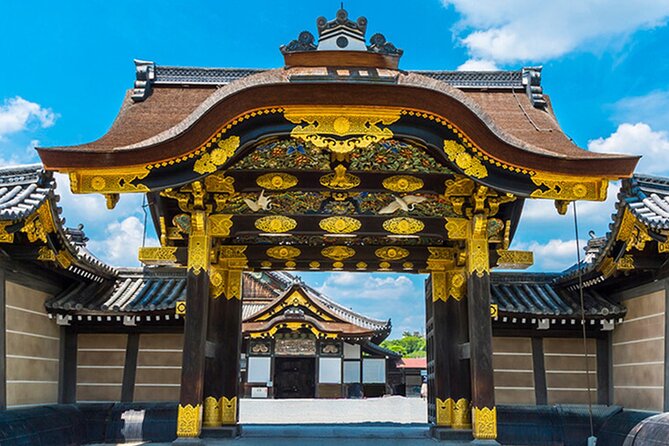
- Admission included with prebooked entry, so you can start seeing the castle quickly
- Small group (max 10) for easier questions and a calmer pace
- Stories of shogun vs emperor rivalry and how Tokugawa Ieyasu shaped the era
- Japanese gardens and photogenic spots made easier to notice with a guide’s context
- Easy meeting point near public transport at Nijojo-mae Station
- Shoes-off tip: interior access can mean shoe removal; thick socks are a smart winter move
Why Nijo Castle Is Worth Your One Kyoto Afternoon
Nijo Castle is one of those Kyoto stops where the details do the talking. The structure and setting were designed around authority—built by Shogun Tokugawa Ieyasu, tied to a samurai era that lasted 260 years. With a guide, you don’t just see rooms and halls; you understand why they were made that way.
I like that this tour doesn’t treat Nijo as a checklist. It connects what you’re looking at—castle spaces, garden views, and layout—to the larger story of power in Japan, including the tension between shogun rule and imperial authority. Even if your Japanese history is light, the explanations are timed to your walk.
You can also read our reviews of more guided tours in Kyoto


Getting In Without Line Stress: Prebooked Admission Done Right
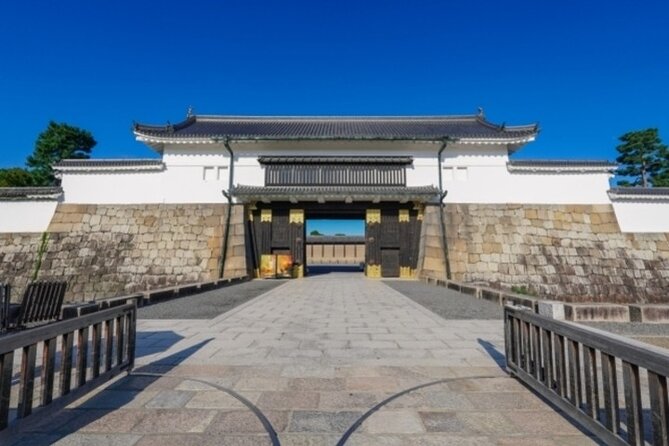
This tour’s biggest practical win is admission included and prebooked entry. That matters at Nijo Castle because ticket lines and on-the-spot decisions can chew up your time. With this setup, you show up and join the group, then the guide helps you get moving.
It’s also a good value approach. At $39.24 per person, you’re paying for both the ticket and guided context in one go. If you’ve ever paid for an entry ticket and then spent your visit searching for what you should notice, you’ll feel the difference here.
One small note: you’ll still want to arrive a few minutes early so you can check in calmly. This is a short tour, about 1 hour 30 minutes, so the timing is part of the deal.
Meet at Nijojo-mae Station and Expect a Smooth 1.5-Hour Walk
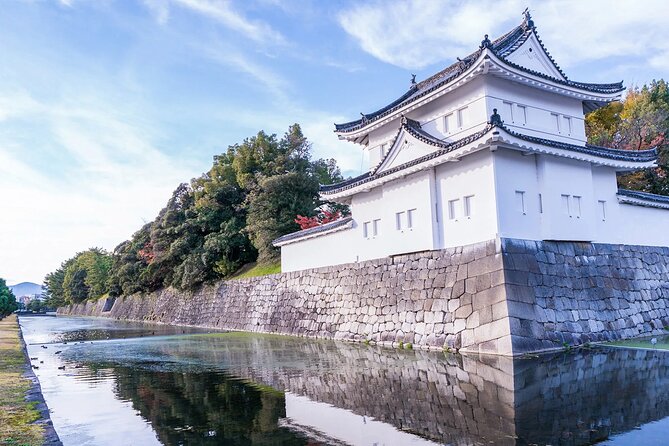
The tour starts at Nijojo-mae Station (Nijo-jo Castle area) in Nakagyo Ward, Kyoto. The experience ends back at the meeting point, so you’re not left figuring out how to get home after you’re done. It’s also described as near public transportation, which helps if you’re bouncing between Kyoto sights by subway or bus.
With a maximum of 10 travelers, the group stays small enough for real interaction. You’re not stuck listening from the back row. If questions come up—especially about how shogun power worked or why certain spaces were designed the way they were—you’ll have a better chance to get direct answers.
The tone is walking-friendly: this is a guided stroll through the castle grounds and key areas, not a long trek across multiple neighborhoods.
Stop at Nijo Castle: Tokugawa Ieyasu and the Samurai-Era Power Story
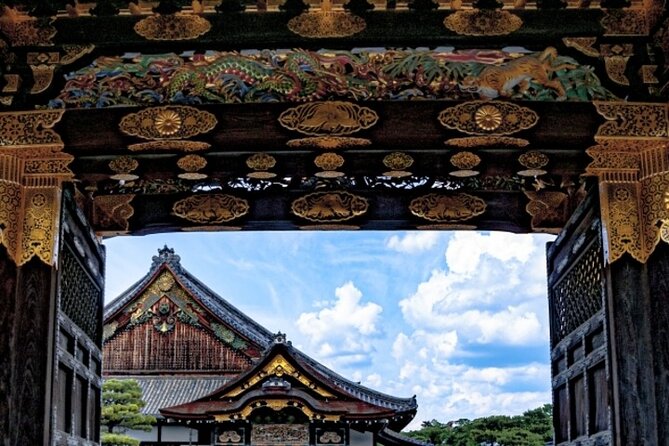
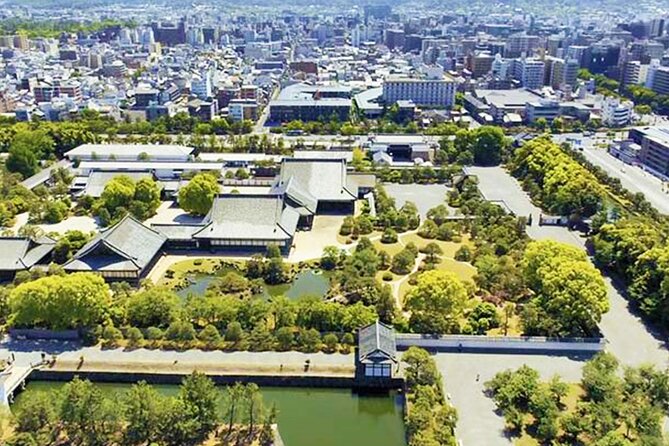
Your main stop is Nijo Castle, and the admission ticket is included. Built under Tokugawa Ieyasu, the castle ties directly to the start of the samurai era that stretched 260 years. That timeframe isn’t just a date for your notes—it’s a lens for everything you see.
A guide leads you through the key highlights, sharing how shogun rule was structured and why the imperial question mattered. You’ll hear stories about shogun and emperor rivalry, and the visit turns more meaningful because you can connect the political story to physical spaces. In plain terms: the castle layout isn’t random. It reflects the kind of control Tokugawa power needed.
The tour also slows down at points where gardens and surrounding views deserve attention. You’re not just moving room to room; you’re seeing how the castle interacts with its grounds, which is a big part of Nijo’s atmosphere.
A realistic expectation
Because the duration is about 1 hour 30 minutes, this isn’t the kind of visit where you read every sign. Instead, you get a curated walk through the most important areas, with the guide translating what matters most.
You can also read our reviews of more historical tours in Kyoto



Gardens, Gates, and Photo Moments You’ll Notice More With a Guide
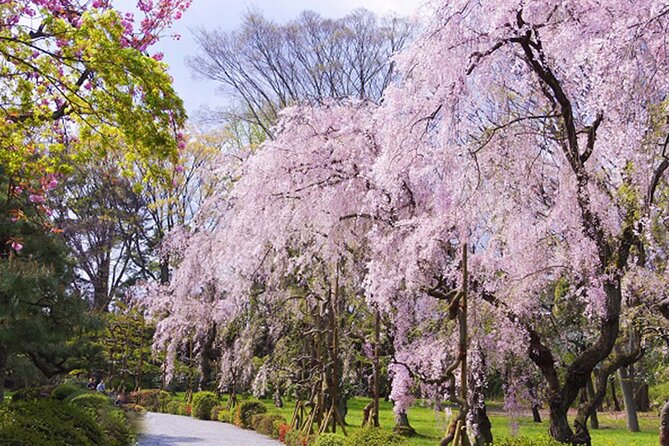
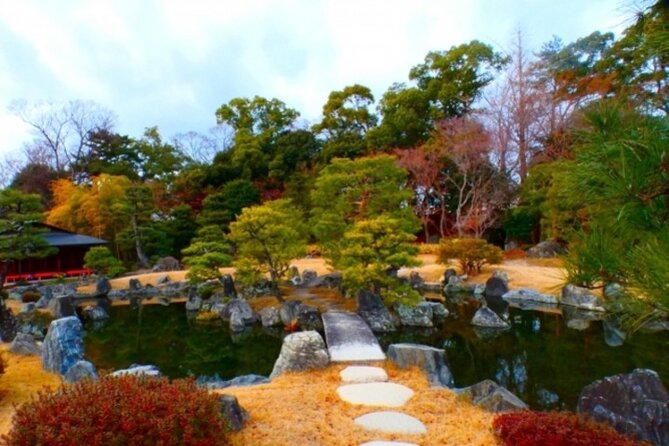
Nijo Castle isn’t all interior rooms. The gardens and grounds are part of the experience, and the tour encourages you to look closely while you walk. Expect time for a stroll through the beautiful Japanese gardens, plus stops for the most photogenic scenes.
Here’s why this tour format helps: without context, it’s easy to take photos and move on. With a guide, you start spotting design choices—sightlines, transitions between areas, and the way the grounds frame views. It’s not that you suddenly become an expert gardener. It’s that you stop treating the setting like background.
If you care about getting good photos without spending your whole hour thirty juggling angles, a guided stop-and-look rhythm is a big help. It keeps you from missing the moments that only work because of where you stand.
Your Guide Makes or Breaks This Kind of Castle Visit
For this tour, the guide is front and center. The whole package is set up so you don’t have to navigate alone, and that’s where the value shows.
Across the guide experiences associated with this tour, you can expect people who explain the story clearly and handle questions well. Names that have been highlighted include Alex, Nao, Naoya, and Benjamin, and the consistent theme is strong English and confident answers. The best part isn’t just facts—it’s the way the story gets told in a way that fits what you’re seeing right now.
I also like that the tour isn’t stiff. You’ll often get small anecdotes and humor along the way, which keeps the political history from turning into a lecture you forget before you reach the next gate.
What to Wear: Shoes Off Inside, and Winter Needs Thick Socks
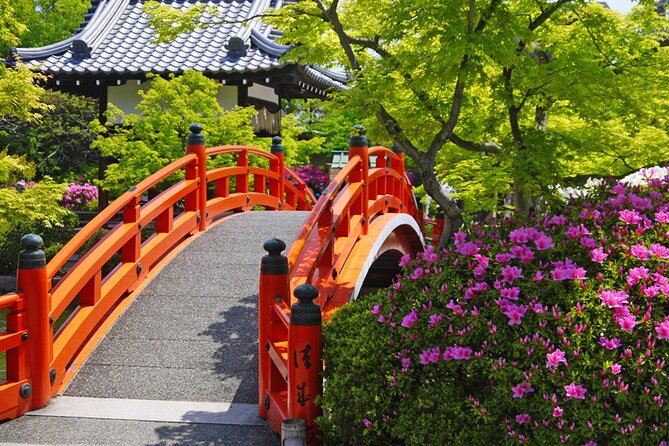
This is one practical travel detail I’d treat seriously. The castle interior can require removal of shoes, so plan around that.
A tip tied to this experience: wear thick socks during winter. That’s not a tiny comfort issue; it can make a cold indoor moment feel tolerable instead of miserable. If you’re visiting in cooler months, this small planning move will pay off fast.
For the rest of your outfit, choose comfortable layers. A guided walk means you’ll be moving at a casual pace, but Kyoto weather can change quickly. You’ll also be stepping in and out of areas where shoe policies apply, so make sure you can handle it smoothly.
Price and Value: Is $39.24 a Fair Deal?
$39.24 per person can sound like a lot at first—until you price it out the way this tour is designed.
You’re paying for:
- Nijo Castle admission included in the fee
- A live guide who leads you through the highlights
- A small group size that supports questions
- Prebooked entry, which helps reduce wasted time
If you visited Nijo Castle on your own, you’d still need to solve the same basics: where to go first, which parts matter most, and how to understand what you’re seeing. This tour turns those uncertainties into a ready-made path with context.
Is it worth it for everyone? If you love solo wandering with guidebooks, you might prefer free-form exploring. But if you want a strong first impression fast, this is the kind of package that feels like you paid for convenience and comprehension.
Who This Tour Fits Best (and Who Might Skip It)
This works especially well if you:
- Want a guided introduction to Nijo Castle and Tokugawa-era power
- Prefer small-group tours over large crowds
- Like learning why historical sites look the way they do—not just what they were named
- Appreciate practical structure, especially when time is tight
You might consider skipping if you:
- Want a long, slow, self-directed visit where you can linger in specific rooms
- Strongly dislike shoe removal and don’t want to plan your footwear accordingly
For most people, this is a smart way to do Nijo without overthinking your day.
Should You Book This Nijo Castle Tour?
Book it if you want an efficient, guided, admission-included way to experience one of Kyoto’s most important historical sites. The prebooked entry is a real time-saver, and the guide-led story about Tokugawa Ieyasu and shogun vs emperor rivalry helps the visit click quickly.
My call: if you’re planning only a few “big ticket” moments in Kyoto and want one that’s both meaningful and manageable, this is a solid pick. Just show up ready for the shoes-off reality indoors, and you’ll get the kind of visit where the castle feels more than just old walls.