REVIEW · KYOTO
Kyoto 6hr Private Tour with Government-Licensed Guide
Book on Viator →Operated by Japan Guide Agency · Bookable on Viator
Kyoto can feel like a maze, but this tour gives you a plan. It’s a private 6-hour walking tour with a government-licensed English-speaking guide, designed to help you see major Kyoto stops without getting lost—using public transportation like locals do.
I especially like the flexibility: you customize which 3–4 sites you want from a big menu, and your guide can shape the day around your interests and pace. I also like how the itinerary is built for “real Kyoto time,” mixing iconic sights (like Fushimi Inari’s torii gates) with everyday areas (like Nishiki Market and Gion lanes).
One thing to consider: it’s walking-based and tickets for many temples are not included, so you’ll want comfortable shoes and a bit of budget for entry fees and snacks.
In This Review
- Key highlights worth knowing
- A 6-hour private Kyoto plan that actually fits your energy
- Government-licensed guide + public transit: seeing Kyoto like a local
- Price and value: why $155.86 per person can be fair
- How the 6 hours get chosen: the “3–4 stops” rule
- Entering the torii world: Fushimi Inari to the Higashiyama zone
- Gion lanes, Nishiki Market, and Pontocho—Kyoto’s daily life stops
- Nijo Castle and Kyoto Imperial Palace: seeing power in stone
- Temple choices in North Kyoto: Ginkakuji, Nanzenji, and Kinkakuji
- Arashiyama: bamboo walks, Togetsukyo Bridge, and garden time
- Tickets, lunch, and the walking reality check
- Who this Kyoto 6-hour private tour fits best
- Should you book it?
- FAQ
- How long is the Kyoto private tour?
- Is this tour private or shared?
- Do I get a guide who speaks English?
- Where do we meet the guide?
- Are admission tickets included?
- Can I customize which sights we visit?
Key highlights worth knowing
- Government-licensed, local English-speaking guide who can explain what you’re seeing and help with transit decisions
- Pick 3–4 stops from a curated list, so you don’t waste a day bouncing everywhere
- Walk + public transportation approach gives you the feel of Kyoto’s rhythm, not a bus-circuit
- Iconic clusters in one day (East Kyoto, central sights, or Arashiyama)
- Strong track record with a 4.9 rating and 98% recommendation rate
- Guide-tuned pacing that works for families, and even seniors, when you ask
A 6-hour private Kyoto plan that actually fits your energy
Kyoto is famous for big-name attractions, but your day can still go sideways fast—wrong train, wrong exit, too many stairs, or just too much walking too soon. This tour is built to prevent that. You get a guide, a clear time window, and a route that typically focuses on one or two areas so the day feels efficient instead of frantic.
Because you’re private, you also avoid the “watch the guide, then watch yourself drift” problem. Your guide can adjust as you go. One guide even specifically guided a day through the quieter winter feel of Kyoto, showing that the schedule is meant to flex with conditions.
That flexibility is the real value. You’re not stuck with a generic checklist.
You can also read our reviews of more guided tours in Kyoto

Government-licensed guide + public transit: seeing Kyoto like a local
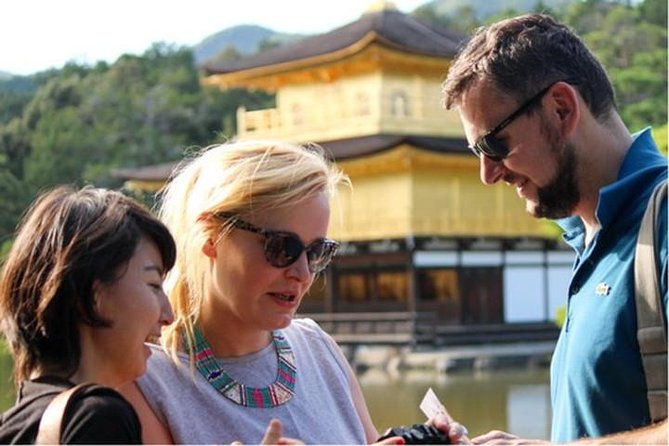
What I like most is the method: you travel through Kyoto using public transportation, not a private van-for-everything setup. That matters because it changes what you notice. You’ll pick up directions, learn the “shape” of neighborhoods, and get a better sense of how the city works after the tour ends.
It also helps you avoid the most common solo-tour pain: standing at a station entrance wondering which side to exit. In real life, that’s where hours disappear. Guides in this program have helped guests get comfortable with subway and train systems, which means you’re not just learning facts—you’re learning how to move through the city.
You’ll meet your guide on foot within a designated area in Kyoto, then continue from there. Since this is a walking tour, it’s smart to start with practical expectations: you’ll see a lot, but you’ll also feel the walking.
Price and value: why $155.86 per person can be fair
At $155.86 per person for about 6 hours, you’re paying for three things that add up fast on your own: time, navigation, and interpretation.
1) Time: Kyoto’s best stops are scattered. With only one day, you want your time to go toward actual sightseeing—not figuring out transit.
2) Navigation: A licensed guide helps you move between clusters of sights without losing energy.
3) Meaning: Temple and shrine visits in Kyoto can be confusing if you only read signs. A good guide turns confusion into understanding, and you end up enjoying the places more.
Is it the cheapest way to tour Kyoto? No. But private time with a strong guide can be a better deal than spending your day hopping between stations while trying to read every explanation yourself.
How the 6 hours get chosen: the “3–4 stops” rule
The biggest thing to know is that your tour isn’t trying to cram in everything on earth. It’s designed around customizable 3–4 sites from a larger list.
That’s the right constraint for Kyoto. If you try to do too many stops, you get the worst combo: short visits at each place, lots of waiting, and a sore body by noon. With 3–4 stops, you can actually slow down for details—especially in places where you’ll want to linger, like shrine grounds, garden temples, and atmospheric alleyways.
Here are some practical pairings that make sense for a 6-hour private day:
- East Kyoto classics: Fushimi Inari + Kiyomizu-dera + Higashiyama/Gion
- Zen-garden day: Ginkakuji or Kinkakuji + Ryoan-ji + (optional) Arashiyama connection
- Central Kyoto orientation: Nijo Castle + Kyoto Imperial Palace + Nishiki Market + a stroll through Pontocho
- Arashiyama-focused: Tenryu-ji + Togetsukyo Bridge area + bamboo grove walks and a garden visit
If you’re unsure, ask your guide to suggest the best geographic fit based on what you care about most: torii gates, golden pavilions, rock gardens, bamboo, or traditional streets.
Entering the torii world: Fushimi Inari to the Higashiyama zone
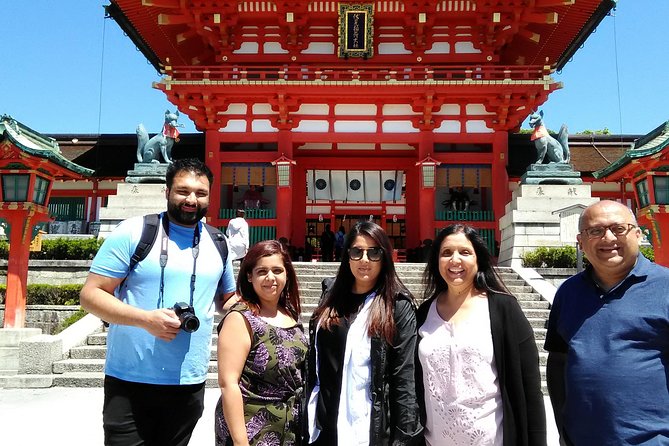
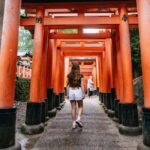
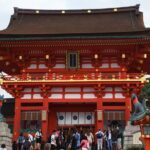
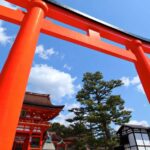
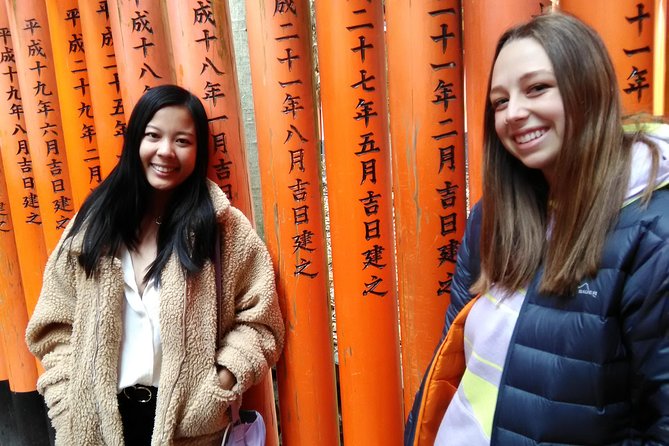
If Kyoto is a story, Fushimi Inari is the opening chapter. Fushimi Inari-taisha is famous for its vermilion-red torii gates, and it’s free to enter on the standard stop. The key advantage of having a guide here is not just the origin story—it’s helping you understand why the torii path feels different from other shrine grounds. You’ll also get tips on how to experience the route so it doesn’t feel like one long repeat.
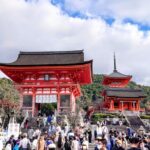
A common next move in a 6-hour day is Kiyomizu-dera, where you get a guided visit (and admission is not included). Kiyomizu-dera is one of those places where the views and the temple complex work together, and a guide can help you read what you’re seeing while you walk the grounds.
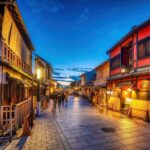
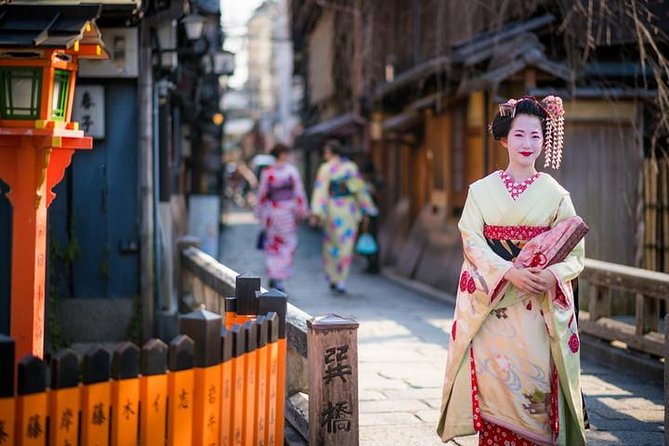
From there, many people pair it with Higashiyama Ward and nearby street areas like Gion. Higashiyama is one of Kyoto’s best-preserved historic districts, and it’s especially good for your first day because you immediately get the “old Kyoto” feel. Gion, the geisha district area, can be hard for first-timers to navigate. With a guide, you can enjoy the narrow lanes without turning your day into a wrong-turn workout.
One guide example: a guest itinerary included Fushimi Inari, Sanjusangendo (the 1001 Kannon statues stop), Kiyomizu-dera, and Gion lanes, and it worked because the sights sit in a logical arc.
You can also read our reviews of more private tours in Kyoto

Gion lanes, Nishiki Market, and Pontocho—Kyoto’s daily life stops
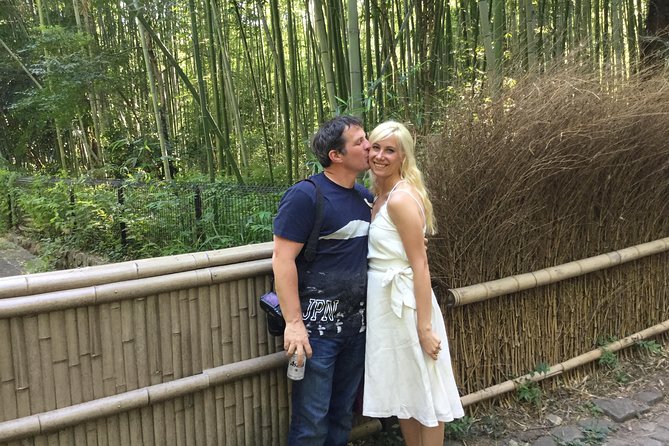
Not every great Kyoto experience is a temple. In central Kyoto, the “in-between” neighborhoods are where you start understanding the city as a living place.
- Nishiki Market: a narrow shopping street known as Kyoto’s Kitchen. It’s a smart stop because you can snack, browse, and get your bearings. Admission is free.
- Pontocho: a narrow dining alley running from Shijo-dori to Sanjo-dori one block west of the Kamogawa River. It’s atmospheric and ideal for a slow walk and photos.
A guide can also help you choose what fits your time. If your priority is temples, you can keep markets short. If your priority is atmosphere, you can lengthen the alley time while keeping temple visits efficient.
Nijo Castle and Kyoto Imperial Palace: seeing power in stone
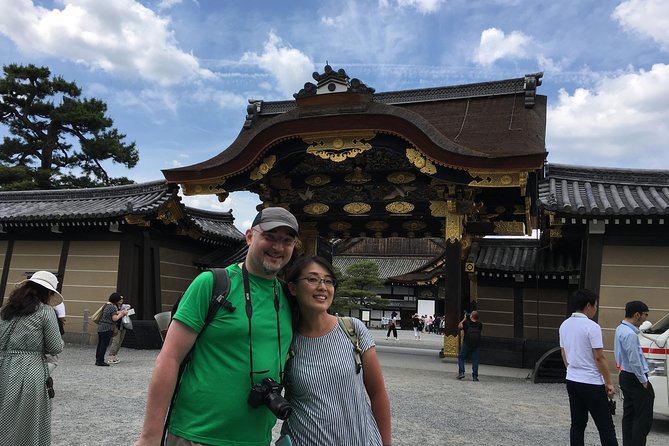
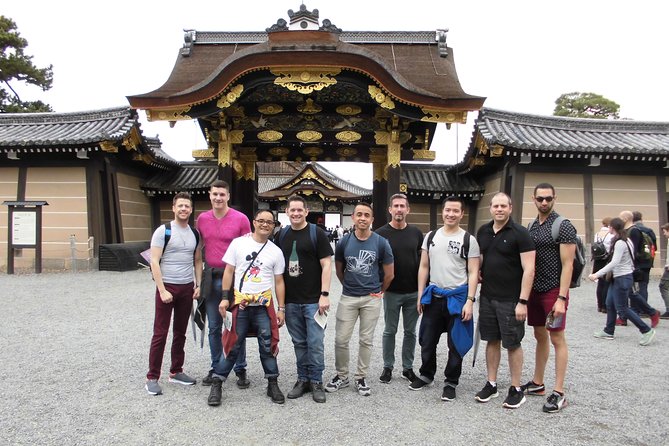
Kyoto isn’t only about beauty—it’s about history, too. Nijo Castle is a strong stop if you want to understand the shogun era. It’s included as a potential stop, and admission is listed as not included, so budget accordingly. With a guide, you’ll get context for why the castle was designed the way it was and what it signaled at the time.
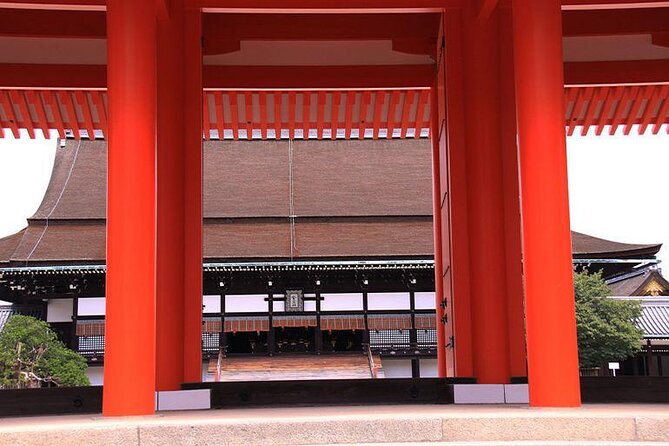
Then there’s Kyoto Imperial Palace. The imperial residence ended in 1868 when the capital moved to Tokyo, but the palace grounds still let you see the scale of old power structures. Admission is not included here either.
This is the part of the tour that’s especially good for people who want more than postcard photos. If you like facts you can actually use—why something was built, what it represented—these stops reward you.
Temple choices in North Kyoto: Ginkakuji, Nanzenji, and Kinkakuji
If you want Zen temples and garden design, North and eastern Kyoto offer a strong set of choices.
- Ginkakuji (Silver Pavilion): famous for the retirement-villa story and its Zen setting. Admission is not included.
- Nanzenji + Suirokaku (aqueduct-like structure): Nanzenji is a major Zen temple, and Suirokaku is a standout feature you’ll see while walking the area. Admission is not included.
- Kinkakuji (Golden Pavilion): top floors covered in gold leaf, known as Rokuonji. Admission is not included.
These stops also make a great “theme day.” You’ll go from silver to gold, from quieter garden spaces to major Zen grounds, and your guide can help you understand what to notice so you’re not staring at random details.
If you prefer fewer buildings and more atmosphere, ask your guide to pick the most relaxed “circuits” within the 6-hour window.
Arashiyama: bamboo walks, Togetsukyo Bridge, and garden time
Arashiyama is the Kyoto day-trip feeling without needing a second booking. It’s especially good when you want natural scenery plus iconic landmarks.
A standout anchor is Togetsukyo Bridge, the Moon Crossing Bridge area. It’s an iconic landmark in Arashiyama, and it’s a great “meetpoint” in your schedule because you can build the rest of your time around it.
Then add bamboo:
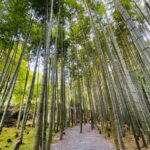
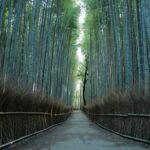
- Bamboo groves walking paths: these are best when there’s a light wind and the stalks sway gently, which can make the area feel calmer than the most crowded photo spots. (You’ll still see crowds; plan for it and go with the flow.)
Temple + garden options make Arashiyama more than just scenery:
- Tenryu-ji: an important Arashiyama Zen temple, ranked first among the city’s five great Zen temples and registered as a world heritage site.
- Okochi Sanso Garden: a former actor’s villa garden set behind the bamboo groves.
- Additional hillside temples like Jojakkoji, Nisonin, Gio-ji, and Adashino Nenbutsuji: these tend to be quieter hillside experiences with moss, maple, and stone-statue stops, but admission is not included for these.
If your day includes Arashiyama, it’s also worth thinking about how much walking you want in hilly terrain. A good guide can adjust pace—one guide specifically matched family pace so the day felt doable.
Tickets, lunch, and the walking reality check
Here’s the practical part: many of the headliner sites are not included for admission. The tour lists some stops as free (like Fushimi Inari, Gion, Nishiki Market, Toji), but several major temples and palace areas are marked as not included.
So plan on entry fees for your chosen 3–4 sites. Your guide can’t remove that, but they can help you avoid surprises by setting expectations in advance and steering you to the right timing.
Lunch is not included. With 6 hours, you don’t have unlimited time. I suggest you decide your lunch style before you start—sit-down meal or quick bite. If you care about a sit-down lunch, tell your guide so the schedule leaves room.
Finally, because it’s a walking tour, wear shoes that handle Kyoto’s temple steps and uneven paths. Even if your guide adjusts pace, your legs will do some work.
Who this Kyoto 6-hour private tour fits best
This is a good match if you:
- have limited time and want a guided “greatest hits” day without chaos
- want to customize your 3–4 stops instead of following a fixed circuit
- prefer walking + public transit over being driven everywhere
- like your sightseeing explained—why a place matters, not just what it looks like
It may be less ideal if you want a relaxed day with minimal walking or you’re hoping for fully handled admissions and meals. In that case, you’ll either need to pick fewer “fee” temples or plan your own breaks and budget.
Should you book it?
Yes, if you’re doing Kyoto for the first time and you want direction. The strongest reason to book is the combo of a licensed English guide plus a route that’s meant to be efficient: you get a plan, you travel like a local, and you can tailor the day instead of rushing through 12 stops that blur together.
Book it especially if you want a day that mixes Kyoto’s big icons—torii, golden and silver pavilions, rock gardens, bamboo and atmospheric streets—without spending hours figuring out how to connect everything.
If you hate walking or you need lots of free time for lunch and breaks, consider whether you’d rather do fewer sites on your own.
FAQ
How long is the Kyoto private tour?
It runs for about 6 hours.
Is this tour private or shared?
It’s a private tour, and only your group participates.
Do I get a guide who speaks English?
Yes. The tour includes a licensed local English-speaking guide.
Where do we meet the guide?
Pick up and drop off are on foot, and you meet the guide within a designated area of Kyoto.
Are admission tickets included?
Admission is not included for many temple and palace stops. Some stops are listed as free, but several others are marked not included.
Can I customize which sights we visit?
Yes. You can choose a customizable tour of 3–4 sites from the listed options.