Kyoto feels personal when you walk it with locals. This private experience pairs you with a local host to build a flexible 2 to 5 hour route, starting near Sanjo-ohashi and shaped around your interests.
I especially love the pre-tour questionnaire, because it helps your guide plan for what you actually care about. And I love how the day mixes major landmarks with calmer street scenes like Pontocho Alley and the evening energy of Kiyamachi.
One drawback to plan for: this is a walking-focused tour, and the hills plus temple crowds can slow you down—so good shoes matter.
In This Review
- Key Things I’d Book This For
- How the Private Kyoto Plan Actually Works
- Meeting at Sanjo-ohashi: Easy Start, Real Convenience
- Pontocho Alley and Kennin-ji: Calm Atmosphere and Big Art Details
- Gion to Yasaka Shrine (Plus Maruyama Park Breathing Space)
- Sannenzaka and Ninenzaka: Old-Street Shopping Without the Chaos
- Kiyomizu-dera and the Otowa Waterfall: Views and Meaning
- Fushimi Inari’s Vermilion Torii Gates: A Different Kind of Walk
- Kiyamachi Street: A Fun Finish for Food and Night Atmosphere
- Price and Value: Is $102.03 a Good Deal?
- Who This Tour Fits Best
- Tips to Make Your Day Go Smoothly
- Should You Book This Private Kyoto Tour?
- FAQ
- How long is the Kyoto private walking tour?
- Where does the tour start?
- Is pickup offered?
- Is this a private tour?
- What’s included in the price?
- Are temple entry fees and food included?
- Is transportation included?
- Can I bring a service animal?
- What is the cancellation policy?
Key Things I’d Book This For
- A pre-tour questionnaire that helps your route match your interests and pace
- Private, flexible timing (2 to 5 hours) instead of a fixed checklist
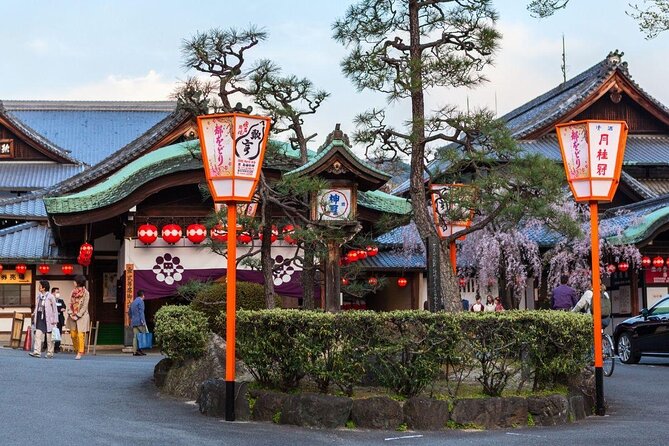
- Central Kyoto favorites woven together: Pontocho, Kennin-ji, Gion, Yasaka, Kiyomizu-dera
- Off-main-street vibes like Sannenzaka and Ninenzaka for shops and snacks at your pace
- Local context during the walk, including cultural notes and practical guidance
How the Private Kyoto Plan Actually Works
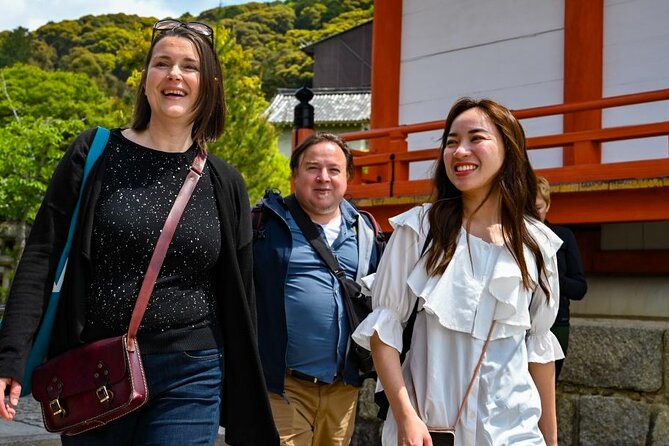
This tour runs on one core idea: you shouldn’t feel stuck on a pre-set timeline. Before you meet, you answer an online questionnaire, and your local host follows up directly. That means the day starts with you—your interests, your must-sees, and your comfort level with walking and crowds.
I like that the itinerary isn’t treated like a script. Your guide keeps the route flexible as you go, so if you linger at a shrine detail or want more street time in Gion, the plan has room for it. That’s especially useful in Kyoto, where timing can make or break your experience.
You can also read our reviews of more private tours in Kyoto


Meeting at Sanjo-ohashi: Easy Start, Real Convenience
You’ll meet at Starbucks Coffee – Kyoto Sanjo-ohashi Bridge, in Nakajimachō (near Nakagyo Ward). It’s a straightforward landmark, and the tour ends back at the meeting point.
Pickup is offered where accessible, and there’s also the option to meet your host at your accommodation or a convenient central location. If you’re choosing this for a first day, it’s a solid setup because you can anchor the tour to a single, easy-to-find point.
Pontocho Alley and Kennin-ji: Calm Atmosphere and Big Art Details
Pontocho Alley is one of Kyoto’s most photogenic street experiences, thanks to its car-free layout and older wooden buildings lining the lane. What makes it work on a guided walk is that your host can help you read the place—how the alley feels different at different times of day, and where to look so your photos don’t turn into a crowd scramble.
Then comes Kennin-ji, Kyoto’s oldest Zen temple. Even if you’re not a hardcore temple person, this stop is worth it for two specific visual features: the twin dragon mural and the gilded screens of the wind and thunder gods. Those are the kinds of details that are easy to miss if you’re just walking fast with your phone.
A practical note: temple interiors can mean different lighting and rules, so I’d arrive with a little patience. Your guide will help you know what to slow down for and what’s better from outside.
Gion to Yasaka Shrine (Plus Maruyama Park Breathing Space)
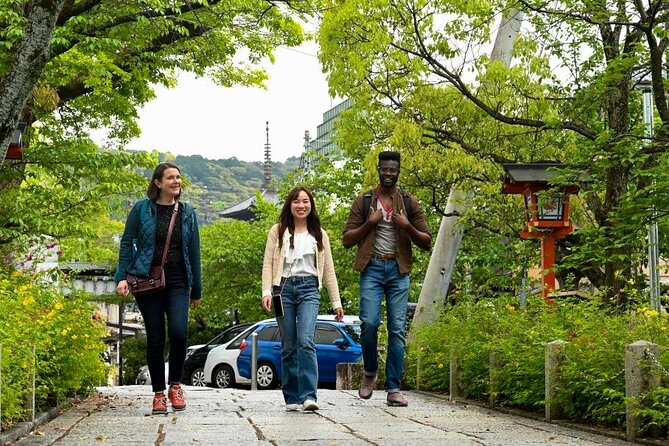
Your walk through Gion is framed around classic lanes and approaches—Hanami-koji Street and the route that leads toward Shimbashi’s elegant tea house area, with traditional wooden buildings along the way. If you came to Kyoto hoping to understand how culture shows up in everyday streets, this is where you’ll feel it most.
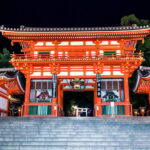
Next is Yasaka Shrine, with a stated history of 1,350 years and a connection to the Gion Matsuri festival. Even if you’re not there during festival season, your guide’s explanation helps turn the shrine into something more than just a pretty stop. You’ll likely leave knowing why certain traditions matter and how they connect to local community life.
Maruyama Park can be a nice reset. It’s a calm pause point where you can slow down and take in the natural surroundings—especially lovely in cherry blossom season, but still a good “let your feet rest” stop year-round.
If you’re short on time (many people are on their first Kyoto day), this Gion-to-Yasaka stretch is also a strong use of your walking time because it packs atmosphere without requiring long detours.
Sannenzaka and Ninenzaka: Old-Street Shopping Without the Chaos
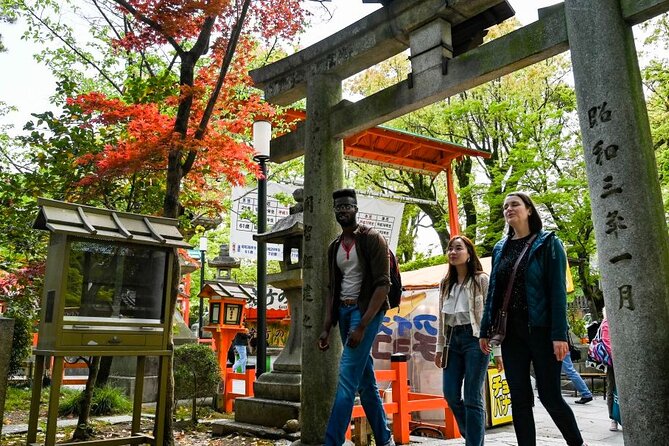
Sannenzaka and Ninenzaka are where Kyoto’s “old town” street life becomes very real. You’ll walk narrow lanes lined with traditional wooden buildings, with lots of small shops. This stop works best when you don’t rush—browse for pottery and crafts, and check out the sweets if you want a simple treat break.
What I like about having a host here is not just the shopping guidance. It’s the pacing. Your route can include side stops and small turns while you’re still moving smoothly toward Kiyomizu-dera, so you aren’t stuck constantly stopping to figure out where to go next.
If you’re traveling with kids or anyone who gets tired quickly, tell your guide early. Several hosts in this program have been praised for keeping families comfortable and engaged, which often turns a “walking day” into a more enjoyable one.




Kiyomizu-dera and the Otowa Waterfall: Views and Meaning
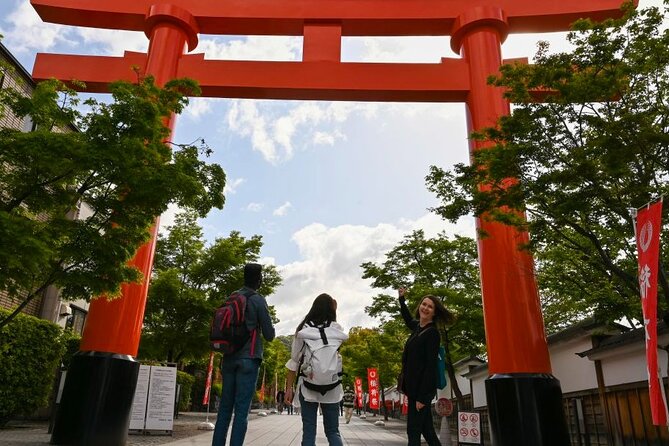
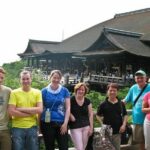
Kiyomizu-dera is famous for good reason. Expect dramatic views and the historic wooden stage—plus a built-in reason to take your time: the Otowa Waterfall. Your host can point out the significance people associate with the waterfall, including blessings related to longevity, success, and love.
This is one of those stops where entry queues and crowds can shape your experience. Your guide can help you plan your approach so you spend more time looking and less time stuck. You’ll also want to be ready for the fact that temple entry fees are not included in the tour price, and food and drinks are also not included. The typical approach is that you decide together on the day if you want to eat somewhere specific or pay entry fees where needed.
Wear shoes with solid grip here. The stone and steps around famous temples can get slippery in wet weather, and you’ll likely do more stairs than you expect.
Fushimi Inari’s Vermilion Torii Gates: A Different Kind of Walk
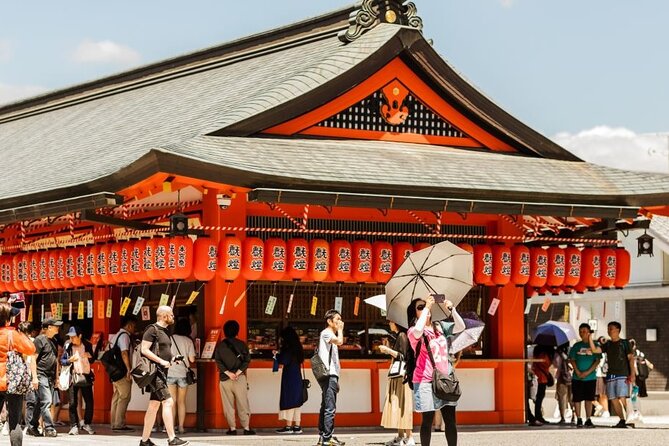
If your route includes Fushimi Inari-taisha, you’ll see the iconic vermilion torii gates and the fox statues that make the area instantly recognizable. This stop changes the feel of the day: instead of lane-to-lane strolling, you get a longer walk through a series of gates that builds momentum.
Many people love this stop for the photo opportunities, but I think it works just as well for the storytelling. Your host can explain what you’re seeing and what the gates and statues represent, so it feels meaningful rather than just busy.
One caution: this area can be crowded, and some paths involve more walking. If you’re doing a shorter version of the tour (around 2 or 3 hours), ask your host how much of Fushimi Inari you can comfortably cover.
Kiyamachi Street: A Fun Finish for Food and Night Atmosphere
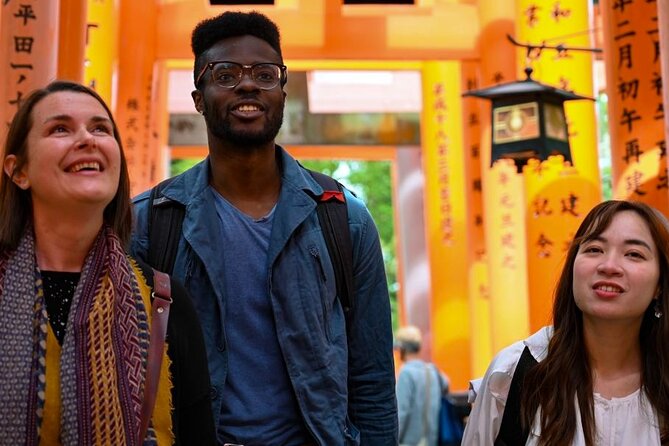
When the itinerary loops back toward the city’s livelier streets, Kiyamachi Street is a common end point. It’s known for bars, cozy cafes, and restaurants. This is a great “wrap-up” neighborhood because it gives you options right away—whether you want a casual drink, a warm snack, or a proper sit-down meal.
Even though food isn’t included, your host can recommend places based on your taste and energy level. Some guides in this program have been particularly praised for restaurant suggestions that help you avoid random guessing after a busy day.
Price and Value: Is $102.03 a Good Deal?
At $102.03 per person, the value comes from three places:
- You’re buying privacy plus personalization. A local host designs your day around your interests instead of you paying for the right to feel rushed.
- You’re paying for direction in a city that’s easy to navigate badly. Kyoto has layers—shrines, neighborhoods, festival history, and temple routes. Someone local saves time and helps you see more of what matters.
- Flexibility is built in. If your group wants a slower pace, more street time, or a specific combination of spots, you can adjust within the tour length.
What’s not built in: entry fees and food. Transportation isn’t included either, and because this is primarily walking, moving between farther points may involve public transport or taxi costs discussed with your host. So the true day cost can rise a bit depending on what you add.
Still, if you compare this against paying for individual tickets plus your own time spent mapping and re-mapping routes, the guided private format often feels fair—especially on your first visit.
Who This Tour Fits Best
This private Kyoto walk is a strong match if:
- You want a first-day grounding in Kyoto’s neighborhoods and temple culture
- You care about details beyond postcard basics—like temple art elements (Kennin-ji’s twin dragon mural) or specific shrine symbolism
- You’re short on time and want your guide to build the tightest route possible within 2 to 5 hours
- You travel as a couple, family, or small group and want a pace that doesn’t feel rushed
In particular, people have praised guides such as Amy for high-energy hosting and photo help, Alex for packing a lot into a 3-hour plan, Kenta for guiding strong site combinations, Ceci for keeping children engaged, Miki and Hiro for shaping the day around what you want, and Kokoro or Emi for smoothing the logic of where to go next.
You don’t need to know Kyoto beforehand. The questionnaire and conversation are there to do the thinking for you.
Tips to Make Your Day Go Smoothly
- Tell your host your priority list at the start. If Kiyomizu-dera and Fushimi Inari matter most, say so.
- Plan for steps. Even if you think you’ll be doing “just walking,” Kyoto temple areas add up quickly.
- Decide early how you want food handled. Since food isn’t included, choose a plan that feels comfortable—quick snack stops or a sit-down lunch.
- If you want photos, ask for timing help. A few hosts have been noted for capturing great shots and helping you avoid awkward angles when crowds are thick.
Should You Book This Private Kyoto Tour?
Book it if you want Kyoto to feel guided but not scripted. The mix of Pontocho alley atmosphere, Kennin-ji’s standout art, Gion’s classic lanes, Yasaka Shrine context, and the Kiyomizu-dera + Otowa Waterfall focus creates a well-rounded day that still leaves room for you to breathe.
Skip it if you’re the type who hates walking, or if you only want one or two specific places and nothing else. Since this is primarily a walking route and entry fees and transport aren’t included, you might prefer a cheaper self-guided plan if your priorities are ultra limited.
For most people—especially first-time visitors—this private format is a smart way to get oriented fast and leave Kyoto with stories, not just photos.
FAQ
How long is the Kyoto private walking tour?
It runs for about 2 to 5 hours, depending on the route your host builds around your interests and pace.
Where does the tour start?
The default meeting point is Starbucks Coffee – Kyoto Sanjo-ohashi Bridge, in Nakajimachō (Nakagyo Ward). The tour ends back at the same meeting point.
Is pickup offered?
Pickup is offered where accessible. If pickup isn’t possible, you’ll meet at the stated meeting point or another convenient central location.
Is this a private tour?
Yes. It’s private, so only your group participates.
What’s included in the price?
You get a private walking experience tailored to your interests, a pre-experience questionnaire, direct communication with your host, flexible pacing and route, and local insights and recommendations.
Are temple entry fees and food included?
No. Food, drinks, and entry fees are not included, and you can choose them together on the day if you want.
Is transportation included?
Primarily no, because it’s a walking experience. Public transportation or taxis may be used to transfer between sites, and any related costs would be discussed with your host.
Can I bring a service animal?
Yes, service animals are allowed.
What is the cancellation policy?
You can cancel for a full refund if you cancel at least 24 hours before the experience starts. If you cancel less than 24 hours before, the amount paid won’t be refunded.