REVIEW · KYOTO
Kyoto: Sushi Making Experience in Kawaramachi
Book on GetYourGuide →Operated by WILL Co.,Ltd. · Bookable on GetYourGuide
Sushi-making in Kyoto feels oddly relaxing. I like the fact that this class starts with a short history of sushi and Japanese food context, then jumps right into hands-on technique with English-fluent staff. One thing to consider: it does not offer special meals for vegetarians, vegans, or halal diets.
This is a 90-minute session in a super convenient part of town—just a short walk from Kyoto Kawaramachi Station. You’ll leave having made and eaten a set amount of sushi, plus you get a small souvenir-style gift. For the price point (about $40 per person), the value comes from the full experience loop: learn, make, eat, then go.
In This Review
- Key highlights you’ll care about
- Kyoto Kawaramachi: a smart base for a sushi class
- The 90-minute flow: lecture, practice, then dinner
- Course option 1: Nigiri and gunkan-maki, piece by piece
- Course option 2: Temari-sushi and gunkan-maki in a more playful style
- Friendly staff and English support you can actually use
- Price and value: what you’re really paying for
- Food rules and dietary limits you should plan around
- Logistics that keep your day stress-free
- Who this sushi class suits best
- Should you book Kyoto’s Kawaramachi sushi-making class?
- FAQ
- How long is the sushi making experience in Kyoto?
- What sushi do you make in the nigiri and gunkan-maki course?
- What sushi do you make in the temari-sushi course?
- Is the class offered in English?
- What dietary restrictions can the experience accommodate?
- Is hotel pickup or drop-off included?
Key highlights you’ll care about
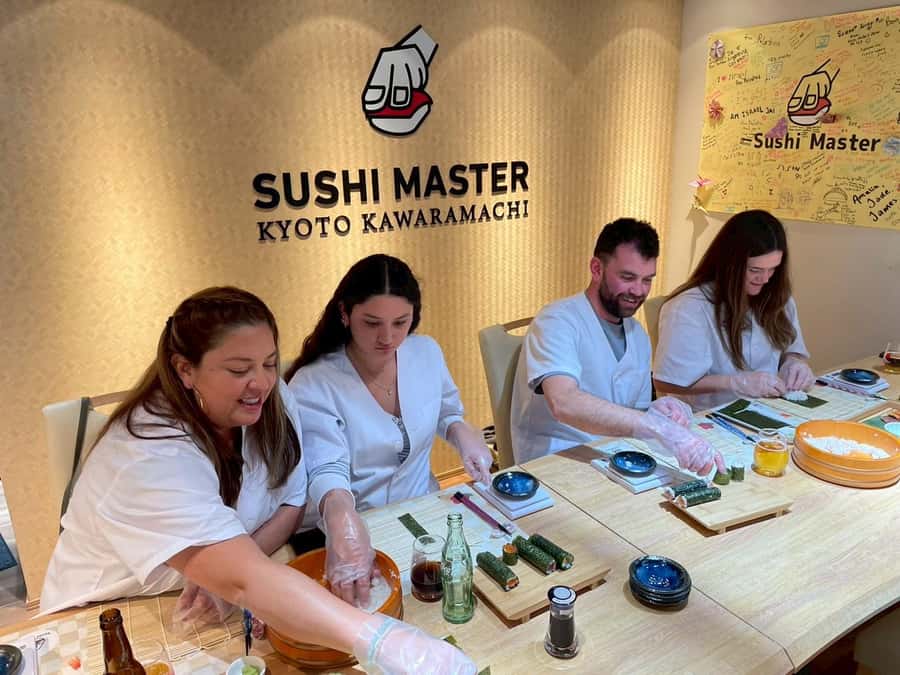
- Clear course choices: nigiri + gunkan-maki or temari-sushi + gunkan-maki
- English-friendly: staff speak English very fluently
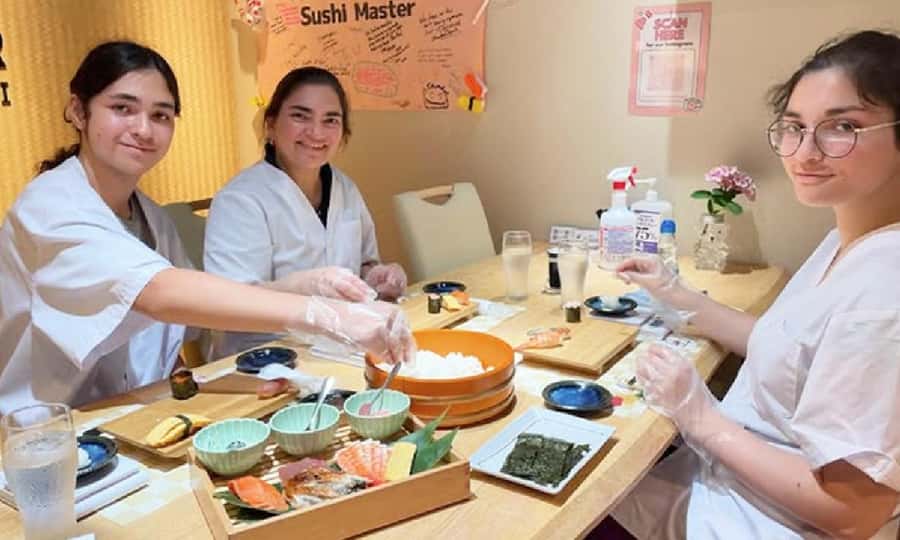
- Learn then eat: after a short lecture, you make sushi and eat your own work
- Portion set in advance: you know exactly what you’ll produce (piece counts are specified)
- Easy meeting area: 5-minute walk from Kyoto Kawaramachi Station (Hankyu Kyoto Line)
Kyoto Kawaramachi: a smart base for a sushi class
Kyoto Kawaramachi is one of the easiest neighborhoods to plug into a day. The class meeting spot is listed as just about 5 minutes on foot from Kyoto Kawaramachi Station on the Hankyu Kyoto Line. That matters because you don’t want your schedule to hinge on complicated transit when you’re about to handle rice and knives.
I also like the neighborhood fit. Kawaramachi is packed with shops, so it’s simple to pair the class with shopping or a casual meal before or after. If you’re trying to do one “hands-on” activity without sacrificing the rest of your day, this location helps.
You can also read our reviews of more tours and experiences in Kyoto.
The 90-minute flow: lecture, practice, then dinner
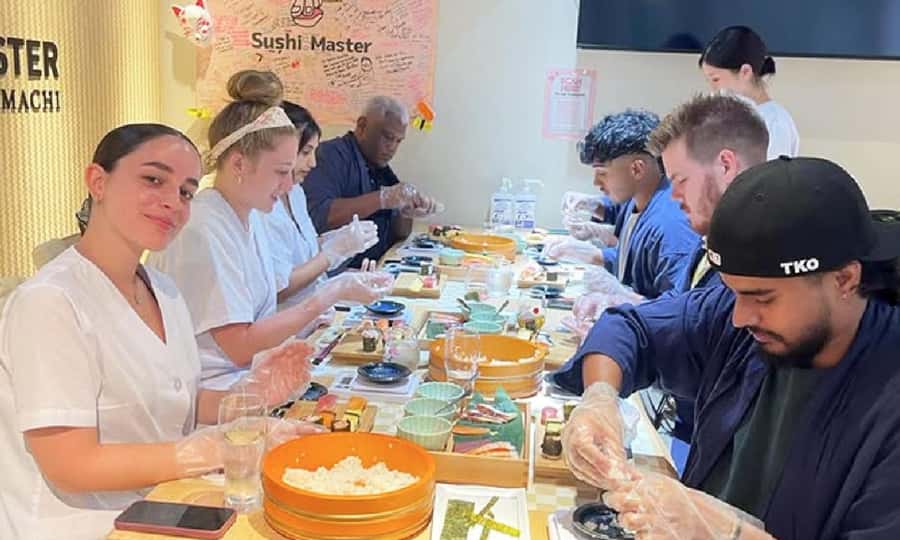
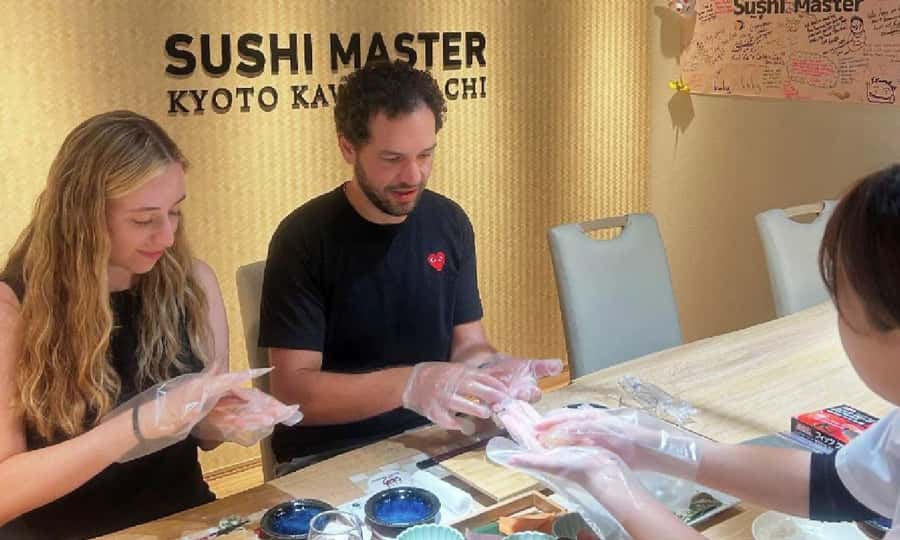
The session runs 90 minutes, and the structure is straightforward. You start with a lecture that covers the history of Japanese cuisine and sushi, then you move to the hands-on part where you actually form the sushi.
After that, you eat what you made. That’s a key detail, because many food classes stop at the making stage. Here, the payoff is built in: your sushi-making skills lead directly to your sushi meal.
Short timing is also a plus. In Kyoto, long workshops can eat your whole afternoon. A 90-minute class is long enough to learn technique, but short enough that you can still enjoy the streets afterward.
Course option 1: Nigiri and gunkan-maki, piece by piece
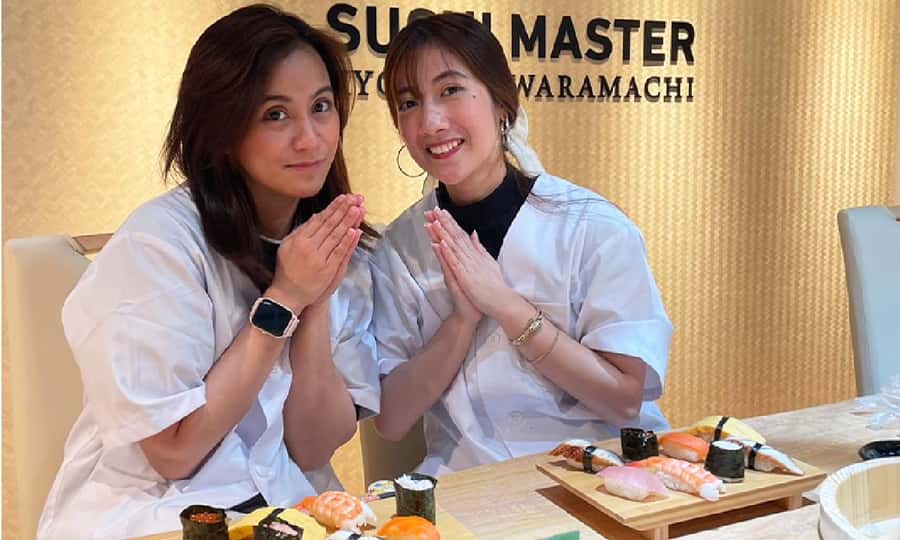
If you choose the standard sushi-making experience course, you’ll make a total of 9 pieces of nigiri-sushi and 3 pieces of gunkan-maki. That set is a nice mix because nigiri is all about clean shaping and rice consistency, while gunkan-maki changes the rhythm with its “bowl-like” presentation.
What I like about having this exact piece count is that it removes guesswork. You can plan around it as a real activity meal, not just a tasting. You’ll also get practice on two styles that show up constantly in Japanese sushi culture, which makes the lessons useful beyond the class itself.
The gunkan-maki component is especially good for beginners because it gives you a clear form to aim for. And even if rice handling feels intimidating at first, the class format is designed for different skill levels—you’re guided through the process and then see your work plated and eaten.
Course option 2: Temari-sushi and gunkan-maki in a more playful style
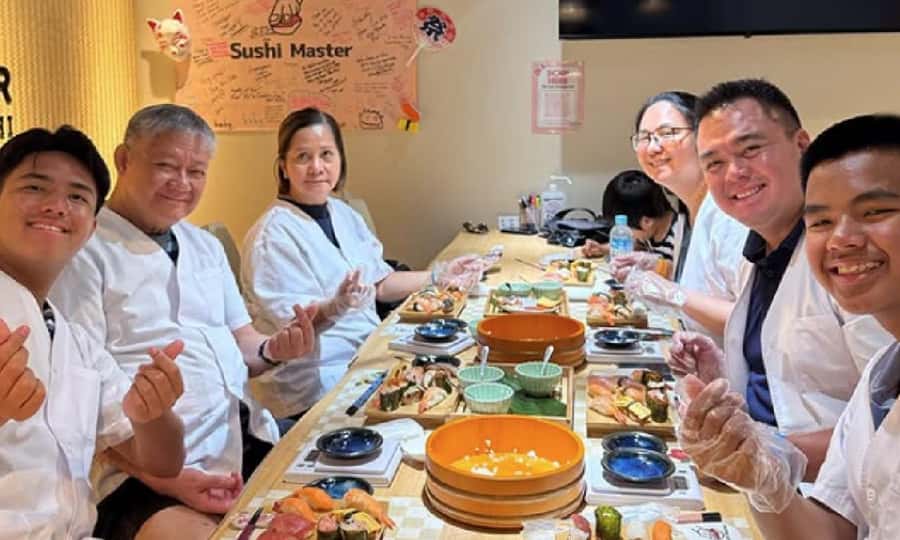
The temari option is different in look and technique. You’ll make 10 pieces of temari-sushi and 2 pieces of gunkan-maki during the hands-on portion.
Temari-sushi tends to feel more “hands-on shaping” and less “press and finish.” If you’re someone who learns better by doing something tangible right away—rather than worrying about perfect seams—this course can be a good match. You still get gunkan-maki, so you’re not losing that familiar sushi anchor.
I also like that both courses include gunkan-maki. It means you get at least one consistent skill across options, so even if you’re comparing courses, you’re still building a transferable technique.
Friendly staff and English support you can actually use
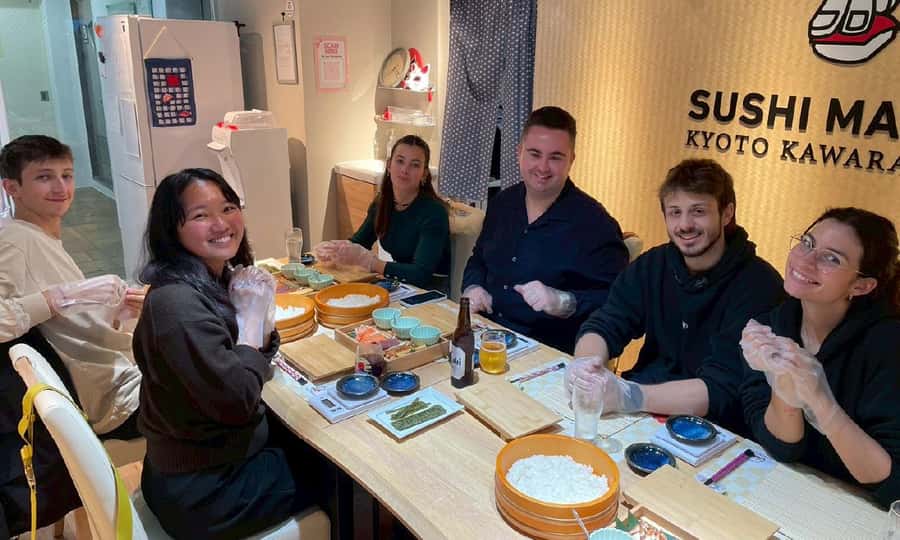
This class is run with a strong emphasis on communication. The staff are described as friendly and speaking English very fluently, which is huge for a cooking class.
I’ve found that food instruction can go two ways: you get the steps, but you don’t fully understand what those steps mean. Here, English support lowers the odds that you’re just copying motion without learning the logic.
That’s also important for safety and kitchen basics. Even without being “a chef,” you still want to understand how to handle ingredients, how to keep rice from turning into glue, and how to shape properly. Clear language makes those moments smoother.
Price and value: what you’re really paying for
At about $40 per person, the value isn’t just the lesson. The included items are doing the heavy lifting:
- Sushi ingredients for the experience
- The sushi meals (you eat what you make)
- A special gift
So you’re paying for a complete package: instruction, ingredients, and a meal, all in a single 90-minute block. Drinks are not included, but you can order soft drinks and alcohol during the class, which gives you flexibility if you want to keep it simple.
Here’s the practical way to think about it: if you were to buy sushi elsewhere, you’d likely pay for food anyway. The difference is that this also teaches you how sushi comes together—so your meal comes with skills you can reuse. For short “experience-style” activities in Kyoto, that’s a strong value proposition.
Food rules and dietary limits you should plan around
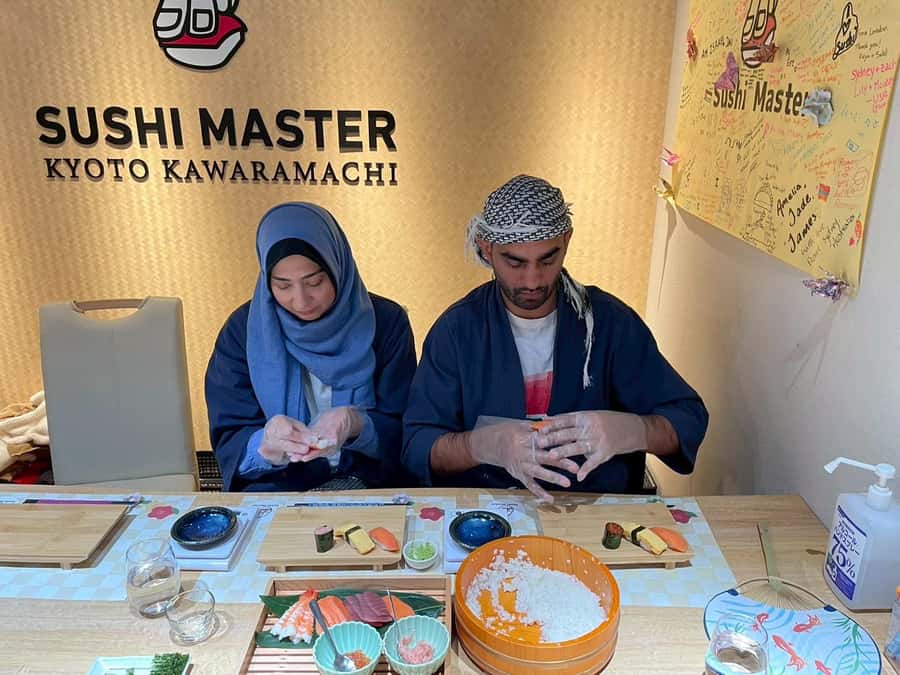
This is the part I’d check early, because it affects whether the class is comfortable for you.
They accommodate shellfish allergies only. The info also says that octopus and squid can be substituted. If shellfish is your issue, that’s good news.
But if you’re vegetarian, vegan, or following halal, the class does not offer special dishes for those diets. That means you may need to rethink the experience if your dietary needs go beyond shellfish allergies.
My advice: if you have any food restrictions, confirm them up front before you book. Cooking classes can be great, but only if you can actually eat what’s served.
Logistics that keep your day stress-free
The meeting point is described as varying depending on the option you book. So you’ll want to check your specific meeting details after reservation, and plan to arrive a few minutes early.
No hotel pickup or drop-off is available. You’ll come directly to the class. The upside is you don’t waste time waiting for a van. The downside is you need to handle your own transit.
Since it’s about a 5-minute walk from Kyoto Kawaramachi Station (Hankyu Kyoto Line), that’s still manageable for most visitors. Plan your day so you’re not sprinting across Kyoto with a bag of valuables and hungry energy.
Also, drinks are optional. If you want something non-alcoholic or with alcohol, you can order it during class. If not, you can treat it like a straightforward meal lesson and keep moving.
Who this sushi class suits best
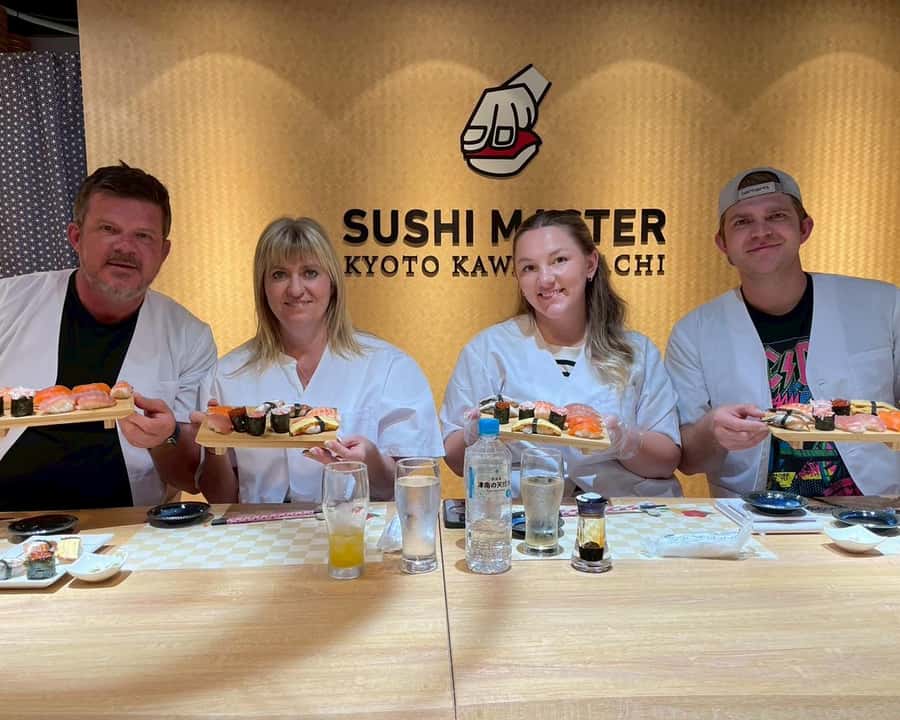
I think this is a great fit if you want a hands-on Kyoto activity that feels cultural, not staged. The combination of sushi history lecture, technique practice, and eating your own sushi makes it more than a “watch and snack” class.
You’ll likely enjoy it most if:
- You like interactive activities where you take home a real skill
- You want a structured 90-minute plan without a long time commitment
- You’re comfortable with (or at least not restricted by) the class’s menu limits
- You appreciate English instruction while cooking
If you’re traveling with friends and want something fun that doesn’t require high confidence—this one checks out. And if you’re a first-timer in sushi-making, the course format is designed to teach you step-by-step rather than assume you already know what “good rice” means.
Should you book Kyoto’s Kawaramachi sushi-making class?
I’d book it if you want a practical Kyoto experience with clear output: you’ll make a defined set of sushi pieces, eat them, and get a gift. The English-fluent staff and the simple location near Kyoto Kawaramachi Station make it easy to fit into a day.
I would not book it if your diet needs go beyond shellfish allergy accommodations, because there are no special dishes for vegetarians, vegans, or halal diets. Also, if you hate any activity where you have to follow instructions and handle ingredients yourself, this might feel less “tour-like” and more “workshop-like.”
If you’re in the sweet spot—ready to learn, eat, and come away with sushi confidence—this is a solid choice for Kyoto.
FAQ
How long is the sushi making experience in Kyoto?
The session is 90 minutes.
What sushi do you make in the nigiri and gunkan-maki course?
You make 9 pieces of nigiri-sushi and 3 pieces of gunkan-maki.
What sushi do you make in the temari-sushi course?
You make 10 pieces of temari-sushi and 2 pieces of gunkan-maki.
Is the class offered in English?
Yes. The class language is English.
What dietary restrictions can the experience accommodate?
They only accommodate shellfish allergies. They can substitute octopus and squid. They do not offer special dishes for vegetarians, vegans, or halal diets.
Is hotel pickup or drop-off included?
No. Hotel pickup and drop-off service is not available, and you need to come directly to the class meeting point.